
2106 West Main, Po Box 330, Bowling Green, MO 63334
For more information about senior living options: (866) 208-4318
Overall Review of Country View Nursing Facility
Pros
 The facility smells clean on arrival and the staff are attentive to residents, helping them feel comfortable.
- The director is approachable and provides tours with a friendly personality.
- The staff are wonderful and caring, and residents are happy and engaged.
- The facility creates a warm, home-like atmosphere that makes a difference.
- CNAs and other staff are dedicated to making residents feel right at home and meet their needs.
- People note good experiences and positive interactions with staff and residents.
Cons
 The facility sucks.
- Medical concerns were not addressed.
- Staffing turnover is constant and agency nurses are used, compromising patient care.
- Management blames Covid for everything.
- There are unreported falls, cleanliness issues, medication errors, lost personal items, weight loss, and health concerns.
- The majority of five-star reviews come from current staff, not families or residents.
- The facility is poorly run and in disarray.
- The nursing department neglects residents' needs and the quality of care is not good.
Review
Country View Nursing Facility in Bowling Green, Missouri is best suited for families that prize a warm, home-like atmosphere and staff who genuinely appear to care about residents’ daily comfort. The environment can feel inviting and personally attentive, with several accounts praising caring, personable staff that make residents feel valued. This is a place where residents and families who prioritize friendliness and approachable leadership may find the daily experience welcoming. However, for those who must rely on consistent medical oversight, rigid adherence to care plans, and stable administration, this community presents real caveats.
The strongest positives center on the human side of care. Reviewers repeatedly highlight that the staff members who are present, when operating smoothly, are caring, engaged, and willing to go the extra mile to meet basic needs and create a sense of belonging. Families and visitors note moments when staff members seem to treat residents like family, and some residents themselves express satisfaction with the level of attention they receive day to day. The facility’s atmosphere can make a meaningful difference in day-to-day life, particularly for residents who respond well to a visible, compassionate caregiving approach and who value a responsive, approachable team at the front line.
Yet the negatives pull hard in the opposite direction and invite serious caution. The facility struggles with persistent management and staffing instability, a pattern that many families find undermines reliability. Turnover among nursing leadership and frontline caregivers leads to inconsistent care, with reports of agency nurses stepping in and patient needs slipping through the cracks. Critiques go beyond occasional miscommunications to include unaddressed health concerns, unreported incidents, and items such as weight loss and medication issues that raise questions about ongoing medical oversight. Several reviewers describe a sense of disarray in daily operations, including a nursing station that feels more like a meeting space than a true command center, and facilities that seem understaffed or overwhelmed during busy periods.
This juxtaposition, warm, people-first care on one hand and systemic disorganization on the other, shapes how the community’s pros offset its cons. When staffing is stable and caregivers are able to form dependable routines, the “home-like” quality and genuine affection for residents can offset fears about warmth and companionship. However, the price of inconsistent staffing is high: lapses in monitoring, delays in responding to needs, and occasional gaps in medical attention can erode trust and safety over time. For relatives seeking predictable outcomes, these gaps are not trivial; they can translate into missed signals about health changes, delayed interventions, and a creeping sense that personal items, falls, or weight issues may go unaddressed.
Because the drawbacks are substantial, alternatives deserve serious consideration for certain families. This facility may not be the best fit for those who prioritize rigorous, consistently delivered clinical oversight, clear accountability, and a stable leadership structure. Families who require a consistently high standard of care, frequent proactive communication, and a facility track record free of repeated administrative upheaval will likely find better alignment elsewhere. For individuals with complex medical needs or those who require meticulous care plans and reliable follow-through, exploring other options in the region is prudent.
Prospective residents and their supporters should approach a tour with a focused checklist and a plan to validate claims. Demand to meet the administrator and the nursing supervisor, and ask about recent staff turnover, caregiver-to-resident ratios, and how care plans are monitored and updated. Request concrete examples of how emergency concerns are escalated and addressed, and review the most recent state survey findings and any corrective actions. Assess the physical environment for cleanliness and safety, and observe how the nursing station operates during peak hours. Finally, consider a trial stay or a milestone written care plan that includes triggers for escalation to higher levels of care if consistency in medical oversight and timely response becomes a concern.
In sum, Country View Nursing Facility delivers a compelling argument for the importance of heartful care and a welcoming milieu, but that strength is tempered by real vulnerabilities in administration and nursing consistency. Families must weigh the comfort and personal attention against the risks tied to staffing volatility and uneven clinical oversight. The decision hinges on value placed on daily warmth and resident engagement versus the necessity for unwavering, dependable care. If stability, predictable care, and strong governance are non-negotiables, alternatives should be actively explored; if a caring, homey setting with approachable staff aligns with the family’s priorities and they are prepared to monitor and advocate, this community can still be a reasonable choice with clear expectations and rigorous oversight.
 60 resident community capacity
 Assisted Living
 Skilled Nursing Facility
 Air-conditioning
 Beauty salon
 Cable or satellite TV
 Computer center
 Dining room
 Fitness room
 Fully furnished
 Gaming room
 Garden
 Housekeeping services
 Kitchenette
 Move-in coordination
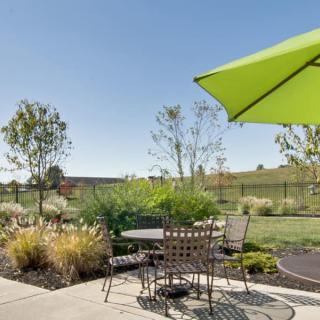
 Outdoor space
 Private bathrooms
 Restaurant-style dining
 Small library
 Telephone
 Wellness center
 Wi-Fi/high-speed internet available
 Community operated transportation
 12-16 hour nursing
 24-hour call system
 Activities of daily living assistance
 Assistance with bathing
 Assistance with dressing
 Assistance with transfers
 Diabetes diet
 Hospice waiver
 Medication management
 Mental wellness program
 Special dietary restrictions
 Transportation arrangement (medical)
 Concierge services
 Planned day trips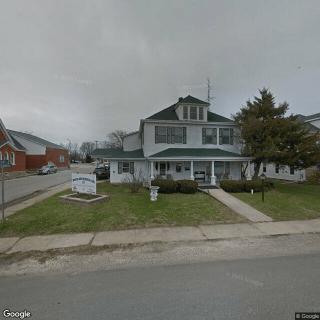




 Assisted Living and Memory Care: Understanding Their Core Differences
 Beyond the Bingo Hall: 50+ Enriching Activities for Seniors in Assisted Living
 Understanding the Distinctions: Assisted Living and Memory Care Explained