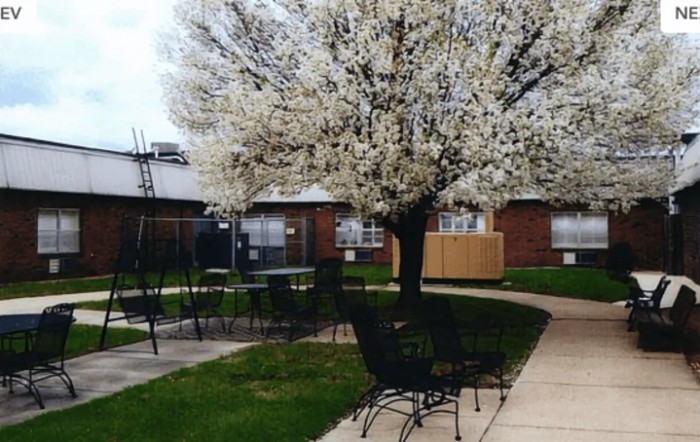
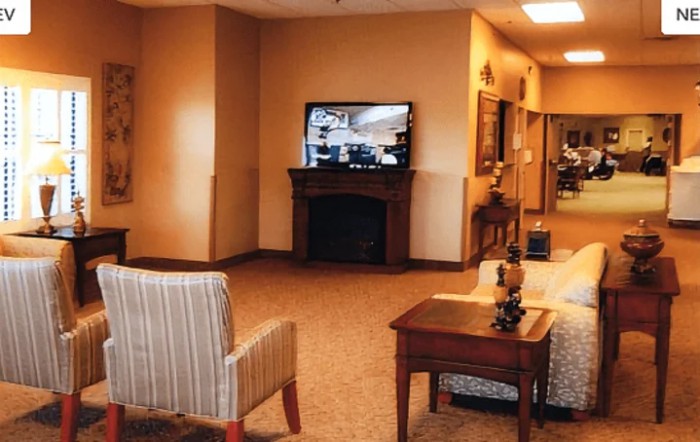
200 Thompson Drive, Troy, MO 63379
For more information about senior living options: (866) 208-4318
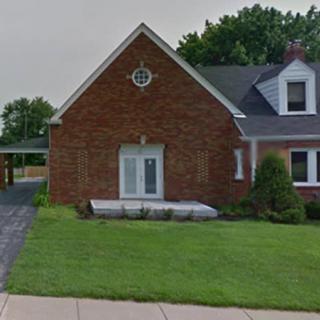
Overall Review of Troy Manor
Pros
 The care, love, and attention given to Dona at Troy Manor was amazing.
- The food and selections were delicious.
- Every staff member encountered was consistently hardworking and caring.
- The facility is clean, with professional, attentive staff.
- The reviewers were very pleased with the decision to move their loved one to Troy Manor.
- The staff ensure residents receive good care and have opportunities to engage in activities.
Cons
 The facility is not safe and very few staff truly care about patient safety.
- The staff repeatedly cut corners and violated safety rules.
- The patient was given Haldol shots despite an allergy, implying dangerous treatment.
- The family was not informed when the patient left, and the DNR was pressed without a clear reason.
- The building smelled like urine and had feces caked on patients’ skin.
- Staffing was unsafe, with uncertified aides and overworked teams, plus improper one-person transfers.
- There were sewage backups and raw sewage in hallways.
- There were concerns about improper medication handling and possible financial misconduct by staff.
Review
Troy Manor in Troy, MO is best suited for families seeking a modest, home-like setting where daily routines are predictable, meals are comfortable, and front-line staff appear attentive on most days. It can work for seniors who need assistance with activities of daily living, basic transportation, and social engagement without requiring highly specialized medical oversight or memory-care integration. This is not the right choice for residents with complex medical needs, aggressive behavioral issues, or those demanding rigorous safety monitoring and professional oversight around the clock.
Those who may want alternatives include families with serious safety concerns or past experiences suggesting inconsistent care. Reviews describe situations where staffing shortcuts, unsafe transfers, untrained aides, missed medications, and even internal pressures around patient decisions created real risk. DNR discussions and hospitalizations surfaced as troubling points for families seeking clear, transparent communication. Some observers question the facility’s ability to sustain operations, with hints that closure could be imminent. For families evaluating memory care, rehab, or higher-acuity needs, comparing Troy Manor with facilities known for stronger safety records and steady leadership is prudent.
The positives commonly cited, cleanliness, supportive front-line staff, and meals described as acceptable or better, do matter for day-to-day comfort and dignity. A number of residents benefited from attentive caregivers who were perceived as hardworking, and transportation and social activities were described as workable features. Yet these strengths are unevenly delivered and not universally reliable. On balance, pros help with routine quality of life on good days, but they fail to guarantee consistent safety, attentive care, or reliable clinical oversight across shifts.
Carpeting issues, odors, and reports of lapses in basic hygiene or timely care push the concerns into sharper focus. Several accounts describe missed medications, unaddressed cleanliness gaps, and transfers performed without adequate staffing, all of which undermine safety and trust. A caregiver perspective adds weight to claims about policy violations or resource constraints that prevent consistent, safe care. When leadership and accountability feel opaque, the facility becomes a gamble: favorable impressions during visits may not translate into sustained daily reliability.
For decision-making, a careful, evidence-based screening is essential: request candid conversations with direct-care staff about staffing ratios, training, and supervision; review any recent state inspections or complaints; and insist on clear plans for medication management, fall response, and care transitions. If a resident has complex medical or behavioral needs, seek documentation of a robust care plan and a clear escalation process. Where transparency is lacking or safety concerns persist, it is wise to compare with other local options that demonstrate consistent safety, staffing stability, and proactive family communication.
Overall, Troy Manor presents a mixed proposition: it can be a workable home for those who value a warm environment and can tolerate variable safety and staffing performance, but it is a fragile fit for anyone who cannot accept potential lapses in care or governance. Families should enter with clear expectations, a plan for ongoing oversight, and readiness to pivot to a more reliable option if daily care quality falters. When a higher level of safety, predictable staffing, and strong resident advocacy are non-negotiable, the weight of the evidence points toward exploring other local facilities before committing.
 20 resident community capacity
 Assisted Living
 Board and Care Home
 Skilled Nursing Facility
 Activities on-site
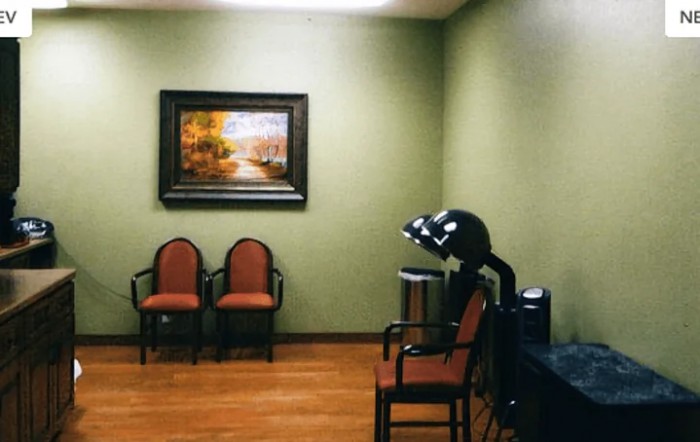
 Beauty salon
 Cable or satellite TV
 Devotional services off-site
 Dining room
 Fully furnished
 Garden
 Housekeeping services
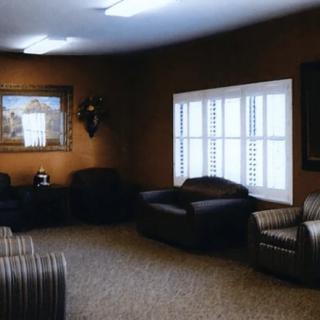
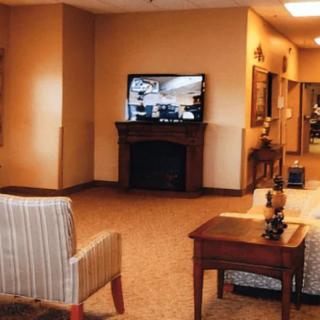
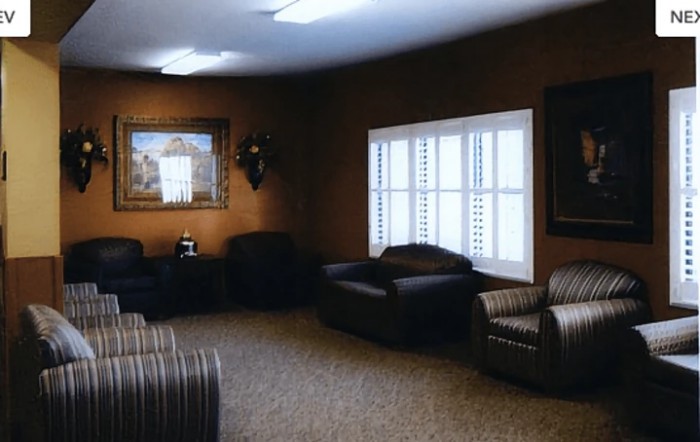
 Indoor common areas
 Kitchenette
 Move-in coordination
 Outdoor space
 Telephone
 Wi-Fi/high-speed internet available
 24-hour call system
 Ambulatory care
 Assistance with bathing
 Assistance with dressing
 Assistance with transfers
 Diabetes diet
 Diabetic care
 Meal preparation and service
 Medication management
 Mental wellness program
 Special dietary restrictions
 Transportation arrangement (medical)
 Transportation to doctors appointments


 Understanding the True Cost of Assisted Living in 2025: A Comprehensive Guide
 Understanding Medicaid Coverage for Assisted Living: A Comprehensive Guide
 How and When Medicaid May Cover Assisted Living Costs