
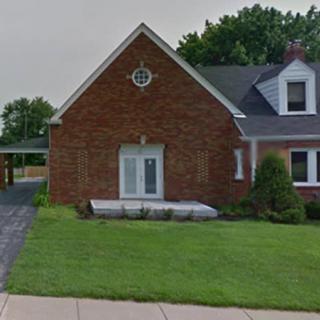
1145 East Cherry Street, Po Box 130, Troy, MO 63379
For more information about senior living options: (866) 208-4318
Overall Review of Lincoln County Nursing & Rehab
Pros
 The rehab department is patient and helps residents work toward walking again.
- The medical staff is wonderful.
- The facility makes residents feel like coming home.
- The evening housekeeping staff member is doing a great job.
- The staff keeps families informed and is open with information.
Cons
 The facility is described as gross and not following state laws.
- The roommate’s bed sheet was spoiled, a dinner drink wasn’t provided, and staff allowed other residents to yell nonstop.
- Residents’ belongings are reported stolen, staff rummage through them, and there are no repercussions for the staff.
- Bed sheets are not changed unless requested; antibiotics aren’t kept on hand; medications are misrepresented; one resident went two weeks without a shower.
- The grandmother was burned by a coffee handoff and was transferred to another facility.
- The grandmother’s room is not clean.
- The facility is abusive toward residents, according to a former staff member.
- Meals are inadequate (often lacking fruit or vegetables), call lights are slow to be answered, and rehab and responsiveness are poor.
- A patient reportedly lay in urine for hours with no one to help, indicating extreme neglect.
Review
This facility is best suited for families pursuing short-term rehab with a clear path back home, where the clinical team is viewed as capable and goal-oriented. When therapy and medical supervision are adequately staffed, residents can make meaningful progress toward discharge, and families report ongoing updates about physician visits and milestones. The strongest value lies in a rehab-focused track record and a team that appears willing to push for functional gains. However, that positive impulse hinges on consistent staffing and stable leadership; without reliable coverage, the benefits can slip away quickly.
Those weighing alternatives should consider how critical daily safety, hygiene, and robust accountability are to their loved one. The reviews portray a troubling pattern: delayed response to call lights, residents left waiting for hours, and repeated concerns about room cleanliness and personal belongings. Allegations of abuse, theft, and disregard for patient dignity surface repeatedly, alongside reports that basic items such as clean sheets and timely medical interventions are not consistently provided. If risk management, transparent reporting, and a consistently clean, orderly environment are non-negotiables, this community warrants a hard comparison with other options.
On the plus side, the rehab department is praised for patient-focused therapy, with staff members who are described as patient and determined to restore function. Some medical staff are described as wonderful when present, and a few caregivers demonstrate genuine helpfulness and responsiveness. There is also mention of in-house activities and open family communication in certain cases, which can help sustain engagement and provide a sense of connection during a short rehab stay. These positives indicate that when the facility operates at its best, residents can experience meaningful, goal-driven rehab and clear lines of communication.
Yet the most consequential drawbacks are hard to overlook. Chronic staffing gaps appear to undermine daily operations, with repeated complaints that call lights go unanswered for long periods and essential care is delayed. Cleanliness lapses, unmade beds, rooms in poor repair, and concerns about hygiene, combine with reports of mismanagement, including allegations of inappropriate handling of medications and resistance to escalating care when health issues intensify. Instances of theft or privacy violations, and critics who accuse leadership of not addressing complaints, create an environment where safety and trust are compromised. These are not minor inconveniences; they are fundamental risks to resident welfare.
In weighing the trade-offs, the rehab advantages do not fully offset the persistent safety and quality concerns. For a resident with solid family oversight and a tightly managed, time-limited rehab plan, there is a scenario where progress can be made if staffing is reliably sufficient and oversight is rigorous. For anyone requiring dependable 24/7 care, strong infection control, and a consistently clean and respectful environment, alternatives are strongly advisable. The facility could work well for a family prepared to supervise closely, insist on strict protocols, and rapidly escalate issues, yet that is a high bar for most seniors seeking steady, compassionate daily care.
Actionable guidance for families considering this community: insist on a concrete, measurable rehab plan with weekly progress notes and a designated case manager, and require visibility into staffing schedules and nurse leadership coverage. Request recent state inspection reports and a promise of prompt escalation pathways for any decline in safety or care. Prioritize facilities with proven track records in infection control, housekeeping reliability, and responsive administration. If Lincoln County Nursing & Rehab is pursued, accompany the resident during key shifts, set clear expectations for call-light response times, and demand proactive management of medications, hygiene, and discharge planning. Alternatively, explore nearby facilities with stronger safety reputations or consider in-home rehab or home health services for higher-touch oversight.
 90 resident community capacity
 Skilled Nursing Facility
 Air-conditioning
 Beauty salon
 Cable or satellite TV
 Computer center
 Dining room
 Fitness room
 Fully furnished
 Gaming room
 Garden
 Housekeeping services
 Kitchenette
 Move-in coordination
 Outdoor space
 Private bathrooms
 Restaurant-style dining
 Small library
 Telephone
 Wellness center
 Wi-Fi/high-speed internet available
 Community operated transportation
 24-hour call system
 Activities of daily living assistance
 Assistance with bathing
 Assistance with dressing
 Assistance with transfers
 Diabetes diet
 Medication management
 Special dietary restrictions
 Concierge services
 Planned day trips





 Exploring the World of Home Health Nurses: Qualifications, Roles, and Hiring Tips
 Navigating Medicare Coverage for In-Home Care Services
 In-Home Care Costs in 2025: A Detailed State-by-State Exploration