Village Center Care of Wentzville

Save
Village Center Care of Wentzville Village Center Care of Wentzville

Village Center Care of Wentzville

909 E. Pitman Ave, Wentzville, MO 63385

For more information about senior living options: (844) 490-3973

3.8 from 44 reviews
5 stars
22
4 stars
8
3 stars
3
2 stars
5
1 stars
6

Assisted Living Independent Living Memory Care

Village Center Care of Wentzville Costs & Pricing

Village Center Care of Wentzville offers competitive rates for its residential care options, particularly when compared to the broader market in St. Charles County and Missouri as a whole. For instance, the monthly cost for a one-bedroom unit at Village Center Care is $1,300, significantly lower than the county average of $3,409 and the state average of $3,349. Similarly, their semi-private rooms are priced at $2,200, which again presents a more affordable alternative to the county's average of $4,408 and the state's average of $3,772. This pricing structure reflects Village Center Care's commitment to providing quality care at accessible rates within the community.

Floor plansVillage Center Care of WentzvilleSt. Charles CountyMissouri
1 Bedroom$1,300$3,409$3,349
Semi-Private$2,200$4,408$3,772

Overall Review of Village Center Care of Wentzville

Pros

  • pro It is described as a small, personal community that provides one-on-one care.
  • pro It has a lot of staff and offers a variety of activities, such as bingo, adult coloring, and power walking.
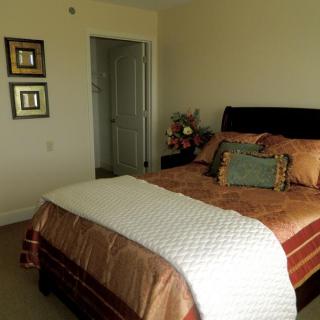
  • pro The environment is quiet, clean, and well-kept, with tidy rooms and comfortable bathrooms.
  • pro Kim is described as wonderful, attentive, and caring.
  • pro The dining area is spotless, the grounds are well-kept, and there is a secure back patio.
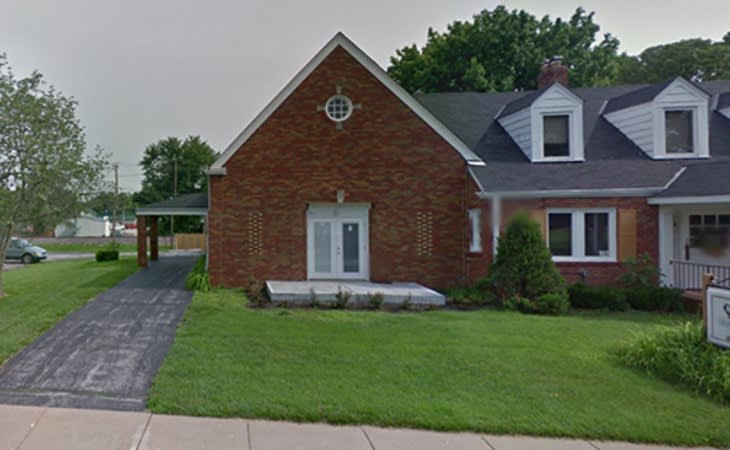
  • pro It is considered quaint and homey, not hospital-like.
  • pro Christine and the owners Greg and Sam are highlighted as wonderful and considerate.
  • pro The food is said to taste homemade and residents are generally satisfied, with good value pricing.

Cons

  • pro The reviewer had a very bad tour experience because the scheduled representative didn't show up.
  • pro The facility was in poor condition; the rooms were not well laid out, not well kept, and not welcoming.
  • pro It would not be a place to leave a loved one due to its dirty, smelly, and depressing atmosphere.
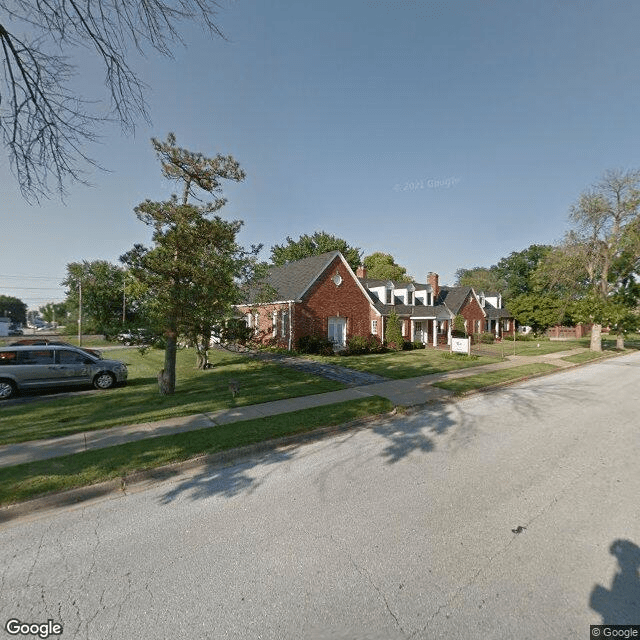
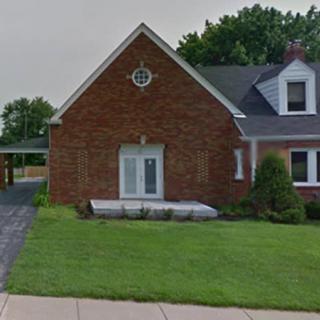
  • pro The building looked old, dark, and dated, with decor that felt outdated and unclean.
  • pro The facility did not accommodate wheelchair residents, limiting accessibility.
  • pro The smell and overall cleanliness were unacceptable; at times it was described as extremely dirty.
  • pro It reminded observers of an old funeral home, which made it feel uninviting as an assisted living option.

Review

Village Center Care of Wentzville is best suited for families seeking a small, intimate assisted-living option where residents receive hands-on attention in a homelike setting. This community shines for those who want a quieter, less institutional atmosphere, where a compact footprint enables more predictable staffing and personal interactions. Reviewers repeatedly point to the appeal of a homey environment, with a few shared rooms, a dedicated caregiving presence, long-tenured staff, and practical amenities like a fenced back patio and easy access to nearby shops and dining. For families in or near Wentzville prioritizing individual attention, a calm pace, and direct caregiver contact, this is a compelling fit.

There are clear reasons to consider alternatives. Several reviews depict a facility that feels old and dated, with lighting that is uneven and spaces that can seem cramped or dark. Some tours reported odors or cleanliness concerns, while others described rooms that were small or awkwardly laid out. Accessibility gaps also show up in the feedback: not all units are wheelchair-friendly, and memory-care considerations are occasionally raised by prospective residents evaluating safety around open outdoor spaces. The presence of a smoking deck with limited fencing and occasional exterior noise (near a railroad) can be a concern for families prioritizing a highly controlled, modern environment or a dementia-focused setting. These signals suggest alternatives if modern d?cor, universal accessibility, or robust, dementia-specific programming are paramount.

The strongest pros here tend to offset several of the main drawbacks when the fit is right. A defining strength is the level of personal care in a true small-community frame. Families report attentive, caring staff, often with long tenures, who know residents well and respond to individual routines - sometimes with homemade-style meals and a focus on meaningful daily activities. The smaller scale also translates into less overwhelm for residents and more opportunities for one-on-one time, including regular outings and simple, homelike routines. Clean grounds, visible upkeep, and a welcoming, homey dining area are frequently cited as pluses, as is the sense that staff will go the extra mile to honor preferences and help with personal items like manicures or favorite meals. When the environment aligns with a family member's comfort with a modest, non-sterile setting, these strengths become decisive.

Yet the cons cannot be dismissed. The most persistent red flags relate to the building's age and condition - outdated d?cor, variable lighting, and occasional impressions of wear that some visitors associate with a funeral-home vibe. Stories vary widely: some tours and family testimonials describe a bright, well-kept space with a "homey" feel, while others recount a dim, crowded interior and smells that undermine confidence in cleanliness. The physical layout - small or shared rooms, limited private bathrooms, and no consistent barrier on outdoor access - can complicate care for residents needing more mobility support or stricter safety measures. These inconsistencies matter when the decision hinges on long-term comfort, safety, and the ability to accommodate evolving care needs.

For families evaluating this community, a practical decision framework helps separate fit from fads. Prioritize visiting at different times to gauge consistency in cleanliness, staffing responsiveness, and resident engagement. Confirm the available room configurations, including bathroom access and whether private spaces exist, and probe current updates or renovations underway to understand timelines and impact on daily life. Inquire about staffing ratios and nurse coverage, check references from other families, and assess whether the care philosophy emphasizes autonomy, routine, and social interaction. Finally, compare pricing carefully - some residents' families cite affordable monthly rates relative to area options - while ensuring what is included and what would require additional charges.

Ultimately, Village Center Care of Wentzville delivers a distinctive value for a subset of families. When the priority is a warm, small-scale, home-like setting with attentive staff and meaningful daily activities, the positives often outweigh the negatives, and residents tend to form strong, comfortable routines. For those who demand modern d?cor, broad accessibility for wheelchair users, advanced dementia-specific programming, or a pristine, institutional-grade facility, alternatives deserve serious attention. The decision hinges on the balance between intimate, personalized care and the hoped-for standard of facilities and safety; if the former dominates, this community can be a very good match.

Features

Housing

  • 22 resident community capacity 22 resident community capacity

Types of Care

  • Assisted Living Assisted LivingAssisted living facilities provide crucial support and care for seniors who may need help with daily tasks such as medication management, bathing, and meal preparation. These communities offer a safe and comfortable environment where seniors can maintain their independence while receiving the assistance they need to thrive in their golden years.
  • Independent Living Independent LivingIndependent living communities are important for seniors because they offer a safe and supportive environment where older adults can live independently while still having access to amenities and services that enhance their quality of life. These communities provide social opportunities, recreational activities, and assistance with daily tasks, promoting overall well-being and allowing seniors to maintain their independence for as long as possible.
  • Memory Care Memory CareMemory care is crucial for seniors as it provides specialized support and services for individuals with dementia or Alzheimer's disease. These programs offer a safe and secure environment where residents receive personalized care, cognitive stimulation, and help with daily activities. Memory care helps seniors maintain their independence, quality of life, and dignity while also providing peace of mind for their families.

Amenities

  • Activities on-site Activities on-siteActivities on-site are important for seniors because they provide opportunities for socialization, mental stimulation, physical activity, and overall well-being. Engaging in activities can help seniors stay active, maintain their independence, and improve their quality of life.
  • Beauty salon Beauty salonBeauty salons are important for seniors because they provide a space for them to feel pampered, socialize, and maintain their personal grooming and hygiene. Regular visits to a beauty salon can help boost seniors' self-esteem and overall well-being.
  • Cable or satellite TV Cable or satellite TVCable or satellite TV is important for seniors because it provides entertainment, news, and companionship, helping to combat loneliness and boredom. It also offers a wide range of programming options tailored to different interests and preferences.
  • Devotional services off-site Devotional services off-siteDevotional services off-site are important for seniors as they provide spiritual nourishment, social engagement, and a sense of community outside of the senior living facility. This can enhance overall well-being and help combat feelings of isolation and loneliness often experienced by older adults.
  • Dining room Dining roomDining rooms are important for seniors as they provide a space for socialization, connection, and nutritious meals. They offer opportunities for residents to bond over shared meals, foster a sense of community, and promote healthy eating habits. Dining rooms also ensure that seniors have access to well-balanced meals tailored to their dietary needs and preferences.
  • Fully furnished Fully furnishedFully furnished senior living communities are important for seniors because they provide convenience, comfort, and a hassle-free moving experience. Seniors can easily settle into their new living space without the stress of having to buy and move furniture. This allows them to focus on enjoying their new home and community.
  • Garden GardenGardens are important for seniors as they provide a peaceful and therapeutic environment for relaxation, physical activity, and socialization. Being in nature has been shown to reduce stress, improve mood, and promote overall well-being. Gardens also offer opportunities for seniors to engage in gardening activities, which can improve mobility, flexibility, and cognitive function. Additionally, gardens create a sense of community and connection with others who share a passion for plants and outdoor spaces.
  • Housekeeping services Housekeeping servicesHousekeeping services are important for seniors because they help maintain a clean and safe living environment, promote independence, and reduce the risk of accidents or illnesses. Additionally, having assistance with household chores can alleviate physical strain and allow seniors to focus on other aspects of their well-being.
  • Indoor common areas Indoor common areasIndoor common areas are crucial for seniors as they provide a space for socialization, recreation, and community engagement, promoting overall well-being and reducing feelings of isolation and loneliness.
  • Kitchenette KitchenetteKitchenettes are important for seniors living in senior living communities because they provide the convenience and independence of being able to prepare simple meals and snacks in the comfort of their own living space. This can help promote a sense of autonomy and well-being for seniors, allowing them to maintain some level of control over their dietary choices and daily routines.
  • Move-in coordination Move-in coordinationMove-in coordination is important for seniors because it helps ease the transition into their new living environment. It ensures that all logistics, such as packing, organizing movers, and setting up utilities are taken care of, allowing seniors to focus on settling in and adjusting to their new home. Having a smooth move-in process can alleviate stress and anxiety, making the transition smoother and more enjoyable for seniors.
  • Outdoor space Outdoor spaceOutdoor spaces are important for seniors as they provide opportunities for physical activity, social interaction, exposure to natural light and fresh air, and a sense of connection to nature. Having access to outdoor spaces can improve overall well-being and quality of life for older adults living in senior communities.
  • Restaurant-style dining Restaurant-style diningRestaurant-style dining is important for seniors because it allows them to enjoy delicious, nutritious meals in a social and upscale setting. This enhances their dining experience, promotes healthy eating habits, and fosters socialization with fellow residents, ultimately contributing to their overall well-being and quality of life.
  • Small library Small librarySmall libraries are important for seniors as they provide access to a variety of reading materials, including books, newspapers, and magazines. This can help stimulate their minds, keep them engaged, and provide a sense of community through book clubs and other social activities. Additionally, reading has been shown to improve cognitive function and overall mental well-being in older adults.
  • Telephone TelephoneTelephones are important for seniors as they provide a lifeline for communication with loved ones, emergency services, and healthcare providers. They offer a sense of security and independence, enabling seniors to stay connected and access assistance when needed.
  • Wi-Fi/high-speed internet available Wi-Fi/high-speed internet availableWi-Fi/high-speed internet is important for seniors to stay connected with loved ones, access online resources, and participate in virtual activities to combat feelings of loneliness and isolation. It also allows them to easily manage healthcare needs, access entertainment, and engage in lifelong learning opportunities.

Care Services

  • 24-hour call system 24-hour call system24-hour call systems are important for seniors because they provide peace of mind and immediate assistance in case of emergencies. This technology ensures that help is always available, promoting safety and security for elderly individuals living alone or in assisted living facilities.
  • 24-hour supervision 24-hour supervision24-hour supervision is important for seniors to ensure their safety, well-being, and access to immediate assistance in case of emergencies or health issues. This constant support provides peace of mind for both seniors and their loved ones, allowing them to age in place with dignity and security.
  • Activities of daily living assistance Activities of daily living assistanceActivities of daily living assistance are important for seniors because they provide essential support with tasks such as eating, bathing, dressing, and mobility. This assistance helps seniors maintain their independence, dignity, and overall quality of life as they age.
  • Ambulatory care Ambulatory care"Ambulatory care services provide essential medical support and treatment to seniors without requiring hospitalization, allowing them to maintain their independence and quality of life while managing chronic conditions or receiving routine medical care."
  • Assistance with bathing Assistance with bathingAssistance with bathing is crucial for seniors as it helps maintain personal hygiene, prevents infections, and ensures their overall well-being and comfort. It also provides a sense of dignity and independence for seniors who may struggle with this task on their own.
  • Assistance with dressing Assistance with dressingAssistance with dressing is important for seniors because it helps maintain their independence, promotes personal hygiene, prevents accidents and injuries, and improves overall quality of life. This service ensures that seniors can continue to dress comfortably and confidently, despite any physical limitations they may have.
  • Assistance with transfers Assistance with transfersAssistance with transfers is crucial for seniors as it helps prevent falls and injuries, maintains their independence, and ensures they can safely navigate their living environment. It also provides peace of mind for both seniors and their loved ones.
  • Diabetes diet Diabetes dietA diabetes diet is crucial for seniors as it helps manage blood sugar levels, reduce risks of complications, and improve overall health and well-being. By following a balanced and nutritious diet tailored to their specific needs, seniors can better control their diabetes and enhance their quality of life.
  • Diabetic care Diabetic careDiabetic care is crucial for seniors as they are more susceptible to developing diabetes due to aging and other health conditions. Proper management of diabetes can help prevent complications such as heart disease, vision loss, and nerve damage, improving the overall quality of life for seniors in senior living communities.
  • Incontinence care Incontinence careIncontinence care is essential for seniors to maintain their dignity, hygiene, and overall quality of life. By addressing incontinence issues promptly and effectively, seniors can enjoy a sense of independence and comfort in their daily activities.
  • Meal preparation and service Meal preparation and serviceMeal preparation and service are crucial for seniors as they may have limited mobility or energy to cook nutritious meals. Having access to healthy and convenient food options can ensure they are getting the proper nutrition needed to maintain their overall health and well-being.
  • Medication management Medication managementMedication management is crucial for seniors to ensure they are taking the right medications at the correct dosages and times. This helps prevent adverse drug interactions, reduces the risk of medication errors, and promotes overall health and well-being. Proactive management also allows for adjustments as needed based on changing health conditions or new prescriptions.
  • Mental wellness program Mental wellness programMental wellness programs are essential for seniors as they promote cognitive stimulation, emotional support, and social engagement. These programs help prevent isolation, depression, and cognitive decline, ultimately enhancing the overall quality of life for older adults.
  • Special dietary restrictions Special dietary restrictionsSpecial dietary restrictions are important for seniors because age-related changes in metabolism and health conditions can make it difficult for their bodies to process certain foods. By following a diet tailored to their specific needs, seniors can maintain their overall health and well-being, manage chronic conditions, and reduce the risk of complications such as malnutrition or food interactions with medications.

Dining

  • Diabetes diet Diabetes dietA diabetes diet is crucial for seniors as it helps manage blood sugar levels, reduce risks of complications, and improve overall health and well-being. By following a balanced and nutritious diet tailored to their specific needs, seniors can better control their diabetes and enhance their quality of life.
  • Meals provided Meals provided"Meals provided" are crucial for seniors in assisted living communities as it ensures they have access to nutritious, balanced meals without the stress of meal planning and preparation. This can help promote overall health and well-being for seniors who may have limited mobility or cognitive abilities.
  • Special dietary restrictions Special dietary restrictionsSpecial dietary restrictions are important for seniors because age-related changes in metabolism and health conditions can make it difficult for their bodies to process certain foods. By following a diet tailored to their specific needs, seniors can maintain their overall health and well-being, manage chronic conditions, and reduce the risk of complications such as malnutrition or food interactions with medications.

Activities

  • Activities on-site Activities on-siteActivities on-site are important for seniors because they provide opportunities for socialization, mental stimulation, physical activity, and overall well-being. Engaging in activities can help seniors stay active, maintain their independence, and improve their quality of life.
  • Community-sponsored activities Community-sponsored activitiesCommunity-sponsored activities are important for seniors as they provide opportunities for social interaction, mental stimulation, and physical activity. These activities can help improve overall well-being, combat loneliness and isolation, and promote a sense of belonging and purpose among older adults.
  • Devotional activities offsite Devotional activities offsiteDevotional activities offsite are important for seniors because they provide social engagement, spiritual growth, and a sense of community outside of their living environment. This can improve overall well-being, mental health, and combat feelings of isolation or loneliness.
  • Resident-run activities Resident-run activitiesResident-run activities are important for seniors as they encourage social interaction, creativity, and a sense of autonomy. These activities empower seniors to stay engaged and active in their community while fostering meaningful connections with their peers.
  • Scheduled daily activities Scheduled daily activitiesScheduled daily activities are important for seniors because they provide structure, socialization, mental stimulation, and physical activity. Engaging in regular activities can improve overall well-being and quality of life for seniors living in a community setting.

Languages Spoken

  • English EnglishEnglish is important for seniors as it allows them to communicate effectively with healthcare providers, understand important information related to their health and medications, stay connected with loved ones, and engage in social activities within their communities. It also opens up opportunities for lifelong learning and intellectual stimulation.

Description

Village Center Care of Wentzville is a warm and inviting assisted living community located in the charming town of Wentzville, MO. Our community offers a range of care options including Independent Living and Memory Care, ensuring that residents have the support they need to live fulfilling and comfortable lives.

At Village Center Care, we understand the importance of facilitating a sense of spirituality and connection for our residents. That's why we offer devotional services off-site as part of our amenities. Residents can engage in meaningful activities that nourish their souls and provide them with a sense of purpose.

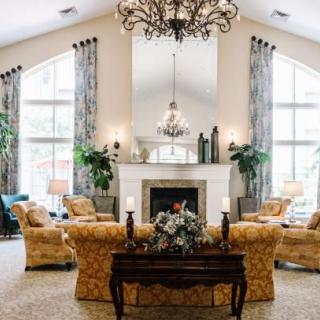
Our indoor common areas are thoughtfully designed to provide opportunities for socialization and relaxation. Whether it's catching up with friends over a cup of coffee or enjoying a quiet moment with a book, our residents can choose how they want to spend their time.

We place great emphasis on providing comprehensive care services tailored to meet the unique needs of each resident. Our trained staff is skilled in diabetic care, incontinence care, and medication management. Families can have peace of mind knowing that their loved ones are receiving excellent medical support.

Residents at Village Center Care also have plenty to explore in the surrounding area. With 3 cafes, 3 parks, 13 pharmacies, 14 physicians, 27 restaurants, 1 transportation service, 2 places of worship, and 1 hospital nearby, there are countless options for entertainment and convenience.

At Village Center Care of Wentzville, we strive to create an environment where residents feel valued and well taken care of. With our range of care options, extensive amenities, personalized services, and vibrant surroundings, we offer a comfortable and enriching lifestyle for all our residents.

Nearby Places of Interest

This area of Wentzville, Missouri offers a variety of amenities that cater to both recreational and practical needs. With several restaurants within a short distance, such as Los Portales and Stefanina's Italian Restaurant, residents can enjoy convenient dining options. Additionally, there are multiple parks nearby, providing opportunities for outdoor activities and relaxation. For healthcare needs, pharmacies like Walgreens and physicians' offices like Heartland Internal Medicine are easily accessible. In terms of transportation, Enterprise Rent-A-Car is available for convenience. Places of worship such as Celebrate Recovery at The Crossings Church offer spiritual support for those interested. Overall, this area provides a well-rounded living environment with a range of services to support senior living needs in Wentzville.

Restaurants

  • Los Portales (0.8 miles)
  • Rookie's Bar & Grill (0.9 miles)
  • Brett Hull's Junction House (0.9 miles)
  • Playtime Party Center (1 miles)
  • Stefanina's Italian Restaurant (1 miles)
  • McDonald's (1.1 miles)
  • Lion's Choice (1.2 miles)

Parks

  • Heartland Park (1 miles)
  • Berry Park (3.6 miles)
  • Rotary Park (3.9 miles)
  • Towne Park (5.3 miles)
  • O’Day Park (6 miles)
  • Indian Camp Creek Park (6.6 miles)

Pharmacies

  • Walgreens (1.2 miles)
  • Schnucks (1.6 miles)
  • Walgreens (1.7 miles)
  • Dierbergs (1.7 miles)
  • CVS Pharmacy (1.9 miles)
  • CVS Wentzville Parkway (1.9 miles)
  • Walgreens (2.9 miles)

Physicians

  • Heartland Internal Medicine (1.2 miles)
  • Midwest Eye Associates - Wentzville (1.3 miles)
  • Excel Sports Therapy (1.7 miles)
  • Clarkson Eyecare (1.7 miles)
  • Oral & Maxillo-Facial Surgery at the Crossing (2 miles)
  • SSM Health Medical Group (2 miles)
  • Dunn Jennifer Drnorthwest Pediatrics Wentzville (2.2 miles)

Cafes

  • Panera Bread (1.7 miles)
  • Starbucks (1.8 miles)
  • Starbucks (2 miles)

Transportation

  • Enterprise Rent-A-Car (2 miles)
  • Fabick Cat - Foristell (6 miles)

Places of Worship

  • Celebrate Recovery at The Crossings Church (2.1 miles)
  • Chapel of the Lake (3.2 miles)
  • Newlife Baptist Church and Ministries (6 miles)
  • Southern Baptist Convention (6.4 miles)
  • Calvary Church (6.5 miles)
  • Strong Tower Ranch (7.4 miles)

Hospitals

  • Cardinal Glennon Children's Medical Center (3.9 miles)

Theaters

  • Marcus Theatres (5.4 miles)

Frequently Asked Questions

How much does it cost to live at Village Center Care of Wentzville in Wentzville, MO?
Where is Village Center Care of Wentzville?
Does Village Center Care of Wentzville provide care for residents with dementia or Alzheimer's disease?

Nearby Communities

  • Parklane Care Center

    Parklane Care Center

    Wentzville, MO

    3 from 46 reviews
    $4,500 / month

    pro Compassionate, skilled staff and consistently good meals.

  • Parklane Care And Rehabilitation Center

    Parklane Care And Rehabilitation Center

    Wentzville, MO


    pro Extensive amenities and comprehensive care services.

  • Bristol Manor of Wentzville

    Bristol Manor of Wentzville

    Wentzville, MO

    3.9 from 12 reviews
    $2,200 / month

    pro Clean, small, homey setting with friendly staff and a convenient location.

  • The Boulevard Senior Living of Wentzville

    The Boulevard Senior Living of Wentzville

    Wentzville, MO

    4.5 from 95 reviews
    $2,550 to $4,230 / month

    pro Friendly, attentive staff; restaurant-style dining; clean, well-maintained environment with engaging activities.

  • Twin Oaks at Stone Ridge

    Twin Oaks at Stone Ridge

    Wentzville, MO 63385, MO

    4.6 from 19 reviews
     

  • Twin Oaks At Heritage Pointe

    Twin Oaks At Heritage Pointe

    Wentzville, MO

    4.8 from 49 reviews
    $2,700 to $4,500 / month

    pro Warm, family-run staff with personalized care.

  • The Boulevard Senior Living Of Wentzville

    The Boulevard Senior Living Of Wentzville

    Wentzville, MO

    4.4 from 67 reviews
     

    pro Clean, modern facilities with engaging activities and friendly staff.

  • Caregivers Inn

    Caregivers Inn

    Ofallon, MO

    4 from 34 reviews
    $3,000 to $3,450 / month

    pro Small, homey setting with attentive staff and a family-like care approach.

  • Park Place at Winghaven

    Park Place at Winghaven

    O' Fallon, MO

    4.2 from 150 reviews
    $3,695 to $6,600 / month

    pro Friendly, attentive staff with spacious, well-maintained apartments and engaging amenities.

Related Resources

  • assisted living vs memory careAssisted Living and Memory Care: Understanding Their Core Differences

    Assisted living provides moderate support for seniors seeking independence, while memory care offers specialized support for individuals with dementia or cognitive impairments through structured routines and trained staff. Key differences include care approaches, environment security measures, staff training levels, activity types, and cost considerations.

  • assisted living vs nursing homeChoosing the Right Senior Care: A Detailed Exploration of Assisted Living and Nursing Homes

    Choosing between assisted living and nursing homes involves evaluating emotional and financial factors, with assisted living offering independence and support for daily activities at a lower cost, while nursing homes provide intensive medical care for individuals with significant health needs. The decision is influenced by personal preferences, health status, cognitive function, and varying Medicaid coverage across states.

  • how to prevent memory loss in old ageSafeguarding Your Memory Through the Golden Years: Eight Ways to Preserve Cognitive Health
    The article presents eight strategies for preserving cognitive health and memory in older adults, emphasizing a nutrient-rich diet, regular exercise, intellectually stimulating activities, adequate sleep, social connections, stress management techniques, limiting harmful substances, and regular medical checkups to mitigate age-related memory decline.