
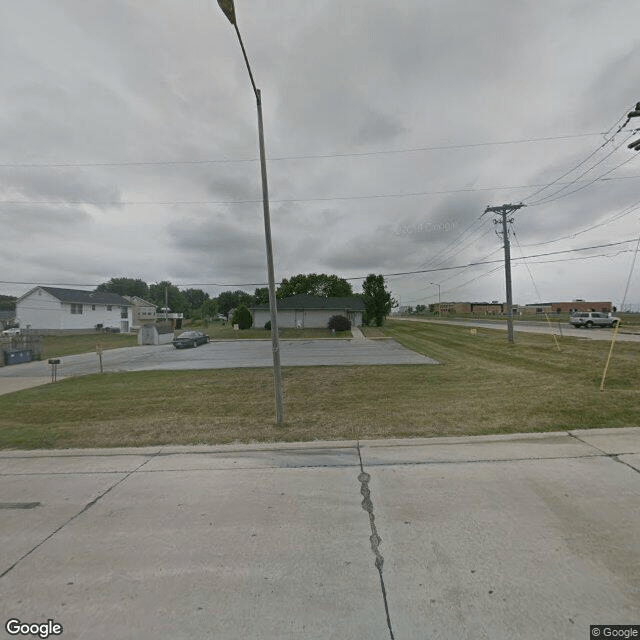
840 W Northview Avenue, Wentzville, MO 63385
To contact a resident: (636) 639-6777
For more information about senior living options: (866) 208-4318
Bristol Manor of Wentzville Costs & Pricing
Bristol Manor of Wentzville offers a competitively priced studio option at $2,200 per month, making it an appealing choice for individuals seeking affordable senior living solutions. In comparison to the average costs within St. Charles County, which are significantly higher at $4,151, Bristol Manor provides substantial savings. Additionally, when we look at the broader scope of Missouri's average studio rates at $3,418, it's clear that Bristol Manor positions itself as an economical alternative while maintaining quality care and comfort for its residents. This commitment to affordability without compromising on service sets Bristol Manor apart in the local landscape of senior housing options.
| Floor plans | Bristol Manor of Wentzville | St. Charles County | Missouri |
|---|---|---|---|
| Studio | $2,200 | $4,151 | $3,418 |
Assisted Living communities with a similar price nearby
-
from +$245 / mo
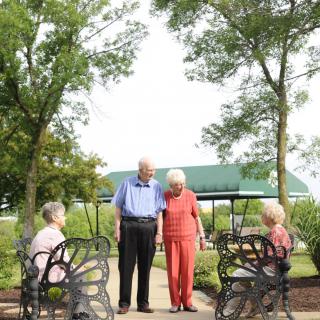
Lake St. Charles Retirement Community
$2,445 to $3,530 / month18.9 miles away -
from +$400 / mo
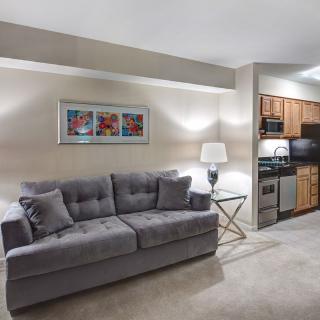
Chesterfield Villas
$2,600 to $4,900 / month20.6 miles away -
About the same
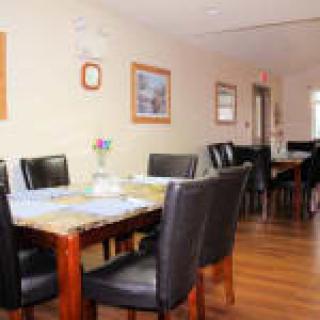
Bristol Manor of Washington
$2,200 to $3,200 / month20.0 miles away -
from +$350 / mo
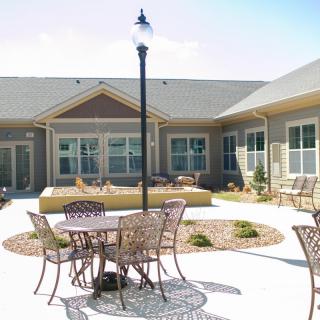
The Boulevard Senior Living of Wentzville
$2,550 to $4,230 / month1.2 miles away -
from +$91 / mo

Lutheran Senior Services At Breeze Park
$2,291 to $3,930 / month13.0 miles away
Overall Review of Bristol Manor of Wentzville
Pros
 The facility is very clean and the staff are friendly.
- It is close to family with plenty of shopping and dining nearby.
- The staff are friendly and work with families on medications, keeping them informed about meals.
- Residents are friendly and sociable.
- The setting feels homey and its small size is appreciated.
- Suzie, the on-site manager, is sweet and attentive, and medications are administered reliably.
- Private rooms and private bathrooms are provided for each resident.
- The on-site manager is enthusiastic and working to create more activities and services for residents.
Cons
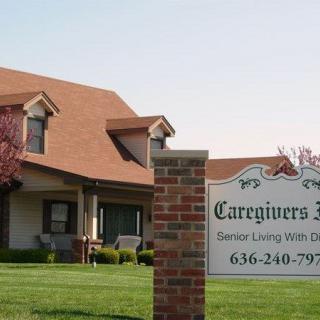
 The facility looks like a house that was turned into a senior care facility, with very small common areas.
 - There is no internet, no Wi-Fi, and no telephones in the rooms.
- The place is described as terrible, with poor communication and a lack of ethics.
- There is high staff turnover and constant rotation of employees, leading to unstable coverage.
- Seniors are frequently receiving the wrong medications.
- Staff members drop food on the floor and put it back on their plates.
- Some employees are reportedly drunk and passed out in their rooms until late morning, delaying breakfast and medication.
- Rooms are not adequately cleaned and activities are non-existent; most staff are described as horrible.
Review
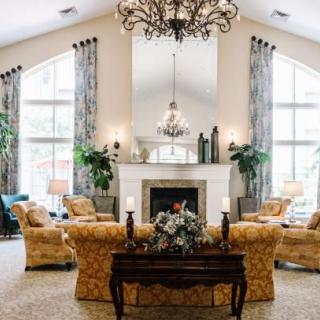
Bristol Manor of Wentzville is best suited for families seeking a small, homey senior community where residents are known by name and daily life centers on comfortable, intimate gathering spaces. The setting emphasizes a house-like atmosphere with private rooms and private baths, and it remains centered in a neighborhood with convenient access to shops and dining. For families that value proximity to relatives and a facility that feels less like a hospital and more like a welcoming residence, this community delivers a reassuring sense of familiarity. It works particularly well for residents who want meals shared with others, light social interaction, and a place where staff administer medications on-site to provide peace of mind.
But several caveats deserve careful consideration. Alternatives should be on the radar for families whose loved ones require stronger dementia care, intensive daily activities, or highly predictable staffing and governance. Notable red flags in the reported experiences include frequent leadership turnover, inconsistent communication with families and corporate offices, and at least one account of medication-management lapses. Families should weigh these concerns against the positive, more intimate aspects of the setting. If a resident’s needs exceed what a small, homey layout can reliably support, other options with larger teams and more structured programs merit comparison.
The strongest positives center on the personal, community-oriented environment. Residents benefit from a clean, quiet, and approachable atmosphere, with private rooms that permit privacy when desired. The staff, when present, are described as friendly and receptive, and some families report meaningful engagement through activities and casual social interaction , including ongoing efforts from the on-site manager to broaden programming and partnerships with local schools. Medication administration is a clear strength for many residents, delivering predictable routines that reduce anxiety for families who cannot be present at every meal or dosing window. These elements can translate into tangible peace of mind for families who prioritize emotional well-being and consistent human contact.
Yet the downsides cannot be ignored. The same small footprint that fosters warmth also limits staffing capacity and program breadth, leading to sporadic or insufficient daily activities and, in some cases, noticeable gaps in routine care. Reports of care gaps, erratic housekeeping, and gaps in communication with families suggest that expectations around reliability and governance may outpace what the current team consistently delivers. The absence of in-room internet, no Wi-Fi, and no in-room telephones are practical drawbacks for residents and families who rely on digital connectivity for coordination and social engagement. These realities mean this community is less suitable for residents who value robust programming, tech-enabled communication, or dementia-specific staffing models.
When evaluating a move, prospective families should verify several critical details during a tour or meeting. Ask to review the current activity calendar and staffing schedule, and request recent incident reports or quality-control notes to understand how issues are addressed. Inquire about dementia-care capabilities, staff training, and the typical nurse or aide-to-resident ratio on different shifts. Confirm whether private rooms remain consistently available, and explore how medication management is tracked and audited. Clarify whether in-room connectivity amenities exist or are planned, and assess the cleanliness standards for common areas and resident rooms. Speak with current residents and families about responsiveness, and observe how new admissions are introduced to routines and meals.
The practical decision comes into sharper focus: Bristol Manor of Wentzville thrives as a close-knit, comforting home for residents who prioritize a calm, social atmosphere in a small setting and who can tolerate the potential variability that accompanies limited staffing and activity programming. It is a compelling option for families seeking proximity to family, shared meals, and on-site medication oversight, where the overall burden of care rests in a more intimate footprint. For those whose loved one needs intensive dementia support, rigorous daily activities, or uninterrupted governance and digital conveniences, alternatives with deeper memory-care capabilities, higher staffing levels, and more robust technology will likely serve better. A careful, guided visit to compare several options remains the prudent next step.
 12 resident community capacity
 Assisted Living
 Board and Care Home
 Day Program
 Independent Living
 Cats allowed
 Dogs allowed
 Air-conditioning
 Cable or satellite TV
 Devotional services off-site
 Dining room
 Fully furnished
 Garden
 Ground floor units
 Housekeeping services
 Indoor common areas
 Move-in coordination
 Outdoor common areas
 Respite or short term stays offered
 Telephone
 Wi-Fi/high-speed internet available
 24-hour supervision
 Ambulatory care
 Assistance with bathing
 Assistance with dressing
 Assistance with transfers
 Diabetes diet
 Meal preparation and service
 Medication management
 Special dietary restrictions
 Transportation arrangement (medical)
 Transportation to doctors appointments
 BBQs or picnics
 Birthday parties
 Stretching classes

 Social Security Benefits and Assisted Living: Navigating Options Across the U.S.
 An Extensive Exploration of the VA Aid and Attendance Benefit
 Senior Transition Services: Understanding Their Role, Cost, and Importance