
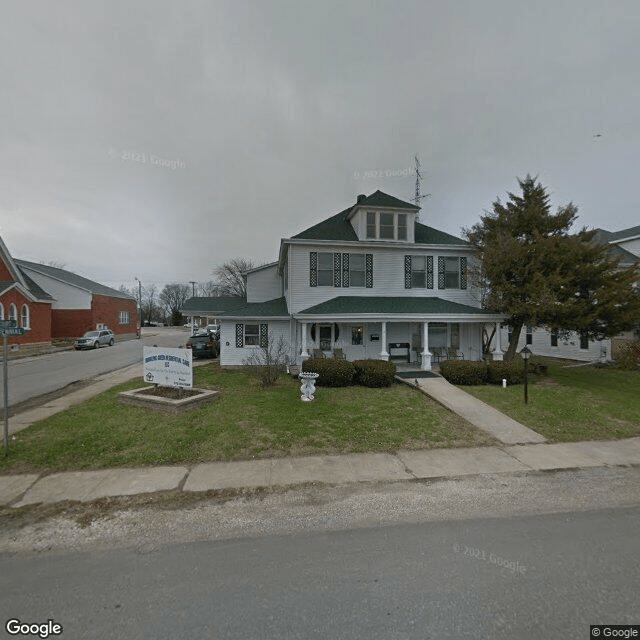
119 West Centennial, Bowling Green, MO 63334
For more information about senior living options: (866) 208-4318
Bowling Green Residential Care Costs & Pricing
Bowling Green Residential Care offers competitive pricing for its accommodations compared to the broader market in Pike County and the state of Missouri. The monthly cost for a studio unit at Bowling Green is $3,195, which is notably higher than the county average of $2,573 but slightly below the state average of $3,418. For one-bedroom units, Bowling Green's rate of $3,315 aligns closely with the county's average ($3,133) while remaining lower than Missouri's average ($3,349). However, when it comes to two-bedroom units, Bowling Green stands at $4,805 - matching Pike County prices but significantly exceeding Missouri's average of $3,675. Overall, Bowling Green Residential Care positions itself strategically within the local market, offering residents a range of options that reflect both quality care and community standards.
| Floor plans | Bowling Green Residential Care | Pike County | Missouri |
|---|---|---|---|
| Studio | $3,195 | $2,573 | $3,418 |
| 1 Bedroom | $3,315 | $3,133 | $3,349 |
| 2 Bedrooms | $4,805 | $4,805 | $3,675 |
Overall Review of Bowling Green Residential Care
Pros
 Residents describe a close-knit family atmosphere where everyone treats each other with respect and dignity.
- The facility has great amenities and amazing staff.
- It is a very nice, home-like place where workers are respectful to residents and visitors, making families happy to place their loved ones there.
- The staff are welcoming and empathetic; the facility is well kept and clean, and residents look happy.
- A resident notes it is better than other RCFs, and other residents say they like it there as well.
- The food is good and residents can maintain their independence while being supervised.
Review
Bowling Green Residential Care is best suited for seniors who want a warm, home-like setting where caregivers build real, daily rapport with residents. This community shines for families that prize dignity, gentle supervision, and a close-knit atmosphere over a clinical, impersonal vibe. It serves well those who want to maintain independence while receiving reliable help with daily tasks. The emphasis on respectful interaction, a calm environment, and consistent staff presence creates a space where residents feel cared for as neighbors rather than patients. For families seeking a setting that feels like a gracious, small-town home, this facility is a strong fit.
Those with higher medical needs or who require a formal memory-care program or hospital-grade clinical oversight should consider alternatives. This is an assisted living option that emphasizes daily living support and companionship rather than acute medical services or specialized dementia care. If a resident requires around-the-clock skilled nursing, intensive wound care, or a secured, memory-focused environment, other facilities designed around those capabilities will likely serve better. For such cases, the warmth of the staff may still be a comfort, but the fit will not be optimal.
The strongest pros are consistently evident in the experiences shared by families and residents. Staff are described as welcoming and empathetic, making both residents and visitors feel at ease from the first contact. The facility itself reads as well kept and clean, with a homey, non-institutional ambiance that supports social connection. Residents look happy, and multiple accounts highlight favorable meals and the ability to maintain independence alongside supervision. The combination of respectful treatment, cleanliness, good food, and a sense of community translates into tangible quality-of-life benefits that families often notice quickly.
There is a quiet acknowledgment that the most apparent cons are not heavily documented in the public feedback, suggesting a uniformly positive experience with few deal-breakers. The modest caveat is the potential mismatch for those whose needs extend into higher-acuity medical care or highly specialized memory-care programming. In practice, the strong positives, gentle, attentive staff; a dignified, home-like setting; reliable routine; and residents’ evident happiness, tend to offset these considerations for families prioritizing daily comfort, companionship, and straightforward supervision. Where medical complexity is not extreme, the scale tips toward opting in rather than seeking a larger, more clinical campus.
Practical decision guidance centers on alignment of needs and expectations. Prospective families should verify specifics about daily routines, medication management, and the level of supervision provided, plus the activity calendar and how residents stay engaged. Asking about transportation, visiting policies, and opportunities for family participation helps confirm the community’s fit. If a loved one values proximity to kin, a familiar neighborhood feel, and steady, compassionate staff, Bowling Green Residential Care delivers perceptible value. If, however, the priority is robust clinical oversight, memory-care specialization, or highly intensive medical services, it is prudent to explore alternatives before deciding.
Bottom line: Bowling Green Residential Care serves as an excellent option for seniors who prize a warm, small-community atmosphere, attentive and respectful staff, and the ability to maintain a degree of independence within a supervised setting. Its strengths, clear upkeep, solid meals, genuine happiness among residents, and a welcoming culture, produce meaningful daily quality-of-life benefits. For those with higher needs for medical acuity or memory-care-specific support, alternative communities with deeper clinical resources will be a better match. For many families, this is a practical, trustworthy transition that honors dignity, comfort, and personal connections.
 24 resident community capacity
 Assisted Living
 Independent Living
 Activities on-site
 Beauty salon
 Cable or satellite TV
 Devotional services off-site
 Dining room
 Fully furnished
 Garden
 Housekeeping services
 Indoor common areas
 Kitchenette
 Move-in coordination
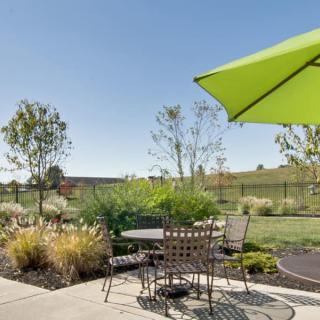
 Outdoor space
 Restaurant-style dining
 Small library
 Telephone
 Wi-Fi/high-speed internet available
 24-hour call system
 Ambulatory care
 Assistance with bathing
 Assistance with dressing
 Assistance with transfers
 Diabetes diet
 Diabetic care
 Medication management
 Mental wellness program
 Special dietary restrictions



 Understanding the True Cost of Assisted Living in 2025: A Comprehensive Guide
 Understanding Medicaid Coverage for Assisted Living: A Comprehensive Guide
 How and When Medicaid May Cover Assisted Living Costs