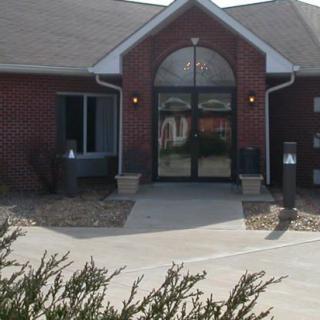
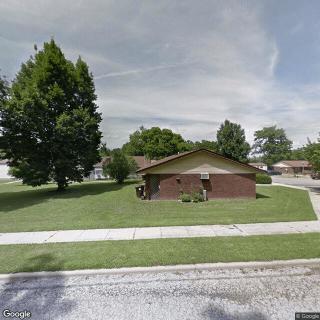
1313 Pratt Street, Barry, IL 62312
For more information about senior living options: (866) 208-4318
Overall Review of Barry Community Care Center
Pros
 Everyone there is kind and compassionate during hospice care.
- They went above and beyond for her and for all of the family in their time of grief.
- Barry Nursing Home treated mom wonderfully; the staff were extremely caring.
- Barry Community Care Center does a great job and the staff are extremely caring.
- The therapy team at BCC is pleasant and caring; they listen to patients and take pride in what they serve.
- They would recommend BCCC to others seeking this type of facility.
Cons
 The reviewer claimed it was the last place you’d want a loved one to go, alleging the facility cares more about money than patient care.
- The reviewer described the staff as having a mob mentality in a toxic environment and alleged they sent untrue reports to the administrator.
- A safety lapse was cited: a grandmother fell out of bed and was not checked for six hours.
- One reviewer would give zero stars and described the experience as absolutely horrible, noting a toxic environment and untruthful reports to the administrator.
Review
Barry Community Care Center is best suited for families with a loved one who needs rehab-focused therapy and hospice-adjacent support delivered with straightforward, compassionate care. The facility earns credibility from accounts of kind nursing, attentive aides, and staff who make the patient feel seen. It is a place where therapy, practical daily care, and personal attention are treated as core offerings, with meals and routines reflecting staff pride. This setting works for seniors who respond to a hands-on, homelike approach and can accept the occasional operational rough edge. It is less appropriate for those requiring unwavering safety controls, a strictly professional climate, or a flawlessly executed care program with transparent consistency.
Those who may want to consider alternatives include families prioritizing safety and procedural consistency above all else. If concerns about delays after incidents, or about staff culture and administrative transparency, are non-negotiable, other facilities should be on the short list. The negative anecdotes about waits after bed events and about perceived money-driven priorities point to red flags that families cannot ignore. For residents needing a highly regulated environment, meticulous incident tracking, or a uniformly professional atmosphere free of interpersonal friction, stronger options with established safety reputations deserve serious consideration.
On the upside, the strongest draw is genuine warmth from caregivers and a track record of meaningful progress in therapy and hospice support. There are repeated mentions of kindness, respect, and practical help that ease transitions for families. Positive notes about the head nurse and CNAs underscore an environment where patient comfort and personal connection matter. Those elements can offset everyday frictions and provide real reassurance for families navigating difficult decisions. The reality remains that safety concerns and culture complaints do not disappear simply because the care staff is well-intentioned; a bed-related incident and a reported delay are significant cautions when trust is on the line.
Prospective seekers should demand clear answers on fall-prevention plans, incident reporting, and staffing schedules. Questions about nurse-to-patient ratios, response times, and escalation procedures after incidents are essential. Observe how meals, therapy, and routines are coordinated, and request direct conversations with clinicians to gauge consistency of care. Probe administration about how complaints are handled and whether monetary considerations could influence staffing or resources. A thorough visit should include unscripted conversations with current residents and family members who can provide an unfiltered read on day-to-day operations.
This community appears most compatible with residents who value compassionate, hands-on support and the rehabilitative thrust of therapy, including post-operative recovery and hospice-adjacent care. When staff are engaged and the patient-facing care feels personal, real comfort emerges and progress in therapy is plausible. Yet for families that demand unwavering safety vigilance and a culture demonstrably free of interpersonal friction, BCCC may not satisfy. The decisive factor is whether the priority is emotional and therapeutic support or uncompromising operational reliability and a uniformly neutral environment.
Bottom line: Barry Community Care Center can be a solid home for the right mix of needs, therapeutic rehab, hospice-friendly care, and a warm, responsive staff, where positive experiences are vivid and credible. However, safety lapses, questions about staffing culture, and allegations of placing financial concerns ahead of care cannot be dismissed. Families should visit with a clear checklist, compare alternatives with strong safety and governance records, and decide if the trade-off favors a nurturing setting with true therapy or a setting that emphasizes rigid safety metrics and a consistently professional tone. A deliberate, in-person assessment is essential to determine fit before moving forward.
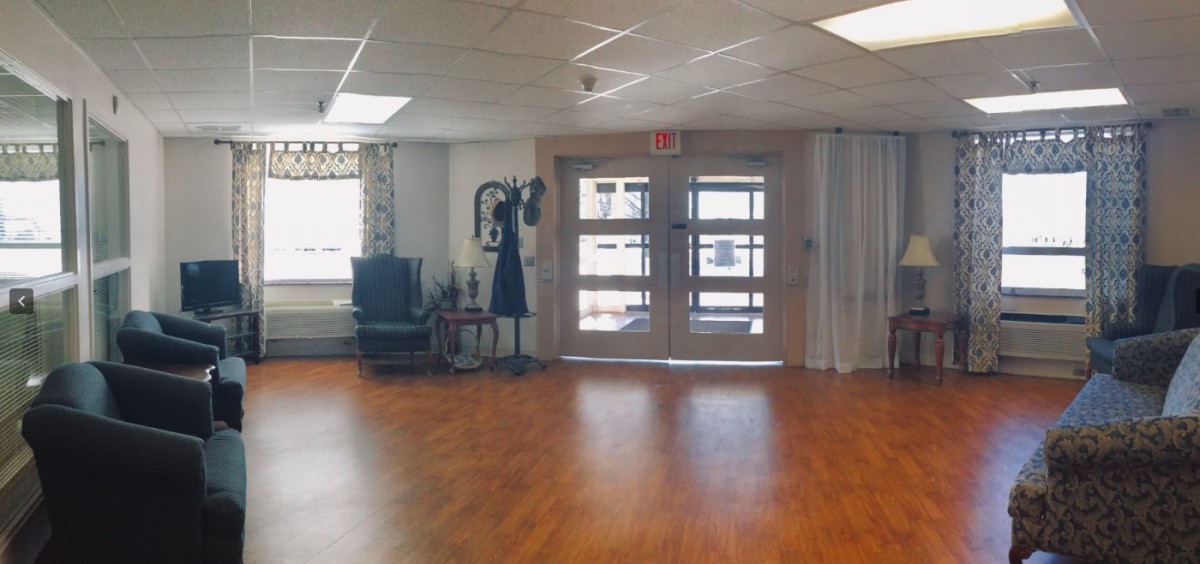
 76 resident community capacity
 Skilled Nursing Facility
 Air-conditioning
 Beauty salon
 Cable or satellite TV
 Computer center
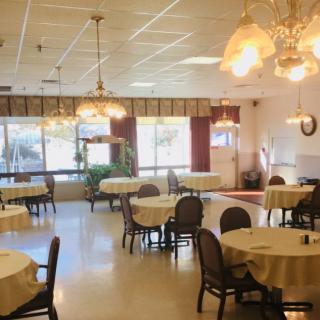
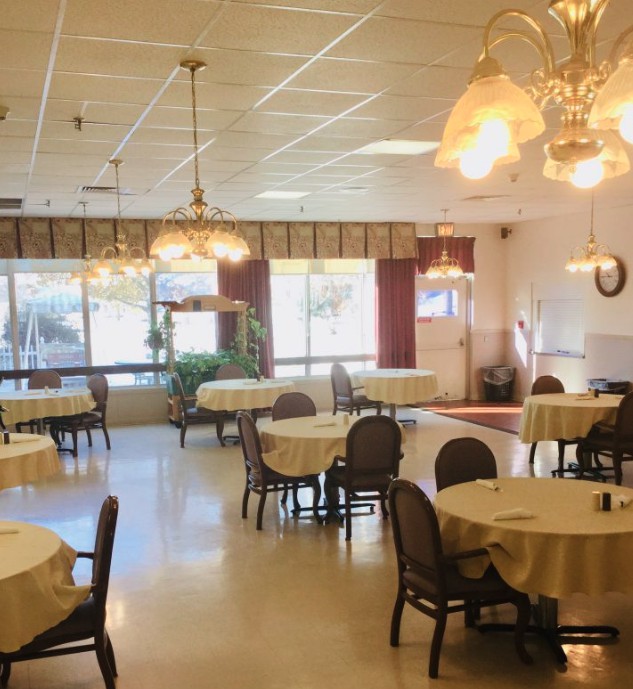
 Dining room
 Fitness room
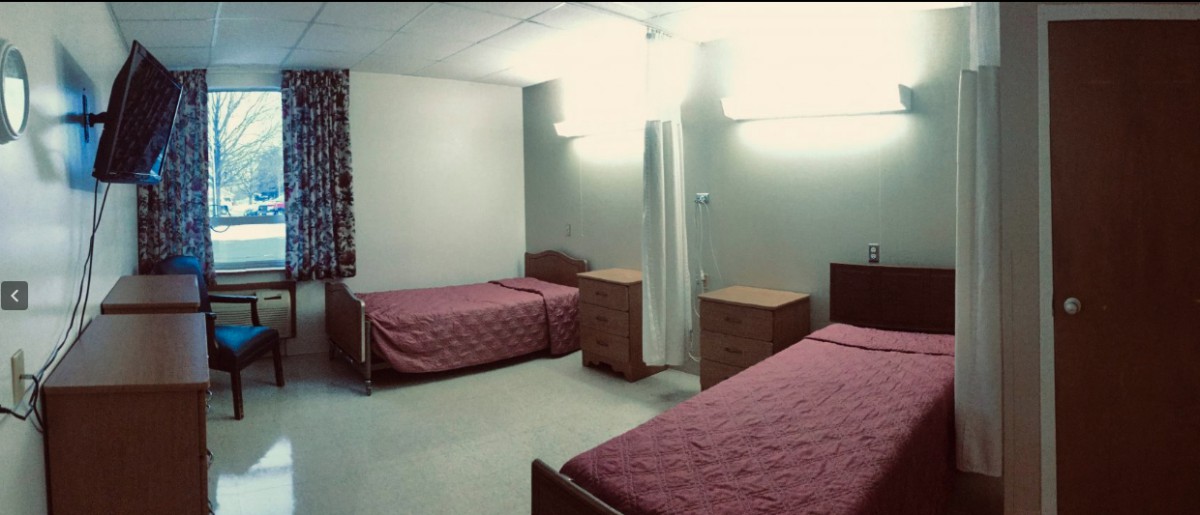
 Fully furnished
 Gaming room
 Garden
 Housekeeping services
 Kitchenette
 Move-in coordination
 Outdoor space
 Private bathrooms
 Restaurant-style dining
 Small library
 Telephone
 Wellness center
 Wi-Fi/high-speed internet available
 Community operated transportation
 12-16 hour nursing
 24-hour call system
 Activities of daily living assistance
 Assistance with bathing
 Assistance with dressing
 Assistance with transfers
 Diabetes diet
 Medication management
 Mental wellness program
 Special dietary restrictions
 Concierge services
 Planned day trips





 Understanding the Nuances of Palliative Care and Hospice: A Comprehensive Exploration
 Fecal Incontinence in Older Adults: A Comprehensive Guide
 Recognizing the Journey: Understanding and Navigating Anticipatory Grief