
1122 Koch's Lane, Quincy, IL 62305
For more information about senior living options: (866) 208-4318
Bradford Villa II Costs & Pricing
At Bradford Villa II, the monthly cost for a one-bedroom unit is set at $2,700, which positions it as a competitive option compared to the wider market in Adams County and the state of Illinois. Within Adams County, similar accommodations average around $2,963 per month, highlighting that Bradford Villa II offers a more economical choice within the locality. When considering the broader context of Illinois, where one-bedroom units can reach averages of $3,527, it's clear that Bradford Villa II provides significant value for residents seeking quality living arrangements without compromising on affordability.
| Floor plans | Bradford Villa II | Adams County | Illinois |
|---|---|---|---|
| 1 Bedroom | $2,700 | $2,963 | $3,527 |
Assisted Living communities with a similar price nearby
-
About the same
Adams Pointe & The Arbors at Adams Pointe
$2,760 to $4,805 / month3.7 miles away
Overall Review of Bradford Villa II
Pros
 Jeannie, the RN and director, cares deeply about residents and keeps on top of their medical needs.
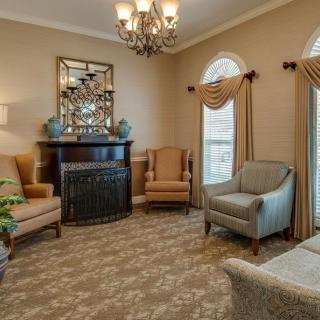
- Bradford Villa provides a home-like setting with common dining and conversation areas.
- Each large bedroom includes a private bath.
- Residents enjoy occasional music performances and plentiful holiday decorations.
- Bradford Villa is the closest thing to living at home.
- The eight-resident size allows residents to receive lots of personal attention from staff and enjoy home-cooked meals.
- The local owner is available 24/7 and is a wonderful RN.
- Margi is an excellent cook and a dedicated staff member on duty.
- The staff are very caring and the facility is clean, making it a wonderful place for a loved one to live.
Cons
 They are always understaffed, with certain employees working up to 24 hours.
- They have a bed bug issue that the owner refuses to bring in professional help.
- They need to hire an activities person.
- The owner said, "The state can't touch me, I'm privately owned."
- The manager and owner were described as unprofessional and goofy.
Review
Bradford Villa II is best suited for families seeking an intimate, home-like assisted living option where residents receive unusually personal attention due to the small, eight-resident villa structure and a hands-on, on-site medical leadership. This community shines for seniors who prize easy access to an RN and direct daily care within a setting that feels like a private residence, paired with reliable, home-cooked meals and private baths in a comfortable, low‑density environment. It works well for families prioritizing continuity of care in a small, neighborly atmosphere where staff know residents by name and routines are predictable.
Those weighing alternatives should consider residents who require more robust staffing, more structured social programming, or more formal governance. If the priority is a consistently strong activity calendar with a dedicated activities director, Bradford Villa II may fall short, given the expressed need for more programming. Families that demand highly standardized corporate oversight, transparent policy enforcement, and rigorous pest-control protocols may also want to compare options. Similarly, anyone with a sensitivity to ownership dynamics or who seeks a facility with a broader, more scalable administrative structure might prefer a larger community with deeper administrative depth.
The strongest positives center on the 8-resident villa design, which enables unusually attentive care and frequent physician oversight without sacrificing a home environment. Jeannie, the RN and director, stands out as a deeply invested professional who stays on top of medical needs and maintains close contact with families. The small staff per villa translates into personalized assistance with dressing, bathing, and meals, while the on-site cooking and private baths enhance daily life. Residents benefit from a warm, community-focused ambiance, with shared dining and conversational spaces that feel less institutional and more like a family home. Occasional music performances and holiday décor add moments of uplift that families value when evaluating quality of life.
But significant drawbacks temper those strengths. Understaffing is a recurrent theme, with some workers reported to be on shifts extending up to 24 hours, which can erode safety, responsiveness, and caregiver morale over time. A serious bed-bug issue is noted, and the owner’s stance on not bringing in professional help to address it raises legitimate concerns about management responsiveness and commitment to a pest-free living environment. The absence of an activities director leaves a gap in structured engagement beyond occasional performances and decorations, which can matter for residents who crave daily social interaction and varied programming. On balance, these operational gaps threaten consistency of care and resident well-being, even in a setting that otherwise feels like home.
From a decision-making perspective, the pros offset many day-to-day comforts, but the cons pose real risk if not addressed. The intimate care model and dedicated physician oversight can deliver peace of mind regarding medical attention and daily support, particularly for residents with routine care needs or those who thrive in a small, predictable routine. However, persistent understaffing and pest-control concerns can translate into lapses in safety, cleanliness, and resident dignity, particularly during busy periods or illness-related absences. The owner’s asserted independence and resistance to external oversight may also limit proactive problem-solving and transparency, which matters to families seeking assurance and accountability.
For families weighing Bradford Villa II, the verdict hinges on two questions: how important is the home-like, highly personalized feel versus the comfort of a fully staffed, professionally regulated environment? If the decision centers on medical availability, intimate attention, and a setting that mirrors living at home, Bradford Villa II remains a compelling option, provided the staffing consistency improves and pest concerns are decisively tackled. If, instead, the family prioritizes predictable staffing ratios, robust social programming, and a governance framework with strong, external accountability, exploring alternatives may save time and prevent misaligned expectations. In visits, demand a clear staffing schedule, observe interactions between caregivers and residents, verify current pest-control measures, and request concrete plans for expanding activities, ensuring these elements align with long-term residency goals.
 8 resident community capacity
 Assisted Living
 Board and Care Home
 Activities on-site
 Cable or satellite TV
 Devotional services off-site
 Dining room
 Fully furnished
 Garden
 Housekeeping services
 Indoor common areas
 Move-in coordination
 Outdoor space
 Telephone
 Wi-Fi/high-speed internet available
 24-hour supervision
 Ambulatory care
 Assistance with bathing
 Assistance with dressing
 Assistance with transfers
 Diabetes diet
 Meal preparation and service
 Medication management
 Special dietary restrictions
 Transportation arrangement (medical)
 Transportation to doctors appointments

 Beyond the Bingo Hall: 50+ Enriching Activities for Seniors in Assisted Living
 Understanding the Distinctions: Assisted Living and Memory Care Explained
 Guiding Elderly Parents Who Refuse Assisted Living: 6 Practical Steps