
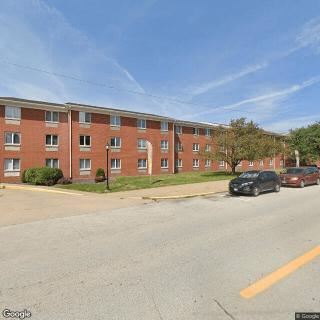
301 Oak St # 2-35, Quincy, IL 62301
To contact a resident: (217) 221-0981
For more information about senior living options: (866) 208-4318
Overall Review of Helping Hand Home Care
Cons
 They cannot call or connect with anybody at H@H.
- They have no aide and no explanation.
- They are not happy with this company at all.
Review
Helping Hand Home Care in Quincy, IL is best suited for families who can actively manage care, because the available input signals inconsistent staffing and limited direct access to the agency. The ideal client is one who expects that an aide may not be immediately available and who can organize replacement coverage or escalation without relying on timely, clear guidance from the provider. In short, this community functions as a platform for self-advocacy more than a turnkey care solution.
Those needing dependable, customer-focused service should seriously weigh alternatives. The single documented experience describes an inability to reach anyone at the agency, a missing aide, and no explanation, clear indicators of a fragile service model. Seniors with cognitive concerns, physical frailty requiring predictable support, or households that cannot tolerate care gaps should look for providers with robust communications, guaranteed staffing, and transparent scheduling practices.
From a strengths perspective, the record provides no concrete positives to offset the red flags. Without reliable communications or consistent aides, any potential upsides, however teammates or scheduling flexibility, fail to translate into meaningful daily stability. The main cons, unreachable staff, no assigned aide, and lack of explanation, systematically undermine safety, continuity of care, and peace of mind. In practical terms, risk exposure outpaces any potential upside.
Operationally, these gaps translate into real-world trouble: missed visits, missed medications, delayed responses to emergencies, and uncertainty about who is in the home. Families should verify whether the agency assigns a dedicated liaison, provides a guaranteed aide schedule, and maintains a reliable mode of contact with prompt return calls. It is essential to insist on a written care plan, a documented escalation path, and clear expectations for replacements if a caregiver is unavailable. Without these safeguards, the arrangement is unstable and risky.
Before choosing, prospective buyers should demand concrete commitments: a staffed 24/7 contact line, a backup plan for caregiver no-shows, a clear intake and care-planning process, and verifiable credentials for all aides. Request recent references from families with similar care needs, review licensing and any state compliance history, and ask for a sample weekly schedule with guaranteed visits. Put everything in writing, including response times and how disputes are resolved, to avoid vague assurances.
Bottom line: for families prioritizing reliability and steady caregiver support, this provider presents significant red flags that outweigh any potential costs or convenience. If choosing to engage despite the concerns, proceed only with strict terms, written commitments, and ongoing oversight. Those with complex or high-risk needs, fall risk, memory impairment, or acute medical needs, should pursue alternatives that guarantee accountability, consistent staffing, and proactive communication to ensure safety and continuity of care.

 Vibrant, supportive assisted living with extensive nearby amenities and healthcare access.




 Comprehensive Guide to Qualifying for Home Health Care Services
 Powerful Realities of Elder Abuse and the Most Effective Ways to Report It
 Ten Vital Duties of a Senior Caregiver: A Comprehensive Guide