

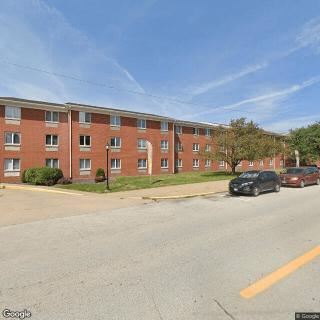
639 York Street, Quincy, IL 62301
To contact a resident: (217) 224-8372
For more information about senior living options: (866) 208-4318
Overall Review of Addus Healthcare
Pros
 The care assistant was extraordinary for three years.
Cons
 She was NOT treated well, respected, or appreciated.
- The reviewer is SO disappointed in Addus.
- The client is frustrated by being left on hold while trying to reach those who attempted to call.
Review
Addus Healthcare in Quincy, IL is best suited for families that can lock in a long-tenured, highly attentive caregiver and accept that staff assignments may vary, depending on scheduling. When a resident is paired with a truly dedicated aide who builds a stable routine, daily living, safety, and emotional well-being can noticeably improve. The standout care relationship matters: the right caregiver who understands preferences, medications, and personal rhythms can make a meaningful difference. Yet this ideal hinges on reliable staffing and responsive administration, because the upside is fragile if turnover or communication gaps begin to erode that trusted dynamic.
Those weighing alternatives should note that Addus may not satisfy families needing seamless, proactive communication and consistent oversight. A recurring theme in the feedback is delayed or absent responses to calls and questions, which undermines confidence and complicates coordination with families, physicians, and pharmacies. For residents with intricate care needs or those who require rapid escalation of concerns, a community with more robust, well-defined communication channels and escalation procedures is a safer choice. In short, reliable administrative handling becomes as critical as quality one-on-one care.
On the positive side, the most compelling takeaway is that a caregiver capable of delivering extraordinary, year-after-year attention can exist within the community. That level of dedication translates into meaningful gains in a resident’s daily functioning, mood, and sense of security. The possibility of accessing such a caregiver represents a genuine strength, and it demonstrates what the facility is capable of when the right match is secured and supported. The accompanying caveat is clear: when that match is not sustained or when institutional support falters, the benefits quickly diminish, leaving families feeling disappointed and uncertain.
The operational weaknesses cited, especially the communication gaps, are not minor annoyances but substantive risks in long-term care planning. When updates to care plans, medication changes, or scheduling shifts are slow to surface, the resident’s health trajectory can drift without timely professional oversight. Such gaps can magnify existing issues, prompt avoidable stress for families, and erode trust in the facility’s ability to manage routine and emergent needs alike. In this light, the cons are not mere irritants; they directly affect safety, accountability, and peace of mind.
Do the positives outweigh the negatives? That balance rests on the facility’s capacity to deliver consistent staffing coupled with transparent, prompt communication. The existence of a single exceptional caregiver demonstrates the ceiling of what can be achieved; the critical question becomes whether the operation can reproduce that level of care across shifts and sustain it over time. If a future resident reliably has a primary caregiver and a backup who share that same skill and warmth, Addus holds real appeal. If however, the risk of turnover and slow communication persists, the risk profile rises, and families may prefer options with stronger track records for continuity and proactive engagement.
Practical next steps for decisive action include requesting a named primary caregiver with a documented back-up team, and insisting on clear metrics for responsiveness and care-plan updates. Seek concrete data on staff retention, onboarding procedures, and how care plans are communicated to families. Compare Addus with other Quincy options that emphasize stable caregiver assignments, predictable scheduling, and active family contact. For those prioritizing a warm, individualized care relationship, Addus can be a strong choice if administration demonstrates sustained stability and a commitment to quick, transparent communication; otherwise, pursuing alternatives with proven continuity and proactive engagement is prudent.






 In-Home Care Costs in 2025: A Detailed State-by-State Exploration
 Understanding Home Health Care: A Comprehensive Guide
 Home Health Care Demystified: A Comprehensive Guide for Families and Caregivers