
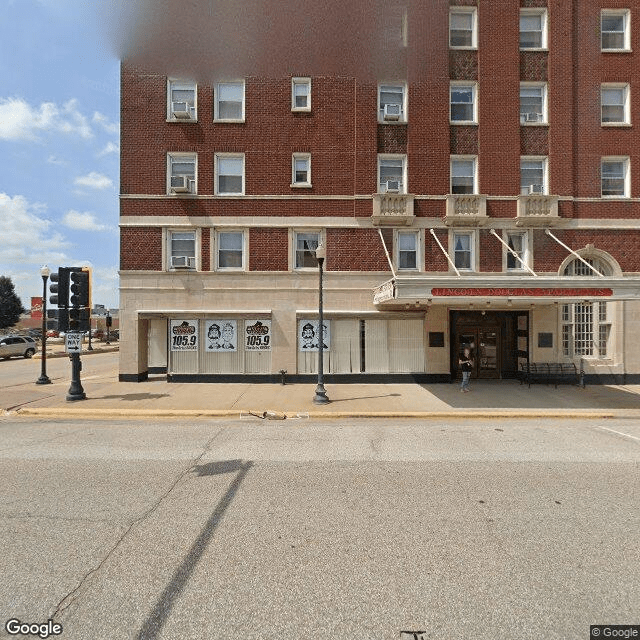
101 N 4th Street, Quincy, IL 62301
To contact a resident: (217) 224-3355
For more information about senior living options: (866) 208-4318
Lincoln-Douglas Apartments Costs & Pricing
The Lincoln-Douglas Apartments present a competitive pricing structure when compared to broader regional and state averages. For a one-bedroom unit, the apartments are priced at $837 per month, significantly lower than the average costs in Adams County ($2,963) and Illinois as a whole ($3,527). Similarly, two-bedroom units are available at $900, which not only undercuts the county's average of $2,450 but also offers considerable savings compared to the state average of $4,208. This makes Lincoln-Douglas Apartments an attractive option for individuals and families seeking quality housing without the financial burden typically associated with living in this part of Illinois.
| Floor plans | Lincoln-Douglas Apartments | Adams County | Illinois |
|---|---|---|---|
| 1 Bedroom | $837 | $2,963 | $3,527 |
| 2 Bedrooms | $900 | $2,450 | $4,208 |
Overall Review of Lincoln-Douglas Apartments
Pros
 It is beautiful.
- It is a beautiful building with what seemed to be a wonderful intention.
Cons
 The site is described as a misrepresentation of the entire apartment community.
- Rent increases occur with each small Social Security cost-of-living adjustment, while essential amenities for disabled residents are not updated.
- The on-site manager is described as bully-ish, unprofessional, and strange.
- The manager engages in gossip about residents’ private matters, which is described as disturbing.
- There are repeated claims that handicap accessible apartments are unavailable, despite evidence to the contrary.
- The manager appears to have an investigative team to monitor and report on residents’ private lives.
- The reviewer intends to file complaints with the state, indicating serious concerns and a call for intervention.
- The building is beautiful, but something is clearly awry due to management issues.
Review
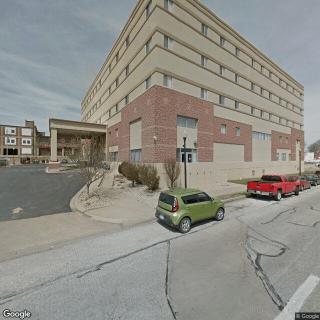
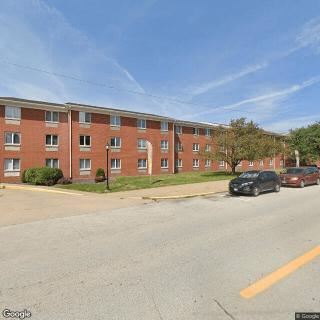
Lincoln-Douglas Apartments in Quincy, Illinois, is best suited for seniors who prize a visually appealing, solidly maintained residence and can tolerate uneven on-site management. It works for residents who do not require immediate access to formal assisted living services and who have proactive family oversight or external advocates to monitor tenancy, privacy, and fair housing practices. The setting offers the comfort of a longstanding building with a dignified presence, which can feel reassuring to someone seeking stability in place and routine.
Those considering alternatives should focus on residents who need guaranteed accessibility, consistent, discreet staff, and transparent, reliable rent practices. Seniors with mobility or health needs that require verifiable, readily available accessibility features will want a different option. Families or guardians relying on clear communication and predictable policies will likely find the current environment insufficient. In short, if accessibility guarantees and respectful, confidential management are non-negotiable, it is prudent to explore other Quincy communities with verifiable commitments to these essentials.
On the upside, the property’s aesthetic and character stand out. The building reads as well-kept and its substantial, traditional footprint can deliver a sense of permanence that some residents value deeply. There is also a stated alignment with gradual rent adjustments tied to social security cost-of-living changes, which can translate to a predictable budgeting framework for some long-time tenants. For residents who prioritize atmosphere, a dignified address, and the comfort of a familiar, low-disruption living environment, these elements carry meaningful weight.
However, the most serious drawbacks undercut the appeal. The on-site manager is described as bully-ish and unprofessional, engaging in gossip and discussing residents’ private matters. Disabled residents encounter repeated claims that handicap-accessible apartments are unavailable, even when evidence to the contrary exists. Such misalignment between advertised capabilities and actual practice undermines trust and raises questions about how resident needs are prioritized. Privacy concerns are elevated by allegations of surveillance and private-life scrutiny, leaving vulnerable tenants feeling exposed and unsupported. The coin-operated laundry and other essential amenities also feel outdated and inefficient for a population requiring accessible, convenient services.
Those pros do not sufficiently offset the main cons. A beautiful building cannot compensate for a management culture that prioritizes image over resident welfare, nor can predictable COLA-driven rent adjustments quiet the fear of favoritism and privacy violations. In practice, trustworthy oversight becomes the decisive factor: if family members are not physically present to advocate, the risk to a resident’s well-being rises substantially. For families seeking a dependable, respectful, and transparent living environment with accessible options and responsive service, this community falls short and should be weighed against alternatives with proven governance and clearer commitments to accessibility.
Ultimately, the decision hinges on risk tolerance and core priorities. If independence is the aim and privacy protections can be actively shielded through external oversight, a cautious consideration may be possible, but only after rigorous due diligence. Prospective tenants should demand a current, verifiable inventory of accessible units, a written policy on resident privacy, and documented avenues for complaint resolution. They should interview current residents or their families and compare with other Quincy options that demonstrate consistent, compassionate management, transparent pricing, and confirmed accessibility commitments. For families prioritizing dignity, privacy, and dependable service, Lincoln-Douglas Apartments is unlikely to meet the mark. Alternatives with stronger governance and verifiable accessibility represent the safer, more reliable path.
 Active Adult Communities (55+)
 Activities off-site
 Devotional services off-site
 Indoor common areas
 Outdoor common areas
 Wheelchair accessible showers

 Highly Beneficial Low-Impact Exercises for Senior Living Residents
 Is In-Home Healthcare Tax Deductible? Your Comprehensive Guide
 Nurturing Well-Being Through Gardening: A Detailed Guide for Senior Enthusiasts