
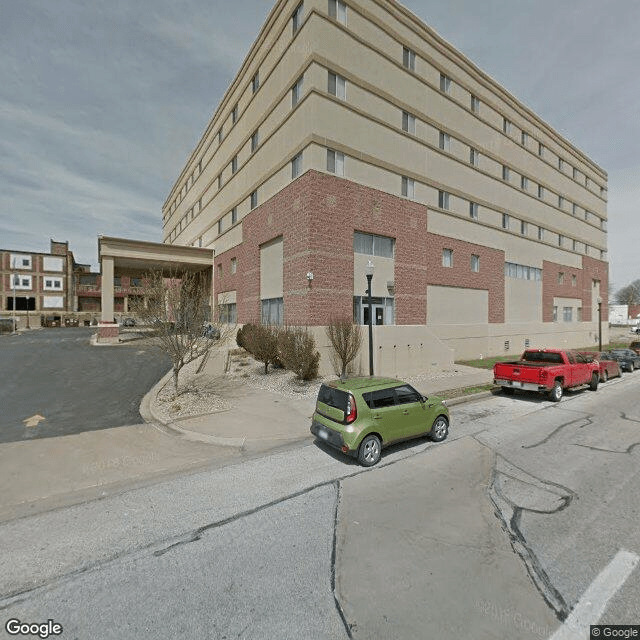
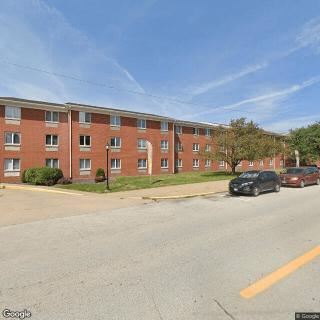
639 York Ste. 112, Quincy, IL 62301
To contact a resident: (217) 223-6951
For more information about senior living options: (866) 208-4318
Overall Review of Adult Day Systmes
Pros
 They are very friendly and helpful individuals.
- They had a great lunch in a friendly atmosphere.
- The people here are very nice.
- They offer many great services for seniors.
Cons
 They were left twisting in the wind after multiple calls and promises of assistance.
- The government agency spends a great deal of time patting itself on the back while waiting for its salary and benefits.
Review
This community is best suited for seniors who want daytime social engagement, light support, and practical access to benefits resources in a friendly, conveniently located setting. It works well for caregivers seeking daytime respite, allowing a senior to participate in group activities, enjoy meals, and tap into available services while remaining close to home. The emphasis on social connection and accessible programs makes it a fit for those who value community, routine, and nondemanding assistance during the day rather than around-the-clock medical oversight.
The strongest positives are the human interactions and the atmosphere. Reviews consistently note very friendly and helpful staff, creating an inviting, low-pressure environment where participants feel welcomed. A dependable social cadence, group activities, meals, and the chance to connect with peers, appears to be the heart of the experience. The lunch is repeatedly highlighted as a positive, with many residents and families appreciating the convivial mood around meals. In addition, the program is perceived as offering a broad slate of services for seniors and maintaining a convenient, nearby location that pairs with community resources, such as proximity to a library.
Yet, there are clear caveats. A portion of the feedback points to uneven follow-through and responsiveness, with phrases that echo frustration over delays or promises left unmet. Some reviews carry a sense of bureaucratic or administrative friction, suggesting that communication and reliability may be inconsistent. While the overall rating is solid, these instances temper the experience and create a reality where dependable outcomes, especially for time-sensitive requests, cannot be guaranteed with the same certainty found in more highly medicalized or consistently resourced programs.
Those pros offset their main drawbacks to a reasonable degree for the right audience. The social stimulation, ease of access, and nutritious meals directly counterbalance the risk of slower, less reliable administrative responses for seniors who primarily want companionship and daytime engagement. For participants who also need help navigating benefits or insurance offerings, staff familiarity with Part D and related services can be a practical advantage, reducing the burden on families. The location near local resources adds practical value, easing errands and outings for daily routines. In short, the program delivers meaningful social and practical benefits that can justify a visit, provided expectations are aligned with the capacity for responsive communication.
This option should be weighed against clear alternatives. If consistent follow-through, timely communication, and a higher level of medical or care coordination are non-negotiable, it may be prudent to explore other adult day centers with stronger track records in reliability, or to consider in-home care or a larger residential assisted-living setting that provides around-the-clock oversight. For seniors whose needs revolve around conversation, activities, and a supervised daytime routine rather than medical complexity, this community remains a viable choice, especially when paired with a structured visit to gauge day-to-day dynamics and staff responsiveness firsthand.
Bottom line: for families prioritizing social engagement, approachable staff, convenient location, and practical support with benefits tasks, this Quincy program is a solid option. It is less suitable for those requiring consistently swift follow-up or intensive medical oversight, and a careful comparison with other adult day programs or care models is wise. A guided tour, questions about follow-up procedures, and a clear schedule of services will illuminate whether the positives align with the senior’s daily needs and the family’s expectations.



 A Comprehensive Exploration of Common Misunderstandings about Powers of Attorney
 Senior Move Management: Understanding the Role, Value, and Associated Costs
 Weight Training for Seniors: Building Strength and Vitality