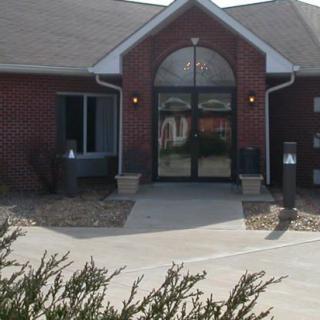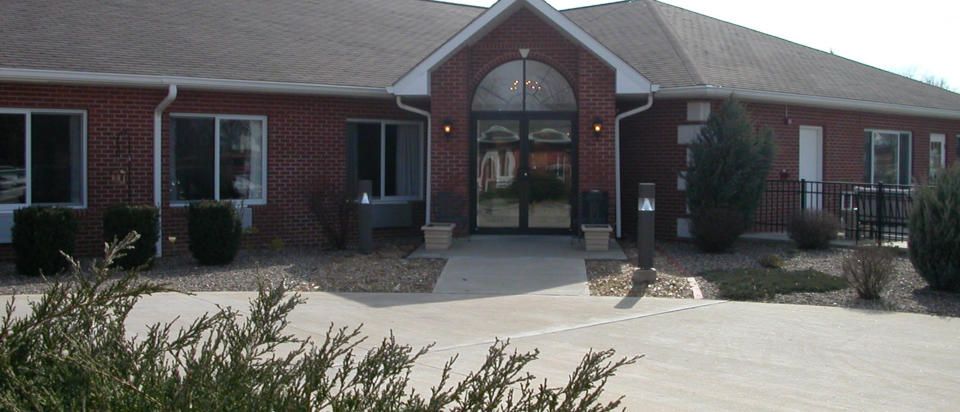
610 Lowry Street, Pittsfield, IL 62363
For more information about senior living options: (866) 208-4318
Overall Review of Hawthorne Inn Of Pittsfield
Pros
 Liberty Village of Pittsfield provides outstanding care and a genuine sense of community.
- The staff are dedicated, patient, and attentive, always ensuring residents feel safe and valued.
- Communication with families is excellent, and the facility takes great pride in its work.
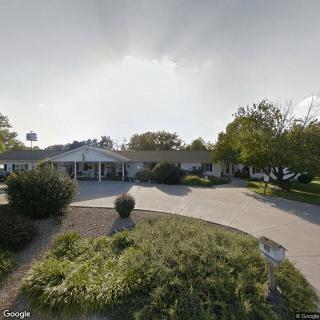
- The facility and its staff are beautiful and extremely helpful.
- The staff took great care of Brent during his final stretch of life.
- Amber offered a warm embrace as consolation following Brent's death.
Cons
 Most of the staff belittle coworkers and have one person taking care of most residents while others sit in a group and mock colleagues; residents aren’t being treated correctly.
 - If you want the best for your elderly, this facility is not loving enough and should be avoided in favor of somewhere more loving.
- Most of the staff don’t care about the residents and just want a paycheck.
- It’s dirty, and while some staff may be caring, most are not, especially one of the night nurses; it’s a horrible place overall.
- My mother was a patient here twice and went to the hospital with pneumonia both times.
Review
This community is best suited for families seeking a warm, relationship-driven care environment where communication with families is a clear priority. The strongest praise centers on outstanding care, a genuine sense of community, and staff who are dedicated, patient, and attentive. For long-term residents or those entering a comfort-focused setting, the ability to build trust with caregivers and to receive frequent, transparent updates about health and daily needs stands out as a core advantage. In practice, the facility often feels like a place where staff try to know each resident well, and where families can feel connected to the care plan and the people delivering it.
Those weighing alternatives should note that several reviews flag significant concerns around staffing consistency, morale, and cleanliness. If the must-haves include uniformly high staffing coverage across all shifts, a consistently clean environment, and a workplace culture that consistently prioritizes residents over all else, this community may not meet those expectations. Descriptions of staff belittling coworkers, one-person care assignments, and a perception that some staff do not genuinely prioritize residents create a meaningful risk that the day-to-day experience could become uneven. Add to that reports of dirtiness and a few sharply negative judgments about overall care, and the case for alternatives strengthens for families who prioritize reliability and pristine conditions.
The favorable elements do offset some of the concerns in tangible, meaningful ways. The strongest pros, compassionate, attentive care; a true sense of community; and excellent family communication, provide a reliable core of support for residents. End-of-life experiences described as merciful and empathetic, including hands-on comfort and regular monitoring, show what high-quality care can look like when staff are engaged. When families face tough decisions, the ability to receive clear updates, know who is caring for a loved one, and observe kindness from caregivers becomes a decisive comfort that can offset anxieties about day-to-day operations.
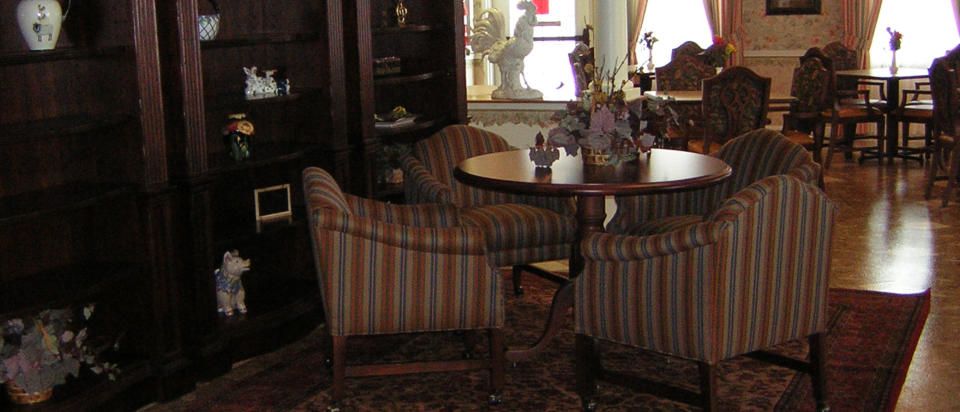
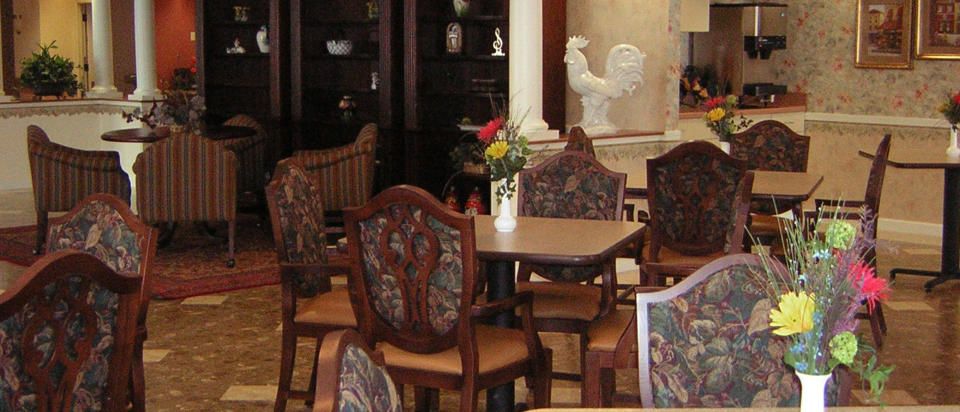
Additional positives reinforce this impression: the beauty of the facility and the helpfulness of staff members typically create a welcoming atmosphere for residents and visitors alike. When caregivers are proactive about positioning residents regularly, managing pain, and responding to needs with warmth, the emotional and physical well-being of residents can improve markedly. There are accounts of overnight family presence being supported and staff going the extra mile to attend to comfort in moments of transition. Taken together, these signs point to a care team capable of delivering high-caliber, person-centered care when conditions align.
Yet the negative threads cannot be wholly dismissed. Reports of dirty conditions, inconsistent care quality, and a few specific instances of problematic staff behavior paint a troubling picture of variability. The most serious implications here involve safety and trust: if cleanliness standards slip or if a nurse’s attentiveness wanes on certain shifts, residents and families will notice quickly. The more troubling notes, claims that some days feel disjointed or that a few staff members do not consistently demonstrate the compassion residents deserve, underscore the importance of careful, ongoing assessment before committing long term.
Ultimately, decision-making should hinge on practical checks and goal-alignment. For families willing to visit frequently, ask pointed questions about staffing ratios, turnover, and supervision; request to meet front-line caregivers on different shifts; and seek recent evidence of cleanliness and maintenance improvements. Review current care plans, and verify how pain management, repositioning schedules, and activity programs are documented and audited. If the responses satisfy concerns about consistency, cleanliness, and culture, this community can be a strong match for those who prize intimate, communicative care. If not, exploring alternatives with a proven track record in steady staffing, spotless conditions, and a consistently respectful culture will likely yield greater peace of mind.
 22 resident community capacity
 Assisted Living
 Skilled Nursing Facility
 Beauty salon
 Cable or satellite TV
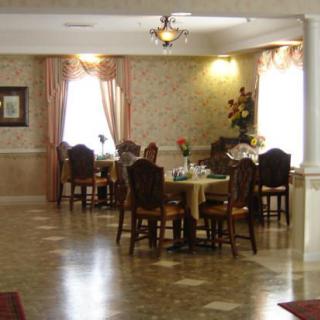
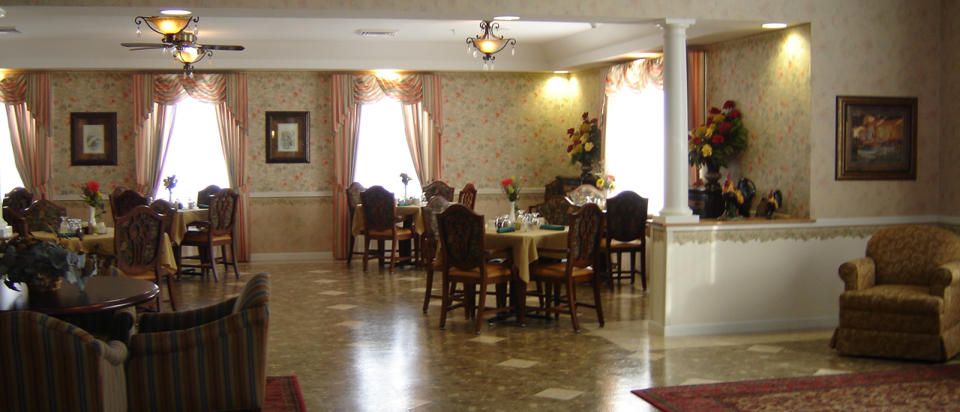
 Dining room
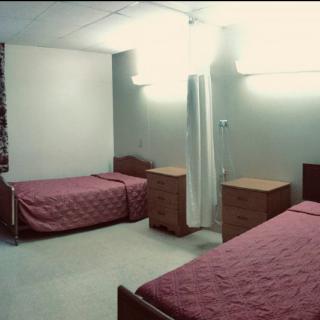
 Fully furnished
 Garden
 Housekeeping services
 Kitchenette
 Move-in coordination
 Outdoor space
 Restaurant-style dining
 Small library
 Telephone
 Wi-Fi/high-speed internet available
 24-hour call system
 Activities of daily living assistance
 Assistance with bathing
 Assistance with dressing
 Assistance with transfers
 Diabetes diet
 Medication management
 Mental wellness program
 Special dietary restrictions

 Comprehensive Insights into Activities of Daily Living (ADLs) and Their Assessment
 Medicare Coverage for Assisted Living: An In-Depth Exploration
 Your Comprehensive Guide to Luxury Assisted Living: Elevated Facilities, Amenities, and Costs