For more information about senior living options: (866) 208-4318
3.6 from 127 reviews
5 stars
70
4 stars
7
3 stars
8
2 stars
7
1 stars
35
Brooking Park Costs & Pricing
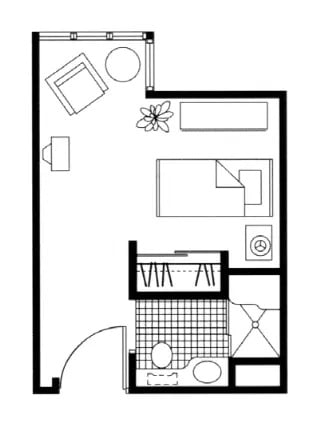
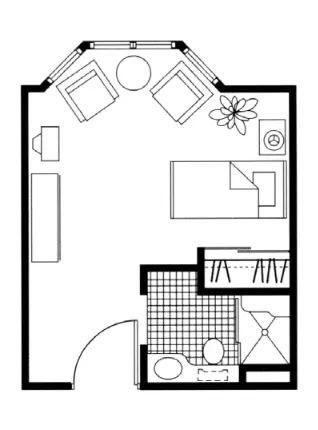
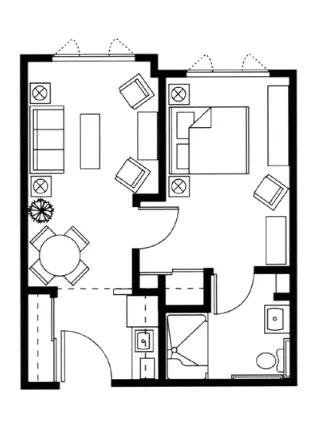
Brooking Park presents a range of monthly costs that are notably higher than both St. Louis County and the broader state of Missouri. For example, the semi-private rooms at Brooking Park are priced at $6,458, significantly exceeding the county average of $4,438 and the state average of $3,772. Studio apartments follow a similar trend, costing residents $8,153 in comparison to $4,203 in St. Louis County and $3,418 statewide. The one-bedroom options reflect this pattern as well, with a monthly fee of $9,783 against the county's rate of $4,226 and Missouri's average of only $3,349. These figures indicate that while Brooking Park offers specialized care and amenities that may justify its premium pricing, potential residents should carefully consider these costs within their financial planning compared to regional alternatives.
Floor plans
Brooking Park
St. Louis County
Missouri
Semi-Private
$6,458
$4,438
$3,772
Studio
$8,153
$4,203
$3,418
1 Bedroom
$9,783
$4,226
$3,349
Skilled Nursing Facilities with a similar price nearby
Therapy is repeatedly described as thorough, organized, and helpful for recovery.
Across rehab experiences, residents and families highlight physical, occupational, and speech therapy as a major strength, often noting clear plans and steady progress. Several reviewers also say nursing and therapy teams worked together to meet medical needs during recovery, with therapists described as professional and supportive. Even among critical reviews, some still single out therapy as the best part of the experience.
differentiator5 reviews mention this
Memory care draws strong care
Families describe memory care as compassionate and engaged, though experiences are mixed.
Some families moved loved ones into memory care and report feeling reassured by caregiver kindness and the overall process. Others specifically mention that staff provided ongoing attention and that the unit had a lively routine with activities and a dining setup. At the same time, multiple reviews express serious concerns about staff training and safety in the memory care unit, including reports of residents being locked in a room and injured while staff handled the situation poorly.
common9 reviews mention this
Dining is often praised
Restaurant-style dining and well-regarded meals come up often in reviews.
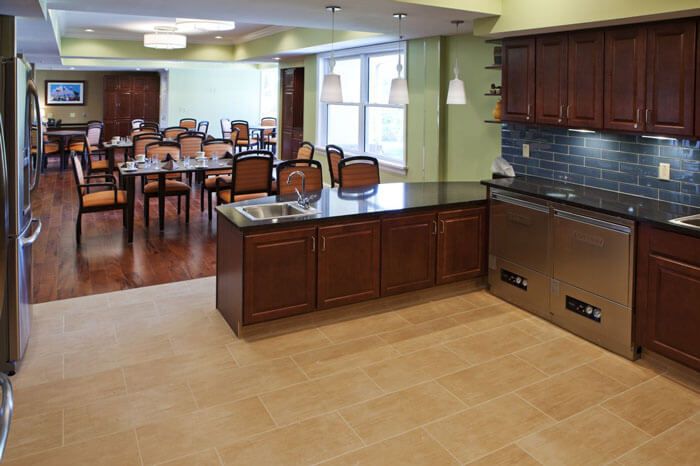
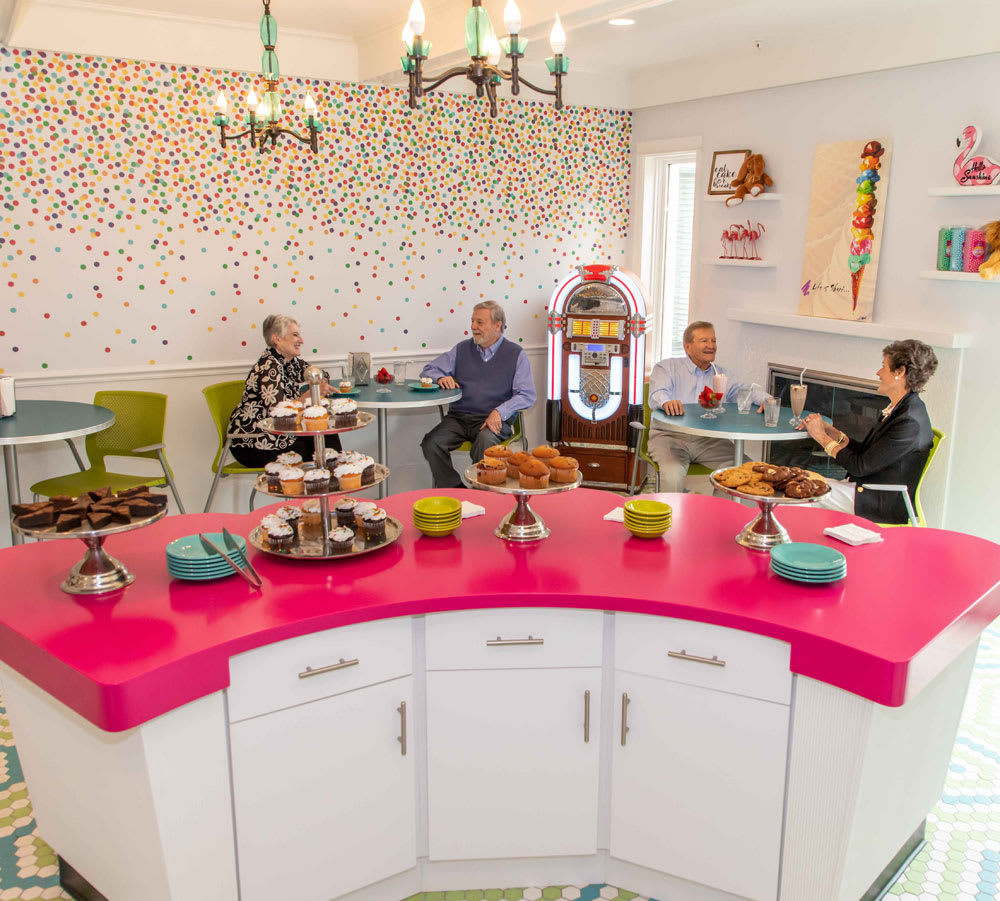
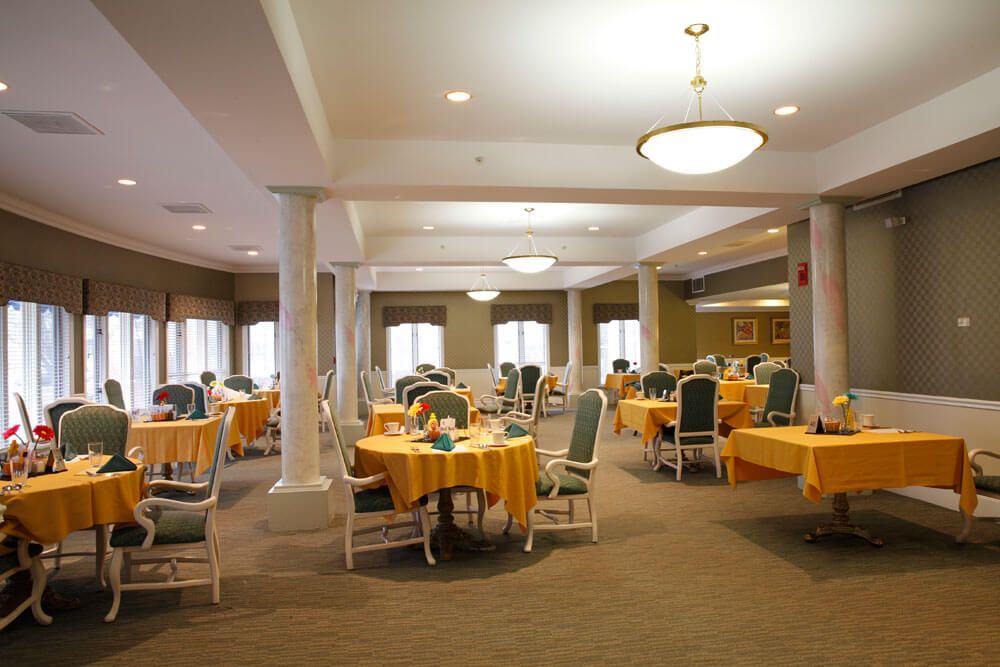
Many residents and families describe the meals positively, including comments about restaurant-style dining and a treat-focused sweet shop. Some also mention accommodations for dietary needs such as mechanical soft diets and special restrictions, while others emphasize that staff in the dining room were respectful and professional. A smaller set of reviews contrasts that with concerns about cold or missing meals and limited dining experiences depending on the situation.
caveat10 reviews mention this
Call lights and admin response
Slow help-seeking and communication problems are recurring complaints.
A consistent negative theme is delayed response to call buttons or requests for assistance, including long waits to use the bathroom and instances where residents were left without timely help. Reviewers also describe communication breakdowns, such as difficulties reaching case workers, delayed notifications after incidents, and billing or invoice problems that took weeks to resolve. Even where families compliment day-to-day caregiving, they often pair it with frustrations about administrative follow-through.
common20 reviews mention this
Staff kindness shows up
Many reviewers describe staff as kind, caring, and responsive to families.
Positive reviews frequently mention caregivers and nursing staff being welcoming, attentive, and genuinely supportive, including help with settling residents in and answering questions. Several families also describe good communication, with nurses and care teams staying available to discuss treatment plans and condition changes. This praise is not universal—some reviews report rude or neglectful interactions—so experiences appear to vary by unit and timing.
caveat2 reviews mention this
Pricing runs high
Pricing is described in reviews as increasing quickly, and it is priced above common benchmarks.
Some reviewers mention rate increases that add several hundred dollars per day, raising affordability concerns. The published pricing range is also positioned noticeably above county and state levels, which may explain why value comes up as a sticking point. Even where families like the care, cost-related complaints appear alongside discussions of communication and billing frustrations.
How we summarize
Counts show how many written reviews mention each theme; a review can touch several themes, and only frequently mentioned themes are displayed.
Features
Housing
100 resident community capacity
1-bedroom apartments
Studio apartments
Types of Care
Assisted Living
Continuing Care Retirement Community (CCRC)
Memory Care
Respite Care
Skilled Nursing Facility
Pets
Cats allowed
Dogs allowed
Amenities
Activities off-site
Activities on-site
Air-conditioning
Bath tubs
Beautician on-site
Beauty salon
Cable or satellite TV
Computer center
Devotional services on-site
Dining room
Fitness room
Fully furnished
Gaming room
Garden
Guasts at mealtime
Handicap accessible
Housekeeping services
Indoor common areas
Kitchenette
Laundry
Move-in coordination
Outdoor common areas
Outdoor space
Overnight guests
Private bathrooms
Respite or short term stays offered
Restaurant-style dining
Small library
Telephone
Wellness center
Wheelchair accessible showers
Wi-Fi/high-speed internet available
Transportation
Lambert-St Louis International (10 miles away)
Community operated transportation
Transportation & parking
Transportation arrangement
Transportation arrangement (non-medical)
Transportation to doctors appointments
Care Services
12-16 hour nursing
24-hour call system
24-hour supervision
Activities of daily living assistance
Ambulatory care
Assistance with bathing
Assistance with dressing
Assistance with transfers
Diabetes diet
Diabetic care
High acuity care
Incontinence care
Meal preparation and service
Medication management
Mental wellness program
Physical therapy
Special dietary restrictions
Dining
Anytime dining
Diabetes diet
Gluten-free
Guest meals
Low / no sodium
Meals provided
No Sugar
Professional chef
Restaurant style dining
Room service
Special dietary restrictions
Special dining programs
Vegetarian
Activities
Activities off-site
Art classes
Catholic services
Community-sponsored activities
Concierge services
Cooking classes
Devotional activities on-site
Educational speakers / life long learning
Fitness programs
Jewish services
Mormon/LDS services
Other religious services
Planned day trips
Protestant services
Religious services
Resident-run activities
Scheduled daily activities
Visiting Rabbi
Visiting chaplain or priest
Languages Spoken
English
Videos
Nearby Places of Interest
Located in the charming city of Chesterfield, Missouri, this area offers a plethora of amenities within close proximity. With multiple parks such as Faust Park and Queeny County Park nearby, residents can enjoy outdoor activities and scenic walks. Additionally, there are several cafes like Panera Bread and Starbucks, perfect for grabbing a quick bite or meeting up with friends. For healthcare needs, pharmacies like Dierbergs Markets and Walgreens are easily accessible. A variety of dining options including Cooper's Hawk Winery & Restaurant and The Cheesecake Factory cater to culinary preferences. Hospitals such as Barnes-Jewish West County Hospital and St John's Mercy Surgery Center provide quality healthcare services, while places of worship like Church of Christ-Lafayette offer spiritual support. Transportation options like Enterprise Rent-A-Car ensure convenience for getting around the area. Overall, this neighborhood in Chesterfield presents a well-rounded environment ideal for seniors looking for a vibrant community to call home.
Brooking Park presents a range of monthly costs that are notably higher than both St. Louis County and the broader state of Missouri. For example, the semi-private rooms at Brooking Park are priced at $6,458, significantly exceeding the county average of $4,438 and the state average of $3,772. Studio apartments follow a similar trend, costing residents $8,153 in comparison to $4,203 in St. Louis County and $3,418 statewide. The one-bedroom options reflect this pattern as well, with a monthly fee of $9,783 against the county's rate of $4,226 and Missouri's average of only $3,349. These figures indicate that while Brooking Park offers specialized care and amenities that may justify its premium pricing, potential residents should carefully consider these costs within their financial planning compared to regional alternatives.
Brooking Park's 24-hour supervision ensures that residents receive constant monitoring and support, creating a safe environment crucial for those with dementia or Alzheimer's. Assistance with activities of daily living, including bathing, dressing, and transfers, promotes dignity while helping residents maintain essential personal care routines. The provision of incontinence care further alleviates any potential discomfort or embarrassment, allowing individuals to focus on their well-being. Meal preparation and service are tailored to meet dietary needs and preferences, which is vital for nutrition and health maintenance. Medication management ensures compliance with prescribed treatments, minimizing health risks associated with forgetfulness or confusion regarding medications. Additionally, mental wellness programs are designed to engage cognitive function and emotional health through structured activities, while physical therapy supports mobility and physical strength, contributing to overall quality of life for residents facing cognitive challenges.
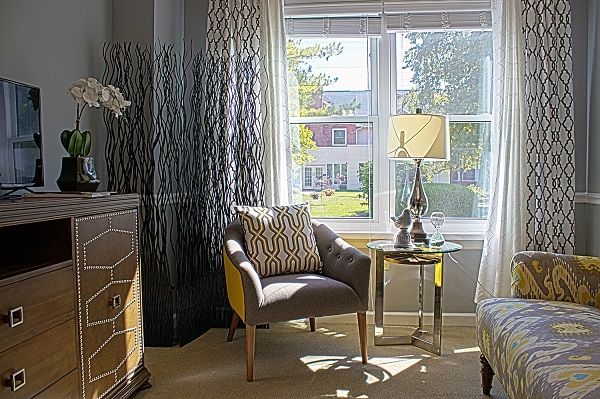
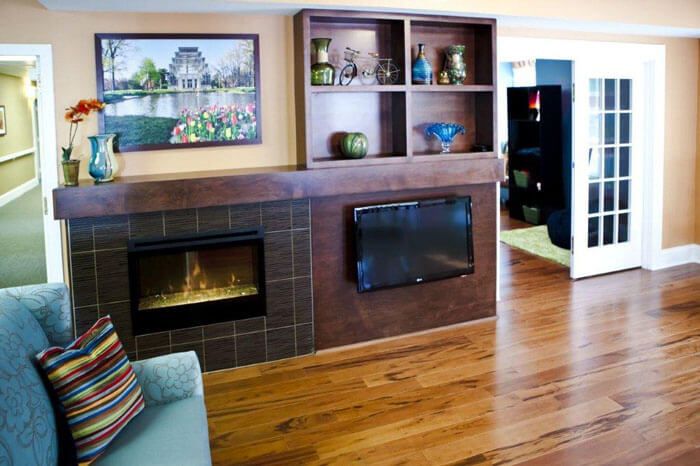
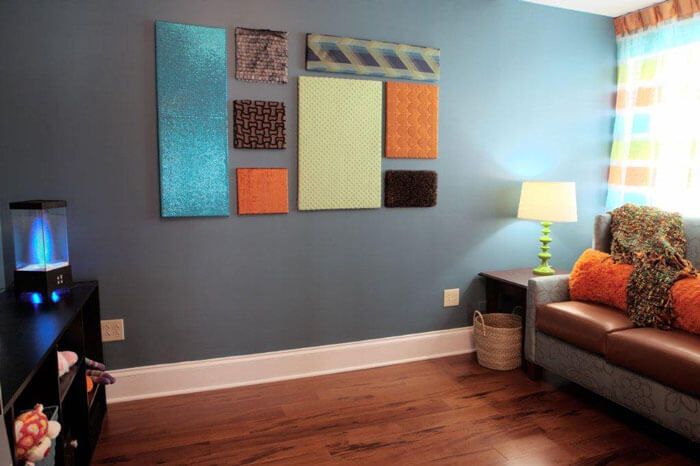
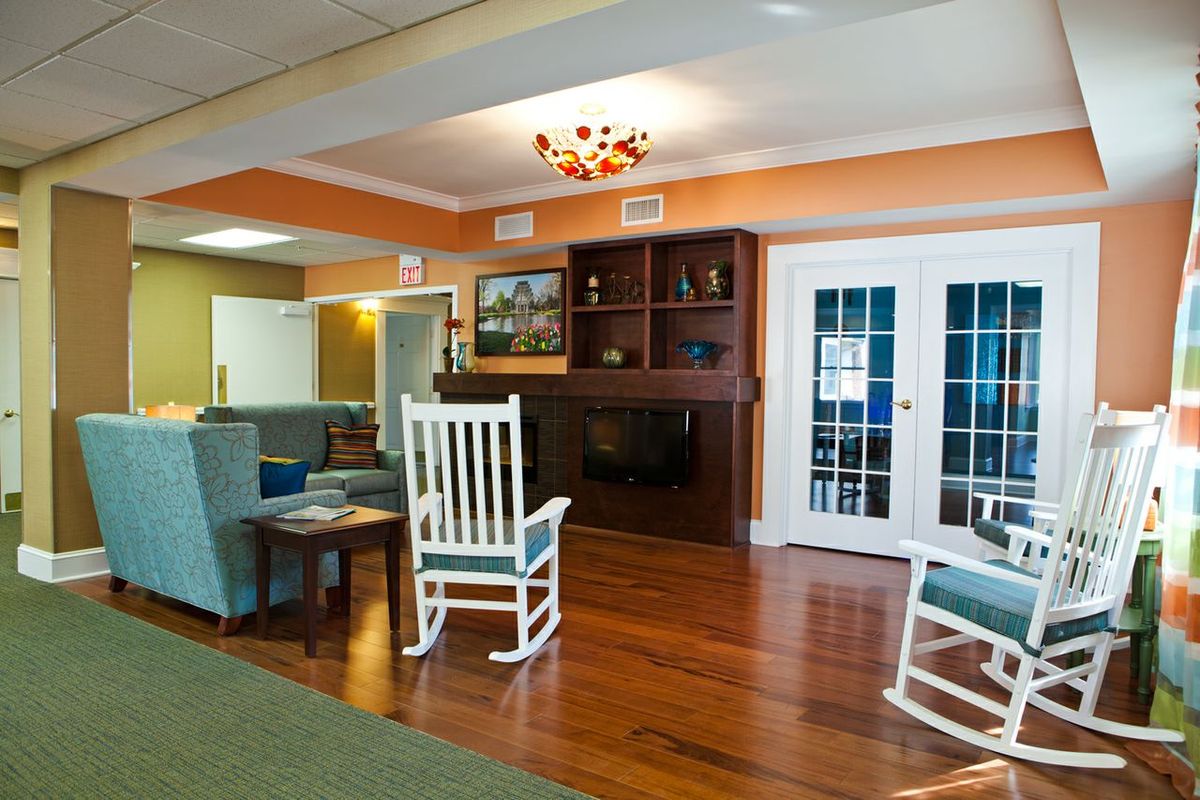
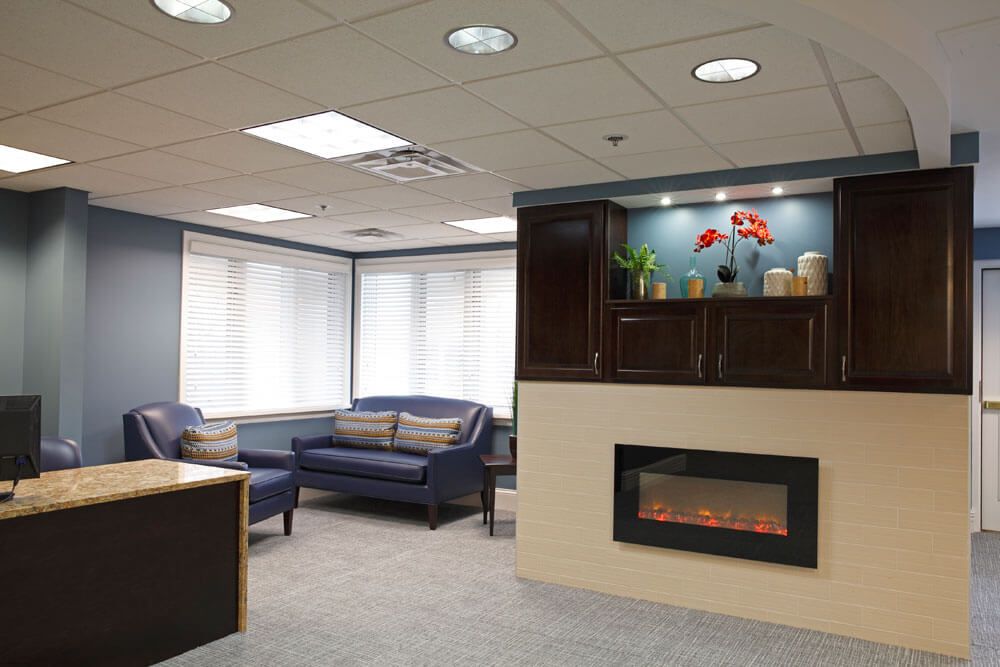
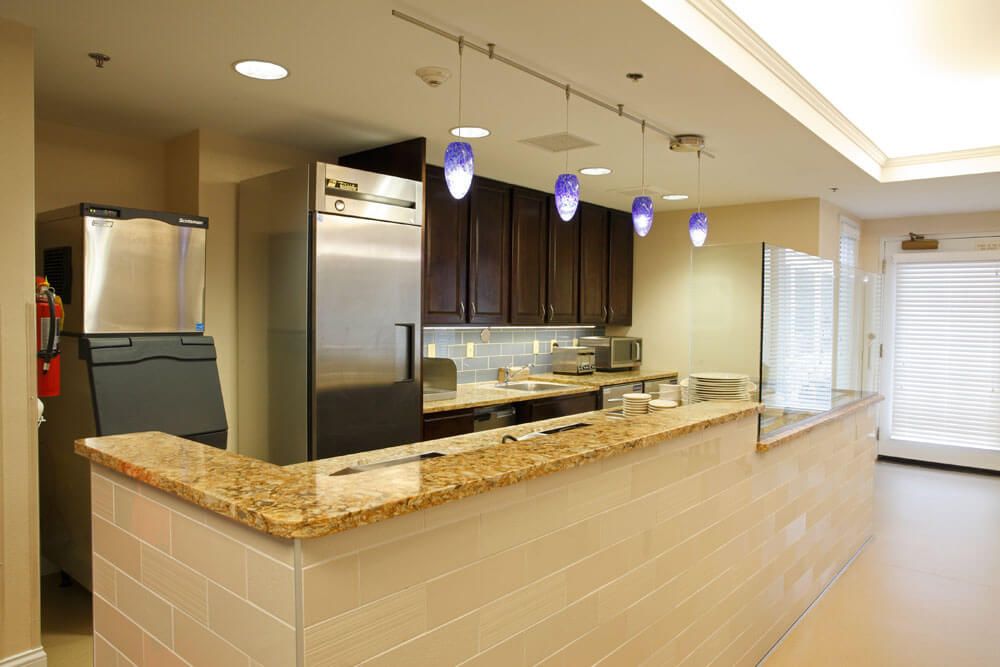
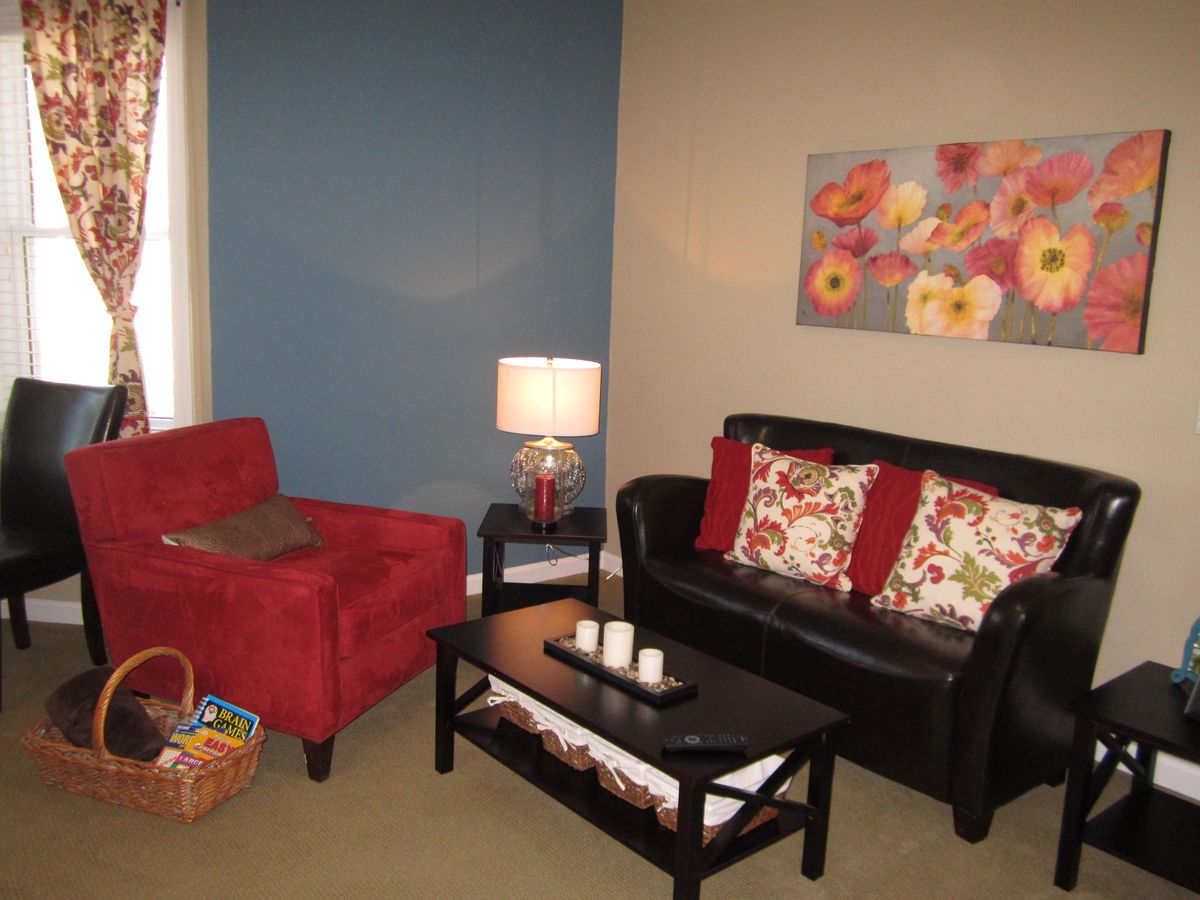
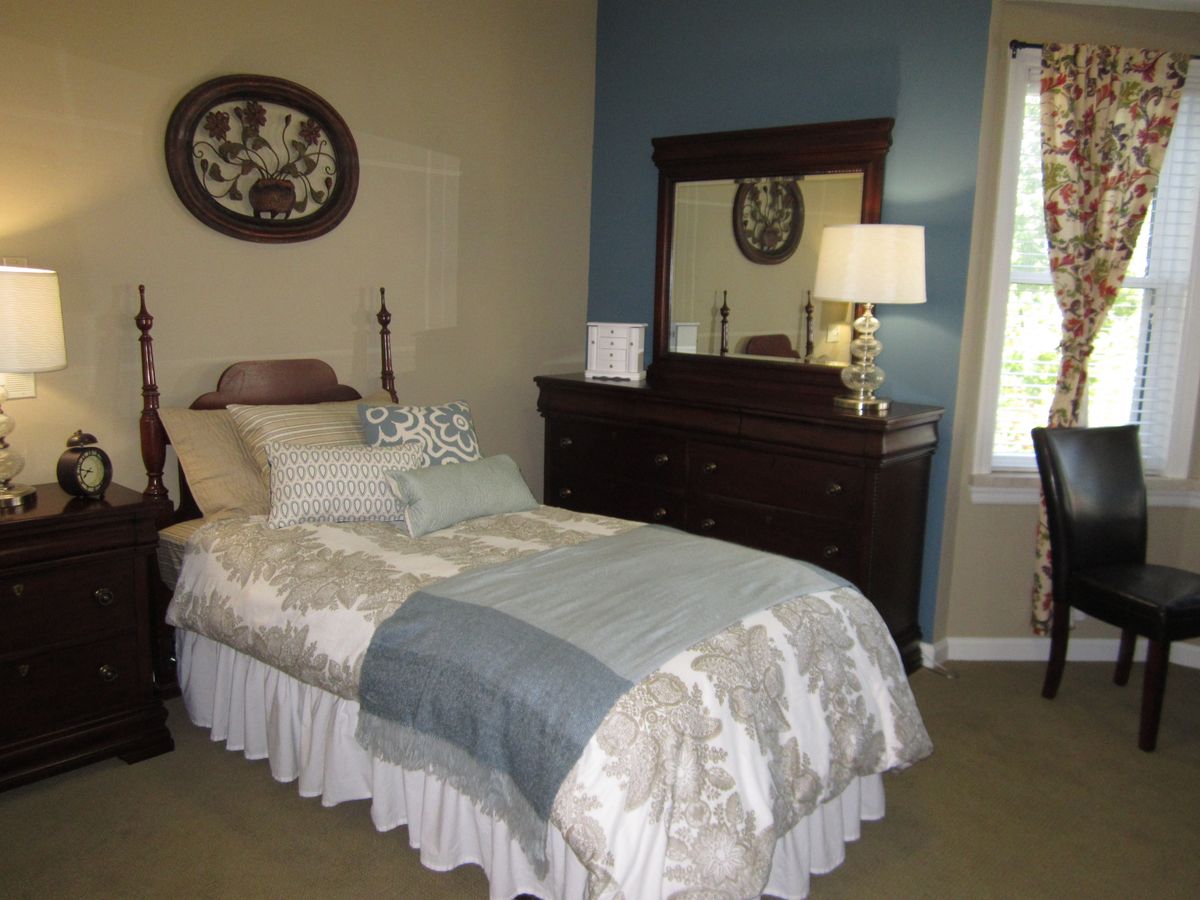
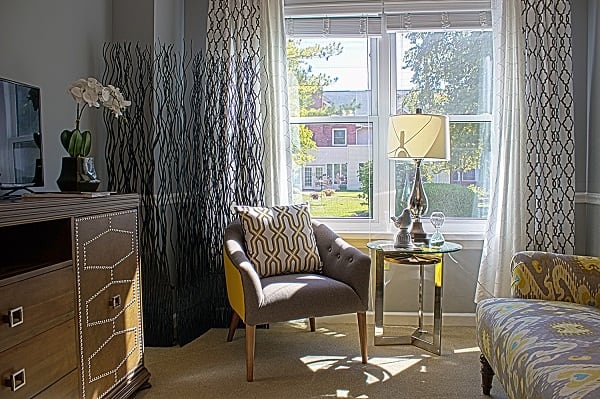
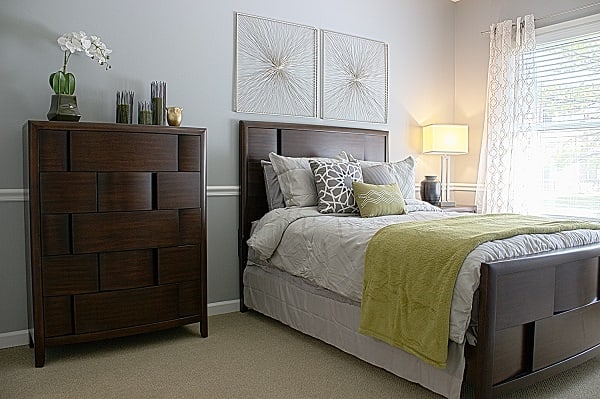
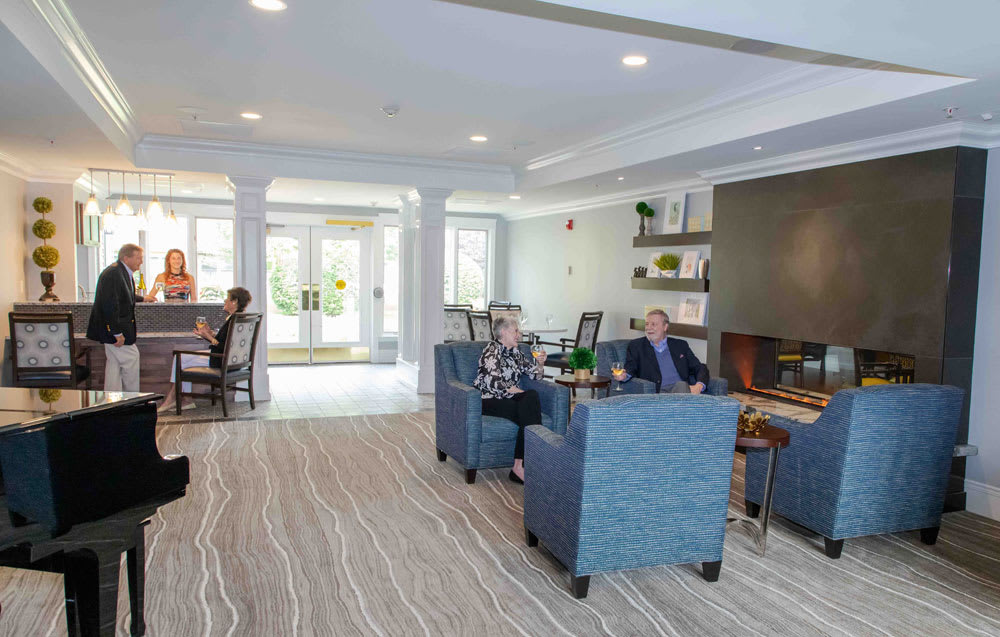
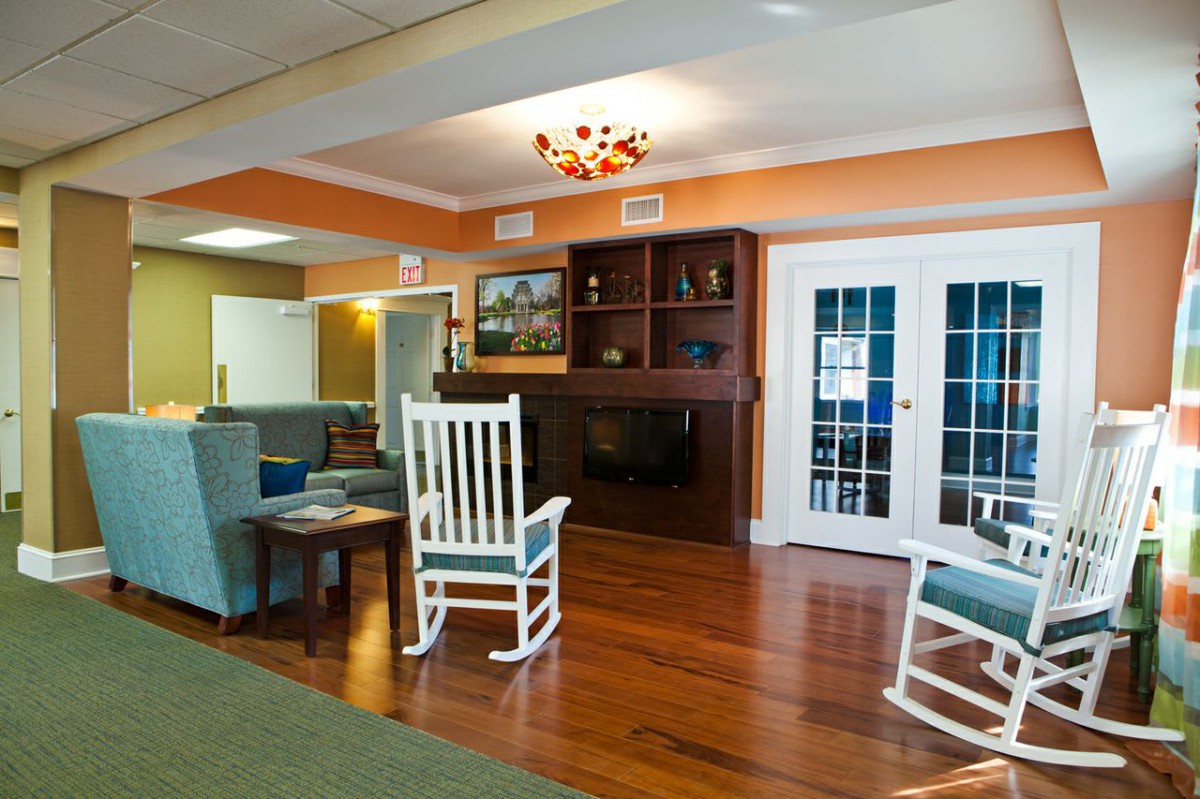
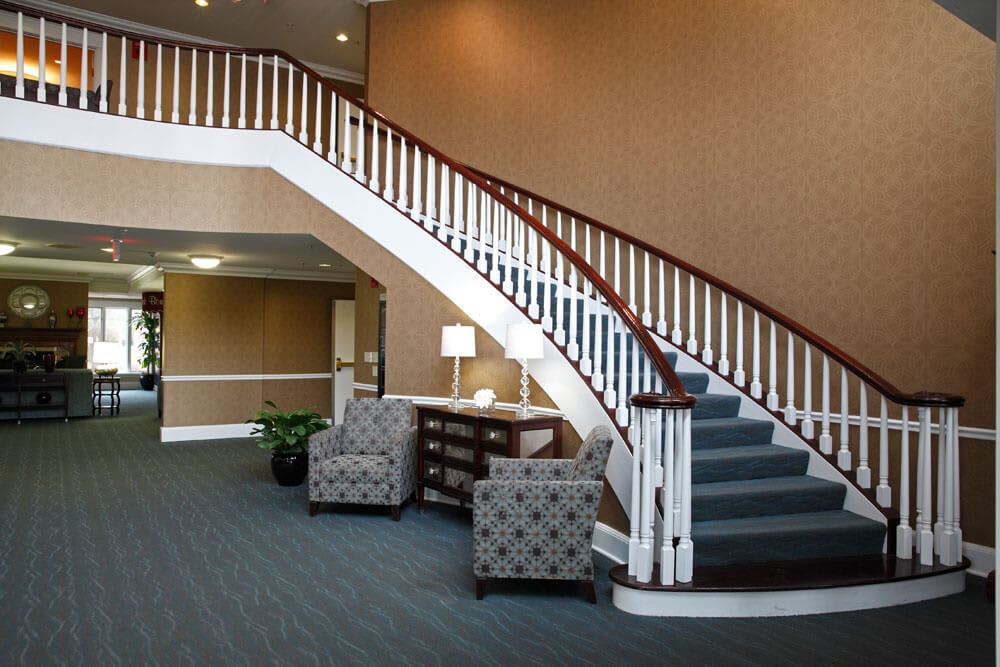
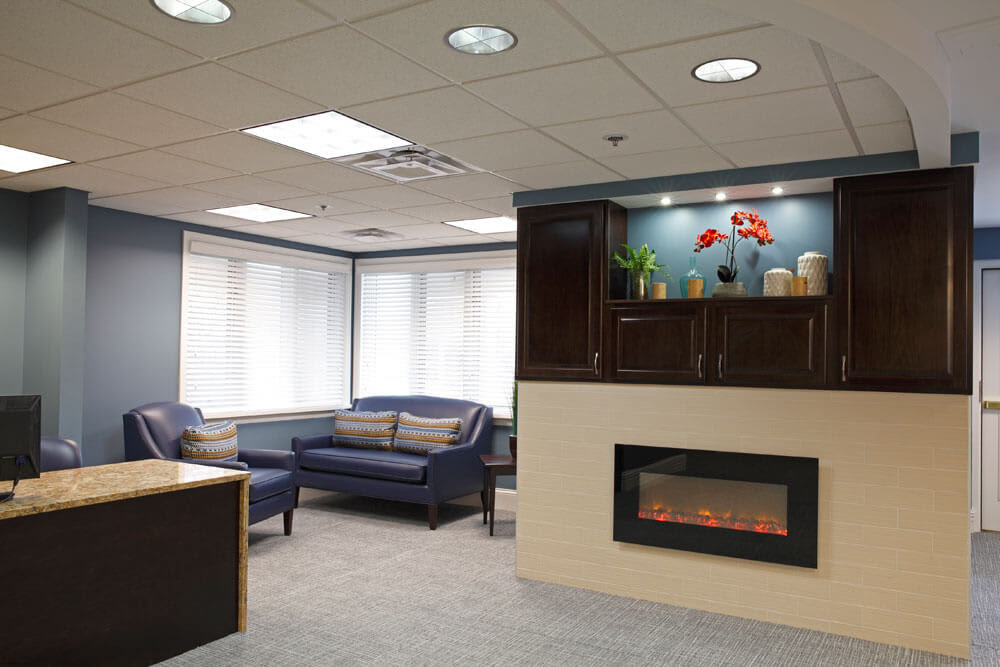
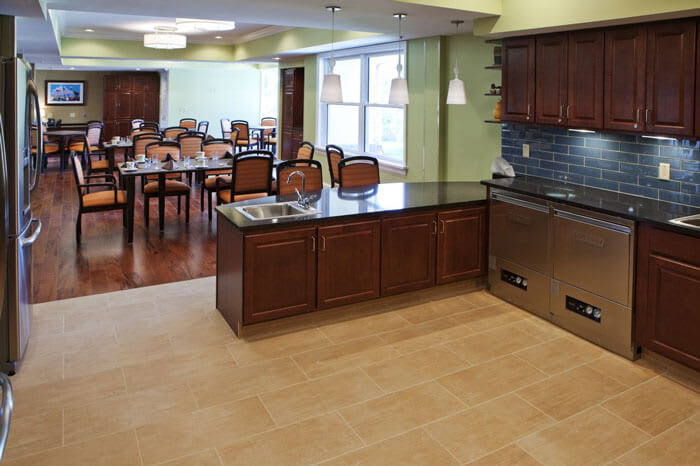
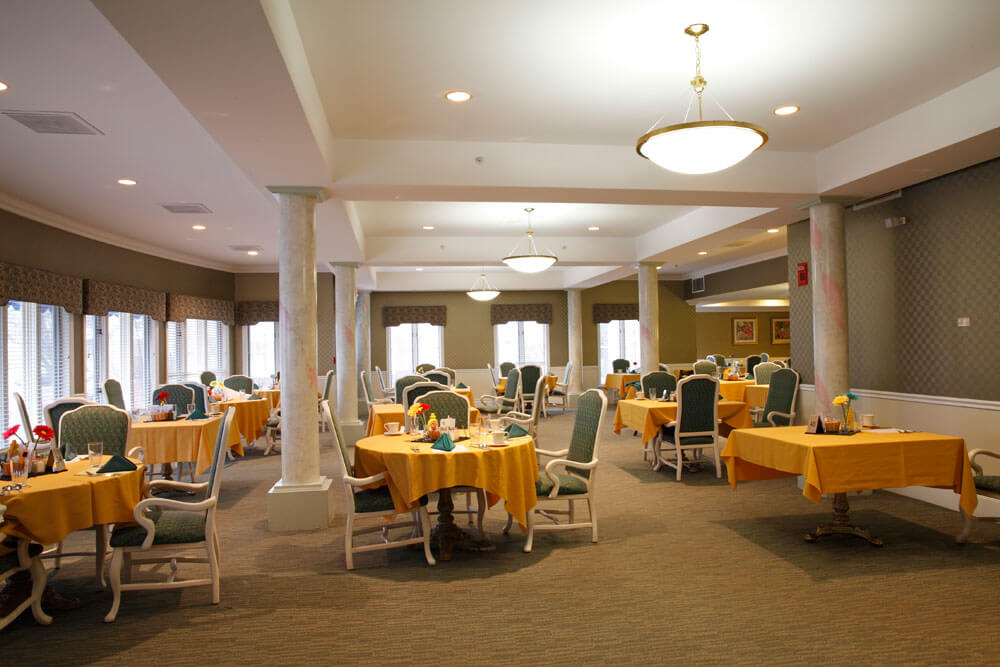
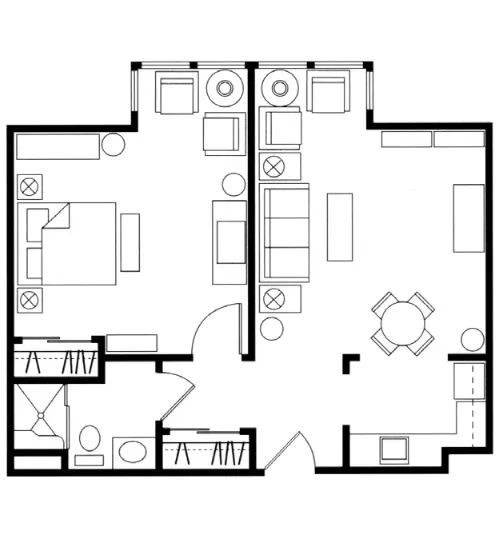
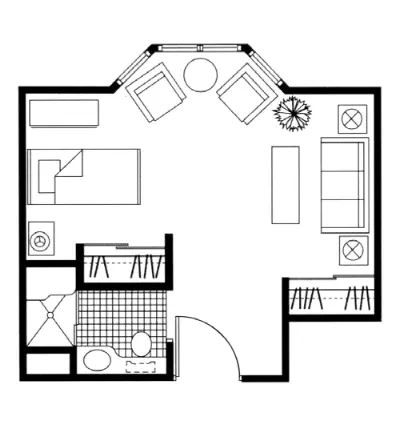
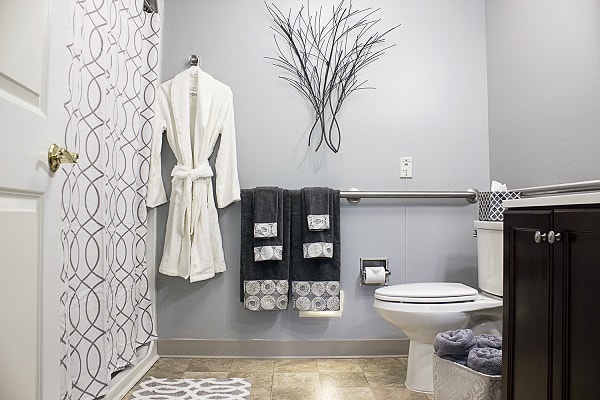
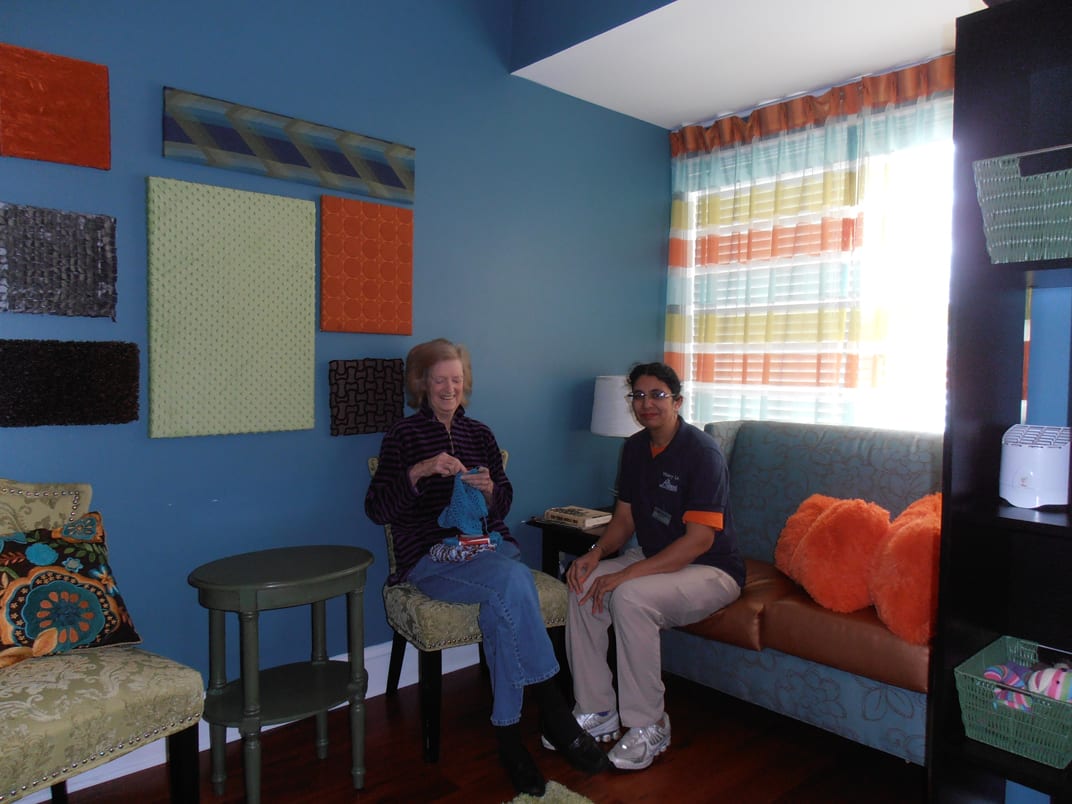
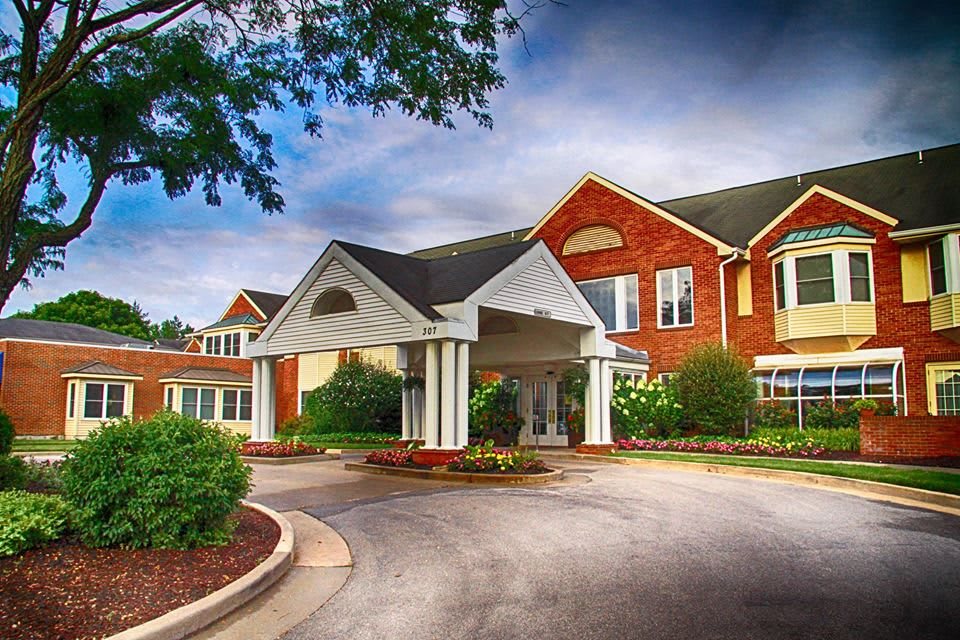
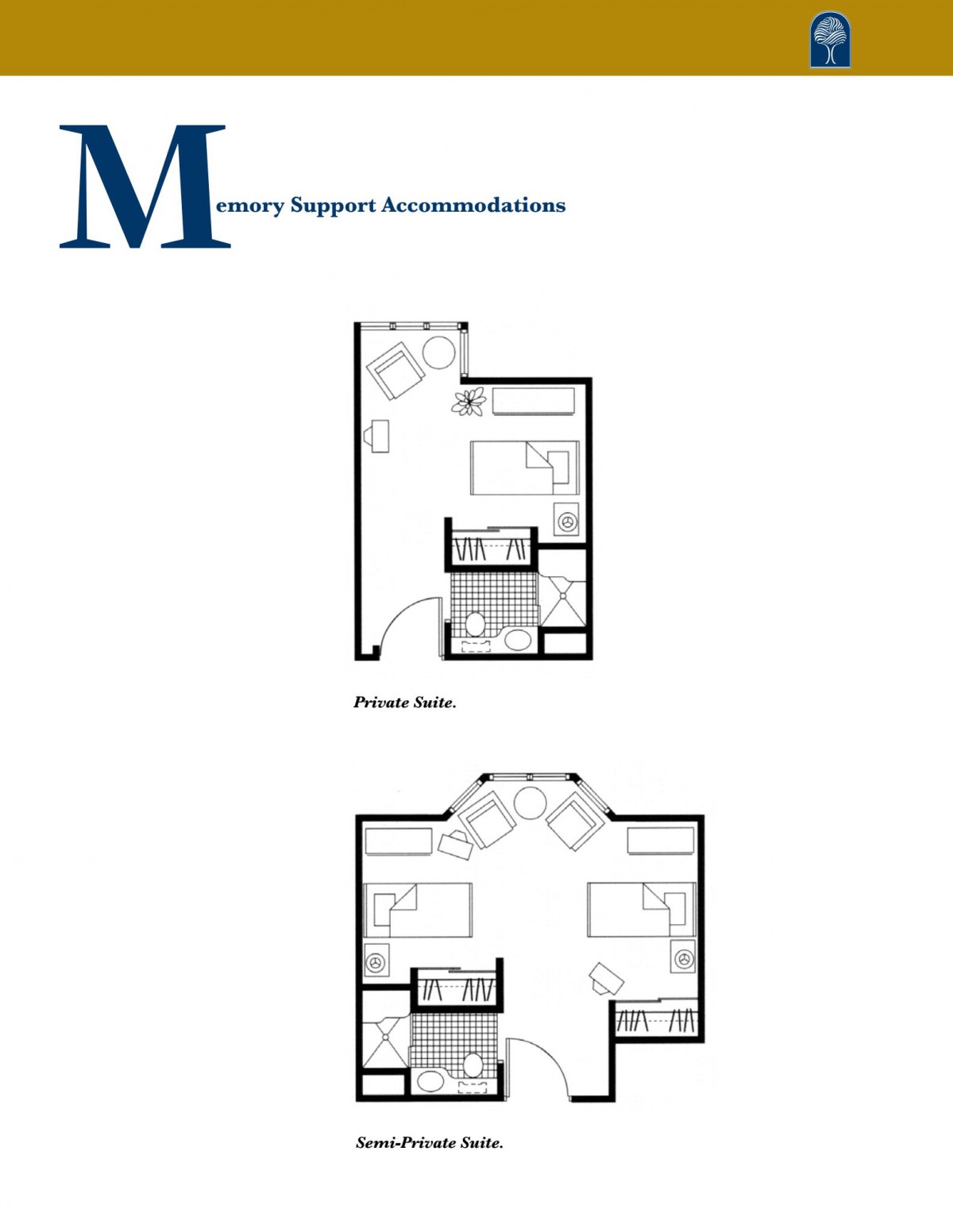
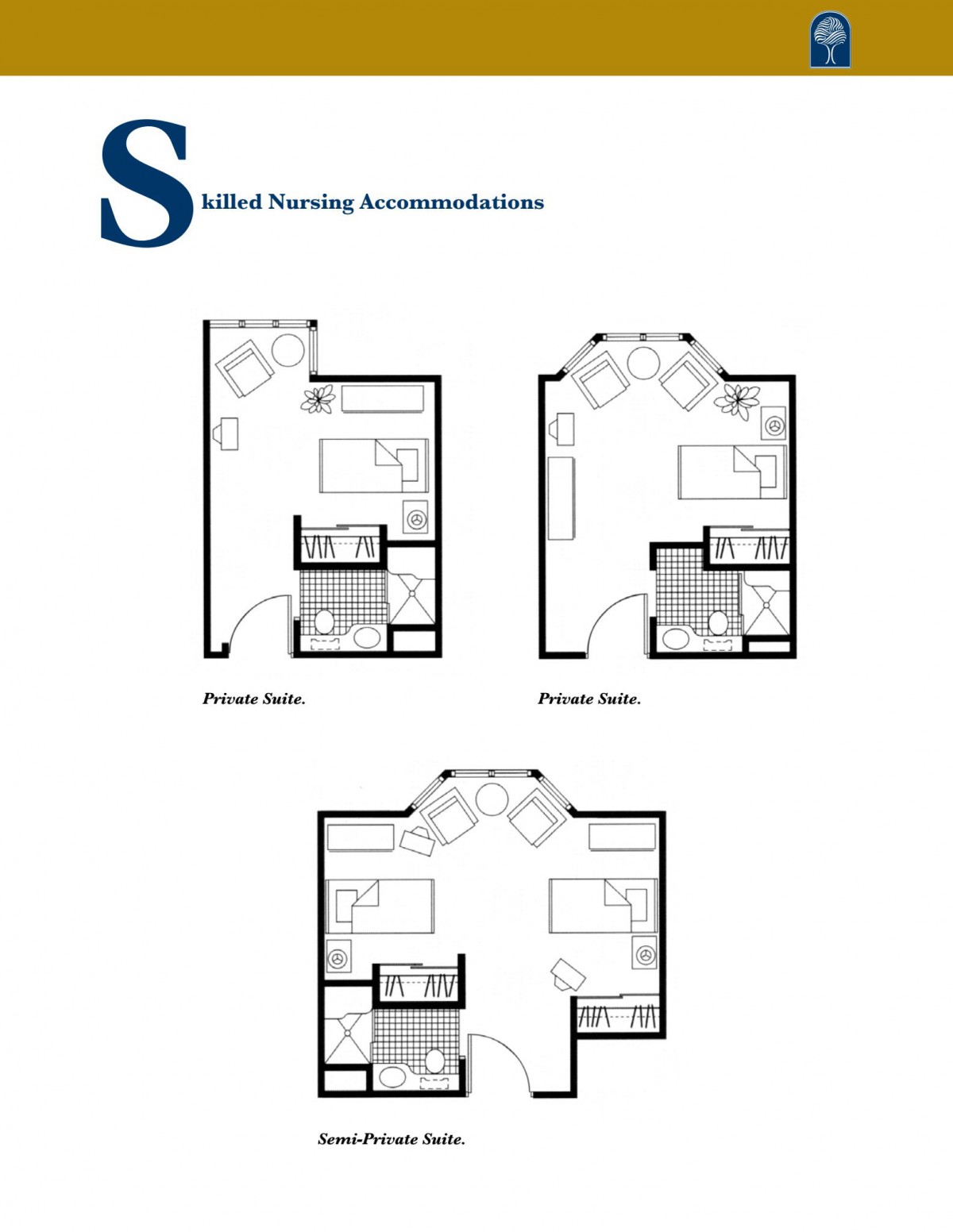
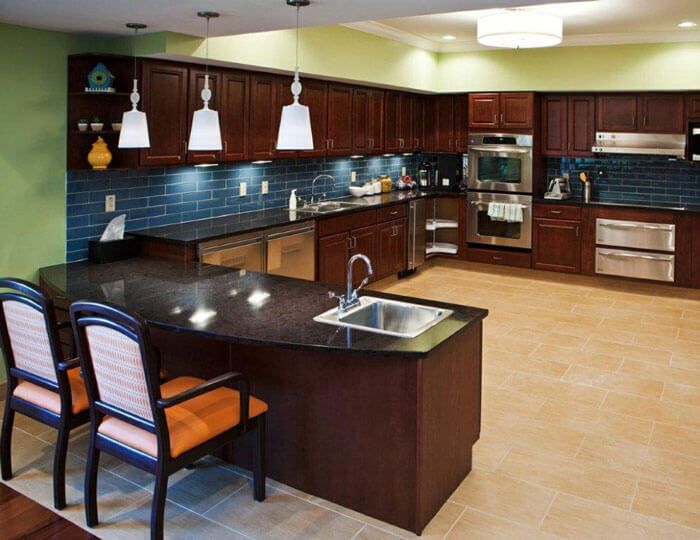
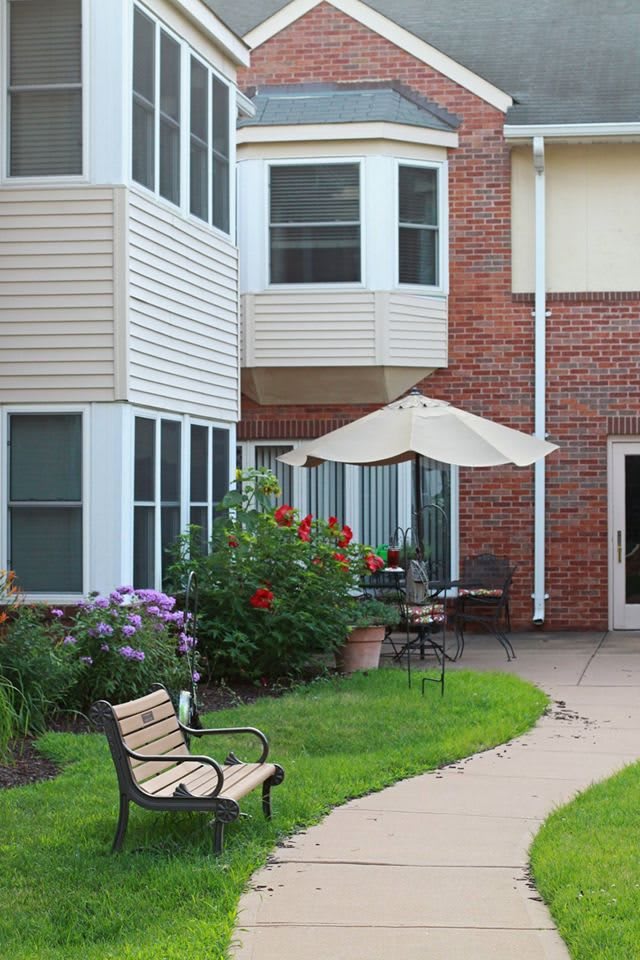
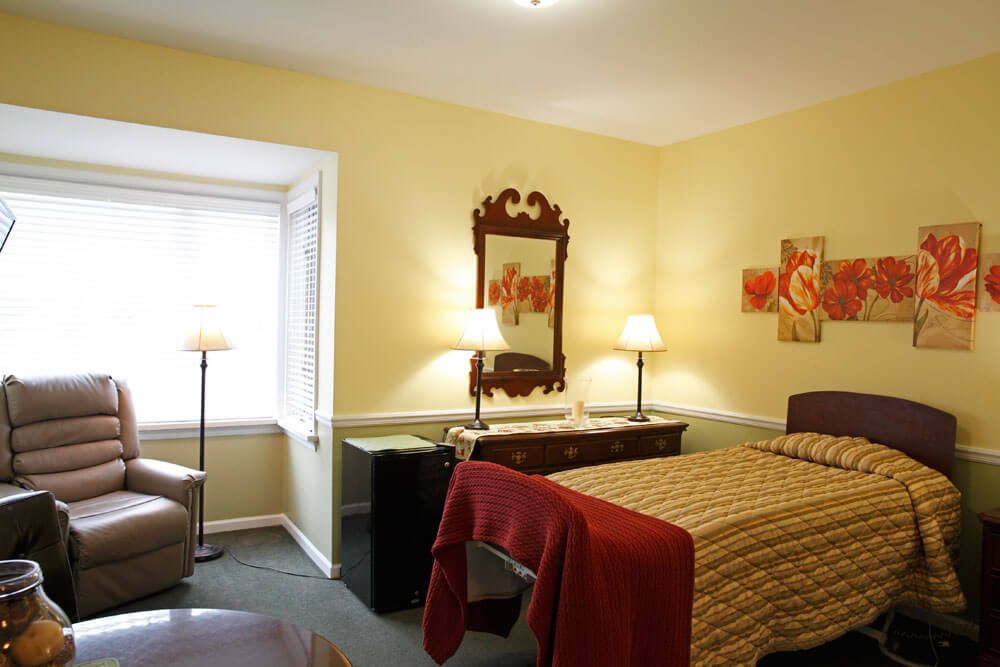
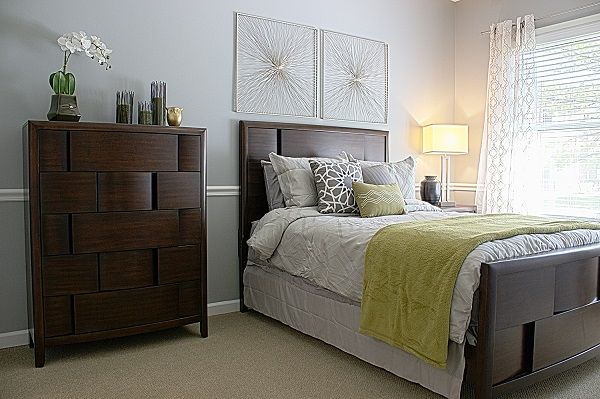
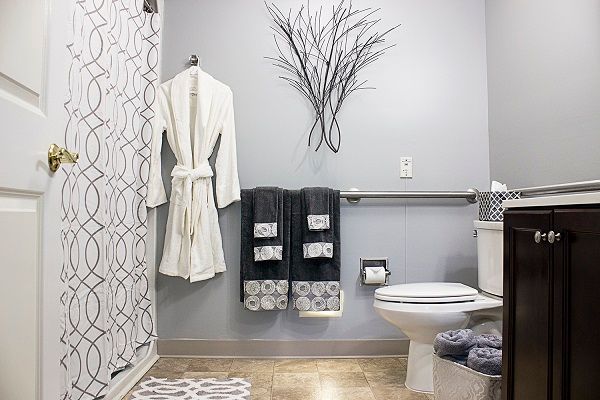
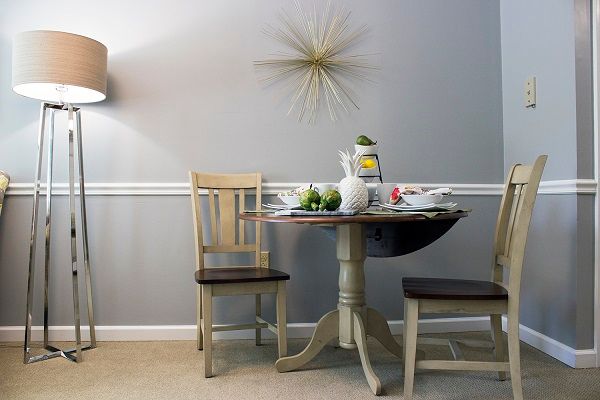
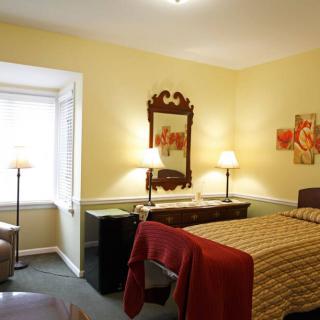
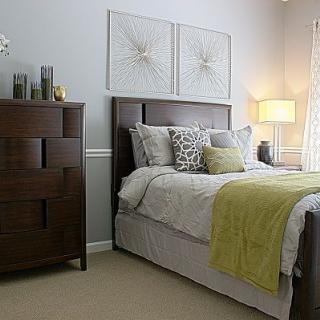
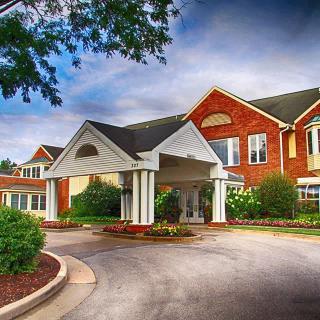
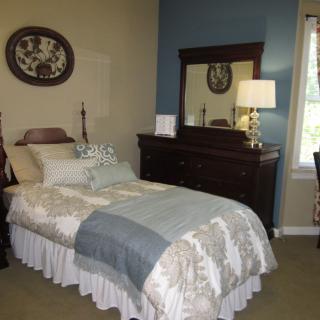
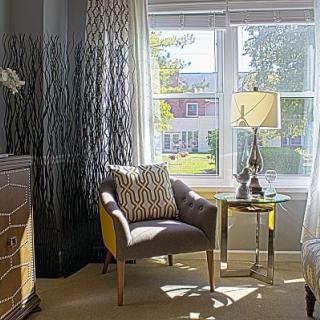
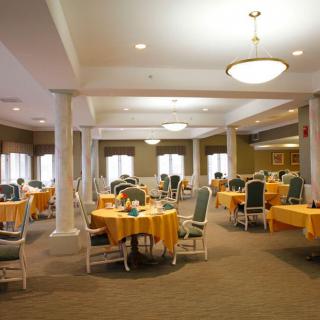
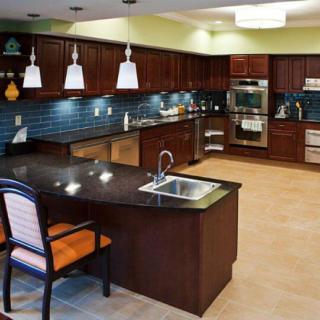
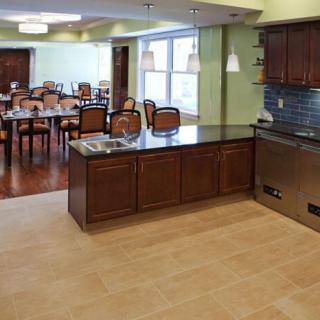
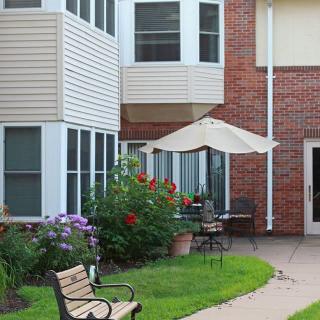
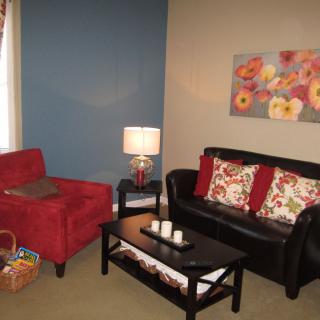
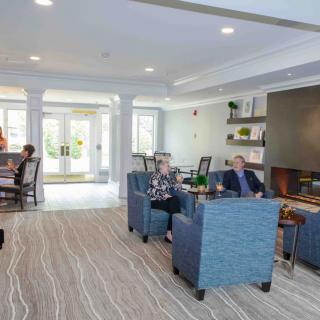
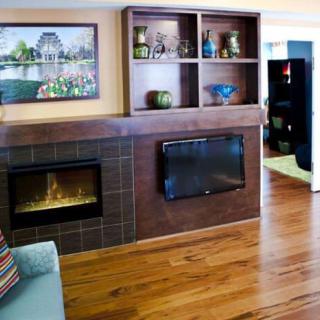
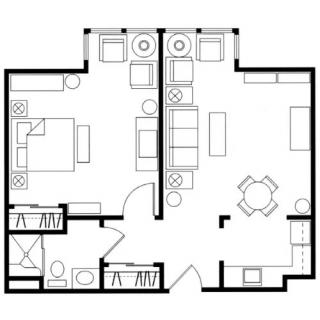
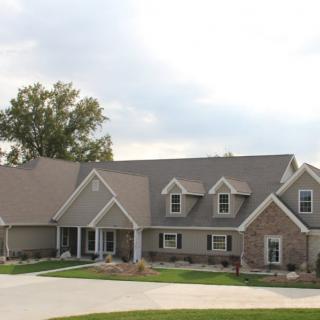
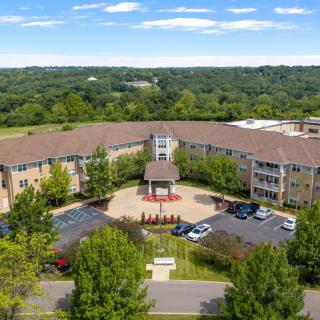
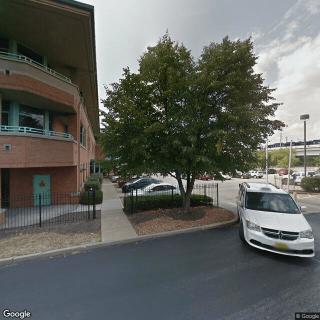
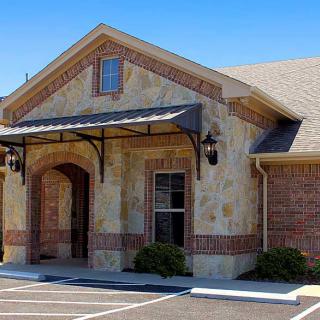
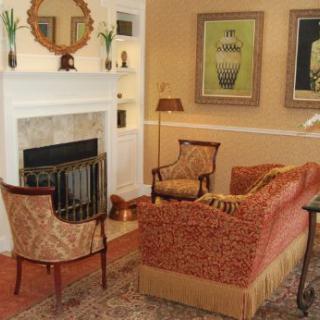
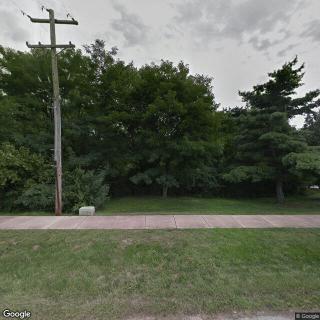
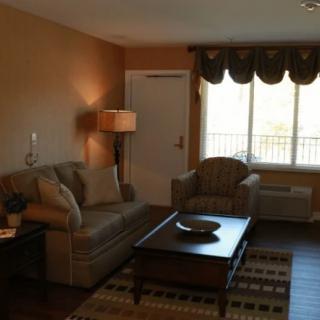
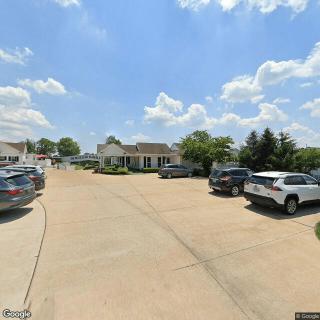
Brooking Park on seniors.fyi includes 36 photos including images showing interior, floor plan, decor, living room, bedroom, dining, windows, kitchen, and more.
Nearby Communities
The Willows at Brooking Park
Chesterfield, MO
3.5 from 23 reviews
Upscale, clean units with friendly staff and a pleasant atmosphere.
Garden Villas
Chesterfield, MO
4.5 from 42 reviews
$2,700 to $4,900 / month
Friendly staff, well-maintained facility, and competitive pricing.
Delmar Gardens West
Town And Country, MO
2.8 from 79 reviews
$4,320 to $5,400 / month
Friendly staff with engaging activities and good dining
The Westchester House
Chesterfield, MO
3.6 from 127 reviews
Some staff provide compassionate, attentive care and the admissions process is straightforward.
NHC HealthCare Town and Country
Town and Country, MO
3.5 from 119 reviews
$5,130 to $7,680 / month
Luxurious, caring environment with attentive staff.
NHC Healthcare - Town & Country
Town And Country, MO
3.6 from 104 reviews
Well-maintained facility with pleasant dining areas and engaging amenities.
Mason Pointe
Town And Country, MO
4.2 from 110 reviews
$4,700 / month
Luxurious amenities with an active social calendar and friendly staff.
Mari De Villa Retirement Ctr
Chesterfield, MO
4.3 from 71 reviews
$4,562 / month
Beautiful, well-maintained villas with an active, friendly community and great amenities.
Delmar Gardens Private Services
Chesterfield, MO
3 from 8 reviews
Accessible, amenity-rich location with nearby cafes, parks, restaurants, pharmacies, and a hospital.
Dementia often results in disrupted sleep patterns, leading to excessive daytime sleeping due to factors like brain damage affecting circadian rhythms, medication side effects, and lack of structure in daily activities. Caregivers must monitor these changes closely, as oversleeping can increase risks such as malnutrition or dehydration, and provide necessary support and routines to enhance patient engagement and well-being.
The transition from assisted living to skilled nursing care is often prompted by complex medical needs that assisted living cannot meet, with key indicators including frequent health declines, increased falls, severe memory issues, and caregiver burnout. Families should recognize these signs early to discuss options with healthcare providers and prepare for the emotional and logistical aspects of moving to a facility that offers comprehensive medical support.
Dementia is characterized by cognitive decline, with nutrition playing a vital role in brain health; while no specific diet can prevent or reverse it, a nutrient-dense diet rich in antioxidants and healthy fats may support cognitive function. The MIND diet, which emphasizes beneficial foods and limits processed items, along with proper hydration and individualized meal strategies, can enhance the well-being of dementia patients.
Get PricingAsk A QuestionSchedule A TourContact Senior Advisor
By clicking submit, you agree to our Partner's Terms of Use. You
also consent to receive calls and texts, which may be autodialed, from our Partner. Your consent is not a condition to
using our Partner's service. Please visit our Partner's Privacy Policy for information about their privacy practices.


 100 resident community capacity
 1-bedroom apartments
 Assisted Living
 Continuing Care Retirement Community (CCRC)
 Memory Care
 Respite Care
 Skilled Nursing Facility
 Cats allowed
 Dogs allowed
 Activities off-site
 Air-conditioning
 Bath tubs
 Beautician on-site
 Cable or satellite TV
 Computer center
 Devotional services on-site
 Dining room
 Fitness room
 Fully furnished
 Gaming room
 Garden
 Handicap accessible
 Housekeeping services
 Indoor common areas
 Kitchenette
 Laundry
 Move-in coordination
 Outdoor common areas
 Overnight guests
 Private bathrooms
 Restaurant-style dining
 Small library
 Telephone
 Wellness center
 Wheelchair accessible showers
 Wi-Fi/high-speed internet available
 Lambert-St Louis International (10 miles away)
 Community operated transportation
 12-16 hour nursing
 24-hour call system
 Ambulatory care
 Assistance with bathing
 Assistance with dressing
 Assistance with transfers
 Diabetes diet
 Diabetic care
 High acuity care
 Incontinence care
 Medication management
 Mental wellness program
 Physical therapy
 Special dietary restrictions
 Art classes
 Catholic services
 Concierge services
 Cooking classes
 Educational speakers / life long learning
 Jewish services
 Planned day trips
 English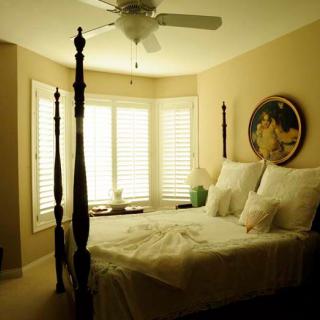
 Upscale, clean units with friendly staff and a pleasant atmosphere.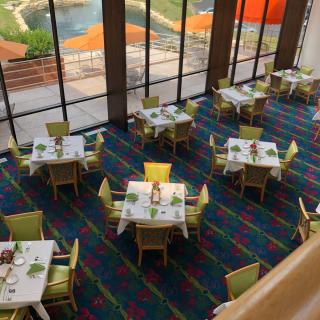



 Why Do Dementia Patients Sleep So Much? Understanding Oversleeping, Stages, and Care Approaches
 8 Key Indicators That Suggest It May Be Time to Transition from Assisted Living to Skilled Nursing Care
 Nourishing the Mind: Essential Dietary Approaches for Dementia