For more information about senior living options: (866) 208-4318
3.5 from 119 reviews
5 stars
58
4 stars
12
3 stars
11
2 stars
3
1 stars
35
NHC HealthCare Town and Country Costs & Pricing
NHC HealthCare Town and Country offers competitive pricing for its various room types, reflecting the specialized services and care provided at this facility. For a semi-private room, the monthly cost is $5,130, which is notably higher than the average rates in St. Louis County ($4,438) and significantly above the statewide average for Missouri ($3,772). Similarly, private rooms are priced at $7,680, again surpassing both local ($4,622) and state averages ($4,483). Studio accommodations also align with this trend at $7,680 per month compared to the county's $4,203 and Missouri's $3,418. These figures suggest that while NHC HealthCare Town and Country may have higher costs than its counterparts in the region and state, they likely reflect a commitment to quality care and amenities that set them apart in the marketplace.
Floor plans
NHC HealthCare Town and Country
St. Louis County
Missouri
Semi-Private
$5,130
$4,438
$3,772
Studio
$7,680
$4,203
$3,418
Private
$7,680
$4,622
$4,483
Skilled Nursing Facilities with a similar price nearby
Cleanliness reviews are mixed, with some residents praising recent updates and others describing strong odors and unclean rooms.
Some visitors describe the building as clean and improved, mentioning new flooring, paint, and a facility that “smelled really good.” Others report problems like strong urine odor, floors not being mopped, dirty linens, and concerns about hygiene and infection control, including mentions of roaches. Several negative reviews connect cleanliness issues to resident wellbeing, while positive reviews frame cleanliness and updates as part of the progress at the facility.
caveat7 reviews mention this
Food quality draws strong opinions
Food is a frequent point of disagreement, with residents and families split between “good” meals and “atrocious” cooking.
A handful of reviewers say the food is good and that dining is something they appreciated during rehab or long-term care. More reviews criticize meals, describing poor taste and presentation, food that looks reused, and worries that residents got sick from meals. One reviewer also contrasts nursing staff positively while saying kitchen food quality was their biggest problem.
caveat9 reviews mention this
Staffing and call response concerns
Several reviews raise concerns about staffing levels and delayed responses when residents need help.
Some reviewers praise staff as attentive, responsive, and dedicated, but multiple negative accounts focus on staffing gaps and slow assistance. Residents and families describe long waits after call buttons, missed needs, and situations where care did not happen as expected. A few reviews also mention residents being left unattended or not receiving care in time, which is why staffing shows up as a recurring concern.
caveat3 reviews mention this
Billing problems show up repeatedly
Billing experiences include both Medicaid help and serious complaints about bills and returned overpayments.
One reviewer credits the business office manager with helping secure Medicaid within a month. Other reviews complain about billing office problems, including incorrect bills, difficulty getting in touch, and refusal to return an overpayment after a loved one’s passing. Overall, billing and follow-through appear as an area where experiences vary widely.
common6 reviews mention this
Updates and activity programming
Residents and visitors describe improvements to the facility and a steady stream of activities.
Several reviewers mention renovations and upgrades, such as replacing flooring and updating areas, describing a noticeable change from earlier conditions. Alongside that, many comments highlight activities happening regularly—like events, entertainment, and seasonal gatherings—so residents are not only waiting for scheduled care. Even among mixed reviews, people who viewed the community during visits often point to ongoing programming as a positive part of the experience.
How we summarize
Counts show how many written reviews mention each theme; a review can touch several themes, and only frequently mentioned themes are displayed.
NHC HealthCare Town and Country offers competitive pricing for its various room types, reflecting the specialized services and care provided at this facility. For a semi-private room, the monthly cost is $5,130, which is notably higher than the average rates in St. Louis County ($4,438) and significantly above the statewide average for Missouri ($3,772). Similarly, private rooms are priced at $7,680, again surpassing both local ($4,622) and state averages ($4,483). Studio accommodations also align with this trend at $7,680 per month compared to the county's $4,203 and Missouri's $3,418. These figures suggest that while NHC HealthCare Town and Country may have higher costs than its counterparts in the region and state, they likely reflect a commitment to quality care and amenities that set them apart in the marketplace.
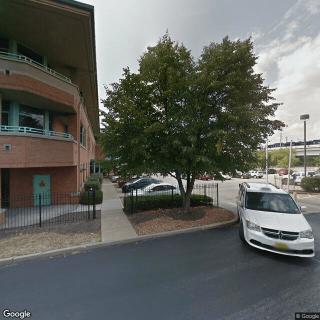
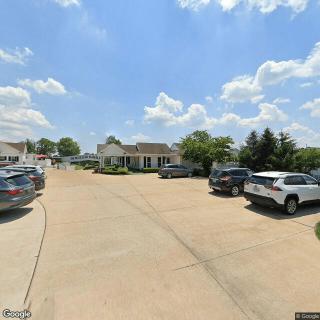
NHC HealthCare Town and Country is located at 13995 Clayton Road Call 1st b4 setting appointment, Town and Country, MO 63017 in St. Louis County, Missouri
The article differentiates between assisted living and memory care, explaining that assisted living supports seniors with daily activities while promoting independence, whereas memory care provides specialized services for individuals with dementia, focusing on secure environments and cognitive support. It also addresses staff training, safety considerations, costs, family involvement, and transition strategies for families navigating these care options.
The article outlines effective communication strategies for interacting with loved ones with dementia, highlighting the need for empathy, patience, and understanding while emphasizing supportive approaches like using simple language, minimizing distractions, and focusing on feelings over facts to maintain dignity and foster connection. It also suggests seeking professional guidance when needed as communication challenges evolve.
VA nursing homes, or Community Living Centers (CLCs), offer tailored long-term care for veterans, featuring medical attention and rehabilitation in a supportive environment. The guide covers facility types, eligibility criteria, financial assistance options, quality of care standards, and alternatives to full-time nursing home placement.
Get PricingAsk A QuestionSchedule A TourContact Senior Advisor
By clicking submit, you agree to our Partner's Terms of Use. You
also consent to receive calls and texts, which may be autodialed, from our Partner. Your consent is not a condition to
using our Partner's service. Please visit our Partner's Privacy Policy for information about their privacy practices.


 Memory Care
 Skilled Nursing Facility
 Private
 Lambert-St Louis International (11 miles away)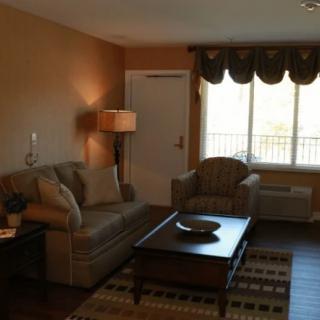
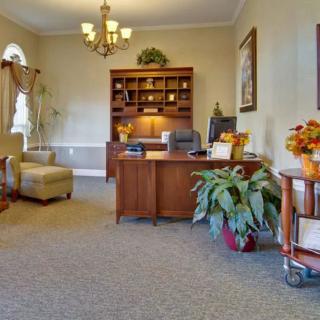
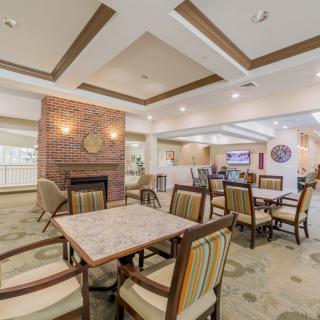
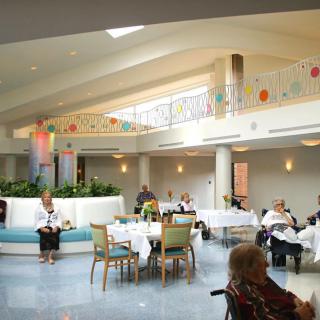
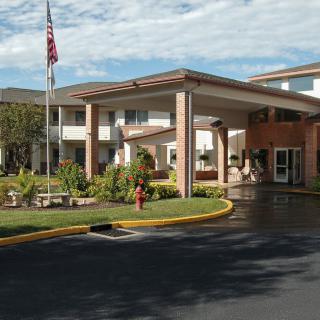
 Well-maintained facility with pleasant dining areas and engaging amenities.



 Understanding the Distinctions: Assisted Living and Memory Care Explained
 How to Communicate with a Loved One Living with Dementia: 10 Supportive Strategies
 Comprehensive Guide to VA Nursing Homes: A Crucial Long-Term Care Resource for Veterans