Delmar Gardens West in Town And Country, MO

Save

  • Interior

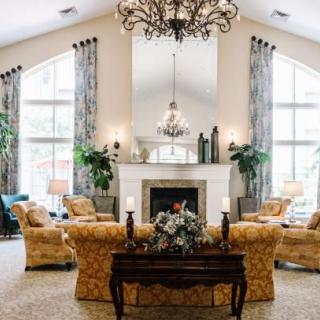
    A spacious hospital lobby with people seated in the waiting area.
  • Building

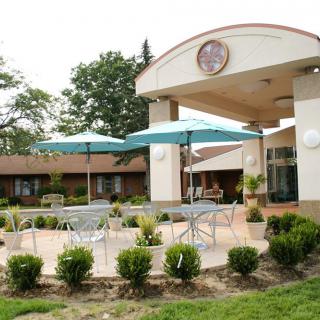
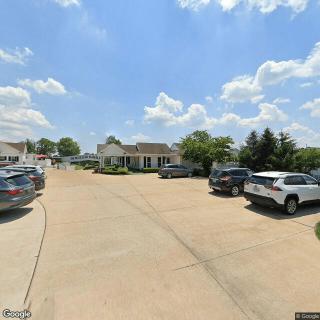
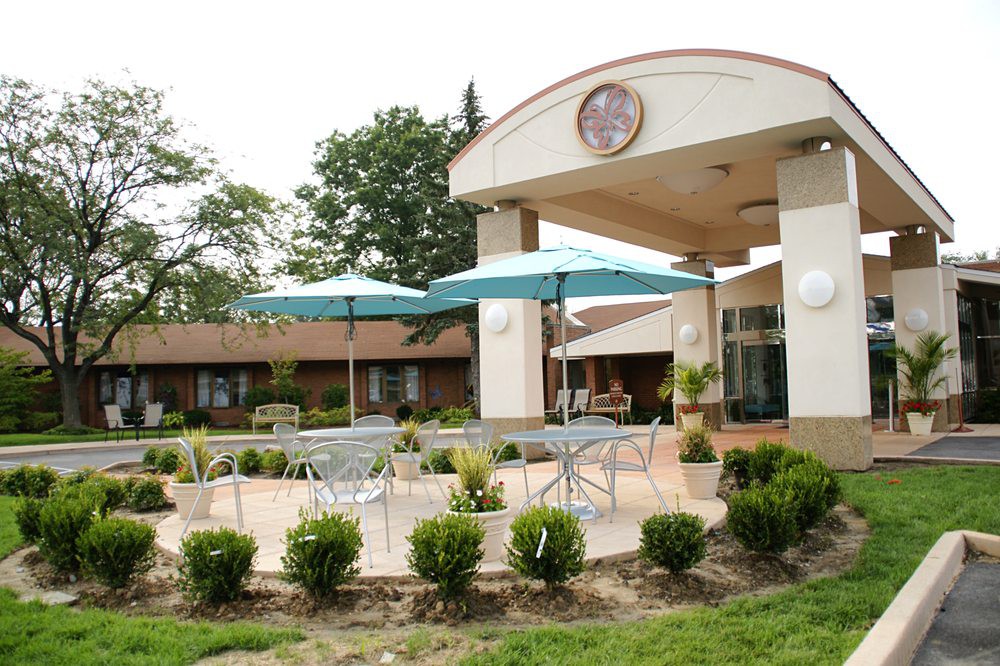
    An outdoor dining area with tables, chairs, and umbrellas near a building, surrounded by landscaped greenery.
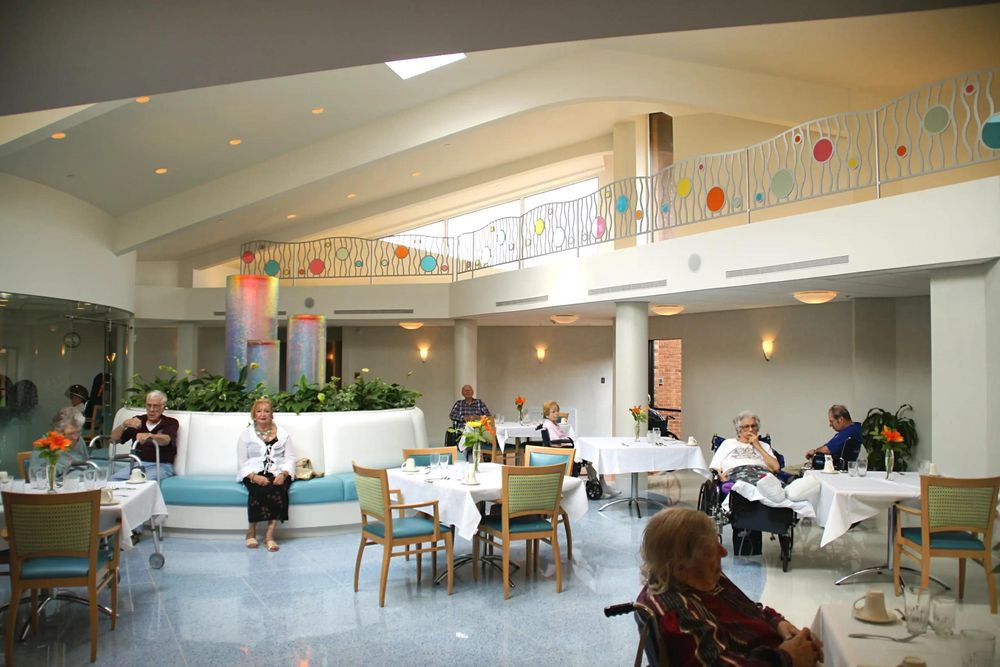
  • Dining

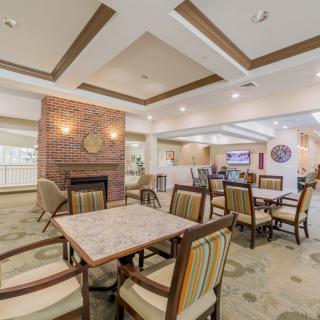
    A modern restaurant interior featuring decorative lighting and colorful columns.
  • Landscaping

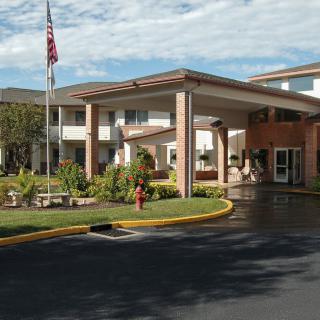
    A building entrance with outdoor seating and umbrellas on a landscaped patio.
  • Waiting Area

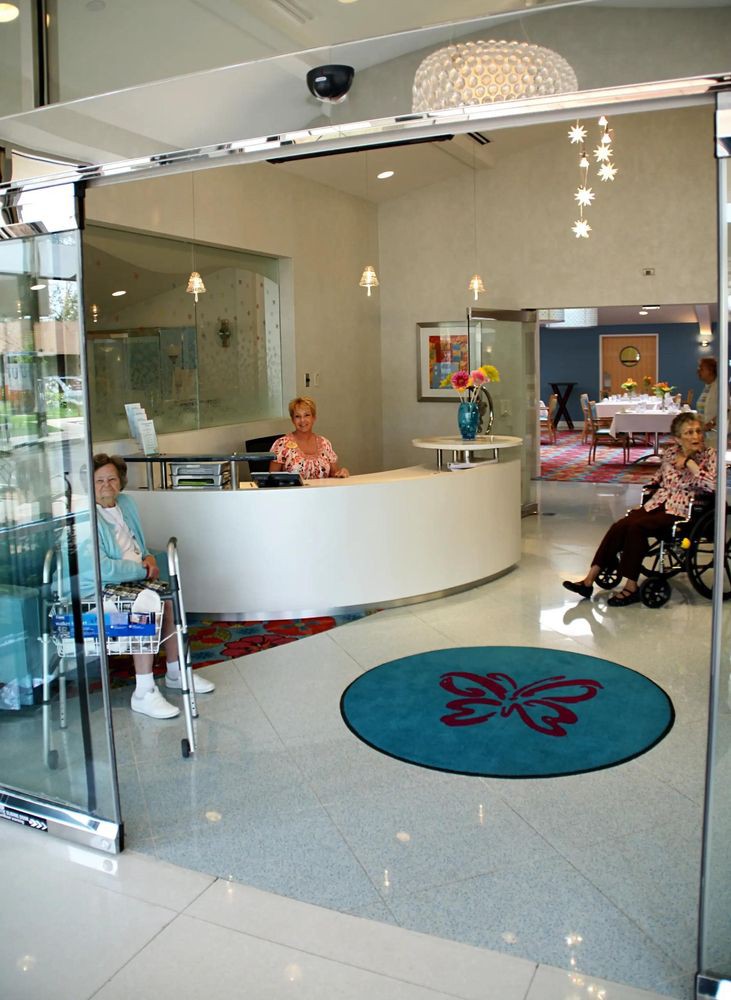
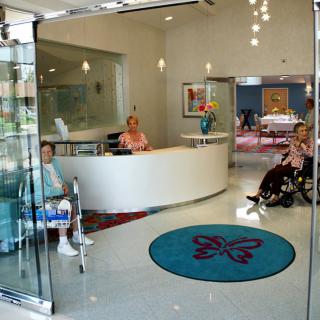
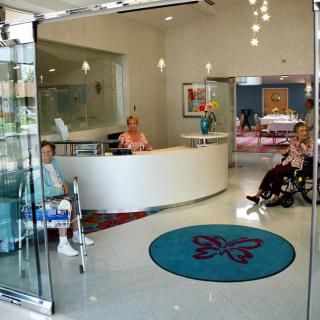
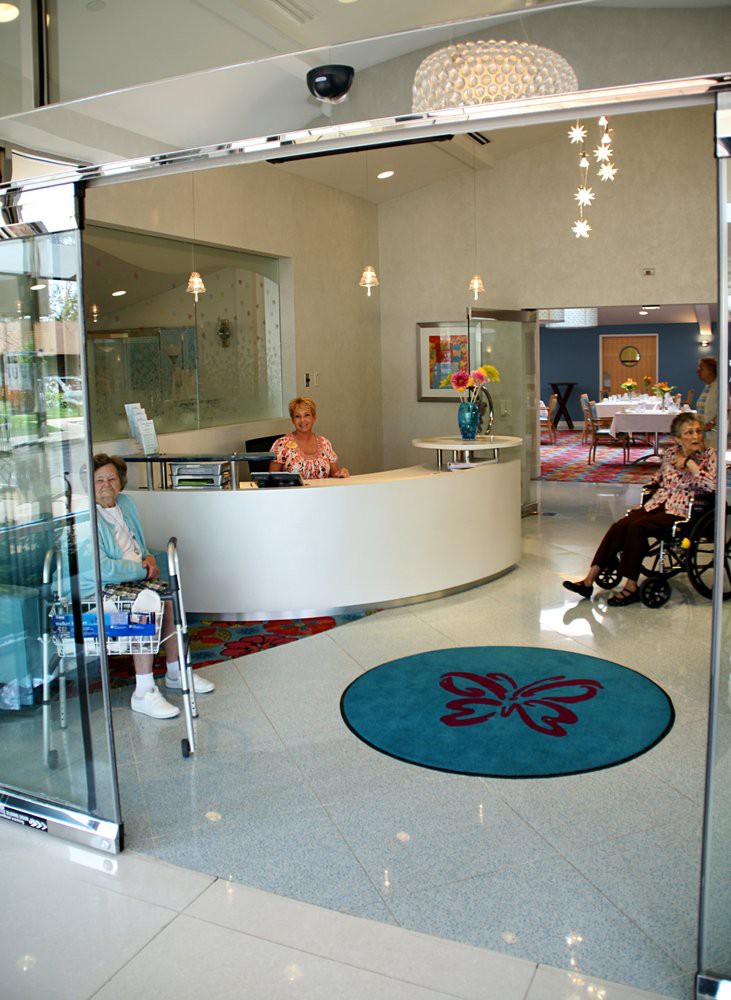
    A hospital reception area with staff and patients in wheelchairs.
  • Reception Area

    A welcoming reception area in a healthcare facility, featuring a front desk and seating for visitors, including accommodations for those using wheelchairs.

Delmar Gardens West in Town And Country, MO

13550 South Outer 40 Road, Town And Country, MO 63017

For more information about senior living options: (844) 490-3973

2.8 from 74 reviews
5 stars
26
4 stars
8
3 stars
1
2 stars
4
1 stars
35

Skilled Nursing Facility

Delmar Gardens West Costs & Pricing

Delmar Gardens West offers competitive pricing for its residential options, with monthly costs for semi-private rooms set at $4,320 and private rooms at $5,400. When compared to the broader market in St. Louis County, where semi-private rooms average $4,438 and private accommodations reach $4,622, Delmar Gardens West presents a slightly more economical choice for those considering semi-private living arrangements. However, its private room rate is notably higher compared to the county average and also exceeds the state's average for private rooms in Missouri, which stands at $4,483. This comparison highlights Delmar Gardens West's commitment to providing quality care and a comfortable living environment while also reflecting the unique value it offers within the region's landscape of assisted living facilities.

Floor plansDelmar Gardens WestSt. Louis CountyMissouri
Semi-Private$4,320$4,438$3,772
Private$5,400$4,622$4,483

What level of care are you interested in?

Assisted Living

Memory Care

Independent Living

Skilled Nursing Facility

Continuing Care Retirement Community (CCRC)CCRC

Other


Request a tour at Delmar Gardens West

    Overall Review of Delmar Gardens West

    Pros

    • pro The front desk staff were nicer and more accommodating.
    • pro Sean, who helped with intake, was amazing and followed up afterward.
    • pro Richard the administrator and Marcie the social worker went out of their way and followed up after discharge.
    • pro The rest of the staff were terrific.
    • pro My mom was there for 3 weeks and was cared for very well.
    • pro Everything at Delmar Gardens West looks nice, and the staff is friendly and knowledgeable.

    Cons

    • pro The facility is infested with bed bugs and roaches, and the CNA staff allegedly verbally abuse residents.
    • pro The staff are lazy with nasty attitudes, and the facility smells of urine and dirt.
    • pro The building is chronically short-staffed, with call bells ignored and residents left unattended.
    • pro Management is shady and mismanaged, with little accountability or oversight.
    • pro Residents' clothing and personal belongings are reportedly stolen by roommates or staff.
    • pro Residents are left in urine-soaked conditions with inadequate cleaning after accidents.
    • pro Nurses and aides reportedly yell at patients and fail to provide basic care, causing fear and distress.
    • pro Families are threatened with police when advocating for proper care.
    • pro The care is described as unprofessional, negligent, and not up to standard; some reviewers say the place should be shut down.
    • pro The facility feels old, dirty, and unwelcoming, despite outward appearances.
    • pro Private pay residents report receiving no better care than Medicaid residents.
    • pro Delays and errors in medication administration, dehydration, and missed treatments are commonly described.

    Review

    Delmar Gardens West is best suited for families seeking short-term post-acute rehab with an active program and approachable front-office staff, and for residents who can tolerate close family oversight to ensure care standards are met. The facility's strongest selling points show up in the rehab path: responsive intake personnel, a committed administrator at times, and a therapy team that can deliver meaningful progress when staffing is adequate. The promise of good food options and a calendar of activities - art projects, bingo, music events, shopping trips - appears genuine and can help a recovering loved one stay engaged. In other words, for a recover-from-surgery or injury scenario where independence isn't yet restored and daily stimulation matters, the setting can work - so long as the family remains vigilant and prepared to advocate.

    Those who should consider alternatives are primarily families planning longer-term residency or relying on consistent, highly attentive care around the clock. Several reviews flag chronic understaffing, high turnover, and a pattern of caregivers who seem stretched thin, hurried, or disengaged. The risk of poor call-light response, missed treatments, and uneven supervision across shifts is a recurring concern. For memory care needs, complex medical conditions, or residents who require steady, private attention, a facility with a more predictable staffing model and stronger oversight would likely deliver more reliable outcomes. Finally, families that cannot visit frequently or monitor daily routines may find the environment too volatile to trust with a loved one's safety and dignity.

    The upside in the positives - caring individuals in administration and therapy, friendly front-desk service, and occasional, high-quality clinical care - does not fully neutralize the significant downsides. When staff are present and in good spirits, residents report meaningful interactions, timely assistance, and engaged therapy that supports mobility and recovery. Food quality and willingness to accommodate preferences also surface as notable perks in several accounts. Yet these strengths are unevenly distributed across shifts and departments; they rise when the facility happens to be well-staffed and engaged, and they falter when temporary aides or agency staff take over. The gap between excellent moments and troubling incidents leaves families uncertain about what a typical day will feel like.

    In practice, the pros can offset the cons only to a limited extent. For a person who values robust rehab, social programming, and accessible staff during a short stay, Delmar Gardens West may deliver tangible benefits. But the recurring themes of neglectful care, odor and cleanliness concerns, safety lapses, and even allegations of theft or abuse in some reviews create a volatility that is hard to accept for long-term living. The facility's age and maintenance issues compound these worries, as do reports of poor nighttime care and inconsistent medical follow-through. For families whose loved one has resilience, winsome days, and outpatient support to fill gaps, the positives can balance out some risks; for those seeking dependable, consistently compassionate care across all hours, the cons tend to dominate.

    Prospective families should prioritize concrete, trip-wire questions before committing. Request current staffing ratios by shift, the on-site supervisor structure, and the frequency of aide-assisted tasks (bathing, toileting, mobility) for residents with similar needs. Review the most recent state inspection findings and ask for a transparent explanation of any open concerns and how they're being addressed. During a visit, observe call-light response times, the cleanliness of rooms and common areas, and whether staff appear rushed or engaged. Ask to meet the therapy team, tour the rehab gym during a treatment window, and verify how dietary restrictions and preferences are managed. Finally, probe the memory care pathway if a memory-impaired loved one is involved, ensuring there is a clearly defined care plan and secure, appropriate housing arrangements.

    Bottom line: Delmar Gardens West can be a viable choice for a well-supported rehab taper and for families willing to stay closely involved, but it is not a reliable long-term option for those requiring steady, high-caliber daily care. The institution's best-case scenarios hinge on adequate staffing, vigilant family oversight, and a strong social and therapeutic program. For families prioritizing consistent safety, cleanliness, and responsive care around the clock, exploring alternatives with stronger staffing metrics and transparent oversight is prudent. In the end, prudent selection comes down to balancing the rehab potential and social offerings against the real-world gaps in staffing and care that too often surface in reviews.

    Features

    Housing

    • 321 resident community capacity 321 resident community capacity

    Types of Care

    • Skilled Nursing Facility Skilled Nursing FacilitySkilled Nursing Facilities are crucial for seniors as they provide round-the-clock medical care, rehabilitation services, and assistance with daily activities. These facilities ensure that seniors receive the specialized care they need to maintain their health and well-being as they age.

    Pets

    • Cats allowed Cats allowed"Pet friendly" senior living communities are important for seniors because pets provide companionship, reduce feelings of loneliness and depression, promote physical activity and mental stimulation, and offer a sense of purpose and responsibility. Pets can improve overall well-being and quality of life for seniors in many ways.
    • Dogs allowed Dogs allowed"Pet friendly" senior living communities are important for seniors because pets provide companionship, reduce feelings of loneliness and depression, promote physical activity and mental stimulation, and offer a sense of purpose and responsibility. Pets can improve overall well-being and quality of life for seniors in many ways.

    Amenities

    • Activities on-site Activities on-siteActivities on-site are important for seniors because they provide opportunities for socialization, mental stimulation, physical activity, and overall well-being. Engaging in activities can help seniors stay active, maintain their independence, and improve their quality of life.
    • Air-conditioning Air-conditioningAir conditioning is important for seniors as they are more vulnerable to heat-related illnesses and may have underlying health conditions that make it difficult for them to regulate their body temperature. It helps to keep them comfortable, safe, and healthy in hot weather.
    • Beauty salon Beauty salonBeauty salons are important for seniors because they provide a space for them to feel pampered, socialize, and maintain their personal grooming and hygiene. Regular visits to a beauty salon can help boost seniors' self-esteem and overall well-being.
    • Cable or satellite TV Cable or satellite TVCable or satellite TV is important for seniors because it provides entertainment, news, and companionship, helping to combat loneliness and boredom. It also offers a wide range of programming options tailored to different interests and preferences.
    • Computer center Computer centerA computer center is essential for seniors as it provides access to technology, communication tools, and resources that can enhance their daily lives. It allows them to stay connected with loved ones, engage in online activities, and learn new skills, ultimately promoting socialization and mental stimulation.
    • Devotional services off-site Devotional services off-siteDevotional services off-site are important for seniors as they provide spiritual nourishment, social engagement, and a sense of community outside of the senior living facility. This can enhance overall well-being and help combat feelings of isolation and loneliness often experienced by older adults.
    • Dining room Dining roomDining rooms are important for seniors as they provide a space for socialization, connection, and nutritious meals. They offer opportunities for residents to bond over shared meals, foster a sense of community, and promote healthy eating habits. Dining rooms also ensure that seniors have access to well-balanced meals tailored to their dietary needs and preferences.
    • Fitness room Fitness roomHaving a fitness room in a senior living community is essential for seniors to stay active, maintain their physical health, and improve their overall well-being. Regular exercise can help prevent falls, reduce the risk of chronic diseases, and promote mental sharpness. It also provides social opportunities for residents to connect with others and enjoy a sense of community.
    • Fully furnished Fully furnishedFully furnished senior living communities are important for seniors because they provide convenience, comfort, and a hassle-free moving experience. Seniors can easily settle into their new living space without the stress of having to buy and move furniture. This allows them to focus on enjoying their new home and community.
    • Gaming room Gaming roomGaming rooms are important for seniors as they provide a fun and engaging environment for socializing, cognitive stimulation, and physical activity. Games can improve memory, problem-solving skills, and overall mental well-being while fostering friendships and reducing feelings of isolation.
    • Garden GardenGardens are important for seniors as they provide a peaceful and therapeutic environment for relaxation, physical activity, and socialization. Being in nature has been shown to reduce stress, improve mood, and promote overall well-being. Gardens also offer opportunities for seniors to engage in gardening activities, which can improve mobility, flexibility, and cognitive function. Additionally, gardens create a sense of community and connection with others who share a passion for plants and outdoor spaces.
    • Housekeeping services Housekeeping servicesHousekeeping services are important for seniors because they help maintain a clean and safe living environment, promote independence, and reduce the risk of accidents or illnesses. Additionally, having assistance with household chores can alleviate physical strain and allow seniors to focus on other aspects of their well-being.
    • Indoor common areas Indoor common areasIndoor common areas are crucial for seniors as they provide a space for socialization, recreation, and community engagement, promoting overall well-being and reducing feelings of isolation and loneliness.
    • Kitchenette KitchenetteKitchenettes are important for seniors living in senior living communities because they provide the convenience and independence of being able to prepare simple meals and snacks in the comfort of their own living space. This can help promote a sense of autonomy and well-being for seniors, allowing them to maintain some level of control over their dietary choices and daily routines.
    • Move-in coordination Move-in coordinationMove-in coordination is important for seniors because it helps ease the transition into their new living environment. It ensures that all logistics, such as packing, organizing movers, and setting up utilities are taken care of, allowing seniors to focus on settling in and adjusting to their new home. Having a smooth move-in process can alleviate stress and anxiety, making the transition smoother and more enjoyable for seniors.
    • Outdoor space Outdoor spaceOutdoor spaces are important for seniors as they provide opportunities for physical activity, social interaction, exposure to natural light and fresh air, and a sense of connection to nature. Having access to outdoor spaces can improve overall well-being and quality of life for older adults living in senior communities.
    • Private PrivatePrivacy is important for seniors as it allows them to maintain their independence, dignity, and sense of control over their own lives. It also gives them the space and freedom to relax, reflect, and engage in activities that bring them joy and fulfillment. Creating private spaces within senior living facilities is crucial for promoting overall well-being and quality of life.
    • Private bathrooms Private bathroomsPrivate bathrooms are important for seniors in senior living communities because they provide independence, dignity, and comfort. Having a private bathroom allows seniors to maintain their personal hygiene routines without the need for assistance, promoting a sense of autonomy and privacy. Additionally, private bathrooms help prevent the spread of infections and provide a safe and clean environment for seniors to navigate safely.
    • Restaurant-style dining Restaurant-style diningRestaurant-style dining is important for seniors because it allows them to enjoy delicious, nutritious meals in a social and upscale setting. This enhances their dining experience, promotes healthy eating habits, and fosters socialization with fellow residents, ultimately contributing to their overall well-being and quality of life.
    • Small library Small librarySmall libraries are important for seniors as they provide access to a variety of reading materials, including books, newspapers, and magazines. This can help stimulate their minds, keep them engaged, and provide a sense of community through book clubs and other social activities. Additionally, reading has been shown to improve cognitive function and overall mental well-being in older adults.
    • Telephone TelephoneTelephones are important for seniors as they provide a lifeline for communication with loved ones, emergency services, and healthcare providers. They offer a sense of security and independence, enabling seniors to stay connected and access assistance when needed.
    • Wellness center Wellness centerWellness centers are important for seniors because they offer a variety of programs and services that promote physical, mental, and emotional well-being. These centers provide opportunities for exercise, socialization, education, and relaxation, helping seniors maintain their overall health and quality of life.
    • Wi-Fi/high-speed internet available Wi-Fi/high-speed internet availableWi-Fi/high-speed internet is important for seniors to stay connected with loved ones, access online resources, and participate in virtual activities to combat feelings of loneliness and isolation. It also allows them to easily manage healthcare needs, access entertainment, and engage in lifelong learning opportunities.

    Transportation

    • Lambert-St Louis International (11 miles away) Lambert-St Louis International (11 miles away)
    • Community operated transportation Community operated transportationCommunity operated transportation is crucial for seniors as it provides them with the means to access essential services, social activities, and medical appointments. It allows seniors to maintain their independence and quality of life by ensuring they can participate in activities outside of their homes. Additionally, community-operated transportation services offer a safe and reliable way for seniors to travel without having to rely on family or friends for assistance.
    • Transportation arrangement Transportation arrangementTransportation arrangements are crucial for seniors as they may face challenges with driving, mobility, or access to public transportation. Having reliable transportation services ensures that seniors can easily attend appointments, social activities, and maintain their independence and quality of life.

    Care Services

    • 24-hour call system 24-hour call system24-hour call systems are important for seniors because they provide peace of mind and immediate assistance in case of emergencies. This technology ensures that help is always available, promoting safety and security for elderly individuals living alone or in assisted living facilities.
    • 24-hour supervision 24-hour supervision24-hour supervision is important for seniors to ensure their safety, well-being, and access to immediate assistance in case of emergencies or health issues. This constant support provides peace of mind for both seniors and their loved ones, allowing them to age in place with dignity and security.
    • Activities of daily living assistance Activities of daily living assistanceActivities of daily living assistance are important for seniors because they provide essential support with tasks such as eating, bathing, dressing, and mobility. This assistance helps seniors maintain their independence, dignity, and overall quality of life as they age.
    • Ambulatory care Ambulatory care"Ambulatory care services provide essential medical support and treatment to seniors without requiring hospitalization, allowing them to maintain their independence and quality of life while managing chronic conditions or receiving routine medical care."
    • Assistance with bathing Assistance with bathingAssistance with bathing is crucial for seniors as it helps maintain personal hygiene, prevents infections, and ensures their overall well-being and comfort. It also provides a sense of dignity and independence for seniors who may struggle with this task on their own.
    • Assistance with dressing Assistance with dressingAssistance with dressing is important for seniors because it helps maintain their independence, promotes personal hygiene, prevents accidents and injuries, and improves overall quality of life. This service ensures that seniors can continue to dress comfortably and confidently, despite any physical limitations they may have.
    • Assistance with transfers Assistance with transfersAssistance with transfers is crucial for seniors as it helps prevent falls and injuries, maintains their independence, and ensures they can safely navigate their living environment. It also provides peace of mind for both seniors and their loved ones.
    • Diabetes diet Diabetes dietA diabetes diet is crucial for seniors as it helps manage blood sugar levels, reduce risks of complications, and improve overall health and well-being. By following a balanced and nutritious diet tailored to their specific needs, seniors can better control their diabetes and enhance their quality of life.
    • Diabetic care Diabetic careDiabetic care is crucial for seniors as they are more susceptible to developing diabetes due to aging and other health conditions. Proper management of diabetes can help prevent complications such as heart disease, vision loss, and nerve damage, improving the overall quality of life for seniors in senior living communities.
    • Meal preparation and service Meal preparation and serviceMeal preparation and service are crucial for seniors as they may have limited mobility or energy to cook nutritious meals. Having access to healthy and convenient food options can ensure they are getting the proper nutrition needed to maintain their overall health and well-being.
    • Medication management Medication managementMedication management is crucial for seniors to ensure they are taking the right medications at the correct dosages and times. This helps prevent adverse drug interactions, reduces the risk of medication errors, and promotes overall health and well-being. Proactive management also allows for adjustments as needed based on changing health conditions or new prescriptions.
    • Special dietary restrictions Special dietary restrictionsSpecial dietary restrictions are important for seniors because age-related changes in metabolism and health conditions can make it difficult for their bodies to process certain foods. By following a diet tailored to their specific needs, seniors can maintain their overall health and well-being, manage chronic conditions, and reduce the risk of complications such as malnutrition or food interactions with medications.

    Dining

    • Diabetes diet Diabetes dietA diabetes diet is crucial for seniors as it helps manage blood sugar levels, reduce risks of complications, and improve overall health and well-being. By following a balanced and nutritious diet tailored to their specific needs, seniors can better control their diabetes and enhance their quality of life.
    • Meals provided Meals provided"Meals provided" are crucial for seniors in assisted living communities as it ensures they have access to nutritious, balanced meals without the stress of meal planning and preparation. This can help promote overall health and well-being for seniors who may have limited mobility or cognitive abilities.
    • Special dietary restrictions Special dietary restrictionsSpecial dietary restrictions are important for seniors because age-related changes in metabolism and health conditions can make it difficult for their bodies to process certain foods. By following a diet tailored to their specific needs, seniors can maintain their overall health and well-being, manage chronic conditions, and reduce the risk of complications such as malnutrition or food interactions with medications.

    Activities

    • Activities on-site Activities on-siteActivities on-site are important for seniors because they provide opportunities for socialization, mental stimulation, physical activity, and overall well-being. Engaging in activities can help seniors stay active, maintain their independence, and improve their quality of life.
    • Community-sponsored activities Community-sponsored activitiesCommunity-sponsored activities are important for seniors as they provide opportunities for social interaction, mental stimulation, and physical activity. These activities can help improve overall well-being, combat loneliness and isolation, and promote a sense of belonging and purpose among older adults.
    • Concierge services Concierge servicesConcierge services are essential for seniors as they provide assistance with daily tasks and errands, enhance their quality of life by offering convenience and personalized care, and promote a sense of safety and security.
    • Devotional activities offsite Devotional activities offsiteDevotional activities offsite are important for seniors because they provide social engagement, spiritual growth, and a sense of community outside of their living environment. This can improve overall well-being, mental health, and combat feelings of isolation or loneliness.
    • Fitness programs Fitness programsFitness programs are crucial for seniors as they help improve strength, flexibility, balance, and overall well-being. Staying active can reduce the risk of chronic diseases, improve mental health, and enhance quality of life in older adults.
    • Planned day trips Planned day tripsPlanned day trips are important for seniors because they offer opportunities for socialization, mental stimulation, and physical activity. They provide a change of scenery and help seniors stay engaged and connected to their community, promoting overall well-being and quality of life.
    • Resident-run activities Resident-run activitiesResident-run activities are important for seniors as they encourage social interaction, creativity, and a sense of autonomy. These activities empower seniors to stay engaged and active in their community while fostering meaningful connections with their peers.
    • Scheduled daily activities Scheduled daily activitiesScheduled daily activities are important for seniors because they provide structure, socialization, mental stimulation, and physical activity. Engaging in regular activities can improve overall well-being and quality of life for seniors living in a community setting.

    Description

    Delmar Gardens West in Town And Country, MO is an assisted living community that offers a wide range of amenities and care services to cater to the unique needs of its residents. The community provides a comfortable and welcoming environment with air-conditioning throughout the facility.

    Residents can enjoy looking their best with access to an on-site beauty salon and have access to a variety of entertainment options with cable or satellite TV. The community also offers convenient transportation services for residents who want to explore the surrounding area or attend off-site devotional services.

    There are various spaces available for residents to relax and socialize, including indoor common areas, a gaming room, and a small library. For those who prefer outdoor activities, there is a beautiful garden and outdoor space to enjoy.

    Delmar Gardens West also prioritizes wellness and fitness by providing a fitness room and wellness center. Residents have access to fully furnished accommodations with private bathrooms and kitchenettes for added convenience.

    The community offers housekeeping services for the comfort of its residents and move-in coordination assistance for a seamless transition. High-speed internet/Wi-Fi is available throughout the facility, allowing residents to stay connected with loved ones.

    In terms of care services, Delmar Gardens West provides 24-hour supervision for the safety and security of its residents. Trained staff members are available to provide assistance with activities of daily living such as bathing, dressing, transfers, and medication management.

    The community also caters to special dietary needs such as diabetes diet and restrictions through meal preparation and service. Transportation arrangements can be made for medical appointments or other outings.

    Residents can participate in a range of activities organized by the community or plan their own resident-run activities. Community-sponsored activities, concierge services, fitness programs, planned day trips, and scheduled daily activities ensure that there is always something engaging happening within the community.

    Delmar Gardens West is conveniently located near various amenities in the area including cafes, parks, pharmacies, physicians, restaurants, places of worship, and hospitals. This ensures that residents have easy access to necessary services and enjoy a vibrant and fulfilling lifestyle.

    Nearby Places of Interest

    Restaurants

    • Cooper's Hawk Winery & Restaurant (1.4 miles)
    • Mercy Pharmacy - Dierbergs Manchester (3.2 miles)
    • St Louis Bread Co. (3.4 miles)
    • The Cheesecake Factory (3.4 miles)
    • Stoogez (3.5 miles)
    • Chick-Fil-A (4.4 miles)
    • Andy's Frozen Custard (4.8 miles)

    Pharmacies

    • CVS Pharmacy (1.7 miles)
    • Dierbergs Markets (2.8 miles)
    • Walgreens (3 miles)
    • Schnucks (3.1 miles)
    • Walgreens (3.1 miles)
    • Walgreens (3.3 miles)
    • Dierbergs (3.4 miles)

    Parks

    • Queeny County Park (1.9 miles)
    • Faust Park (2.8 miles)
    • Vlasis Park (3.6 miles)
    • Chesterfield Central Park (3.8 miles)
    • Des Peres Park (4 miles)
    • New Ballwin Park (5.1 miles)
    • Ferris Park (5.5 miles)

    Cafes

    • Panera Bread (2.7 miles)
    • Starbucks (3.2 miles)
    • Starbucks (4.2 miles)
    • Panera Bread (5.2 miles)
    • Panera Bread (5.5 miles)
    • Starbucks (7.6 miles)
    • Starbucks (7.6 miles)

    Hospitals

    • St John's Mercy Surgery Center (3.1 miles)
    • Barnes-Jewish West County Hospital (3.2 miles)

    Physicians

    • Orthopedic Associates (3.8 miles)
    • St John's Mercy Medical Center (7.3 miles)
    • Town Center Dermatology (7.9 miles)

    Places of Worship

    • Church of Christ-Lafayette (4.5 miles)
    • St John Church (5.5 miles)

    Transportation

    • Enterprise Rent-A-Car (4.7 miles)

    Frequently Asked Questions

    How much does it cost to live at Delmar Gardens West in Town And Country, MO?
    Where is Delmar Gardens West?
    Does Delmar Gardens West allow residents to have pets?
    What photos are available for Delmar Gardens West in Town And Country, Missouri?

    Nearby Communities

    • Garden Villas

      Garden Villas

      Chesterfield, MO

      4.4 from 36 reviews
      $2,700 to $4,900 / month

      pro Friendly staff, well-maintained facility, and competitive pricing.

    • NHC HealthCare Town and Country

      NHC HealthCare Town and Country

      Town and Country, MO

      3.6 from 104 reviews
      $5,130 to $7,680 / month

      pro Luxurious, caring environment with attentive staff.

    • NHC Healthcare - Town & Country

      NHC Healthcare - Town & Country

      Town And Country, MO

      3.6 from 104 reviews
       

      pro Well-maintained facility with pleasant dining areas and engaging amenities.

    • Mari De Villa Retirement Ctr

      Mari De Villa Retirement Ctr

      Chesterfield, MO

      4.4 from 68 reviews
      $4,562 / month

      pro Beautiful, well-maintained villas with an active, friendly community and great amenities.

    • Mason Pointe

      Mason Pointe

      Town And Country, MO

      4.2 from 110 reviews
      $4,700 / month

      pro Luxurious amenities with an active social calendar and friendly staff.

    •  The Willows at Brooking Park

       The Willows at Brooking Park

      Chesterfield, MO

      3.6 from 21 reviews
       

      pro Upscale, clean units with friendly staff and a pleasant atmosphere.

    • Holiday Briarcrest Estates

      Holiday Briarcrest Estates

      Ballwin, MO

      4.2 from 146 reviews
      $2,579 to $3,999 / month

      pro Welcoming community with friendly staff, tasty locally prepared meals, and engaging activities.

    • Delmar Gardens Private Services

      Delmar Gardens Private Services

      Chesterfield, MO


      pro Accessible, amenity-rich location with nearby cafes, parks, restaurants, pharmacies, and a hospital.

    • The Westchester House

      The Westchester House

      Chesterfield, MO

      3.4 from 111 reviews
       

      pro Some staff provide compassionate, attentive care and the admissions process is straightforward.

    Related Resources

    • what to do for arthritisComprehensive Approaches for Arthritis: A Detailed Guide to Symptoms, Causes, and Care

      Arthritis encompasses over 100 joint disorders affecting people of all ages, leading to symptoms like pain and stiffness that impair mobility and quality of life. Effective management involves early diagnosis, lifestyle changes, medical treatments, emotional support, and ongoing monitoring with healthcare professionals.

    • elderly fall preventionComprehensive Insights and Practical Strategies to Help Older Adults Avoid Falls

      The article highlights the high risk of falls among older adults due to factors like muscle weakness, vision issues, and environmental hazards, with one in four experiencing a fall annually. It advocates for a comprehensive prevention approach that includes exercise, home safety modifications, medication management, social support, and caregiver involvement.

    • what does an elder law attorney do6 Crucial Ways an Elder Law Attorney Assists Families

      Elder law attorneys assist older adults and their families with legal matters such as estate planning, Medicaid eligibility, and guardianships, while also providing protection against elder abuse. They help navigate complex regulations to safeguard financial resources, ensure well-being, and maintain autonomy for seniors.


    Get Pricing Ask A Question Schedule A Tour Contact Senior Advisor