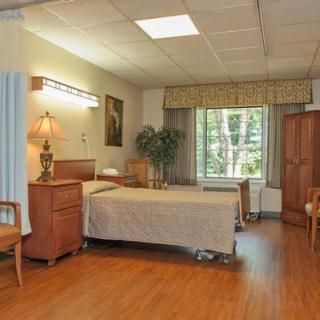
The Westchester House in Chesterfield, MO

Save

The Westchester House in Chesterfield, MO

Information last verified:

550 White Road, Chesterfield, MO 63017

For more information about senior living options: (844) 490-3973

3.5 from 120 reviews
5 stars
59
4 stars
19
3 stars
1
2 stars
7
1 stars
34

Seniors.FYI Elite Community Awards

Top 5% Senior Living Community in 2018Top 5% Senior Living Community in 2020

Add this award to your website

Overall Review of The Westchester House

Pros

  • pro They describe Westchester House as clean and orderly with friendly, helpful staff.
  • pro They praise the nurses and staff as great, compassionate, and professional.
  • pro They highlight Laura, the Activities Director, and the therapy team for going above and beyond to support residents.
  • pro They would highly recommend Westchester House for loved ones needing rehab or nursing care.
  • pro They appreciate the holidays and events, noting good food and hospitable atmosphere.
  • pro They value thoughtful communication and regular updates to families.
  • pro They report noticeable improvements in rehab thanks to attentive care.
  • pro They describe the environment as caring, respectful, and supportive for residents.

Cons

  • pro The facility is severely understaffed, leading to slow responses and overworked caregivers.
  • pro The food is deplorable and often served cold, sometimes in styrofoam boxes.
  • pro Staff are described as rude and unprofessional, speaking to residents and families disrespectfully.
  • pro Residents have been left waiting for basic care, with delayed diaper changes and bedsores reported.
  • pro Administrators are said to be unresponsive, with many calls and concerns going unanswered.
  • pro The building is dirty and poorly maintained, with trash, odors, and unclean rooms.
  • pro Medications are frequently not delivered on time and supplies can run out.
  • pro There are serious safety concerns and reports of neglect, including a claim that a resident died.
  • pro The admissions process is criticized as unprofessional, with instances of being turned away or unclear requirements.

Review

The Westchester House in Chesterfield is best suited for families seeking a rehab‑driven environment where the therapy team and front‑line staff are visibly engaged, personable, and involved in residents’ daily lives. This community often shines for residents who respond well to hands‑on PT, OT, and speech therapy, and for families that value ongoing social programming, daily activity options, and staff who know residents by name. Multiple accounts highlight successful rehabilitation stories, from post‑op recoveries to stroke and dialysis‑related rehab, and praise the center’s ability to organize events, transport needs, and regular family updates. For families prioritizing a warm, community‑centered atmosphere with accessible therapy and a willingness to go the extra mile to keep residents engaged, The Westchester House tends to deliver consistently strong signals of care.

That said, certain realities warrant considering alternatives. Prospective families with high medical complexity or rigid expectations about 24/7 staffing, infrequent medication delays, or flawless administrative responsiveness may want to look elsewhere. A substantial portion of reviews flags understaffing and turnover, with complaints about delayed or missed medications, difficulty reaching administrators, and inconsistent day‑to‑day operations. Some families report communication gaps that impede timely care decisions, and several accounts describe situations where residents experienced neglect or inadequate supervision. For memory‑care or highly regulated care plans, where predictability and strict oversight are non‑negotiable, exploring other facilities with steadier staffing models could be prudent. In short, this is not a one‑size‑fits‑all choice.

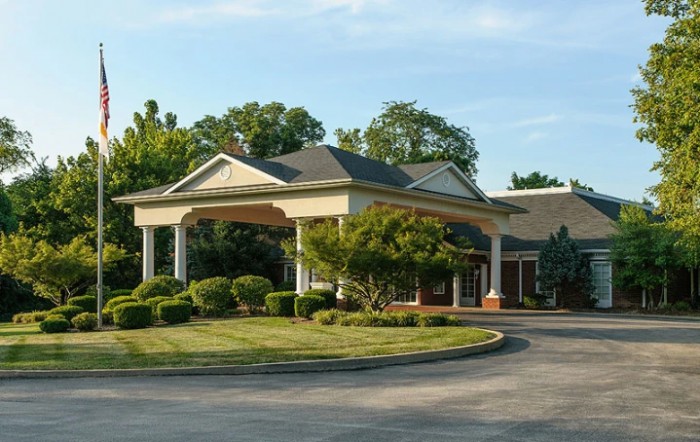
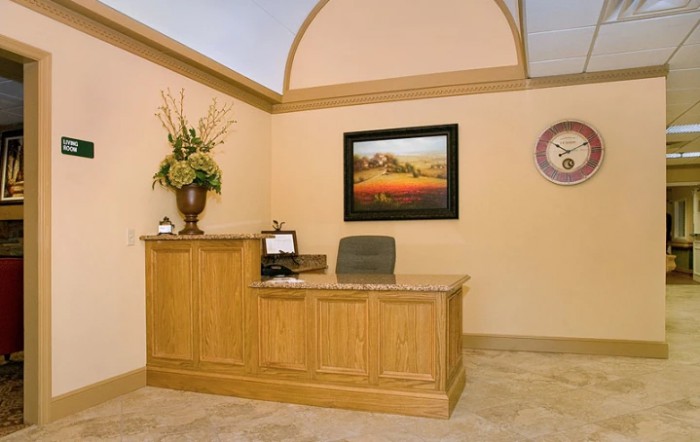
The strongest, most reliable positives center on therapy and resident‑centered care. Therapists, nurses, and aides are repeatedly praised for their skill, dedication, and bedside manner. The rehab program is widely seen as thorough and progressive, with patients returning home stronger and more independent after short stays. Families frequently note attentive nursing and therapy teams that push residents toward meaningful gains, with specific thanks extended to staff members who coordinate care, follow up on progress, and communicate treatment goals clearly. Beyond therapy, the campus atmosphere, cleanliness, pleasant common areas, and scheduled activities, contributes to a sense of normalcy and dignity that many family members value highly. When administration shows up in person for events or to check in on families, it reinforces a perception of leadership that cares.

Yet the cons are persistent and significant enough to affect decision‑making. Repeated complaints describe chronic, sometimes systemic issues: chronic understaffing across shifts, inconsistent medical management, and communication breakdowns that leave families feeling left out of the loop. Several reviews recount days when meals arrive cold or late, when requested supplies or equipment are delayed, or when appropriate interventions during medical events were not promptly enacted. The food quality issue appears in several accounts, with residents and families sometimes reporting limited menu variety or inadequate meal preparation. There are also alarming anecdotes about safety lapses, facility cleanliness on some floors, and even rare but troubling experiences with front‑line staff behavior. Taken together, these concerns underscore a risk profile that cannot be ignored.

Against this backdrop, how the positives offset the negatives depends on priorities. For a resident whose primary goal is intensive, outcome‑driven rehabilitation, back to independent living or home health, The Westchester House can be a strong match when therapy intensity, staff attentiveness, and regular progress updates are kept front and center. Families who can remain actively involved, ask pointed questions, and insist on clear communication often report that the care team responds well to feedback and that improvements are felt over time, sometimes after management adjustments. The presence of a dedicated social worker, a capable admissions team, and additional support services, such as transport to appointments and outpatient rehab options, also helps mitigate some operational gaps. In scenarios where rehabilitation and social engagement are the priority, the positives frequently prevail.

However, for long‑term care where consistent daily quality, dependable staffing, and transparent administration are nonnegotiable, the cons may loom larger. The risk of medication delays, unresponsive call systems, and reports of neglected care or unsafe conditions cannot be dismissed. Several families recount traumatic experiences that led to hospitalizations or abrupt transfers, which understandably fuels hesitation about relying on this facility for ongoing care. While many residents and families sing the praises of specific nurses, therapists, and caregivers, the breadth and frequency of negative experiences in other reviews necessitate a cautious, evidence‑driven approach, much more than a casual tour or a single stay can reveal.

The practical takeaway is clear. The Westchester House can be a superb option for rehabilitation‑focused families who are ready to engage actively with staff, demand regular updates, and verify that the specific wing or unit assigned to a resident maintains adequate staffing levels. Prospective residents should demand a candid, in‑depth tour of the therapy departments, meet with the therapy supervisors, and request a current plan of care with detailed timelines. Verify staffing ratios on the intended shift, confirm medication management processes, and probe recent maintenance and housekeeping standards. If these elements align with expectations and the family can monitor care consistently, the decision can lean toward Westchester House as a capable, compassionate rehab‑oriented community.

In the end, The Westchester House is a pragmatic choice for families who can balance active advocacy with a clear-eyed view of both strengths and risks. It offers meaningful rehabilitation outcomes, a warm social milieu, and a track record of dedicated staff in many reviews. At the same time, it is essential to acknowledge and plan for the facility’s documented staffing challenges and occasional operational gaps. For those who require near‑perfect consistency and absolute certainty in daily routines, consider alternatives with stronger governance and steadier day‑to‑day performance. If the choice lands here, approach it with due diligence, a structured care plan, and a commitment to ongoing collaboration with the care team.

Features

Housing

  • 159 resident community capacity 159 resident community capacity

Types of Care

  • Assisted Living Assisted LivingAssisted living facilities provide crucial support and care for seniors who may need help with daily tasks such as medication management, bathing, and meal preparation. These communities offer a safe and comfortable environment where seniors can maintain their independence while receiving the assistance they need to thrive in their golden years.
  • Skilled Nursing Facility Skilled Nursing FacilitySkilled Nursing Facilities are crucial for seniors as they provide round-the-clock medical care, rehabilitation services, and assistance with daily activities. These facilities ensure that seniors receive the specialized care they need to maintain their health and well-being as they age.

Amenities

  • Activities on-site Activities on-siteActivities on-site are important for seniors because they provide opportunities for socialization, mental stimulation, physical activity, and overall well-being. Engaging in activities can help seniors stay active, maintain their independence, and improve their quality of life.
  • Air-conditioning Air-conditioningAir conditioning is important for seniors as they are more vulnerable to heat-related illnesses and may have underlying health conditions that make it difficult for them to regulate their body temperature. It helps to keep them comfortable, safe, and healthy in hot weather.
  • Beauty salon Beauty salonBeauty salons are important for seniors because they provide a space for them to feel pampered, socialize, and maintain their personal grooming and hygiene. Regular visits to a beauty salon can help boost seniors' self-esteem and overall well-being.
  • Cable or satellite TV Cable or satellite TVCable or satellite TV is important for seniors because it provides entertainment, news, and companionship, helping to combat loneliness and boredom. It also offers a wide range of programming options tailored to different interests and preferences.
  • Computer center Computer centerA computer center is essential for seniors as it provides access to technology, communication tools, and resources that can enhance their daily lives. It allows them to stay connected with loved ones, engage in online activities, and learn new skills, ultimately promoting socialization and mental stimulation.
  • Devotional services off-site Devotional services off-siteDevotional services off-site are important for seniors as they provide spiritual nourishment, social engagement, and a sense of community outside of the senior living facility. This can enhance overall well-being and help combat feelings of isolation and loneliness often experienced by older adults.
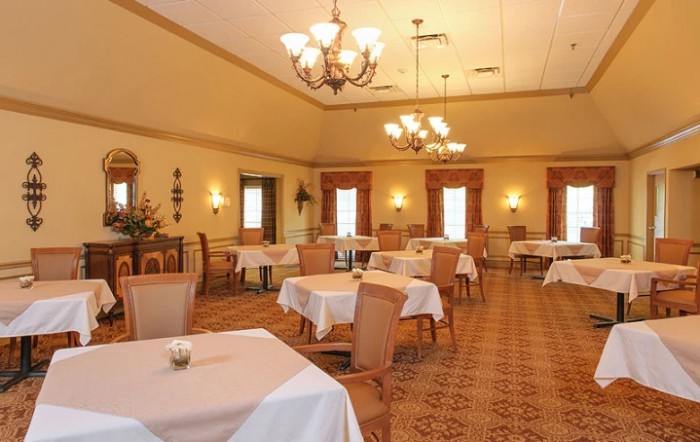
  • Dining room Dining roomDining rooms are important for seniors as they provide a space for socialization, connection, and nutritious meals. They offer opportunities for residents to bond over shared meals, foster a sense of community, and promote healthy eating habits. Dining rooms also ensure that seniors have access to well-balanced meals tailored to their dietary needs and preferences.
  • Fitness room Fitness roomHaving a fitness room in a senior living community is essential for seniors to stay active, maintain their physical health, and improve their overall well-being. Regular exercise can help prevent falls, reduce the risk of chronic diseases, and promote mental sharpness. It also provides social opportunities for residents to connect with others and enjoy a sense of community.
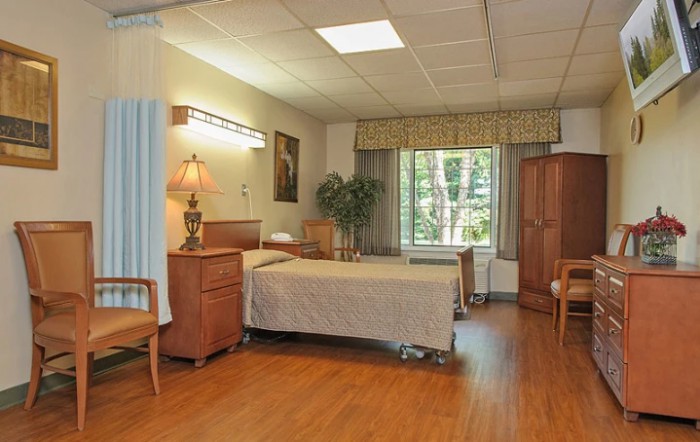
  • Fully furnished Fully furnishedFully furnished senior living communities are important for seniors because they provide convenience, comfort, and a hassle-free moving experience. Seniors can easily settle into their new living space without the stress of having to buy and move furniture. This allows them to focus on enjoying their new home and community.
  • Gaming room Gaming roomGaming rooms are important for seniors as they provide a fun and engaging environment for socializing, cognitive stimulation, and physical activity. Games can improve memory, problem-solving skills, and overall mental well-being while fostering friendships and reducing feelings of isolation.
  • Garden GardenGardens are important for seniors as they provide a peaceful and therapeutic environment for relaxation, physical activity, and socialization. Being in nature has been shown to reduce stress, improve mood, and promote overall well-being. Gardens also offer opportunities for seniors to engage in gardening activities, which can improve mobility, flexibility, and cognitive function. Additionally, gardens create a sense of community and connection with others who share a passion for plants and outdoor spaces.
  • Housekeeping services Housekeeping servicesHousekeeping services are important for seniors because they help maintain a clean and safe living environment, promote independence, and reduce the risk of accidents or illnesses. Additionally, having assistance with household chores can alleviate physical strain and allow seniors to focus on other aspects of their well-being.
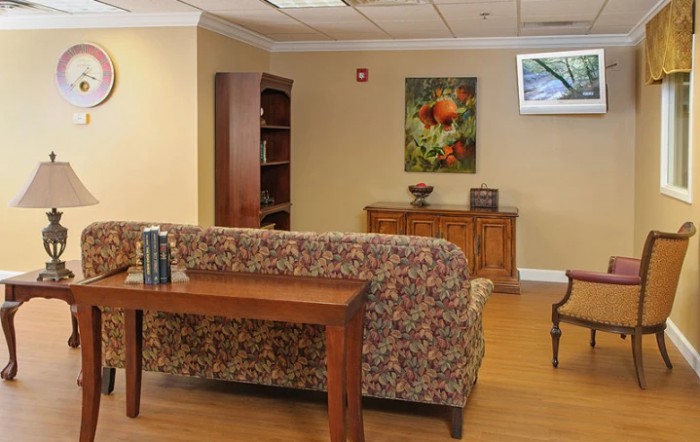
  • Indoor common areas Indoor common areasIndoor common areas are crucial for seniors as they provide a space for socialization, recreation, and community engagement, promoting overall well-being and reducing feelings of isolation and loneliness.
  • Kitchenette KitchenetteKitchenettes are important for seniors living in senior living communities because they provide the convenience and independence of being able to prepare simple meals and snacks in the comfort of their own living space. This can help promote a sense of autonomy and well-being for seniors, allowing them to maintain some level of control over their dietary choices and daily routines.
  • Move-in coordination Move-in coordinationMove-in coordination is important for seniors because it helps ease the transition into their new living environment. It ensures that all logistics, such as packing, organizing movers, and setting up utilities are taken care of, allowing seniors to focus on settling in and adjusting to their new home. Having a smooth move-in process can alleviate stress and anxiety, making the transition smoother and more enjoyable for seniors.
  • Outdoor space Outdoor spaceOutdoor spaces are important for seniors as they provide opportunities for physical activity, social interaction, exposure to natural light and fresh air, and a sense of connection to nature. Having access to outdoor spaces can improve overall well-being and quality of life for older adults living in senior communities.
  • Private bathrooms Private bathroomsPrivate bathrooms are important for seniors in senior living communities because they provide independence, dignity, and comfort. Having a private bathroom allows seniors to maintain their personal hygiene routines without the need for assistance, promoting a sense of autonomy and privacy. Additionally, private bathrooms help prevent the spread of infections and provide a safe and clean environment for seniors to navigate safely.
  • Restaurant-style dining Restaurant-style diningRestaurant-style dining is important for seniors because it allows them to enjoy delicious, nutritious meals in a social and upscale setting. This enhances their dining experience, promotes healthy eating habits, and fosters socialization with fellow residents, ultimately contributing to their overall well-being and quality of life.
  • Small library Small librarySmall libraries are important for seniors as they provide access to a variety of reading materials, including books, newspapers, and magazines. This can help stimulate their minds, keep them engaged, and provide a sense of community through book clubs and other social activities. Additionally, reading has been shown to improve cognitive function and overall mental well-being in older adults.
  • Telephone TelephoneTelephones are important for seniors as they provide a lifeline for communication with loved ones, emergency services, and healthcare providers. They offer a sense of security and independence, enabling seniors to stay connected and access assistance when needed.
  • Wellness center Wellness centerWellness centers are important for seniors because they offer a variety of programs and services that promote physical, mental, and emotional well-being. These centers provide opportunities for exercise, socialization, education, and relaxation, helping seniors maintain their overall health and quality of life.
  • Wi-Fi/high-speed internet available Wi-Fi/high-speed internet availableWi-Fi/high-speed internet is important for seniors to stay connected with loved ones, access online resources, and participate in virtual activities to combat feelings of loneliness and isolation. It also allows them to easily manage healthcare needs, access entertainment, and engage in lifelong learning opportunities.

Transportation

  • Lambert-St Louis International (11 miles away) Lambert-St Louis International (11 miles away)
  • Community operated transportation Community operated transportationCommunity operated transportation is crucial for seniors as it provides them with the means to access essential services, social activities, and medical appointments. It allows seniors to maintain their independence and quality of life by ensuring they can participate in activities outside of their homes. Additionally, community-operated transportation services offer a safe and reliable way for seniors to travel without having to rely on family or friends for assistance.
  • Transportation arrangement Transportation arrangementTransportation arrangements are crucial for seniors as they may face challenges with driving, mobility, or access to public transportation. Having reliable transportation services ensures that seniors can easily attend appointments, social activities, and maintain their independence and quality of life.

Care Services

  • 24-hour call system 24-hour call system24-hour call systems are important for seniors because they provide peace of mind and immediate assistance in case of emergencies. This technology ensures that help is always available, promoting safety and security for elderly individuals living alone or in assisted living facilities.
  • 24-hour supervision 24-hour supervision24-hour supervision is important for seniors to ensure their safety, well-being, and access to immediate assistance in case of emergencies or health issues. This constant support provides peace of mind for both seniors and their loved ones, allowing them to age in place with dignity and security.
  • Activities of daily living assistance Activities of daily living assistanceActivities of daily living assistance are important for seniors because they provide essential support with tasks such as eating, bathing, dressing, and mobility. This assistance helps seniors maintain their independence, dignity, and overall quality of life as they age.
  • Ambulatory care Ambulatory care"Ambulatory care services provide essential medical support and treatment to seniors without requiring hospitalization, allowing them to maintain their independence and quality of life while managing chronic conditions or receiving routine medical care."
  • Assistance with bathing Assistance with bathingAssistance with bathing is crucial for seniors as it helps maintain personal hygiene, prevents infections, and ensures their overall well-being and comfort. It also provides a sense of dignity and independence for seniors who may struggle with this task on their own.
  • Assistance with dressing Assistance with dressingAssistance with dressing is important for seniors because it helps maintain their independence, promotes personal hygiene, prevents accidents and injuries, and improves overall quality of life. This service ensures that seniors can continue to dress comfortably and confidently, despite any physical limitations they may have.
  • Assistance with transfers Assistance with transfersAssistance with transfers is crucial for seniors as it helps prevent falls and injuries, maintains their independence, and ensures they can safely navigate their living environment. It also provides peace of mind for both seniors and their loved ones.
  • Diabetes diet Diabetes dietA diabetes diet is crucial for seniors as it helps manage blood sugar levels, reduce risks of complications, and improve overall health and well-being. By following a balanced and nutritious diet tailored to their specific needs, seniors can better control their diabetes and enhance their quality of life.
  • Diabetic care Diabetic careDiabetic care is crucial for seniors as they are more susceptible to developing diabetes due to aging and other health conditions. Proper management of diabetes can help prevent complications such as heart disease, vision loss, and nerve damage, improving the overall quality of life for seniors in senior living communities.
  • Meal preparation and service Meal preparation and serviceMeal preparation and service are crucial for seniors as they may have limited mobility or energy to cook nutritious meals. Having access to healthy and convenient food options can ensure they are getting the proper nutrition needed to maintain their overall health and well-being.
  • Medication management Medication managementMedication management is crucial for seniors to ensure they are taking the right medications at the correct dosages and times. This helps prevent adverse drug interactions, reduces the risk of medication errors, and promotes overall health and well-being. Proactive management also allows for adjustments as needed based on changing health conditions or new prescriptions.
  • Special dietary restrictions Special dietary restrictionsSpecial dietary restrictions are important for seniors because age-related changes in metabolism and health conditions can make it difficult for their bodies to process certain foods. By following a diet tailored to their specific needs, seniors can maintain their overall health and well-being, manage chronic conditions, and reduce the risk of complications such as malnutrition or food interactions with medications.

Dining

  • Diabetes diet Diabetes dietA diabetes diet is crucial for seniors as it helps manage blood sugar levels, reduce risks of complications, and improve overall health and well-being. By following a balanced and nutritious diet tailored to their specific needs, seniors can better control their diabetes and enhance their quality of life.
  • Meals provided Meals provided"Meals provided" are crucial for seniors in assisted living communities as it ensures they have access to nutritious, balanced meals without the stress of meal planning and preparation. This can help promote overall health and well-being for seniors who may have limited mobility or cognitive abilities.
  • Special dietary restrictions Special dietary restrictionsSpecial dietary restrictions are important for seniors because age-related changes in metabolism and health conditions can make it difficult for their bodies to process certain foods. By following a diet tailored to their specific needs, seniors can maintain their overall health and well-being, manage chronic conditions, and reduce the risk of complications such as malnutrition or food interactions with medications.

Activities

  • Activities on-site Activities on-siteActivities on-site are important for seniors because they provide opportunities for socialization, mental stimulation, physical activity, and overall well-being. Engaging in activities can help seniors stay active, maintain their independence, and improve their quality of life.
  • Community-sponsored activities Community-sponsored activitiesCommunity-sponsored activities are important for seniors as they provide opportunities for social interaction, mental stimulation, and physical activity. These activities can help improve overall well-being, combat loneliness and isolation, and promote a sense of belonging and purpose among older adults.
  • Concierge services Concierge servicesConcierge services are essential for seniors as they provide assistance with daily tasks and errands, enhance their quality of life by offering convenience and personalized care, and promote a sense of safety and security.
  • Devotional activities offsite Devotional activities offsiteDevotional activities offsite are important for seniors because they provide social engagement, spiritual growth, and a sense of community outside of their living environment. This can improve overall well-being, mental health, and combat feelings of isolation or loneliness.
  • Fitness programs Fitness programsFitness programs are crucial for seniors as they help improve strength, flexibility, balance, and overall well-being. Staying active can reduce the risk of chronic diseases, improve mental health, and enhance quality of life in older adults.
  • Planned day trips Planned day tripsPlanned day trips are important for seniors because they offer opportunities for socialization, mental stimulation, and physical activity. They provide a change of scenery and help seniors stay engaged and connected to their community, promoting overall well-being and quality of life.
  • Resident-run activities Resident-run activitiesResident-run activities are important for seniors as they encourage social interaction, creativity, and a sense of autonomy. These activities empower seniors to stay engaged and active in their community while fostering meaningful connections with their peers.
  • Scheduled daily activities Scheduled daily activitiesScheduled daily activities are important for seniors because they provide structure, socialization, mental stimulation, and physical activity. Engaging in regular activities can improve overall well-being and quality of life for seniors living in a community setting.

Description

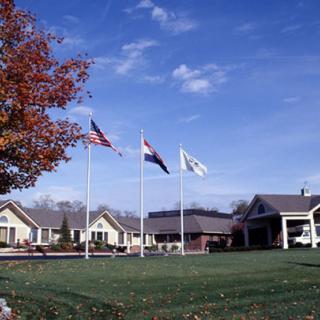
The Westchester House in Chesterfield, MO is a premier assisted living community that offers a range of services and amenities to cater to the needs of its residents. With a focus on providing top-notch care, this community prides itself on its skilled nursing facility.

Residents can enjoy comfortable living spaces with the convenience of air-conditioning and fully furnished accommodations. The community also features various common areas including a computer center, small library, gaming room, and fitness room for residents to engage in activities or relax with friends.

The Westchester House places high importance on resident well-being. Devotional services are available off-site for spiritual enrichment and there is also a wellness center where residents can participate in fitness programs to stay active and healthy. A beauty salon ensures that residents can always look their best.

When it comes to dining options, the community offers restaurant-style meals prepared with special dietary restrictions in mind. Residents can enjoy delicious cuisine in the dining room or dine privately with their own kitchenette. Meals are provided throughout the day, ensuring residents are well-nourished.

Residents at The Westchester House benefit from 24-hour supervision and assistance with daily activities such as bathing, dressing, and transfers. Medication management is also available to ensure that residents receive their required medications as prescribed by their physicians.

Transportation arrangement services are provided for residents who need assistance getting around town or attending medical appointments. Community-operated transportation is readily available for convenience.

The surrounding area offers plenty of opportunities for recreation and entertainment. With cafes, parks, pharmacies, restaurants, and hospitals nearby, residents have easy access to everything they may need or desire within close proximity to The Westchester House.

Overall, The Westchester House in Chesterfield is an exceptional assisted living community that provides comprehensive care services along with numerous amenities and conveniences to enhance the quality of life for its residents.

Nearby Places of Interest

This part of Chesterfield, Missouri offers a variety of amenities that cater to seniors looking for a comfortable and convenient living environment. With several parks nearby, such as Faust Park and Queeny County Park, residents have plenty of opportunities for outdoor recreation and relaxation. Additionally, there are numerous pharmacies in the area, including Schnucks and Walgreens, ensuring easy access to medication and healthcare supplies. The abundance of restaurants like The Cheesecake Factory and Olive Garden provide dining options for every taste preference. For those seeking spiritual fulfillment, there are several places of worship located within a short distance. Medical care is also easily accessible with hospitals like Barnes-Jewish West County Hospital and St John's Mercy Surgery Center nearby. Overall, this part of Chesterfield offers a well-rounded community with ample resources to support senior living needs.

Parks

  • Faust Park (0.5 miles)
  • Chesterfield Central Park (2.3 miles)
  • Queeny County Park (4.3 miles)
  • Vlasis Park (4.8 miles)
  • Creve Coeur Park (4.9 miles)
  • New Ballwin Park (6.1 miles)
  • Schaefer Park (6.2 miles)

Pharmacies

  • Schnucks (1.2 miles)
  • Walgreens (1.3 miles)
  • Dierbergs Markets (2 miles)
  • Dierbergs (2.4 miles)
  • CVS Pharmacy (3.1 miles)
  • Dierbergs (3.9 miles)
  • Schnucks (4.1 miles)

Restaurants

  • The Cheesecake Factory (1.9 miles)
  • St Louis Bread Co. (2.2 miles)
  • Cooper's Hawk Winery & Restaurant (3.1 miles)
  • Olive Garden (3.3 miles)
  • Chick-Fil-A (3.8 miles)
  • 54th Street Grill & Bar (4 miles)
  • Syberg's Chesterfield (4 miles)

Cafes

  • Panera Bread (2 miles)
  • Panera Bread (3.2 miles)
  • Starbucks (5.3 miles)
  • Starbucks (5.3 miles)
  • Panera Bread (6.6 miles)

Hospitals

  • Barnes-Jewish West County Hospital (3.6 miles)
  • St John's Mercy Surgery Center (4.9 miles)

Transportation

  • Enterprise Rent-A-Car (5.3 miles)
  • Million Air (6.2 miles)
  • TAC Air (6.3 miles)

Places of Worship

  • Church of Christ-Lafayette (5.3 miles)
  • Jungs Station Baptist Church (5.7 miles)
  • St John Church (5.8 miles)
  • Harvester Nazarene NMI (6.8 miles)

Physicians

  • Orthopedic Associates (6.3 miles)
  • SSM Family Medicine (6.9 miles)
  • Ssm St Joseph Medical Park (7 miles)
  • St John's Mercy Medical Center (7.3 miles)
  • Walsh, Martin Ssm Health Outpatient Center Veterans Memorial Parkway (7.3 miles)

Theaters

  • Marcus Theatres (6.7 miles)
  • AMC Streets Of St Charles 8 (7.3 miles)

Frequently Asked Questions

Where is The Westchester House?
What photos are available for The Westchester House in Chesterfield, Missouri?

Nearby Communities

  • Friendship Village Chesterfield

    Friendship Village Chesterfield

    Chesterfield, MO

    4.2 from 93 reviews
    $3,671 to $6,943 / month

    pro Beautiful, well-maintained community with friendly staff and strong amenities.

  • Friendship Village Assisted Living & Memory Care

    Friendship Village Assisted Living & Memory Care

    Chesterfield, MO

    3.9 from 54 reviews
     

    pro Specialized memory care with 24/7 supervision and a broad range of amenities.

  • Surrey Place

    Surrey Place

    Chesterfield, MO

    2.9 from 69 reviews
     

    pro Beautiful surroundings with strong rehab services and engaging activities.

  • Surrey Place St Lukes Hosp Skilled Nursing And Rcf

    Surrey Place St Lukes Hosp Skilled Nursing And Rcf

    Chesterfield, MO

    2.6 from 47 reviews
     

    pro 24-hour supervision with comprehensive care (ADL assistance, medication management) plus amenities and transportation for medical appointments.

  • Garden View Care Center of Chesterfield

    Garden View Care Center of Chesterfield

    Chesterfield, MO

    4 from 56 reviews
     

    pro Good multi-level care options with a welcoming, well-staffed environment.

  • Delmar Gardens Private Services

    Delmar Gardens Private Services

    Chesterfield, MO

    3 from 8 reviews
     

    pro Accessible, amenity-rich location with nearby cafes, parks, restaurants, pharmacies, and a hospital.

  • Delmar Gardens Of Chesterfield

    Delmar Gardens Of Chesterfield

    Chesterfield, MO

    3.3 from 96 reviews
    $4,500 / month

    pro Clean, well-maintained community with friendly staff and engaging activities.

  •  The Willows at Brooking Park

     The Willows at Brooking Park

    Chesterfield, MO

    3.6 from 22 reviews
     

    pro Upscale, clean units with friendly staff and a pleasant atmosphere.

  • Mari De Villa Retirement Ctr

    Mari De Villa Retirement Ctr

    Chesterfield, MO

    4.4 from 70 reviews
    $4,562 / month

    pro Beautiful, well-maintained villas with an active, friendly community and great amenities.

Related Resources

  • activities of daily livingComprehensive Insights into Activities of Daily Living (ADLs) and Their Assessment

    Activities of Daily Living (ADLs) are fundamental tasks vital for an individual's independence, particularly in older adults over 85, and include functions like bathing and dressing; assessing ADLs alongside Instrumental Activities of Daily Living (IADLs) helps determine the level of required assistance due to age-related health challenges. Tailored support plans, involving family and community resources, are essential for maintaining dignity and autonomy in assisted living environments.

  • does medicare pay for assisted livingMedicare Coverage for Assisted Living: An In-Depth Exploration

    Medicare does not cover assisted living costs, as it focuses on acute medical needs and short-term care, with exceptions for certain medically necessary services like physical therapy. Individuals must explore other options such as Medicaid, veterans' benefits, or long-term care insurance to manage these expenses effectively.

  • assisted living vs nursing homeChoosing the Right Senior Care: A Detailed Exploration of Assisted Living and Nursing Homes

    Choosing between assisted living and nursing homes involves evaluating emotional and financial factors, with assisted living offering independence and support for daily activities at a lower cost, while nursing homes provide intensive medical care for individuals with significant health needs. The decision is influenced by personal preferences, health status, cognitive function, and varying Medicaid coverage across states.