Surrey Place St Lukes Hosp Skilled Nursing And Rcf

Save

Surrey Place St Lukes Hosp Skilled Nursing And Rcf

14701 Olive Boulevard, Chesterfield, MO 63017

For more information about senior living options: (844) 490-3973

2.6 from 47 reviews
5 stars
17
4 stars
2
3 stars
1
2 stars
0
1 stars
27

Assisted Living Board and Care Home Skilled Nursing Facility

What level of care are you interested in?

Assisted Living

Memory Care

Independent Living

Skilled Nursing Facility

Continuing Care Retirement Community (CCRC)CCRC

Other


Request a tour at Surrey Place St Lukes Hosp Skilled Nursing And Rcf

    Overall Review of Surrey Place St Lukes Hosp Skilled Nursing And Rcf

    Pros

    • pro There were some good staff members there.
    • pro Karen at the front desk is so nice and helpful.
    • pro The place seemed to be the better option among the places visited.
    • pro The second man on the list listened and stated that he would get it taken care of.
    • pro They went from a very bad situation to much better within about two weeks, with the patient finally eating and participating in PT and seeming to come around.

    Cons

    • pro The staff were terrible and made the good ones look extremely bad.
    • pro They lied to cover up a medication error and blamed the hospital for it.
    • pro They pressured the patient to switch doctors for their own convenience and transport team benefit.
    • pro Diabetes care was so poor that blood sugar remained consistently high.
    • pro Care quality varied by shift, with the weekend nurse providing the only relief in glucose control.
    • pro The staff could not perform basic breathing treatments or correctly connect the O2 setup.
    • pro They failed to keep accurate medication records, risking wrong or late meds.
    • pro The facility is described as a tragedy waiting to happen and not safe for loved ones.
    • pro The environment was unsanitary, with feces on bathroom walls and other cleanliness issues.
    • pro Management appeared unresponsive and did not address ongoing problems.

    Review

    From the scattered patient and family accounts, Surrey Place comes across as a place where well-meaning staff sometimes show up, but where a string of systemic problems underscored by miscommunication, staffing gaps, and safety concerns turns care into a roller coaster of frustration and fear. Several families recounted that they left other facilities hoping for better outcomes, only to encounter experiences that felt more troubling than what they were trying to escape. One reviewer noted they had moved all their care from St. Luke's to the BJC health system, convinced that Surrey Place would be the better option, only to discover that the reality fell far short of that expectation. While a few staff members were described as good, the negative interactions and avoidable problems dominated the narrative, coloring their overall impression of the facility.

    A central thread across the accounts is medication and medical management that seemed dangerously inconsistent or mishandled. In one case, a diabetic patient's blood sugar stayed abnormally high for days because a required medication was not being administered. When the issue was finally raised, the care team blamed a supposed hospital list error, which the family disputed as inaccurate, insisting that med reconciliation is a standard process and supposed to be reviewed at discharge, not after. The confusion around medications appeared to be part of a broader pattern where information was not clearly shared with the patient or family, and when concerns were raised, the response could feel evasive or defensive. The sense that problems were being blamed on others rather than acknowledged contributed to a growing distrust of the facility's reliability.

    Communication, in general, was described as a problem that extended beyond medications. Several reviewers pointed to a pattern of care teams and administrative staff attempting to steer families toward certain doctors or transport arrangements, sometimes described with insinuations of convenience or financial motive. One account mentions a staff member allegedly pushing for a switch from a specific doctor to another, which raised questions about whether patient autonomy was being respected. When a staff member who listened and promised to resolve issues did not follow through, the frustration became more acute, particularly when the patient's condition - such as persistent hyperglycemia - only showed improvement during a narrow window, often attributed to particular shifts or weekends rather than systemic improvements.

    The logistics of care and hospital-to-home transitions also emerged as a sore point. Several reviewers recounted that arranging transfers back to hospitals or to home was exceptionally difficult and time-consuming - so much so that one person described an ambulance ride that took hours to cover only a short distance. The sense of being stranded or delayed during a critical moment created a perception of fragility in the continuum of care, especially for relatives who trusted Surrey Place with the well-being of loved ones whose lives could depend on timely, reliable transportation and coordination with hospital services.

    Within these narratives, specific patient experiences highlighted both the variability in care and some glaring gaps in day-to-day operations. One account described a grandmother in rehab who began to show improvement after a difficult start but then faced a confusing and poorly explained plan about discharge. Medical teams failed to communicate clearly about when she would be released, leaving family members anxious after a late-day voicemail suggested possible discharge that never materialized. Concerns about basic hygiene and safety were raised as well, including a bathroom that reportedly had feces on surfaces and inconsistent attention to essential tasks like meal timing and assistance with basic needs. The reviewer also criticized a hospital-like process that seemed unclear about what qualified as a "plateau" in rehab and expressed doubt about whether staff truly understood Medicare guidelines - a concern echoed in a separate account that characterized social services leadership as unable to clearly articulate important guidelines.

    Another set of reviews targeted the facility's capability for specialized care, particularly respiratory therapy. One commenter asserted that, despite the need for timely breathing treatments, the staff were not pulmonary nurses and did not even know how to connect an oxygen supply or determine the correct liter flow. The accusation extended to a broader claim that some staff members lied or misrepresented competencies, while leadership appeared unable to verify or correct these issues. Compounding the problem was the fear that wrong medications or delays in administration could occur because of poor record-keeping or a lack of a reliable system to ensure the right meds were given at the right times. In such a climate, the experience of care becomes highly variable and families are left wondering where accountability lies.

    Despite the overarching negativity, one positive note did surface amid the criticism: a front-desk employee named Karen was described as kind and helpful by at least one family member. This small but meaningful contrast underscored the unevenness of the experience - where a single compassionate contact could momentarily counterbalance a broader sense of dysfunction, yet could not erase the deeper concerns about safety, consistency, and the overall quality of care. The comments collectively conveyed that even when some staff attempted to do the right thing, the surrounding system and day-to-day operations often failed to support reliable, compassionate care.

    Taken together, the reviews paint a picture of Surrey Place as a facility with occasional bright spots but a troubling pattern of care failures that can feel systemic to families and patients. Medication errors, mixed messages about discharge and transfers, questionable staffing practices, and safety concerns - ranging from equipment and procedures to cleanliness and timely assistance - contribute to an impression of a place that could be dangerous or at least unreliable for vulnerable residents. The recurring sentiment across the accounts is one of caution and disappointment, with several families expressing strong feelings about leaving Surrey Place and seeking care elsewhere. While there were moments of courtesy from some staff members, the overall tone remains one of concern for patient safety and the integrity of the care experience.

    Features

    Housing

    • 20 resident community capacity 20 resident community capacity

    Types of Care

    • Assisted Living Assisted LivingAssisted living facilities provide crucial support and care for seniors who may need help with daily tasks such as medication management, bathing, and meal preparation. These communities offer a safe and comfortable environment where seniors can maintain their independence while receiving the assistance they need to thrive in their golden years.
    • Board and Care Home Board and Care HomeBoard and care homes provide a smaller, more intimate setting for seniors who require assistance with daily tasks but do not need the level of care offered by a nursing home. They offer personalized care, meals, and social activities in a homelike environment, ensuring that seniors receive individualized attention and support in their golden years.
    • Skilled Nursing Facility Skilled Nursing FacilitySkilled Nursing Facilities are crucial for seniors as they provide round-the-clock medical care, rehabilitation services, and assistance with daily activities. These facilities ensure that seniors receive the specialized care they need to maintain their health and well-being as they age.

    Amenities

    • Beauty salon Beauty salonBeauty salons are important for seniors because they provide a space for them to feel pampered, socialize, and maintain their personal grooming and hygiene. Regular visits to a beauty salon can help boost seniors' self-esteem and overall well-being.
    • Cable or satellite TV Cable or satellite TVCable or satellite TV is important for seniors because it provides entertainment, news, and companionship, helping to combat loneliness and boredom. It also offers a wide range of programming options tailored to different interests and preferences.
    • Dining room Dining roomDining rooms are important for seniors as they provide a space for socialization, connection, and nutritious meals. They offer opportunities for residents to bond over shared meals, foster a sense of community, and promote healthy eating habits. Dining rooms also ensure that seniors have access to well-balanced meals tailored to their dietary needs and preferences.
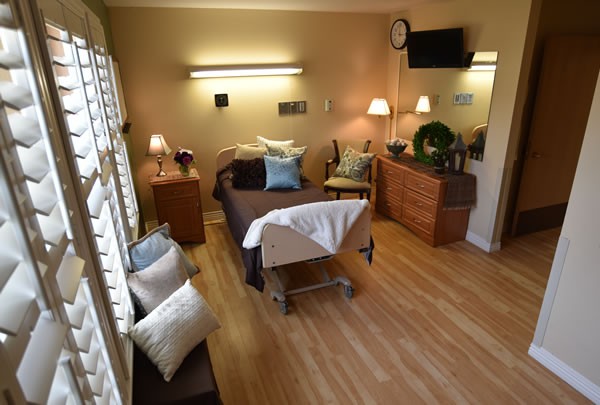
    • Fully furnished Fully furnishedFully furnished senior living communities are important for seniors because they provide convenience, comfort, and a hassle-free moving experience. Seniors can easily settle into their new living space without the stress of having to buy and move furniture. This allows them to focus on enjoying their new home and community.
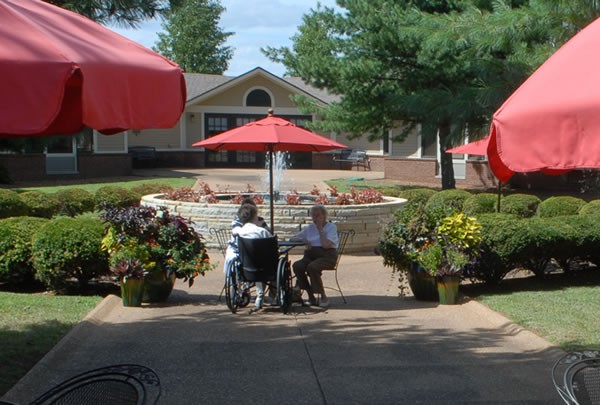
    • Garden GardenGardens are important for seniors as they provide a peaceful and therapeutic environment for relaxation, physical activity, and socialization. Being in nature has been shown to reduce stress, improve mood, and promote overall well-being. Gardens also offer opportunities for seniors to engage in gardening activities, which can improve mobility, flexibility, and cognitive function. Additionally, gardens create a sense of community and connection with others who share a passion for plants and outdoor spaces.
    • Housekeeping services Housekeeping servicesHousekeeping services are important for seniors because they help maintain a clean and safe living environment, promote independence, and reduce the risk of accidents or illnesses. Additionally, having assistance with household chores can alleviate physical strain and allow seniors to focus on other aspects of their well-being.
    • Kitchenette KitchenetteKitchenettes are important for seniors living in senior living communities because they provide the convenience and independence of being able to prepare simple meals and snacks in the comfort of their own living space. This can help promote a sense of autonomy and well-being for seniors, allowing them to maintain some level of control over their dietary choices and daily routines.
    • Move-in coordination Move-in coordinationMove-in coordination is important for seniors because it helps ease the transition into their new living environment. It ensures that all logistics, such as packing, organizing movers, and setting up utilities are taken care of, allowing seniors to focus on settling in and adjusting to their new home. Having a smooth move-in process can alleviate stress and anxiety, making the transition smoother and more enjoyable for seniors.
    • Outdoor space Outdoor spaceOutdoor spaces are important for seniors as they provide opportunities for physical activity, social interaction, exposure to natural light and fresh air, and a sense of connection to nature. Having access to outdoor spaces can improve overall well-being and quality of life for older adults living in senior communities.
    • Telephone TelephoneTelephones are important for seniors as they provide a lifeline for communication with loved ones, emergency services, and healthcare providers. They offer a sense of security and independence, enabling seniors to stay connected and access assistance when needed.
    • Wi-Fi/high-speed internet available Wi-Fi/high-speed internet availableWi-Fi/high-speed internet is important for seniors to stay connected with loved ones, access online resources, and participate in virtual activities to combat feelings of loneliness and isolation. It also allows them to easily manage healthcare needs, access entertainment, and engage in lifelong learning opportunities.

    Transportation

    • Lambert-St Louis International (11 miles away) Lambert-St Louis International (11 miles away)

    Care Services

    • 24-hour call system 24-hour call system24-hour call systems are important for seniors because they provide peace of mind and immediate assistance in case of emergencies. This technology ensures that help is always available, promoting safety and security for elderly individuals living alone or in assisted living facilities.
    • 24-hour supervision 24-hour supervision24-hour supervision is important for seniors to ensure their safety, well-being, and access to immediate assistance in case of emergencies or health issues. This constant support provides peace of mind for both seniors and their loved ones, allowing them to age in place with dignity and security.
    • Activities of daily living assistance Activities of daily living assistanceActivities of daily living assistance are important for seniors because they provide essential support with tasks such as eating, bathing, dressing, and mobility. This assistance helps seniors maintain their independence, dignity, and overall quality of life as they age.
    • Assistance with bathing Assistance with bathingAssistance with bathing is crucial for seniors as it helps maintain personal hygiene, prevents infections, and ensures their overall well-being and comfort. It also provides a sense of dignity and independence for seniors who may struggle with this task on their own.
    • Assistance with dressing Assistance with dressingAssistance with dressing is important for seniors because it helps maintain their independence, promotes personal hygiene, prevents accidents and injuries, and improves overall quality of life. This service ensures that seniors can continue to dress comfortably and confidently, despite any physical limitations they may have.
    • Assistance with transfers Assistance with transfersAssistance with transfers is crucial for seniors as it helps prevent falls and injuries, maintains their independence, and ensures they can safely navigate their living environment. It also provides peace of mind for both seniors and their loved ones.
    • Coordination with health care providers Coordination with health care providersCoordination with health care providers is crucial for seniors to ensure proper medical care, medication management, and overall well-being. This collaboration helps prevent overlapping treatments, track progress more effectively, and provide comprehensive support tailored to individual needs.
    • Diabetes diet Diabetes dietA diabetes diet is crucial for seniors as it helps manage blood sugar levels, reduce risks of complications, and improve overall health and well-being. By following a balanced and nutritious diet tailored to their specific needs, seniors can better control their diabetes and enhance their quality of life.
    • Meal preparation and service Meal preparation and serviceMeal preparation and service are crucial for seniors as they may have limited mobility or energy to cook nutritious meals. Having access to healthy and convenient food options can ensure they are getting the proper nutrition needed to maintain their overall health and well-being.
    • Medication management Medication managementMedication management is crucial for seniors to ensure they are taking the right medications at the correct dosages and times. This helps prevent adverse drug interactions, reduces the risk of medication errors, and promotes overall health and well-being. Proactive management also allows for adjustments as needed based on changing health conditions or new prescriptions.
    • Mental wellness program Mental wellness programMental wellness programs are essential for seniors as they promote cognitive stimulation, emotional support, and social engagement. These programs help prevent isolation, depression, and cognitive decline, ultimately enhancing the overall quality of life for older adults.
    • Special dietary restrictions Special dietary restrictionsSpecial dietary restrictions are important for seniors because age-related changes in metabolism and health conditions can make it difficult for their bodies to process certain foods. By following a diet tailored to their specific needs, seniors can maintain their overall health and well-being, manage chronic conditions, and reduce the risk of complications such as malnutrition or food interactions with medications.
    • Transportation arrangement (medical) Transportation arrangement (medical)Transportation arrangements for medical purposes are essential for seniors as they may have difficulty driving themselves to appointments or accessing public transportation. Having reliable and safe transportation options ensures that seniors can receive timely medical care and maintain their health and well-being.
    • Transportation to doctors appointments Transportation to doctors appointmentsTransportation to doctors' appointments is crucial for seniors as it ensures they have access to necessary medical care and support for their health needs. Without reliable transportation, seniors may struggle to attend important appointments, leading to potential delays in treatment and health complications. Providing transportation services helps seniors maintain their overall well-being and quality of life.
    Dining

    • Diabetes diet Diabetes dietA diabetes diet is crucial for seniors as it helps manage blood sugar levels, reduce risks of complications, and improve overall health and well-being. By following a balanced and nutritious diet tailored to their specific needs, seniors can better control their diabetes and enhance their quality of life.
    • Special dietary restrictions Special dietary restrictionsSpecial dietary restrictions are important for seniors because age-related changes in metabolism and health conditions can make it difficult for their bodies to process certain foods. By following a diet tailored to their specific needs, seniors can maintain their overall health and well-being, manage chronic conditions, and reduce the risk of complications such as malnutrition or food interactions with medications.

    Activities

    • Community-sponsored activities Community-sponsored activitiesCommunity-sponsored activities are important for seniors as they provide opportunities for social interaction, mental stimulation, and physical activity. These activities can help improve overall well-being, combat loneliness and isolation, and promote a sense of belonging and purpose among older adults.
    • Scheduled daily activities Scheduled daily activitiesScheduled daily activities are important for seniors because they provide structure, socialization, mental stimulation, and physical activity. Engaging in regular activities can improve overall well-being and quality of life for seniors living in a community setting.

    Description

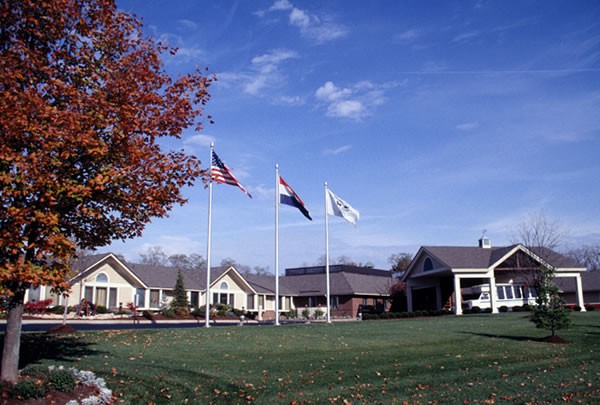
    Surrey Place St. Lukes Hosp Skilled Nursing and Rcf in Chesterfield, MO is an assisted living community that offers a range of care services for individuals needing both board and care home as well as skilled nursing facility options.

    Residents can enjoy a variety of amenities to enhance their living experience, including cable or satellite TV, a dining room for communal meals, fully furnished accommodations, a garden area, housekeeping services to maintain a clean and organized environment, kitchenette facilities, move-in coordination assistance, outdoor spaces to relax in, telephone access, and Wi-Fi or high-speed internet connectivity.

    The community provides 24-hour supervision to ensure the safety and well-being of its residents. Assistance with activities of daily living such as bathing, dressing, and transfers is available as needed. There is also coordination with healthcare providers to ensure any medical needs are met. Special dietary restrictions can be accommodated through personalized meal preparation and service, including diabetes diets. Medication management services are provided to support residents in managing their medications effectively. Mental wellness programs are available to promote emotional well-being.

    Transportation arrangements for medical appointments can be made by the community staff. In terms of dining options, special dietary restrictions are taken into consideration when preparing meals for the residents.

    To keep residents engaged and entertained, there are scheduled daily activities available within the community. Additionally, there are 2 cafes nearby where residents can enjoy socializing or getting coffee with friends or family. The presence of 4 nearby parks allows residents to enjoy outdoor walks or recreational activities in nature. For convenient access to pharmacy services, there are 9 pharmacies located nearby. In terms of dining options outside the community, there are 10 restaurants close by where residents can explore different cuisines and dining experiences.

    Overall, Surrey Place St Lukes Hosp Skilled Nursing And Rcf offers comprehensive care services alongside various amenities and nearby attractions to provide a comfortable and fulfilling assisted living experience for its residents.

    Nearby Places of Interest

    Parks

    • Faust Park (0.8 miles)
    • Chesterfield Central Park (2.7 miles)
    • Creve Coeur Park (4.2 miles)
    • Queeny County Park (4.9 miles)
    • Vlasis Park (5.5 miles)
    • Schaefer Park (5.5 miles)
    • Vogt Brothers Park (5.6 miles)

    Pharmacies

    • Schnucks (1.6 miles)
    • Dierbergs Markets (1.7 miles)
    • Walgreens (1.8 miles)
    • Dierbergs (3 miles)
    • Dierbergs (3.7 miles)
    • CVS Pharmacy (3.8 miles)
    • Schnucks (4.6 miles)

    Cafes

    • Panera Bread (1.7 miles)
    • Panera Bread (3.3 miles)
    • Starbucks (5.3 miles)
    • Starbucks (6 miles)
    • Panera Bread (6.5 miles)

    Restaurants

    • The Cheesecake Factory (2.3 miles)
    • St Louis Bread Co. (2.8 miles)
    • Olive Garden (3.4 miles)
    • Cooper's Hawk Winery & Restaurant (3.7 miles)
    • Chick-Fil-A (3.9 miles)
    • 54th Street Grill & Bar (4 miles)
    • Syberg's Chesterfield (4.1 miles)

    Hospitals

    • Barnes-Jewish West County Hospital (3.5 miles)
    • St John's Mercy Surgery Center (5.1 miles)
    • DePaul Hospital (7.4 miles)

    Places of Worship

    • Jungs Station Baptist Church (5.1 miles)
    • Church of Christ-Lafayette (6 miles)
    • Harvester Nazarene NMI (6.2 miles)
    • St John Church (6.4 miles)

    Transportation

    • Enterprise Rent-A-Car (6 miles)
    • Million Air (6.3 miles)
    • TAC Air (6.4 miles)

    Theaters

    • Marcus Theatres (6 miles)
    • AMC Streets Of St Charles 8 (6.6 miles)

    Physicians

    • SSM Family Medicine (6.5 miles)
    • Ssm St Joseph Medical Park (6.5 miles)
    • Walsh, Martin Ssm Health Outpatient Center Veterans Memorial Parkway (6.6 miles)
    • Orthopedic Associates (6.8 miles)

    Frequently Asked Questions

    Where is Surrey Place St Lukes Hosp Skilled Nursing And Rcf?
    What photos are available for Surrey Place St Lukes Hosp Skilled Nursing And Rcf in Chesterfield, Missouri?

    Nearby Communities

    • Surrey Place

      Surrey Place

      Chesterfield, MO

      2.7 from 63 reviews
       

      pro Beautiful surroundings with strong rehab services and engaging activities.


    • The Westchester House

      The Westchester House

      Chesterfield, MO

      3.4 from 111 reviews
       

      pro Some staff provide compassionate, attentive care and the admissions process is straightforward.

    • Friendship Village Assisted Living & Memory Care

      Friendship Village Assisted Living & Memory Care

      Chesterfield, MO

      3.9 from 52 reviews
       

      pro Specialized memory care with 24/7 supervision and a broad range of amenities.

    • Friendship Village Chesterfield

      Friendship Village Chesterfield

      Chesterfield, MO

      4.2 from 93 reviews
      $3,671 to $6,943 / month

      pro Beautiful, well-maintained community with friendly staff and strong amenities.

    • Garden View Care Center of Chesterfield

      Garden View Care Center of Chesterfield

      Chesterfield, MO

      3.9 from 51 reviews
       

      pro Good multi-level care options with a welcoming, well-staffed environment.

    • Delmar Gardens Private Services

      Delmar Gardens Private Services

      Chesterfield, MO

      3 from 8 reviews
       

      pro Accessible, amenity-rich location with nearby cafes, parks, restaurants, pharmacies, and a hospital.

    • Delmar Gardens Of Chesterfield

      Delmar Gardens Of Chesterfield

      Chesterfield, MO

      3.3 from 90 reviews
      $4,500 / month

      pro Clean, well-maintained community with friendly staff and engaging activities.

    •  The Willows at Brooking Park

       The Willows at Brooking Park

      Chesterfield, MO

      3.6 from 21 reviews
       

      pro Upscale, clean units with friendly staff and a pleasant atmosphere.

    • Mari De Villa Retirement Ctr

      Mari De Villa Retirement Ctr

      Chesterfield, MO

      4.4 from 68 reviews
      $4,562 / month

      pro Beautiful, well-maintained villas with an active, friendly community and great amenities.

    Related Resources

    • activities of daily livingComprehensive Insights into Activities of Daily Living (ADLs) and Their Assessment

      Activities of Daily Living (ADLs) are fundamental tasks vital for an individual's independence, particularly in older adults over 85, and include functions like bathing and dressing; assessing ADLs alongside Instrumental Activities of Daily Living (IADLs) helps determine the level of required assistance due to age-related health challenges. Tailored support plans, involving family and community resources, are essential for maintaining dignity and autonomy in assisted living environments.

    • does medicare pay for assisted livingMedicare Coverage for Assisted Living: An In-Depth Exploration

      Medicare does not cover assisted living costs, as it focuses on acute medical needs and short-term care, with exceptions for certain medically necessary services like physical therapy. Individuals must explore other options such as Medicaid, veterans' benefits, or long-term care insurance to manage these expenses effectively.

    • assisted living vs nursing homeChoosing the Right Senior Care: A Detailed Exploration of Assisted Living and Nursing Homes


      Choosing between assisted living and nursing homes involves evaluating emotional and financial factors, with assisted living offering independence and support for daily activities at a lower cost, while nursing homes provide intensive medical care for individuals with significant health needs. The decision is influenced by personal preferences, health status, cognitive function, and varying Medicaid coverage across states.


    Get Pricing Ask A Question Schedule A Tour Contact Senior Advisor