Delmar Gardens of Chesterfield offers a range of accommodation options that reflect its commitment to quality care and comfort. For private rooms, monthly costs range from $4,500 to $5,400, positioning it competitively within St. Louis County, where the average cost is about $4,622, and slightly above the Missouri state average of $4,483. Additionally, semi-private rooms are priced at $4,920 per month, which is higher than both the county's average of $4,438 and the state's lower average of $3,772. This pricing reflects not only the premium facilities and services provided by Delmar Gardens but also underlines its reputation for delivering exceptional senior living experiences in a well-regarded community setting.
Floor plans
Delmar Gardens Of Chesterfield
St. Louis County
Missouri
Private
$4,500 to $5,400
$4,622
$4,483
Semi-Private
$4,920
$4,438
$3,772
Skilled Nursing Facilities with a similar price nearby
Several reviews highlight Jeremy’s involvement in resident care and family communication.
In multiple reviews, family members describe Jeremy as consistently involved—meeting needs, being easy to reach, and showing up in day-to-day aspects of care. A different review also calls out Jeremy negatively and says it affected their trust in the facility.
common8 reviews mention this
Food gets mixed feedback
Dining is a recurring topic, with residents and families split between praise and complaints.
Some reviewers say the food is very good and that residents comment positively on the meals. Others describe food as awful, cold, or tasteless, and one reviewer specifically complains about delays in getting showers or aid support tied to daily routines. There are also comments about the on-site bistro having limited hours, making it inconvenient for lunch purchases.
caveat6 reviews mention this
Cleanliness concerns come up
A number of reviews raise cleanliness problems alongside reports of a clean facility.
Several reviews describe the facility as clean and well kept, including comments about rooms and the overall building. At the same time, other reviewers report specific pest and hygiene issues, including cockroaches, bed bugs, and dirty items or surfaces found during visits. One review ties these cleanliness issues to a broader lack of trust in care practices.
How we summarize
Counts show how many written reviews mention each theme; a review can touch several themes, and only frequently mentioned themes are displayed.
Delmar Gardens of Chesterfield offers a range of accommodation options that reflect its commitment to quality care and comfort. For private rooms, monthly costs range from $4,500 to $5,400, positioning it competitively within St. Louis County, where the average cost is about $4,622, and slightly above the Missouri state average of $4,483. Additionally, semi-private rooms are priced at $4,920 per month, which is higher than both the county's average of $4,438 and the state's lower average of $3,772. This pricing reflects not only the premium facilities and services provided by Delmar Gardens but also underlines its reputation for delivering exceptional senior living experiences in a well-regarded community setting.
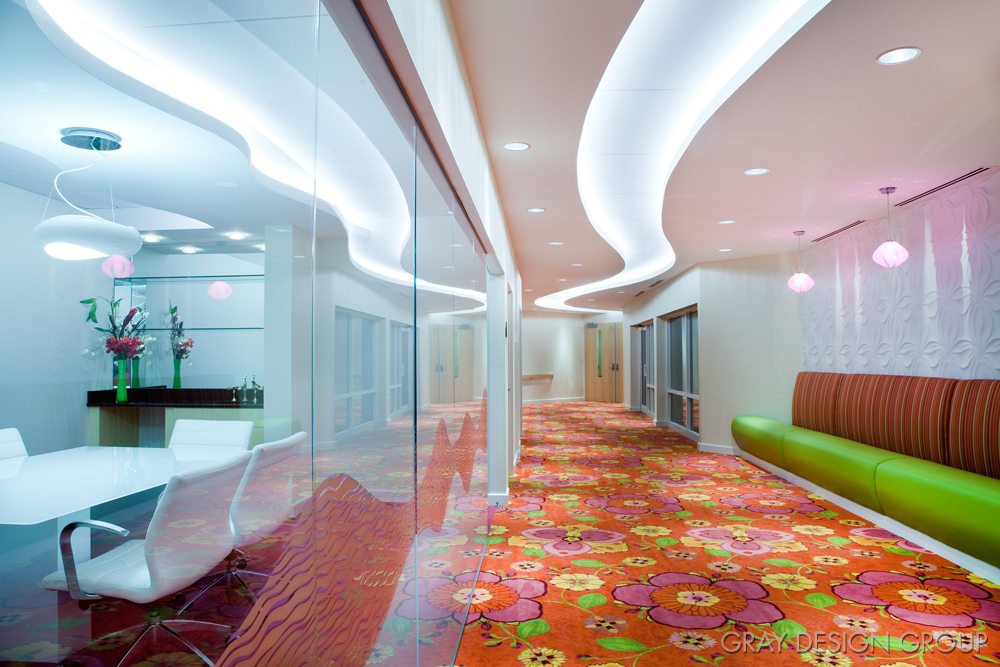
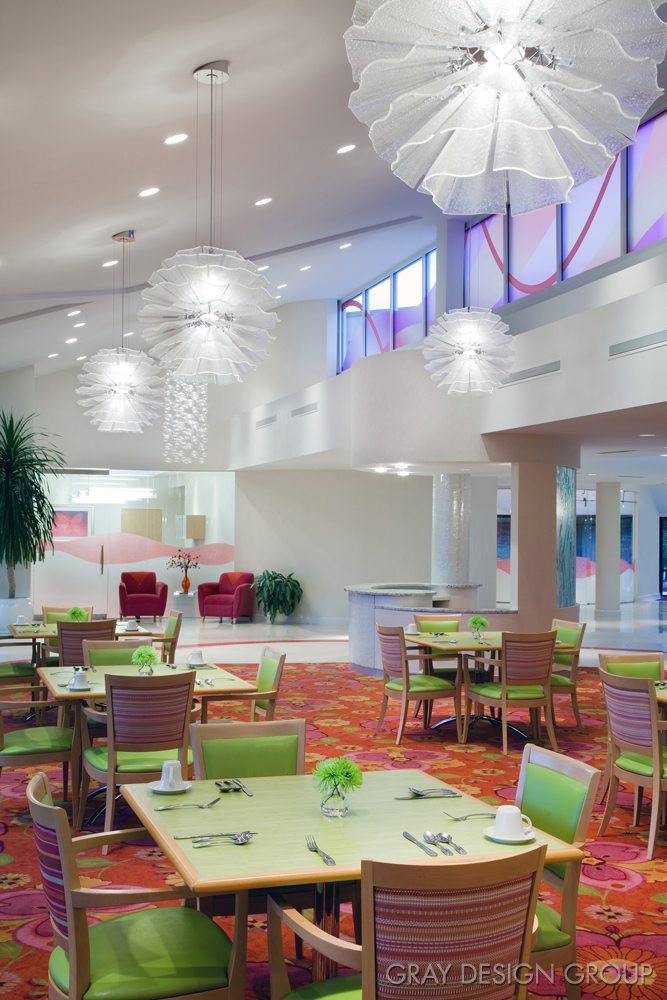
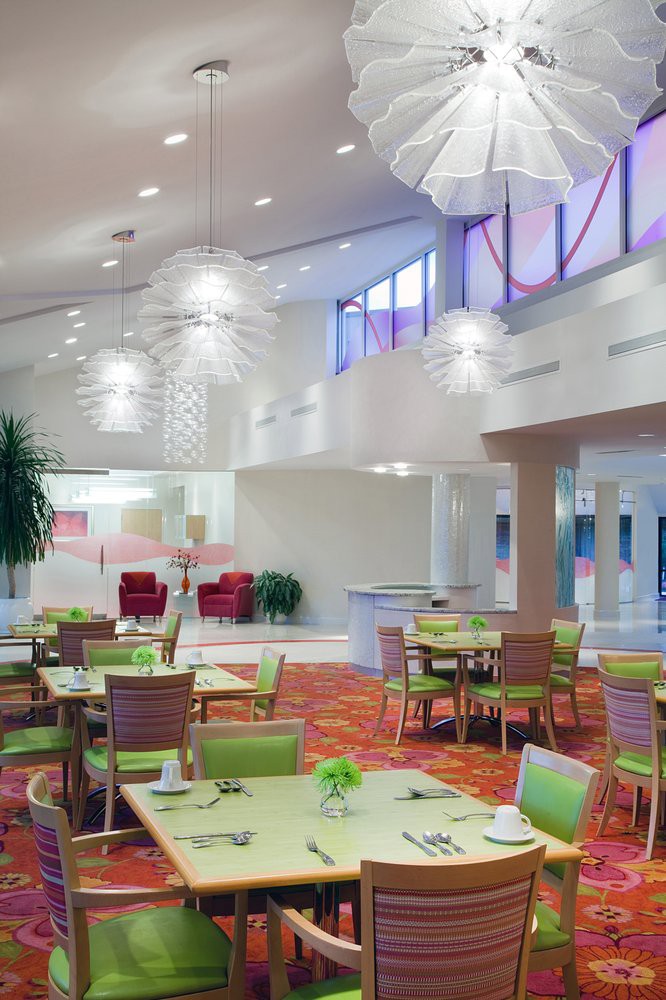
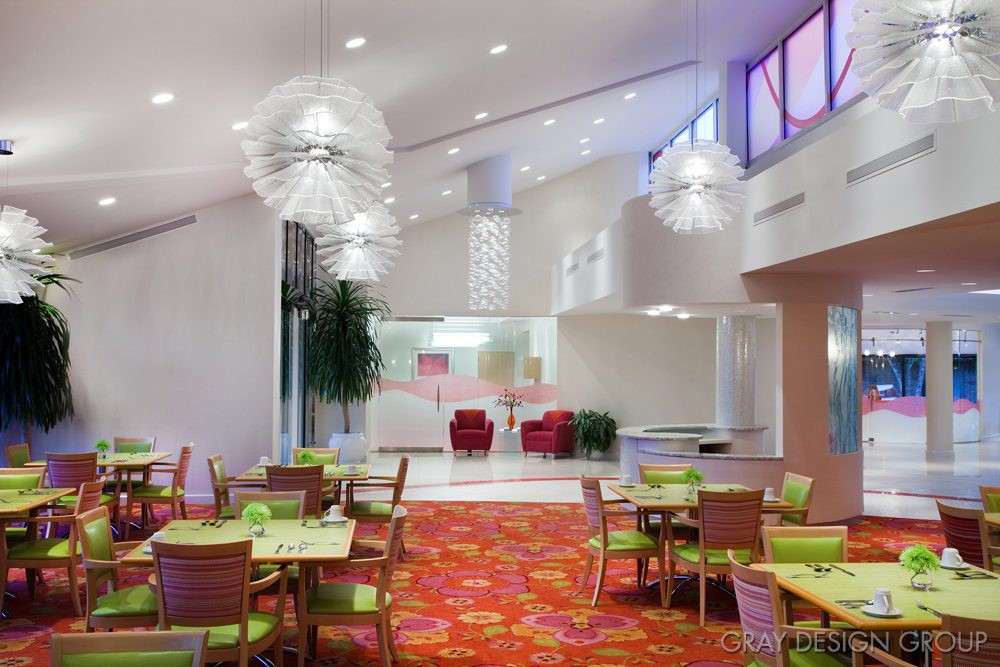
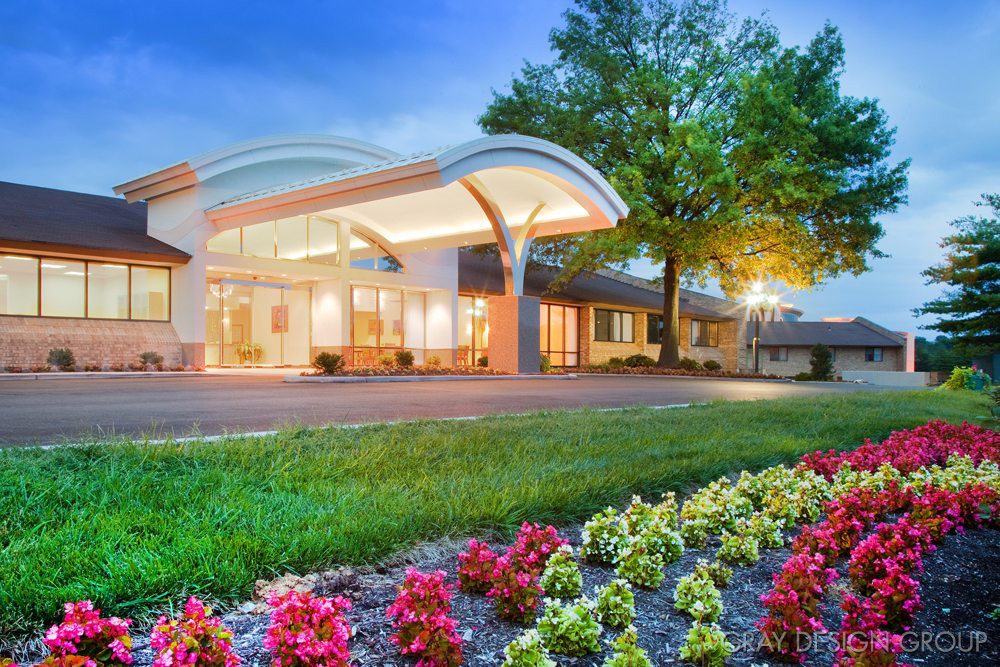
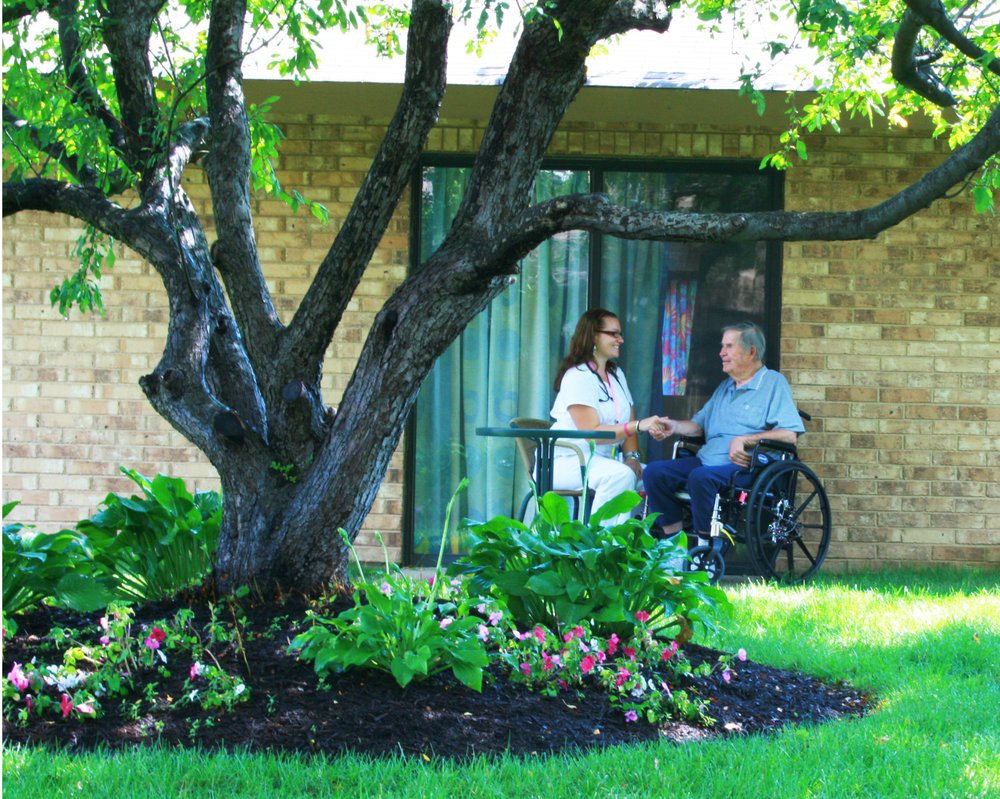
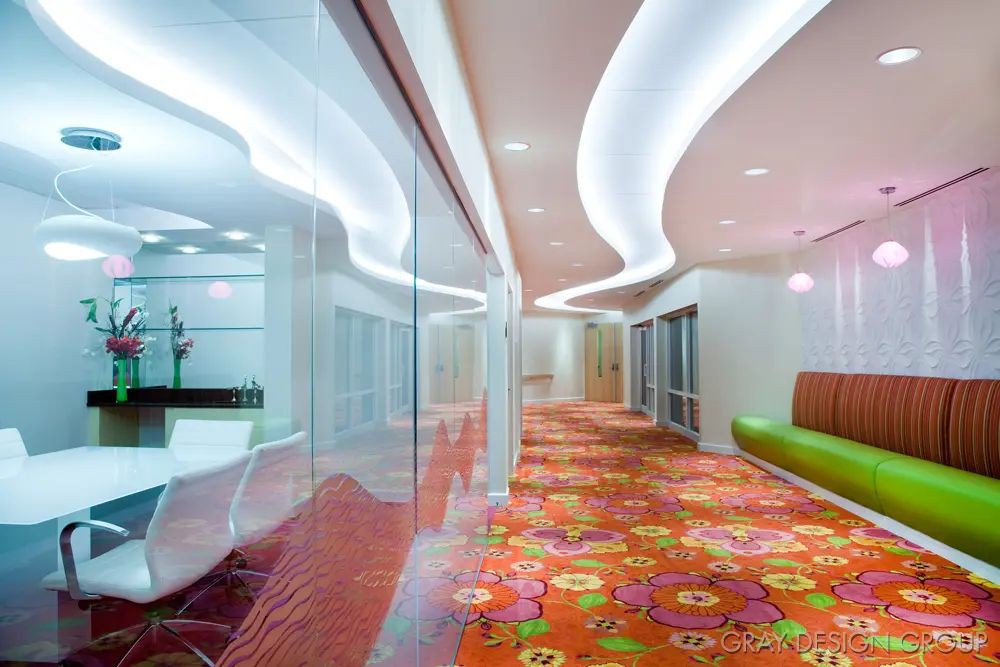
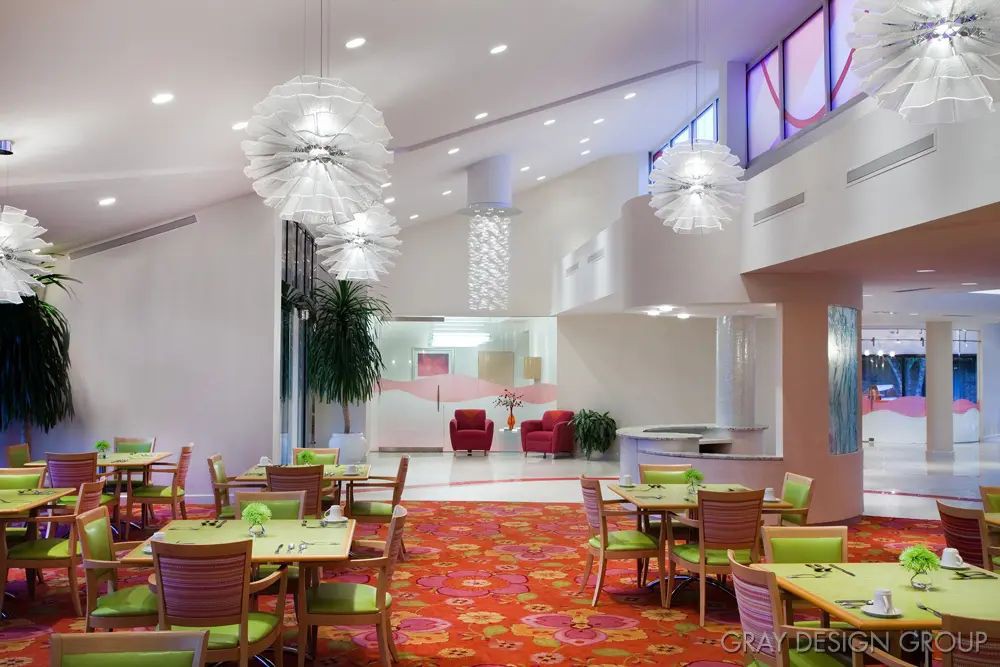
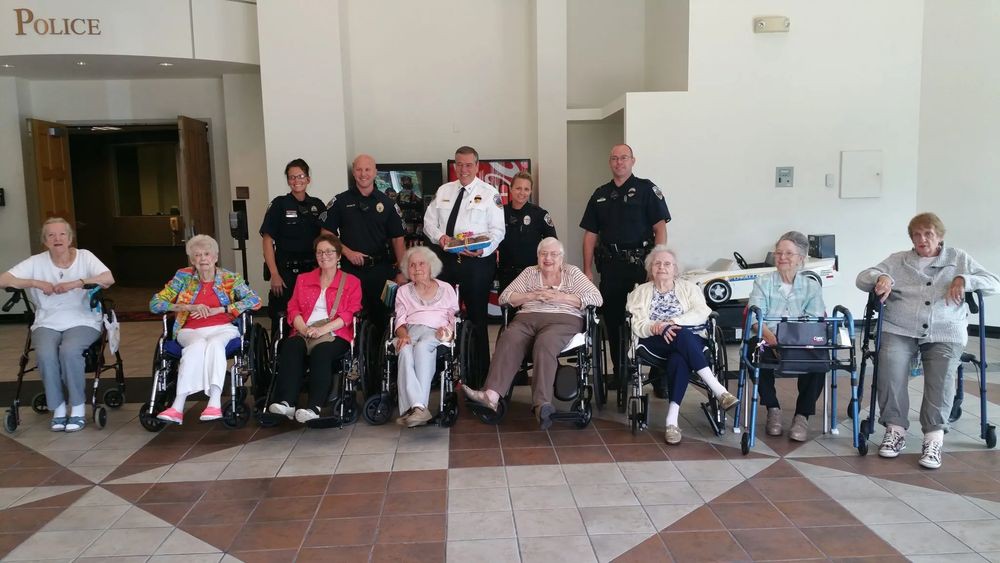
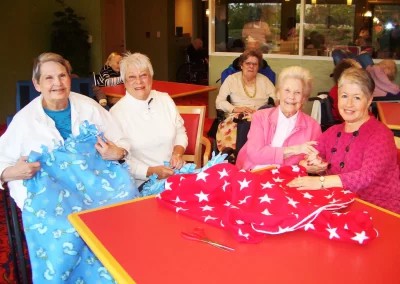
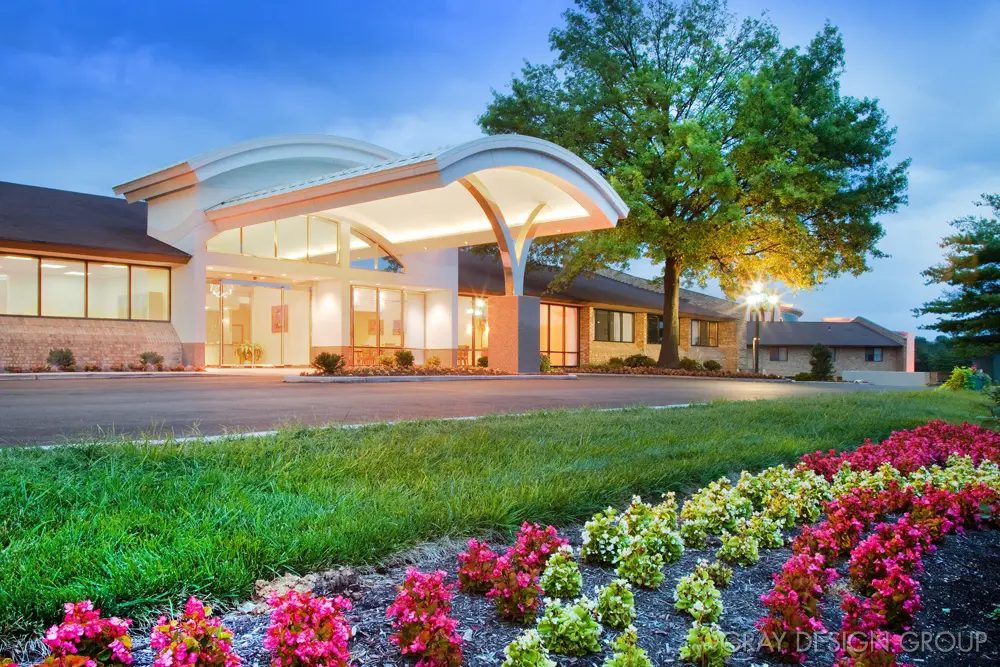
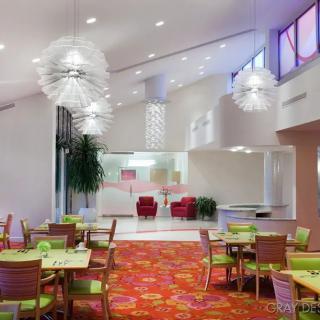
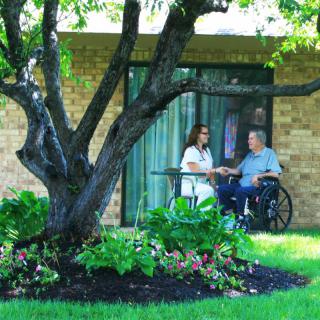
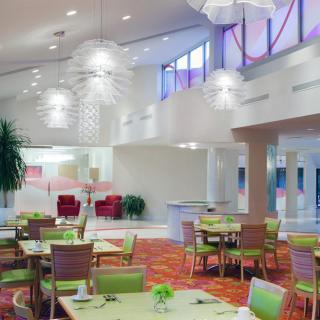
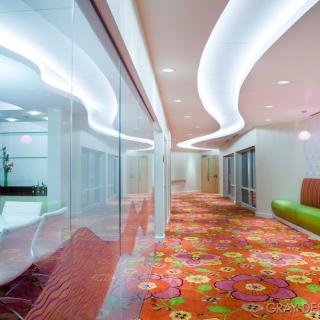
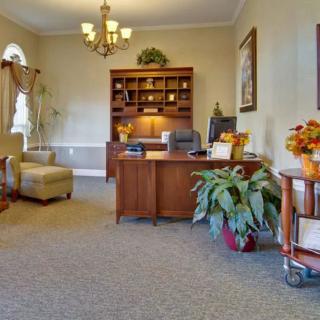
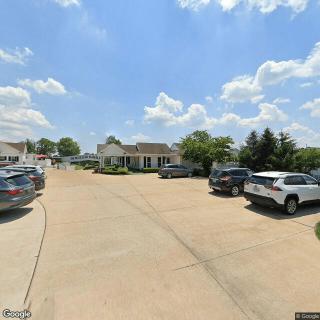
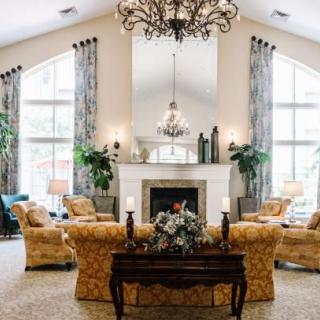
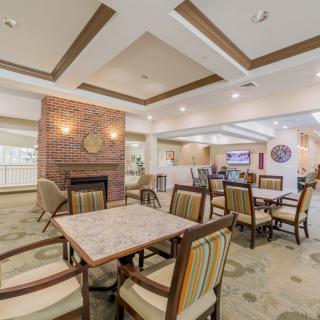
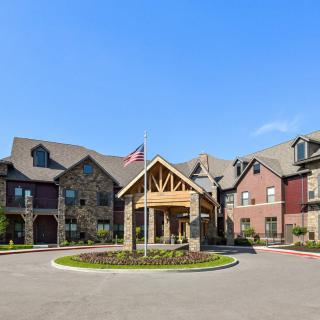
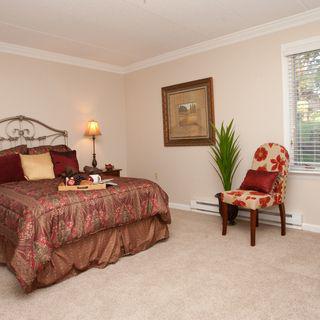
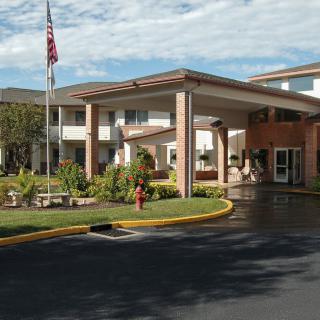
Delmar Gardens Of Chesterfield on seniors.fyi includes 13 photos including images showing interior, dining, entrance, architecture, landscaping, building, building exterior, office space, and more.
Nearby Communities
Chesterfield Villas
Chesterfield, MO
4.6 from 44 reviews
$2,600 to $4,900 / month
Friendly staff, clean environment, good meals, and engaging activities.
Delmar Gardens Private Services
Chesterfield, MO
3 from 8 reviews
Accessible, amenity-rich location with nearby cafes, parks, restaurants, pharmacies, and a hospital.
Anthology of Town & Country
Town and Country, MO
4.5 from 80 reviews
$5,399 to $7,999 / month
Friendly, caring staff with a vibrant community and varied amenities.
Dolan Residential Care Ctr
Chesterfield, MO
4.5 from 79 reviews
Close to parks, cafes, pharmacies, hospitals, and restaurants with supportive assisted living.
Garden View Care Center of Chesterfield
Chesterfield, MO
4 from 56 reviews
Good multi-level care options with a welcoming, well-staffed environment.
Friendship Village Chesterfield
Chesterfield, MO
4.2 from 93 reviews
$3,671 to $6,943 / month
Beautiful, well-maintained community with friendly staff and strong amenities.
The Westchester House
Chesterfield, MO
3.6 from 127 reviews
Some staff provide compassionate, attentive care and the admissions process is straightforward.
The Willows at Brooking Park
Chesterfield, MO
3.5 from 23 reviews
Upscale, clean units with friendly staff and a pleasant atmosphere.
Holiday Briarcrest Estates
Ballwin, MO
4.2 from 150 reviews
$2,579 to $3,999 / month
Welcoming community with friendly staff, tasty locally prepared meals, and engaging activities.
Weight training is vital for seniors to maintain muscle mass, bone density, and overall health, combating age-related declines through customized resistance exercises that enhance balance and well-being. Safe routines should start with realistic goals and proper form, while emphasizing gradual progress and consultations with healthcare providers to ensure safety and effectiveness.
The Sandwich Generation comprises adults managing the dual responsibilities of caring for aging parents and raising children, leading to significant emotional, logistical, and financial challenges. This situation is exacerbated by longer life expectancies and cultural expectations, necessitating effective coping strategies and support resources to alleviate caregiver stress and burnout.
The article highlights eight essential assistive devices that improve the independence and safety of older adults, addressing issues related to mobility, balance, vision, hearing, and dexterity. It emphasizes the importance of proper selection guided by healthcare professionals to enhance seniors' quality of life while allowing them to age in place.
Get PricingAsk A QuestionSchedule A TourContact Senior Advisor
By clicking submit, you agree to our Partner's Terms of Use. You
also consent to receive calls and texts, which may be autodialed, from our Partner. Your consent is not a condition to
using our Partner's service. Please visit our Partner's Privacy Policy for information about their privacy practices.








 237 resident community capacity
 Skilled Nursing Facility
 Cats allowed
 Dogs allowed
 Activities on-site
 Air-conditioning
 Beauty salon
 Cable or satellite TV
 Computer center
 Devotional services off-site
 Dining room
 Fitness room
 Fully furnished
 Gaming room
 Garden
 Housekeeping services
 Indoor common areas
 Kitchenette
 Move-in coordination
 Outdoor space
 Private
 Private bathrooms
 Restaurant-style dining
 Small library
 Telephone
 Wellness center
 Wi-Fi/high-speed internet available
 Lambert-St Louis International (12 miles away)
 Community operated transportation
 24-hour call system
 Ambulatory care
 Assistance with bathing
 Assistance with dressing
 Assistance with transfers
 Diabetes diet
 Diabetic care
 Medication management
 Special dietary restrictions
 Concierge services
 Planned day trips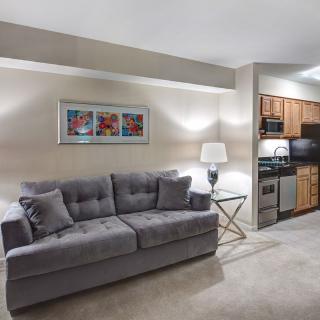
 Friendly staff, clean environment, good meals, and engaging activities.



 Weight Training for Seniors: Building Strength and Vitality
 Understanding the Sandwich Generation: Stress and Responsibilities for Multigenerational Caregivers
 8 Essential Assistive Devices for Older Adults