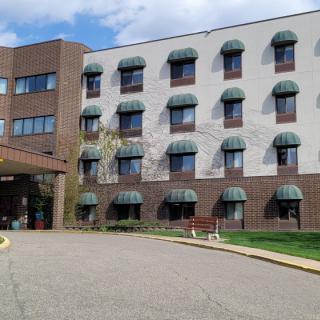
Good Sam Golden Valley

4080 West Broadway Avenue Ste 132, Robbinsdale, MN 55422

For more information about senior living options: (844) 490-3973

3.4 from 44 reviews
5 stars
22
4 stars
3
3 stars
2
2 stars
3
1 stars
14

Assisted Living

What level of care are you interested in?

Assisted Living

Memory Care

Independent Living

Skilled Nursing Facility

Continuing Care Retirement Community (CCRC)CCRC

Other


Request a tour at Good Sam Golden Valley

    Overall Review of Good Sam Golden Valley

    Pros

    • pro The staff seemed nice.
    • pro The facility was very clean.
    • pro This is an excellent care center; staff consistently invests in the wellbeing of the residents.
    • pro The occupational and physical therapy staff are nice, and the social workers are nice.
    • pro The PT, OT, and Speech therapists were awesome.
    • pro The front desk was very good.
    • pro The staff was nice and attentive.

    Cons

    • pro Reviewers describe the place as a horrible place with a dark atmosphere.
    • pro The staff are rude, talking about patients so others can hear.
    • pro It can take an hour for them to answer a patient's call light.
    • pro They left the floor unattended during a staff meeting, neglecting patient needs.
    • pro Residents were not cleaned after bowel movements; baths occurred only weekly; soiled clothing was bagged for families, with a strong odor.
    • pro A resident developed C-Diff and suffered due to lack of timely treatment.
    • pro Weekend shortages left residents without adult briefs, gowns, or medications.
    • pro Nurses and aides were inattentive, indifferent, or abrasive; described as a revolving door with underpaid staff.
    • pro There were safety lapses, including misplacing a patient's hearing aid and chart/medication errors.
    • pro Some reviewers believe the facility should be shut down and do not recommend it.

    Review

    Across the range of tales, this care center comes through as a place where experiences run the gamut from clean and reassuring to chaotic and alarming. A few visitors insist the facility is very clean and that staff, on the whole, are pleasant and well-meaning. One observer even called it "an excellent care center" where staff consistently invests in residents' wellbeing. Yet these positive notes sit alongside a tide of horror stories: episodes of neglect, rude or disengaged staff, and a persistent sense that safety and basic comfort can be inconsistent at best.

    A common thread among the harsher recollections is a troubling lack of timely attention and communication. Several reviewers describe call lights going unanswered for long stretches - one patient reportedly waited about an hour for help, and another noted that, during a staff meeting, there was simply no one available to meet patients' needs. Some accounts describe staff talking about patients and visitors in ways others could overhear, which adds to a sense of disrespect and vulnerability. The experience of being cared for over a weekend or during low-coverage times is frequently singled out as particularly troubling: basic amenities like gowns, adult briefs, and even certain medications can run out or be left unaddressed, leaving patients feeling ignored and unsafe.

    Hygiene, infection control, and routine care appear as especially troubling motifs in the more extreme reviews. A mother who stayed for a month developed a severe C-Diff infection, and several details paint a distressing picture: inadequate treatment for her infection, long delays in cleaning and dressing changes after soiling, and the use of bagged, soiled clothing that produced a stifling odor. Family members describe being told to accept the status quo or risk sending her back to the hospital or home. Bathing frequency is called into question - one family notes baths only once a week regardless of condition - and the handling of soiled linens and clothing is described as both embarrassing and unsanitary. These episodes culminate in a strong sentiment that the facility's infection control and daily hygiene practices were not merely lacking but actively harmful to a vulnerable patient.

    Safety and medical accuracy issues also surface in several accounts. There are reports of disorganization that jeopardizes patient safety: lost hearing aids, charts mixed up with another patient's, and even an instance where a nurse apparently told an patient there was "nothing more I can do for you now," leaving the individual to discover their own health metrics. The fear that a patient could be given the wrong medications or miss crucial care is echoed in the descriptions of misaddressed charts and lapses that required urgent action, including one case where an emergency was only averted after family members intervened and paramedics intervened. In another review, the family described a long, unsettling weekend during which staff appeared inattentive and disengaged, with little to no basic personal care provided.

    Amid the sea of criticisms, a handful of reviewers offer glimpses of more positive experiences. They highlight that occupational and physical therapy staff and social workers can be kind and effective, and that some therapists, particularly in PT, OT, and speech, delivered meaningful progress. The front desk is occasionally praised as competent and helpful, and a few residents and families note that, when therapy is in session, the care team can be responsive and collaborative. One account of rehab after hospitalization emphasizes that therapists were "awesome," and that the overall impression improved once the resident moved into the therapy phase. These pockets of praise remind readers that the staff turnover and resource constraints do not erase moments of quality care, even if they are unevenly distributed.

    Taken together, the collection of reviews paints a troubling portrait of a facility that struggles with staffing, consistency, and the everyday realities of caring for vulnerable residents. Several reviewers point to systemic problems: underpaid, overwhelmed CNAs and nurses, a revolving door of staff, and a cultural drift toward prioritizing administrative efficiency over personalized, attentive care. The emotional weight of these stories is palpable, with some families urging that the place be shut down or heavily fined, while others emphasize that, with the right oversight and involvement, some positive interactions are possible. The overarching message is that safety, dignity, and reliable care are not guaranteed here, and families must be vigilant and proactive if they choose to entrust a loved one to this facility.

    For anyone considering this care center, the compiled voices encourage a cautious, well-prepared approach. Ask detailed questions about staffing levels at weekends and nights, the frequency of bathing and hygiene routines, and how infections are monitored and treated. Inquire about how call lights are managed and how quickly staff respond, especially in emergencies. Request access to therapy schedules and ask for continuous updates from the care team and administration. Most importantly, visit with an eye for day-to-day interactions: observe how staff communicate with residents, how quickly they respond to needs, and whether residents seem clean, comfortable, and safe. The stories here are a reminder that behind every rating there is a human experience - one that can be peaceful and dignified, or troubling and dangerous, depending on how care is delivered in the moment.

    Features

    Housing

    • 21 resident community capacity 21 resident community capacity

    Types of Care

    • Assisted Living Assisted LivingAssisted living facilities provide crucial support and care for seniors who may need help with daily tasks such as medication management, bathing, and meal preparation. These communities offer a safe and comfortable environment where seniors can maintain their independence while receiving the assistance they need to thrive in their golden years.

    Amenities

    • Beauty salon Beauty salonBeauty salons are important for seniors because they provide a space for them to feel pampered, socialize, and maintain their personal grooming and hygiene. Regular visits to a beauty salon can help boost seniors' self-esteem and overall well-being.
    • Cable or satellite TV Cable or satellite TVCable or satellite TV is important for seniors because it provides entertainment, news, and companionship, helping to combat loneliness and boredom. It also offers a wide range of programming options tailored to different interests and preferences.
    • Dining room Dining roomDining rooms are important for seniors as they provide a space for socialization, connection, and nutritious meals. They offer opportunities for residents to bond over shared meals, foster a sense of community, and promote healthy eating habits. Dining rooms also ensure that seniors have access to well-balanced meals tailored to their dietary needs and preferences.
    • Fully furnished Fully furnishedFully furnished senior living communities are important for seniors because they provide convenience, comfort, and a hassle-free moving experience. Seniors can easily settle into their new living space without the stress of having to buy and move furniture. This allows them to focus on enjoying their new home and community.
    • Garden GardenGardens are important for seniors as they provide a peaceful and therapeutic environment for relaxation, physical activity, and socialization. Being in nature has been shown to reduce stress, improve mood, and promote overall well-being. Gardens also offer opportunities for seniors to engage in gardening activities, which can improve mobility, flexibility, and cognitive function. Additionally, gardens create a sense of community and connection with others who share a passion for plants and outdoor spaces.
    • Housekeeping services Housekeeping servicesHousekeeping services are important for seniors because they help maintain a clean and safe living environment, promote independence, and reduce the risk of accidents or illnesses. Additionally, having assistance with household chores can alleviate physical strain and allow seniors to focus on other aspects of their well-being.
    • Kitchenette KitchenetteKitchenettes are important for seniors living in senior living communities because they provide the convenience and independence of being able to prepare simple meals and snacks in the comfort of their own living space. This can help promote a sense of autonomy and well-being for seniors, allowing them to maintain some level of control over their dietary choices and daily routines.
    • Move-in coordination Move-in coordinationMove-in coordination is important for seniors because it helps ease the transition into their new living environment. It ensures that all logistics, such as packing, organizing movers, and setting up utilities are taken care of, allowing seniors to focus on settling in and adjusting to their new home. Having a smooth move-in process can alleviate stress and anxiety, making the transition smoother and more enjoyable for seniors.
    • Outdoor space Outdoor spaceOutdoor spaces are important for seniors as they provide opportunities for physical activity, social interaction, exposure to natural light and fresh air, and a sense of connection to nature. Having access to outdoor spaces can improve overall well-being and quality of life for older adults living in senior communities.
    • Restaurant-style dining Restaurant-style diningRestaurant-style dining is important for seniors because it allows them to enjoy delicious, nutritious meals in a social and upscale setting. This enhances their dining experience, promotes healthy eating habits, and fosters socialization with fellow residents, ultimately contributing to their overall well-being and quality of life.
    • Small library Small librarySmall libraries are important for seniors as they provide access to a variety of reading materials, including books, newspapers, and magazines. This can help stimulate their minds, keep them engaged, and provide a sense of community through book clubs and other social activities. Additionally, reading has been shown to improve cognitive function and overall mental well-being in older adults.
    • Telephone TelephoneTelephones are important for seniors as they provide a lifeline for communication with loved ones, emergency services, and healthcare providers. They offer a sense of security and independence, enabling seniors to stay connected and access assistance when needed.
    • Wi-Fi/high-speed internet available Wi-Fi/high-speed internet availableWi-Fi/high-speed internet is important for seniors to stay connected with loved ones, access online resources, and participate in virtual activities to combat feelings of loneliness and isolation. It also allows them to easily manage healthcare needs, access entertainment, and engage in lifelong learning opportunities.

    Transportation

    • Minneapolis-St Paul International (12 miles away) Minneapolis-St Paul International (12 miles away)

    Care Services

    • 24-hour call system 24-hour call system24-hour call systems are important for seniors because they provide peace of mind and immediate assistance in case of emergencies. This technology ensures that help is always available, promoting safety and security for elderly individuals living alone or in assisted living facilities.
    • 24-hour supervision 24-hour supervision24-hour supervision is important for seniors to ensure their safety, well-being, and access to immediate assistance in case of emergencies or health issues. This constant support provides peace of mind for both seniors and their loved ones, allowing them to age in place with dignity and security.
    • Activities of daily living assistance Activities of daily living assistanceActivities of daily living assistance are important for seniors because they provide essential support with tasks such as eating, bathing, dressing, and mobility. This assistance helps seniors maintain their independence, dignity, and overall quality of life as they age.
    • Assistance with bathing Assistance with bathingAssistance with bathing is crucial for seniors as it helps maintain personal hygiene, prevents infections, and ensures their overall well-being and comfort. It also provides a sense of dignity and independence for seniors who may struggle with this task on their own.
    • Assistance with dressing Assistance with dressingAssistance with dressing is important for seniors because it helps maintain their independence, promotes personal hygiene, prevents accidents and injuries, and improves overall quality of life. This service ensures that seniors can continue to dress comfortably and confidently, despite any physical limitations they may have.
    • Assistance with transfers Assistance with transfersAssistance with transfers is crucial for seniors as it helps prevent falls and injuries, maintains their independence, and ensures they can safely navigate their living environment. It also provides peace of mind for both seniors and their loved ones.
    • Diabetes diet Diabetes dietA diabetes diet is crucial for seniors as it helps manage blood sugar levels, reduce risks of complications, and improve overall health and well-being. By following a balanced and nutritious diet tailored to their specific needs, seniors can better control their diabetes and enhance their quality of life.
    • Meal preparation and service Meal preparation and serviceMeal preparation and service are crucial for seniors as they may have limited mobility or energy to cook nutritious meals. Having access to healthy and convenient food options can ensure they are getting the proper nutrition needed to maintain their overall health and well-being.
    • Medication management Medication managementMedication management is crucial for seniors to ensure they are taking the right medications at the correct dosages and times. This helps prevent adverse drug interactions, reduces the risk of medication errors, and promotes overall health and well-being. Proactive management also allows for adjustments as needed based on changing health conditions or new prescriptions.
    • Mental wellness program Mental wellness programMental wellness programs are essential for seniors as they promote cognitive stimulation, emotional support, and social engagement. These programs help prevent isolation, depression, and cognitive decline, ultimately enhancing the overall quality of life for older adults.
    • Special dietary restrictions Special dietary restrictionsSpecial dietary restrictions are important for seniors because age-related changes in metabolism and health conditions can make it difficult for their bodies to process certain foods. By following a diet tailored to their specific needs, seniors can maintain their overall health and well-being, manage chronic conditions, and reduce the risk of complications such as malnutrition or food interactions with medications.
    Dining

    • Diabetes diet Diabetes dietA diabetes diet is crucial for seniors as it helps manage blood sugar levels, reduce risks of complications, and improve overall health and well-being. By following a balanced and nutritious diet tailored to their specific needs, seniors can better control their diabetes and enhance their quality of life.
    • Special dietary restrictions Special dietary restrictionsSpecial dietary restrictions are important for seniors because age-related changes in metabolism and health conditions can make it difficult for their bodies to process certain foods. By following a diet tailored to their specific needs, seniors can maintain their overall health and well-being, manage chronic conditions, and reduce the risk of complications such as malnutrition or food interactions with medications.

    Activities

    • Community-sponsored activities Community-sponsored activitiesCommunity-sponsored activities are important for seniors as they provide opportunities for social interaction, mental stimulation, and physical activity. These activities can help improve overall well-being, combat loneliness and isolation, and promote a sense of belonging and purpose among older adults.
    • Resident-run activities Resident-run activitiesResident-run activities are important for seniors as they encourage social interaction, creativity, and a sense of autonomy. These activities empower seniors to stay engaged and active in their community while fostering meaningful connections with their peers.
    • Scheduled daily activities Scheduled daily activitiesScheduled daily activities are important for seniors because they provide structure, socialization, mental stimulation, and physical activity. Engaging in regular activities can improve overall well-being and quality of life for seniors living in a community setting.

    Description

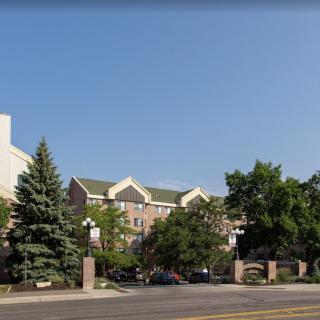
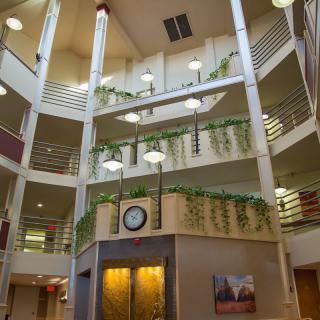
    The Good Sam Golden Valley assisted living community in Robbinsdale, MN offers a wide range of amenities and care services to ensure the comfort and well-being of its residents. Each apartment is fully furnished and includes cable or satellite TV, a kitchenette, Wi-Fi/high-speed internet, and a telephone. Housekeeping services are provided to keep the living spaces clean and tidy.

    Residents can enjoy restaurant-style dining with special dietary restrictions catered to. There is also a small library for reading enthusiasts. Outdoor spaces such as gardens provide a peaceful environment to relax and enjoy nature. The community also offers move-in coordination assistance to make the transition seamless for new residents.

    Care services are available 24 hours a day, with staff providing assistance with activities of daily living such as bathing, dressing, and transferring. Special attention is given to those with diabetes through specialized diet plans. Medication management is provided to ensure residents take their medications as prescribed.

    The community focuses on promoting mental wellness through its dedicated program. Resident-run activities and scheduled daily activities encourage socialization and engagement among the residents. The location of Good Sam Golden Valley is convenient with cafes, parks, pharmacies, places of worship, restaurants, and hospitals in close proximity.

    Overall, Good Sam Golden Valley provides an inviting and caring environment where seniors can receive the assistance they need while enjoying various amenities and engaging activities that enhance their quality of life.

    Nearby Places of Interest

    Pharmacies

    • Walgreens (0.1 miles)
    • Walgreens (2.1 miles)
    • Walgreens (2.3 miles)
    • HyVee Pharmacy (2.4 miles)
    • CVS Pharmacy (2.7 miles)
    • CVS Pharmacy (2.8 miles)
    • Park Nicollet Clinic (2.8 miles)

    Places of Worship

    • Elim Church Center (0.1 miles)
    • Westminster Presbyterian Church (5 miles)
    • Fridley United Methodist Church (5.6 miles)

    Parks

    • Twin Lake Beach Park (0.8 miles)
    • North Loop Dog Park (4 miles)
    • Boom Island Park (4.1 miles)
    • French Regional Park (4.8 miles)
    • Loring Park (4.9 miles)
    • Mill Ruins Park (5.1 miles)
    • Gateway Dog Park - Off-Leash Play Area (5.2 miles)

    Cafes

    • Caribou Coffee (1 miles)
    • Dunn Brothers Coffee (5 miles)
    • Spyhouse Coffee (5.3 miles)
    • Starbucks (5.7 miles)
    • Angel Food Bakery & Coffee Bar (5.9 miles)

    Restaurants

    • Big Louie's Bar & Grill (1.7 miles)
    • Pub 42 (2 miles)
    • Tony Jaro's River Garden (3.3 miles)
    • Psycho Suzi's Motor Lounge (3.5 miles)
    • Culver's (3.6 miles)
    • Pryes Brewing Company (3.8 miles)
    • Jimmy's Bar & Lounge (3.9 miles)

    Physicians

    • Northwest Family Physicians PA (2.1 miles)
    • Fairview Fridley Clinic (5.2 miles)
    • Eyeklinic of Edinburgh (5.7 miles)
    • Partners In Pediatrics (5.7 miles)
    • Eye Care Center (5.9 miles)
    • Whittier Clinic (6.1 miles)
    • Fairview Clinics (6.3 miles)

    Hospitals

    • Regency Hospital (2.6 miles)
    • Hennepin County Medical Center (5.3 miles)
    • Csc Gi Lab (5.4 miles)

    Frequently Asked Questions

    Where is Good Sam Golden Valley?

    Nearby Communities

    Related Resources

    • is assisted living tax deductibleIs Assisted Living Deductible on Your Taxes? Understanding the Complexities of Assisted Living Expenses and Deductions

      The deductibility of assisted living expenses on taxes hinges on factors like the individual's medical condition and service nature, typically requiring the resident to be "chronically ill" per IRS definitions. Taxpayers may deduct eligible medical expenses related to personal care services but generally not rent unless primarily for medical care, and they should maintain thorough documentation to support claims while considering itemizing versus standard deductions.

    • va benefits for assisted livingAssisted Living Support for Veterans: A Complete and Detailed Overview

      The guide highlights the importance of assisted living facilities for aging veterans needing daily support, discusses unique challenges they face, and outlines available financial assistance from the VA, including the Aid and Attendance program. It emphasizes understanding eligibility criteria and navigating the VA system to access necessary benefits effectively.

    • assisted living vs skilled nursingExploring the Contrasts Between Assisted Living and Skilled Nursing

      The article compares assisted living and skilled nursing facilities, detailing their differing levels of assistance, medical support, cost structures, and day-to-day experiences. It emphasizes that assisted living is for those needing help with daily activities while maintaining independence, whereas skilled nursing facilities provide intensive medical care with 24-hour staff supervision.


    Get Pricing Ask A Question Schedule A Tour Contact Senior Advisor