
705 East Lake Street, Minneapolis, MN 55407
For more information about senior living options: (866) 208-4318
1-0 Granny's Helpful Hands II Costs & Pricing
1-0 Granny's Helpful Hands II offers competitive pricing for assisted living accommodations in comparison to Hennepin County and the broader Minnesota region. For a studio, the monthly cost is $3,595, which is slightly lower than both the county average of $3,713 and the state average of $3,617. The pricing for one-bedroom units ranges from $3,895 to $5,795 - this range reflects a variety of options catering to different preferences and budgets; notably, it exceeds Hennepin County's average of $3,550 but significantly surpasses the state average of just $2,893. Meanwhile, two-bedroom units are priced at $4,695 - again higher than Hennepin County's figure of $3,848 and the Minnesota statewide average of $2,955. Overall, Granny's Helpful Hands II positions itself as a facility that provides various living options while reflecting a commitment to quality care within a competitive market landscape.
| Floor plans | 1-0 Granny's Helpful Hands II | Hennepin County | Minnesota |
|---|---|---|---|
| Studio | $3,595 | $3,713 | $3,617 |
| 1 Bedroom | $3,895 to $5,795 | $3,550 | $2,893 |
| 2 Bedrooms | $4,695 | $3,848 | $2,955 |
Assisted Living communities with a similar price nearby
-
from -$595 / mo
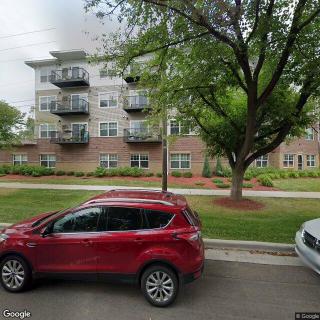
Highland on Graham
$3,000 to $4,000 / month5.3 miles away -
from -$395 / mo

Carver Ridge Senior Living
$3,200 to $4,800 / month22.4 miles away -
About the same

Our Lady Of Peace Home Care
$3,500 to $6,000 / month3.7 miles away -
About the same

Hayden's House
$3,600 to $6,200 / month9.7 miles away -
from -$255 / mo

The Fountains at Hosanna
$3,340 to $4,440 / month16.3 miles away
Overall Review of 1-0 Granny's Helpful Hands II
Pros
 They take good care of him and are responsive to any questions.
- The reviewer is very satisfied with the care they have been providing.
- Amanda was really good at her job and ensured payments were made.
Cons
 They are up and down now, indicating inconsistent service.
- The check they issued turned out to be no good at the bank, causing a weekend delay.
- The payment process required a weekend wait due to the faulty check.
Review
Granny's Helpful Hands II is best suited for families seeking hands-on, attentive daily care for a loved one who values clear, responsive communication. The reviews suggest a setting where caregivers are readily available and capable of addressing questions promptly, translating into reliable day-to-day support. In Minneapolis, this small-operation approach can mean closer staff contact and the impression that concerns are heard and acted upon quickly. For guardians prioritizing direct access to the care team and reassurance that routines, meals, hygiene, safety checks, are consistently managed, this community presents as a practical, caregiver-centered option. The positive note about quality care and responsiveness signals a tangible strength for residents who require steady oversight and a hands-on approach to daily living.
However, a sober look at the operational side reveals a red flag: financial administration has shown volatility. The same guardian reports that, while care remains solid, billing has been inconsistent, with a specific instance where a payment issue caused a weekend delay. The mention that one staff member handled payment matters well, while others have created gaps, suggests there can be variability tied to personnel. Families that rely on precise, predictable billing and timely reimbursements will want to probe the facility’s current financial processes, confirm who manages accounts, and verify there is a stable, documented workflow. Alternatives with stronger, more consistent administrative controls may be preferable for those with tight budgets or complex payer arrangements.
The core advantage here is clear: attentive caregiving and accessible staff. When care is consistently delivered and questions are answered quickly, the risk of unmet needs diminishes and the resident’s daily experience improves. That strength helps offset the administrative hiccups to some degree, but it cannot erase them. The billing irregularities described, delays in processing payments and weekend fixes, highlight a real vulnerability: families may face cash-flow concerns or delays in reimbursements if issues recur. The presence of Amanda as a capable payer-administrator signals that strong individual performers can anchor operations, yet turnover risk remains a shadow over long-term reliability. In short, the caregiving quality is solid enough to make this option appealing for daily-life stability, but administrative consistency is a critical gap that demands clear assurances before commitment.
Staff continuity and governance emerge as the pivotal variables. The positive mention of Amanda underscores how a single competent team member can drive trust and throughput, yet the inference that she stood out suggests potential gaps if staffing changes occur. Prospective families should request an up-to-date staffing roster, a transparent turnover rate, and a clear plan for coverage during absences. Inquire about shift staffing, training protocols, and how quality assurance is measured and enforced. A community that can demonstrate low turnover, a clearly defined chain of command, and transparent, reliable billing policies will convert caregiving strengths into durable reliability. Without those assurances, even strong day-to-day care may be undermined by inconsistent administrative execution.
Practical decision steps shape the evaluation. Schedule a candid on-site discussion focused on two pillars: care delivery and financial operations. Request the current care plan, daily routines, and evidence of consistent caregiving coverage. Probe the billing workflow: who generates statements, how quickly issues are resolved, and what recourse exists if a payment stalls. Seek recent references from families with residents of similar needs to gauge real-world reliability. If the facility can demonstrate stable staffing and a robust, transparent financial process, the positives of responsive care likely outweigh the occasional administrative friction. If not, it’s prudent to identify alternatives that offer similar care levels but stronger governance to avoid future surprises.
In the end, Granny's Helpful Hands II offers genuine daily-care strengths, responsiveness, attentive hands-on care, and accessible communication, that can support a resident’s comfort and safety. Those strengths matter most for families prioritizing quality of daily living and dependable caregiving. Yet the overall rating and the notable billing hiccup cannot be ignored, signaling a risk that must be mitigated through solid staffing controls and transparent financial practices. The prudent path is a targeted visit with a checklist focused on staff stability and payment processes, followed by a side-by-side comparison with peers offering similar levels of care but stronger administrative reliability. For families able to secure assurances on both fronts, this community becomes a sensible, if not perfect, option worth serious consideration.
 21 resident community capacity
 Assisted Living
 Beauty salon
 Cable or satellite TV
 Dining room
 Fully furnished
 Garden
 Housekeeping services
 Kitchenette
 Move-in coordination
 Outdoor space
 Telephone
 Wi-Fi/high-speed internet available
 Minneapolis-St Paul International (5 miles away)
 24-hour call system
 Activities of daily living assistance
 Assistance with bathing
 Assistance with dressing
 Assistance with transfers
 Diabetes diet
 Meal preparation and service
 Medication management
 Mental wellness program
 Special dietary restrictions
 Transportation arrangement (medical)
 Transportation to doctors appointments
 Funding and Affording Assisted Living: A Thorough Overview
 Assisted Living Expenses and Long-Term Care Insurance: A Comprehensive Exploration
 Securing Financial Support for Assisted Living: A Comprehensive Overview