
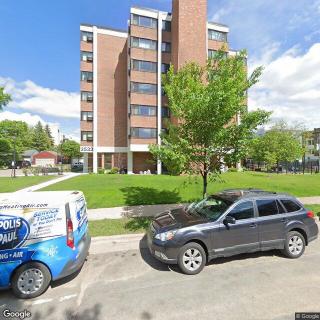
3109 Oakland Avenue, Minneapolis, MN 55107
For more information about senior living options: (866) 208-4318
Overall Review of Millennium Health Care
Pros
 They have ICS units.
Cons
 The organization lacks professionalism.
- The team and its leader lack effective communication and respect toward potential partners and residents.
- They have been consistently late to showings or forgotten about them, and were not present.
- It may not be a good fit for those seeking reliable services.
Review
Millennium Health Care in Minneapolis is best suited for families that need a program-driven living environment and are prepared to actively oversee the care relationship with staff. The facility’s mention of ICS units signals an emphasis on structured care pathways and a coherent framework for coordinating services, which can be appealing to residents with ongoing needs who want visibility into how services are delivered. This is not a passive choice; success hinges on consistent, respectful communication from leadership and timely delivery of promised services. When operations run as designed, residents can experience a clear care continuum, predictable routines, and the sense that care decisions follow a focused plan. But the practical benefit relies on reliability at every touchpoint, from tours to daily interactions.
Two five-star testimonials indicate that Millennium Health Care can deliver quality experiences when the team is aligned and present. In those moments, residents may receive attentive recognition and well-executed programs, with staff appearing to know preferences and routines. Yet the most critical test for families is consistency: repeated issues with communication, delays, and showings being missed undermine trust and complicate planning. The gap between potential and actual performance centers on leadership and front-line reliability. The positives are real, but they are not guaranteed; the variance in execution makes it essential to probe during visits how reliably information is conveyed, how quickly concerns are addressed, and who owns accountability when commitments slip.
Alas, this community is not the best fit for every family. Those who require unwavering punctuality, predictable scheduling, and proactive, transparent communication should consider alternatives in the Minneapolis area with stronger track records on reliability and partner engagement. Families that cannot tolerate missed showings, late confirmations, or being treated as an afterthought in the planning process will want to look for a provider with demonstrable consistency. Additionally, residents who value a more hands-on governance structure, with clearly defined escalation paths and documented service-level commitments, will likely be better served elsewhere unless Millennium Health Care can prove sustained improvement.
To decide decisively, conduct a rigorous due-diligence process focused on communication protocols and scheduling discipline. Request a detailed tour calendar and ask who will conduct each tour, what backup plans exist when a staff member is unavailable, and how late arrivals are handled. Demand a written communication policy that outlines response times and escalation steps for questions or concerns. Speak with current residents and families about their experience with follow-through and the consistency of staff presence. Inquire about the leadership structure, staff turnover, and training practices, especially around respectful engagement with partners and residents. Finally, verify the scope and expectations of the ICS units, clarifying what care pathways are actually implemented and who is accountable for coordinating those services on a day-to-day basis.
Ultimately, the main con, unreliable professionalism and inconsistent showings, casts a long shadow over the potential advantages of an organized care framework. The existence of ICS units and high ratings in separate reviews show what is possible when operations are functioning, yet those moments are not dependable without a robust accountability system. If leadership cannot demonstrate a clear improvement plan with measurable milestones and a commitment to reliable communication, the perceived benefits do not translate into long-term value for residents or families. The favorable aspects matter, but they only matter if execution follows. In practical terms, this means that the decision should hinge on a tested promise of reliability, not optimistic potential alone.
The practical course is to visit with a focused checklist and demand concrete commitments before any move. Schedule a high-priority tour with a senior administrator, request documented service standards, and obtain a reference set from current residents or families who recently engaged with the facility. Compare Millennium Health Care against other Minneapolis options on routing of tours, speed of responses, and clarity of care plans. If reliability and respectful engagement are demonstrably improved, the community can become a strong fit, but only after rigorous verification. Otherwise, families should favor alternatives with proven consistency, clear accountability, and a track record of punctual, transparent, and collaborative care.
 21 resident community capacity
 Assisted Living
 Beauty salon
 Cable or satellite TV
 Dining room
 Fully furnished
 Garden
 Housekeeping services
 Kitchenette
 Move-in coordination
 Outdoor space
 Telephone
 Wi-Fi/high-speed internet available
 Minneapolis-St Paul International (5 miles away)
 24-hour call system
 Activities of daily living assistance
 Assistance with bathing
 Assistance with dressing
 Assistance with transfers
 Diabetes diet
 Meal preparation and service
 Medication management
 Mental wellness program
 Special dietary restrictions
 Transportation arrangement (medical)
 Transportation to doctors appointments

 Assisted Living Support for Veterans: A Complete and Detailed Overview
 Exploring the Contrasts Between Assisted Living and Skilled Nursing
 8 Key Indicators That Suggest It May Be Time to Transition from Assisted Living to Skilled Nursing Care