
315 East Central Entrance, Duluth, MN 55811
For more information about senior living options: (866) 208-4318

Overall Review of Home Instead Senior Care IV
Pros
 Cindy knows her business and predicts clients’ needs before they arise; she is outstanding in every way.
- Families are pleased with the new management and care providers, and clients look forward to each visit.
- Dena is kind and passionate in her care of her mother.
- Mary is great.
- The Home Instead team coordinated a wonderful program to provide Christmas gifts for veterans, and the effort is deeply appreciated.
- Lillie, the father’s caregiver, provided amazing care and helped him stay at home until the end; the family highly recommends Home Instead.
- The office staff are among the most caring and compassionate, always ensuring clients are happy.
- Shelley goes above and beyond as a caregiver to ensure mom is happy and well cared for, and Nelia enables time away for families.
- Sarah has shown kindness and care, providing meals, cleaning, and companionship that enriches daily life.
- Kristin M. treats Jack with respect, finds things he enjoys, reads to him, and helps improve his quality of life.
Cons
 Management did not supervise staff and did not take feedback seriously.
- An employee refused to wear a mask, potentially risking a vulnerable family member.
- Repeated calls and emails to address the issue yielded no changes in infection-control practices.
- The company reportedly called the client to instruct how to tell the worker to wear a mask, which was described as unreal.
- Families may need to supervise caregivers themselves and verify infection-control compliance.
Review
Home Instead Senior Care IV in Duluth is best suited for families who want a loved one to stay in their own home while receiving highly personalized, relationship-driven care. This agency excels when the goal is consistent companionship, help with daily tasks, meal planning, light housekeeping, and dementia-friendly support delivered by caring, attentive caregivers. It is especially strong for families seeking continuity of care over time, as several caregivers become trusted partners who know the client’s routines, preferences, and stories. The service also works well for families tapping into veteran-related assistance or charitable programs that bring practical support and pleasant interactions into the home.
Those who should consider alternatives include families needing around-the-clock medical supervision, highly structured memory-care environments, or facilities with on-site licensed nursing and rehab services. While Home Instead’s in-home model offers remarkable flexibility and warmth, it does not substitute for stringent 24/7 nursing oversight or a full-time memory-care setting. For loved ones requiring intensive medical management, frequent skilled interventions, or a social milieu provided by a traditional assisted living campus, a facility-based option may deliver a more comprehensive continuum of care.
The strongest positives are unmistakable: remarkable caregiver quality, deep personal connection, and a capacity to extend home life rather than disrupt it. The staff routinely goes above and beyond to tailor care to individual tastes, whether arranging meals, helping with errands, or simply sharing meaningful activities. Families repeatedly highlight caregivers who treat their loved ones as people, not tasks, with names and daily rituals that matter. This level of dedication translates into real respite for family members and sustained quality of life for seniors who resist moving into a facility.
Equally important are the practical supports that back up the caregiving relationship. The organization’s ability to coordinate resources, such as special programs for veterans and community-driven gift initiatives, demonstrates a readiness to mobilize outside help when it matters most. Office staff are described as polite, understanding, and reliable, providing a stable point of contact and a framework for responsive scheduling. New management and caregiving teams have been welcomed by many families, signaling an organization capable of evolving to meet client needs. Where concerns arise, they tend to surface around supervision and feedback responsiveness, reminding decision-makers to verify who will oversee care plans and how family input is handled.
These advantages balance against the realities of the in-home model. Care continuity can vary, some families experience long-term matches and deep rapport, while others notice staff turnover or shifts in supervision. That variability does not negate the value of the service, but it does require proactive management by families: establish a clear primary caregiver, insist on regular updates, and request a stable care plan. For households weighing cost against benefit, the around-the-clock presence of a single, trusted caregiver at home may prove far more economical and emotionally satisfying than frequent in-facility moves, even if it means accepting some variability in staffing.
In practical terms, families moving forward should seek a candid conversation about caregiver assignment, continuity, and the process for addressing concerns. Ask for a named care manager and a predictable schedule, confirm how care plans are updated, and request opportunities to trial a caregiver pair before committing long-term. Leverage benefits like veteran-specific coordination and community gift programs to enhance the overall experience. For those who value a home-first approach with personalized interactions and a trusted caregiver network, Home Instead Duluth IV offers a compelling, sustained advantage.
The bottom line is clear. This service is a strong, even exceptional fit for seniors who wish to remain at home and rely on deeply caring, individualized support from a consistent caregiver cadre, with responsive office coordination and access to meaningful community programs. It is less suited for families whose priority is 24/7 medical oversight, highly structured memory-care environments, or campus living with on-site nursing. When the goal is preserving independence, dignity, and daily life at home, the pros, emotional warmth, practical help, and relational continuity, substantially offset the occasional supervision gaps. For appropriate cases, this remains a practical, trusted choice.
 21 resident community capacity
 Assisted Living
 Beauty salon
 Cable or satellite TV
 Dining room
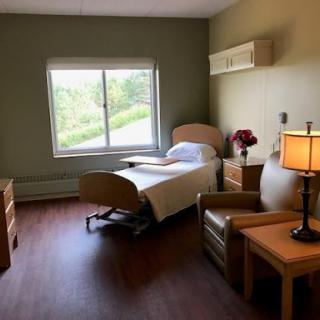
 Fully furnished
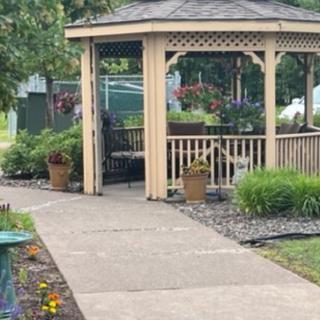
 Garden
 Housekeeping services
 Kitchenette
 Move-in coordination
 Outdoor space
 Telephone
 Wi-Fi/high-speed internet available
 Duluth International (4 miles away)
 24-hour call system
 Activities of daily living assistance
 Assistance with bathing
 Assistance with dressing
 Assistance with transfers
 Diabetes diet
 Meal preparation and service
 Medication management
 Mental wellness program
 Special dietary restrictions
 Transportation arrangement (medical)
 Transportation to doctors appointments





 8 Key Indicators That Suggest It May Be Time to Transition from Assisted Living to Skilled Nursing Care
 Vibrant Senior Living: A Comprehensive Guide for Active Older Adults
 When to Transition from Assisted Living to Memory Care: Key Indicators, Steps, and Finding the Right Community