For more information about senior living options: (866) 208-4318
4.7 from 28 reviews
5 stars
25
4 stars
1
3 stars
0
2 stars
0
1 stars
2
Home Instead - Grand Rapids, MN Costs & Pricing
At Home Instead in Grand Rapids, MN, the monthly costs for care reflect a competitive landscape when compared to both St. Louis County and the broader state of Minnesota. For a semi-private room, residents can expect to pay $3,795, which is notably higher than the county average of $3,432 but slightly lower than the state average of $4,051. In contrast, those opting for a studio will find that the cost at Home Instead is set at $5,495 - a price that significantly surpasses both the county's average of $3,375 and Minnesota's state average of $3,617. These figures suggest that while semi-private accommodations are positioned competitively within the market, studio options reflect a premium pricing strategy likely tied to enhanced privacy and amenities offered by Home Instead.
Floor plans
Home Instead - Grand Rapids, MN
St. Louis County
Minnesota
Semi-Private
$3,795
$3,432
$4,051
Studio
$5,495
$3,375
$3,617
Senior living communities with a similar price nearby
from -$597 / mo
Scandia Senior Care of River Hill
4.8 from 9 reviews
$3,198 to $5,155 / month
10.2 miles away
from -$597 / mo
Scandia Senior Care of Proctor
4.5 from 15 reviews
$3,198 / month
7.0 miles away
from -$245 / mo
Keystone Bluffs Assisted Living
4.1 from 18 reviews
$3,550 to $4,825 / month
1.6 miles away
from -$686 / mo
New Perspective Senior Living | Cloquet/Barnum
4 from 30 reviews
$3,109 to $3,903 / month
16.9 miles away
from +$664 / mo
Tender Cares
3.6 from 11 reviews
$4,459 to $5,796 / month
1.6 miles away
Overall Review of Home Instead - Grand Rapids, MN
common18 reviews mention this
Caregivers earn lasting trust
Residents and families consistently describe caregivers as kind, respectful, and reliable in daily support.
A recurring theme is how much families trust the people coming into their homes. Multiple reviewers describe care that preserves dignity and treats their loved ones as people rather than just clients. Several also call out staff who understand individual needs and keep communication considerate and supportive. Even when one reviewer focuses on caregiving comfort rather than medical tasks, the emphasis still lands on dependable, respectful help.
common6 reviews mention this
Companionship keeps days engaged
Reviews highlight companionship that goes beyond tasks, including activities that make the week better.
Many comments connect care to everyday engagement—visits that bring conversation, outings, and light activities that make routines more interesting. One reviewer specifically mentions a caregiver providing companionship for someone with Alzheimer’s, framed as warmth plus dementia-appropriate versatility. Others describe caregivers reading, chatting, or supporting favorite interests, and family members credit that with improved quality of life. Overall, the reviews portray social support as a central part of the value.
differentiator8 reviews mention this
Care feels flexible and responsive
Residents describe caregivers who fit their needs, show up ready to help, and adjust as situations change.
Reviewers repeatedly mention dependability—caregivers arriving ready, being considerate of needs, and responding to changes before problems start. Several describe individuals who are flexible with help and scheduling, including keeping routines steady across weeks and months. There are also examples of caregivers anticipating needs and staying upbeat and supportive in day-to-day moments. That combination of predictability and adaptability is a standout in the feedback.
common5 reviews mention this
Support helps people stay home
Families say the in-home help made it possible for their loved ones to remain at home longer.
A clear theme is that this type of care supports aging in place. Multiple reviewers describe their loved ones continuing to live at home with assistance, including one account of enabling someone to stay at home until the end. Another reviewer notes respite for family members, making it easier to step away while still ensuring the person receiving care has support. Several comments tie the benefit directly to both practical help and consistent caregiver presence.
How we summarize
Counts show how many written reviews mention each theme; a review can touch several themes, and only frequently mentioned themes are displayed.
Features
Transportation
Duluth International (5 miles away)
Nearby Places of Interest
This part of Duluth, Minnesota offers a convenient and diverse array of amenities for senior living. With several pharmacies located within close proximity, accessing medication and healthcare services is easily accessible. Additionally, there are various parks nearby such as Cascade Park and Lincoln Park for leisurely walks and outdoor activities. The area also boasts several hospitals and medical facilities, including Essentia Health-St. Mary's Medical Center and St. Lukes ICU, ensuring quality healthcare services are readily available. Places of worship like Peace Church and Trinity Lutheran Church provide opportunities for spiritual fulfillment, while cafes like Uncle Loui's Cafe and restaurants such as Hanabi Japanese Cuisine offer dining options catering to different tastes. Furthermore, transportation options like U-Haul Moving & Storage are available for ease of mobility in the area.
Pharmacies
Falk's Pharmacies (0 miles)
Essentia Health-Duluth 3rd Street Pharmacy (0.8 miles)
Northland Pharmacy (1.2 miles)
Walgreens (1.3 miles)
CVS Pharmacy (1.3 miles)
Super One Foods (1.4 miles)
Super One Foods (1.7 miles)
Parks
Cascade Park (0.7 miles)
Duluth Parks & Recreation Department (1.1 miles)
Canal Park (1.1 miles)
Lincoln Park (2.4 miles)
Morley Heights Park (3.4 miles)
Hospitals
Saint Marys Hospital Heliport (0.7 miles)
Essentia Health-St. Mary's Medical Center (0.8 miles)
At Home Instead in Grand Rapids, MN, the monthly costs for care reflect a competitive landscape when compared to both St. Louis County and the broader state of Minnesota. For a semi-private room, residents can expect to pay $3,795, which is notably higher than the county average of $3,432 but slightly lower than the state average of $4,051. In contrast, those opting for a studio will find that the cost at Home Instead is set at $5,495 - a price that significantly surpasses both the county's average of $3,375 and Minnesota's state average of $3,617. These figures suggest that while semi-private accommodations are positioned competitively within the market, studio options reflect a premium pricing strategy likely tied to enhanced privacy and amenities offered by Home Instead.
Adult day care programs offer essential support and activities for older adults, yet many hesitate to participate due to concerns about independence and stigma. To alleviate these apprehensions, families should facilitate open discussions, explore financial resources, suggest trial visits, and collaborate with healthcare providers to highlight the benefits of such services for both the participants and their caregivers.
Living wills and advance directives are crucial legal documents that outline an individual's healthcare preferences when they cannot make decisions themselves, enhancing patient autonomy and alleviating family stress during medical crises. The article emphasizes the need for these documents to be personalized, legally valid, and regularly updated, while also encouraging communication about end-of-life wishes among family members and healthcare providers.
The article examines living wills and advance directives, highlighting their significance in expressing healthcare preferences for those unable to communicate due to illness or incapacity. It discusses their historical development, legal components, limitations, practical drafting advice, and the importance of clear communication among families and healthcare professionals regarding end-of-life decisions.
Get PricingAsk A QuestionSchedule A TourContact Senior Advisor
By clicking submit, you agree to our Partner's Terms of Use. You
also consent to receive calls and texts, which may be autodialed, from our Partner. Your consent is not a condition to
using our Partner's service. Please visit our Partner's Privacy Policy for information about their privacy practices.


 Duluth International (5 miles away)
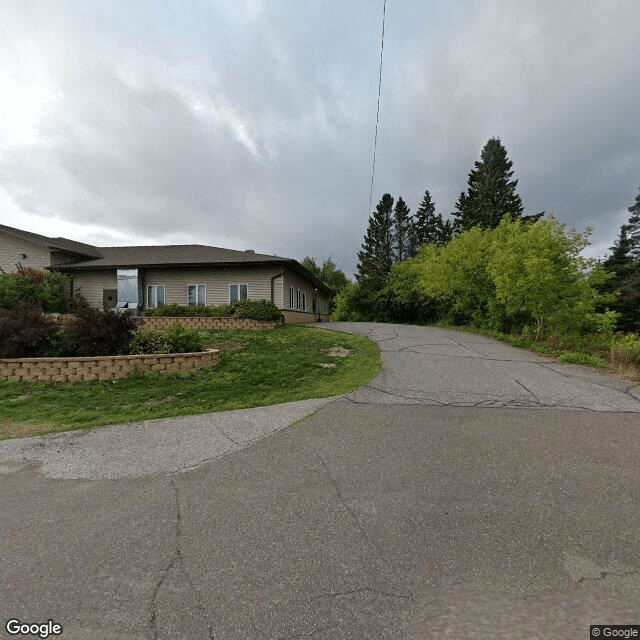
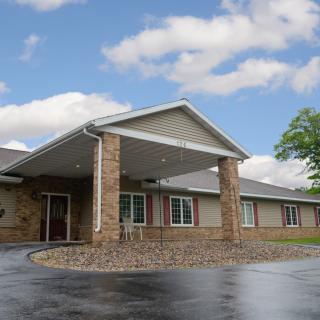
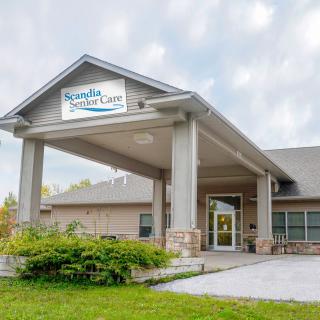
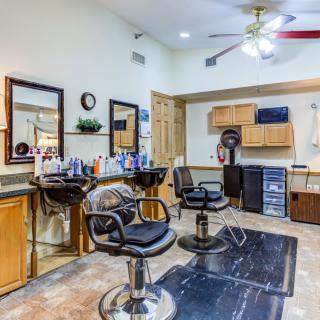
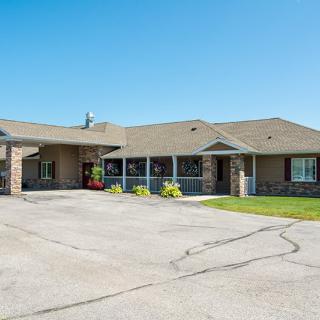
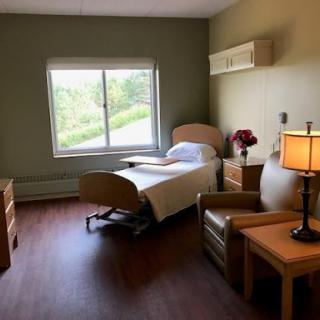
 Small, intimate community with 24/7 staff, medication management, and inclusive amenities.


 Encouraging Participation in Adult Day Care: A Guide to Supporting a Hesitant Parent
 Comprehensive Exploration of Living Wills and Other Advance Directives
 A Detailed Exploration of Living Wills and Advance Directives