For more information about senior living options: (866) 208-4318
4.5 from 31 reviews
5 stars
21
4 stars
7
3 stars
1
2 stars
0
1 stars
2
The Gilbert Residence Costs & Pricing
The Gilbert Residence offers a studio at a monthly rate of $5,194, which is notably higher than the average costs in both Washtenaw County and the broader state of Michigan. In Washtenaw County, similar studio accommodations are priced at approximately $4,158, while statewide averages reflect an even lower cost of around $3,824. This pricing differential highlights The Gilbert Residence's positioning as a premium offering within the local market. Potential residents may find that this elevated rate corresponds with enhanced amenities or services that The Gilbert Residence aims to provide, making it essential for individuals to weigh their options based on their specific needs and preferences.
Floor plans
The Gilbert Residence
Washtenaw County
Michigan
Studio
$5,194
$4,158
$3,824
Skilled Nursing Facilities with a similar price nearby
Memory care is described as locked down for safety.
Multiple residents and families describe memory care as secure, with features that help prevent wandering and keep residents safe. One reviewer also notes a memory care unit and the ability for a resident to feel secure in their own room. The community’s care services also include specialized memory care programming, matching what families look for as needs change.
differentiator7 reviews mention this
Food quality and options
Dining gets praise for quality and flexible options.
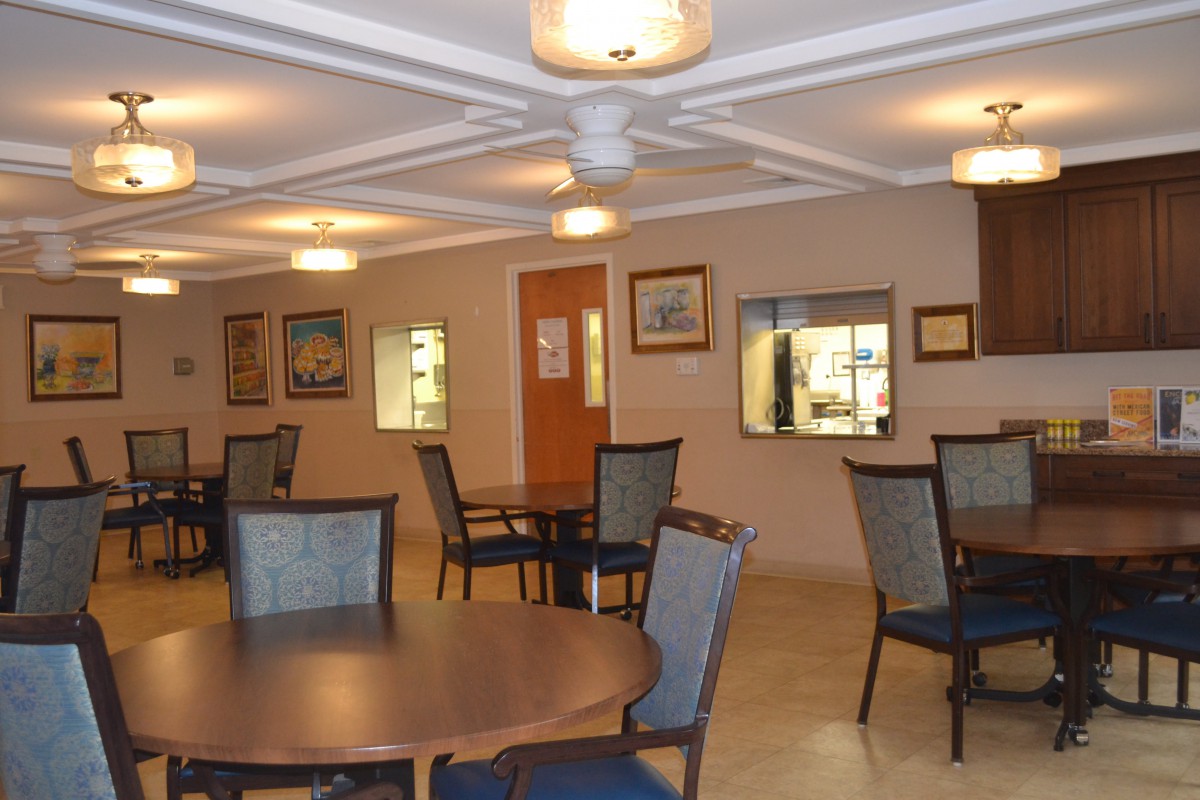
Several reviewers say the food is good, with one describing the experience as having high-quality meals. Others mention that residents can get alternatives when they don’t want a standard option, including things like sandwiches or soup. The community also offers restaurant-style dining and multiple dining approaches, which aligns with the way families talk about meals.
common10 reviews mention this
Activities keep residents engaged
Residents are routinely pulled into activities and outings.
Reviewers consistently describe plenty of scheduled activities, including music, outings, and other planned events. Some families also mention residents participating in group celebrations and classes. During challenging periods, at least one reviewer credits the team with helping a loved one connect with others and continue engaging in activities.
common21 reviews mention this
Caring staff and clean facility
Staff members are repeatedly described as caring and attentive.
Across many reviews, families describe staff as compassionate, friendly, and focused on safety and comfort. Multiple reviewers also say the facility is clean and well maintained, and that they felt their loved one was in good hands. Several comments specifically call out communication as a key reason they felt confident, including being responsive when issues came up.
caveat3 reviews mention this
Pricing can be a barrier
Cost is a recurring concern for some families.
Some reviewers say the community is too expensive for their budget, including one mentioning a price increase after moving to assisted living. Another reviewer points to affordability as a reason they would recommend looking elsewhere, and at least one comment frames it as private pay only. If you’re comparing options, it may be worth confirming total costs for the level of care your family needs.
How we summarize
Counts show how many written reviews mention each theme; a review can touch several themes, and only frequently mentioned themes are displayed.
Features
Housing
58 resident community capacity
Types of Care
Assisted Living
Memory Care
Skilled Nursing Facility
Amenities
Activities on-site
Air-conditioning
Beautician on-site
Beauty salon
Cable or satellite TV
Computer center
Devotional services on-site
Dining room
Fitness room
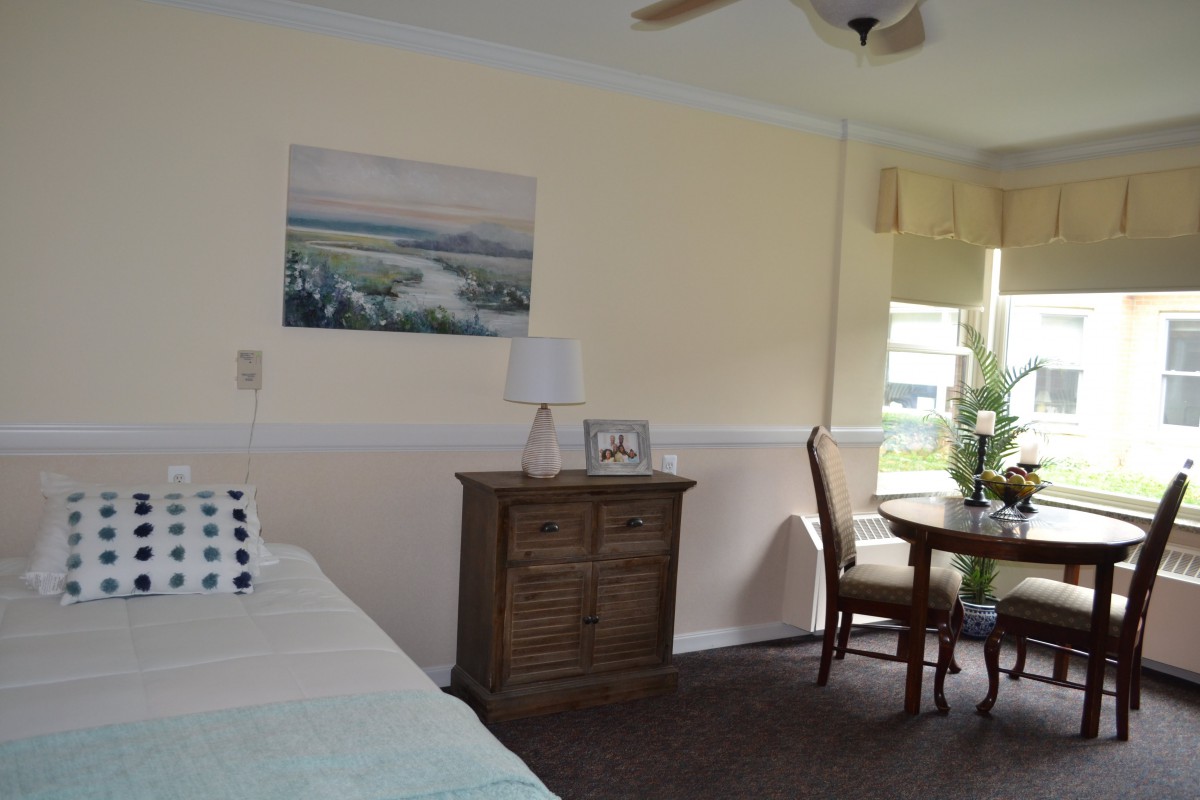
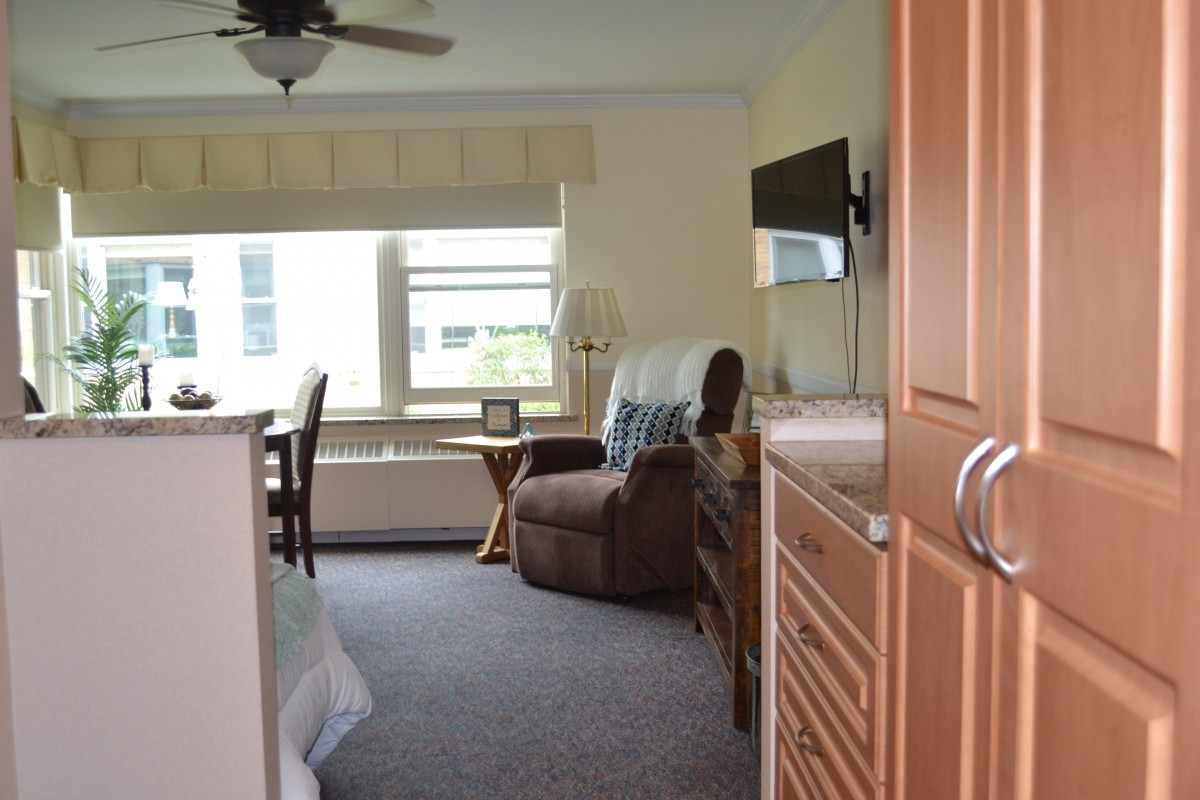
Fully furnished
Gaming room
Garden
Housekeeping services
Indoor common areas
Kitchenette
Move-in coordination
Outdoor common areas
Outdoor space
Private bathrooms
Restaurant-style dining
Small library
Telephone
Wellness center
Wheelchair accessible showers
Wi-Fi/high-speed internet available
Transportation
Detroit Metropolitan-Wayne County (14 miles away)
Community operated transportation
Transportation arrangement
Transportation arrangement (non-medical)
Transportation to doctors appointments
Care Services
12-16 hour nursing
24-hour call system
24-hour supervision
Activities of daily living assistance
Ambulatory care
Assistance with bathing
Assistance with dressing
Assistance with transfers
Diabetes diet
Diabetic care
Incontinence care
Meal preparation and service
Medication management
Mental wellness program
Mild cognitive impairment
Special dietary restrictions
Specialized memory care programming
Dining
Diabetes diet
Guest meals
Meals provided
Room service
Special dietary restrictions
Special dining programs
Vegan
Vegetarian
Activities
Catholic services
Community-sponsored activities
Concierge services
Cooking classes
Day trips and outings
Devotional activities on-site
Educational speakers / life long learning
Fitness programs
Live musical performances
Live well programs
Other religious services
Planned day trips
Protestant services
Resident-run activities
Scheduled daily activities
Visiting chaplain or priest
Nearby Places of Interest
Located in Ypsilanti, Michigan, this area offers a variety of healthcare options including Huron Valley Radiology and Trinity Health IHA Medical Group for any medical needs. There are several pharmacies nearby such as CVS and Walgreens for easy access to medication. For dining options, residents can enjoy restaurants like Sidetrack and Popeyes Louisiana Kitchen. The area also has several parks like Riverside Park and County Farm Park for outdoor recreation. Nearby hospitals include Forest Health Medical Center and St Joseph Mercy Hospital for any emergency situations. Additionally, there are cafes like Tim Hortons and Starbucks for a relaxing coffee break. Places of worship like St Lukes Lutheran Church are available for spiritual needs. Overall, this neighborhood provides convenient amenities and services that cater to seniors looking for a comfortable living environment in Ypsilanti.
Physicians
Huron Valley Radiology (0.2 miles)
Huron Ophthalmology (2.6 miles)
Trinity Health IHA Medical Group, Cardiovascular & Thoracic Surgery - Ann Arbor (2.7 miles)
Michigan Heart - Tanmay V Swadia MD (2.7 miles)
Ayers Jonathan W T MD (2.8 miles)
Michigan Sportsmedicine and Orthopedic Center (2.9 miles)
The Gilbert Residence offers a studio at a monthly rate of $5,194, which is notably higher than the average costs in both Washtenaw County and the broader state of Michigan. In Washtenaw County, similar studio accommodations are priced at approximately $4,158, while statewide averages reflect an even lower cost of around $3,824. This pricing differential highlights The Gilbert Residence's positioning as a premium offering within the local market. Potential residents may find that this elevated rate corresponds with enhanced amenities or services that The Gilbert Residence aims to provide, making it essential for individuals to weigh their options based on their specific needs and preferences.
The features offered at the Gilbert Residence are strategically designed to support residents with dementia or Alzheimer's disease, addressing their unique needs comprehensively. Around-the-clock supervision ensures safety and immediate assistance, reducing anxiety for both residents and families. Assistance with activities of daily living, including bathing and dressing, fosters independence while providing necessary support to maintain personal hygiene and dignity. Incontinence care contributes to comfort and confidence, preventing potential distress. Meal preparation and service cater to dietary needs while ensuring regular nutrition is maintained. Medication management is critical for maintaining health stability by ensuring timely administration of prescribed treatments, while dedicated mental wellness programs promote cognitive engagement and emotional well-being. For those experiencing mild cognitive impairment, these services lay a foundation for enhanced quality of life, while specialized memory care programming offers tailored activities that stimulate memory retention and foster social interaction among peers. Each aspect works synergistically to create an environment that encourages safety, dignity, and connection for individuals navigating the challenges of memory-related conditions.
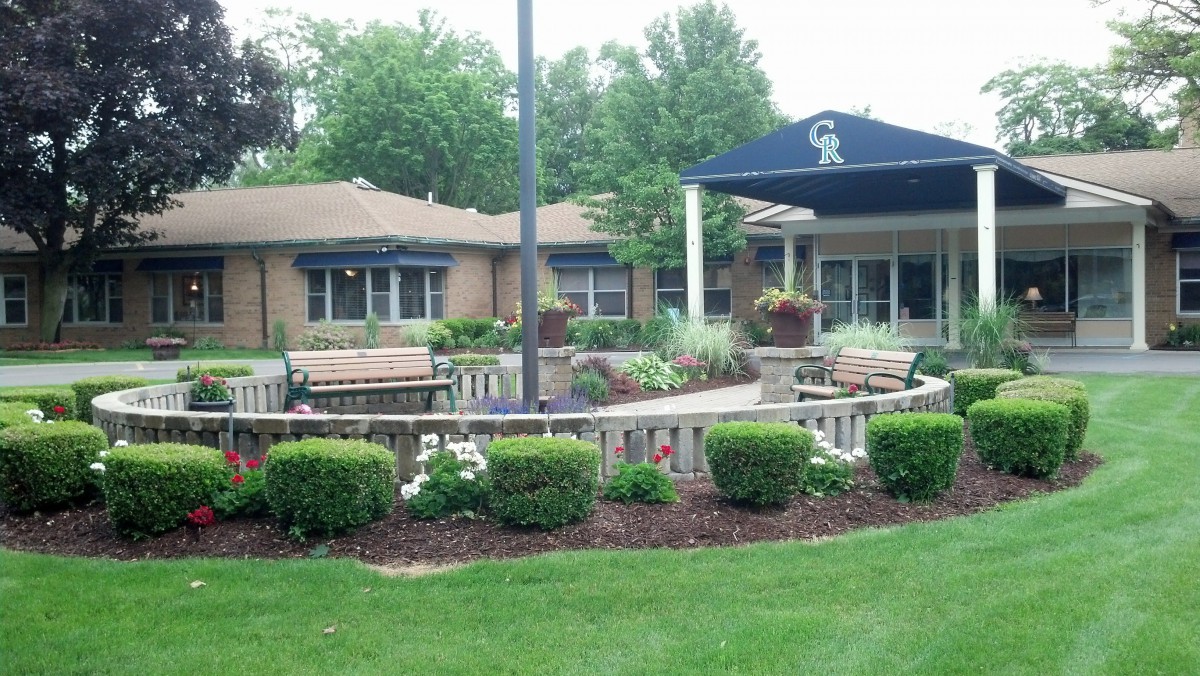
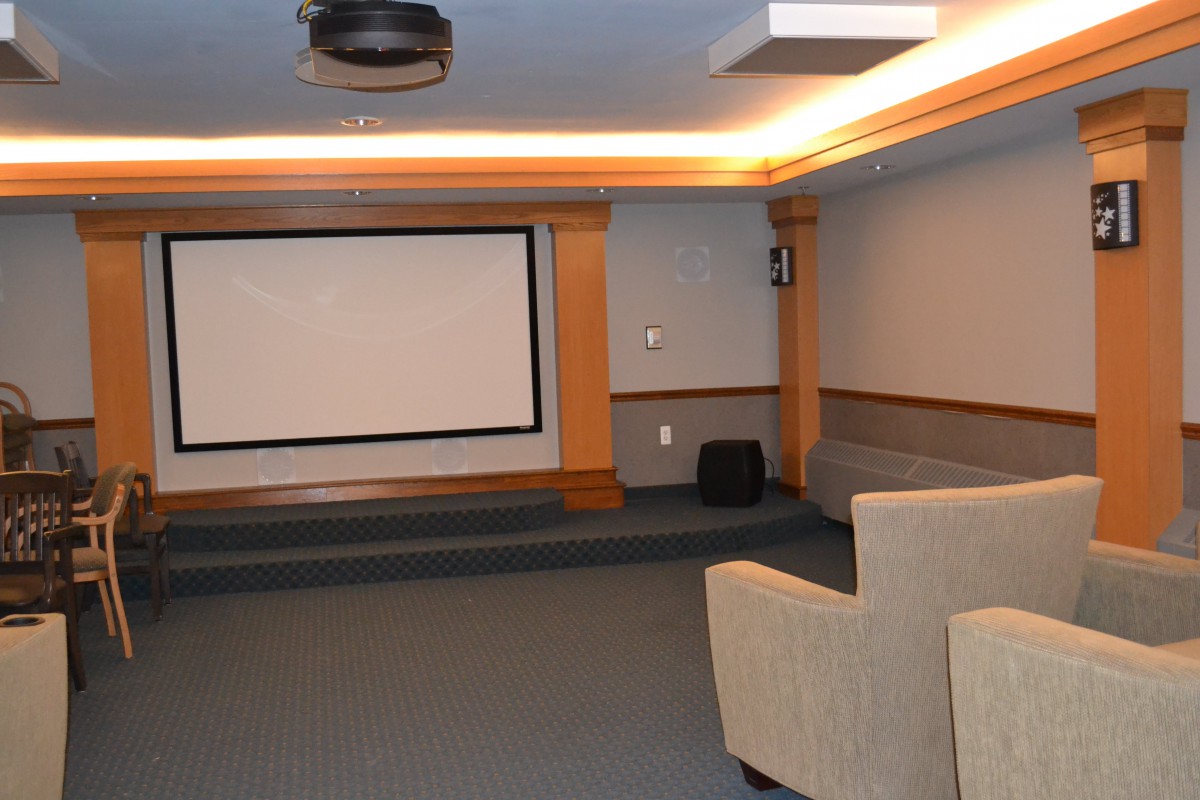
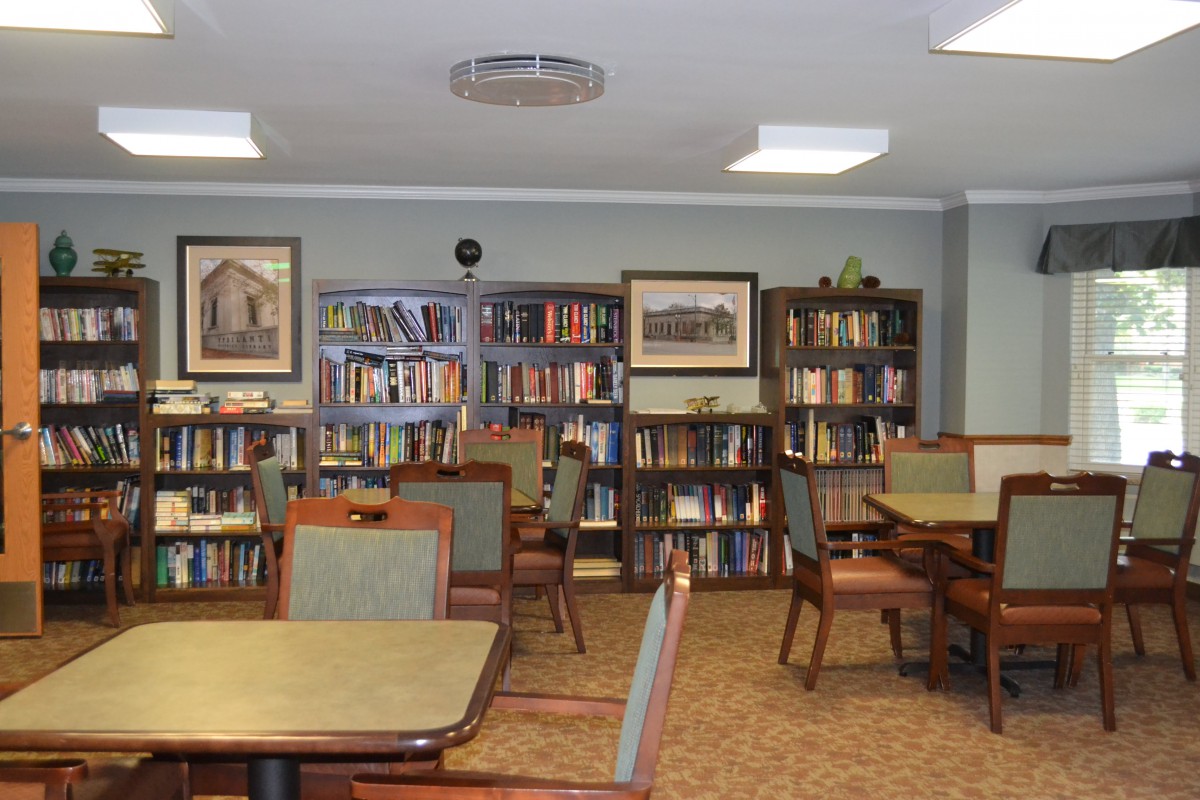
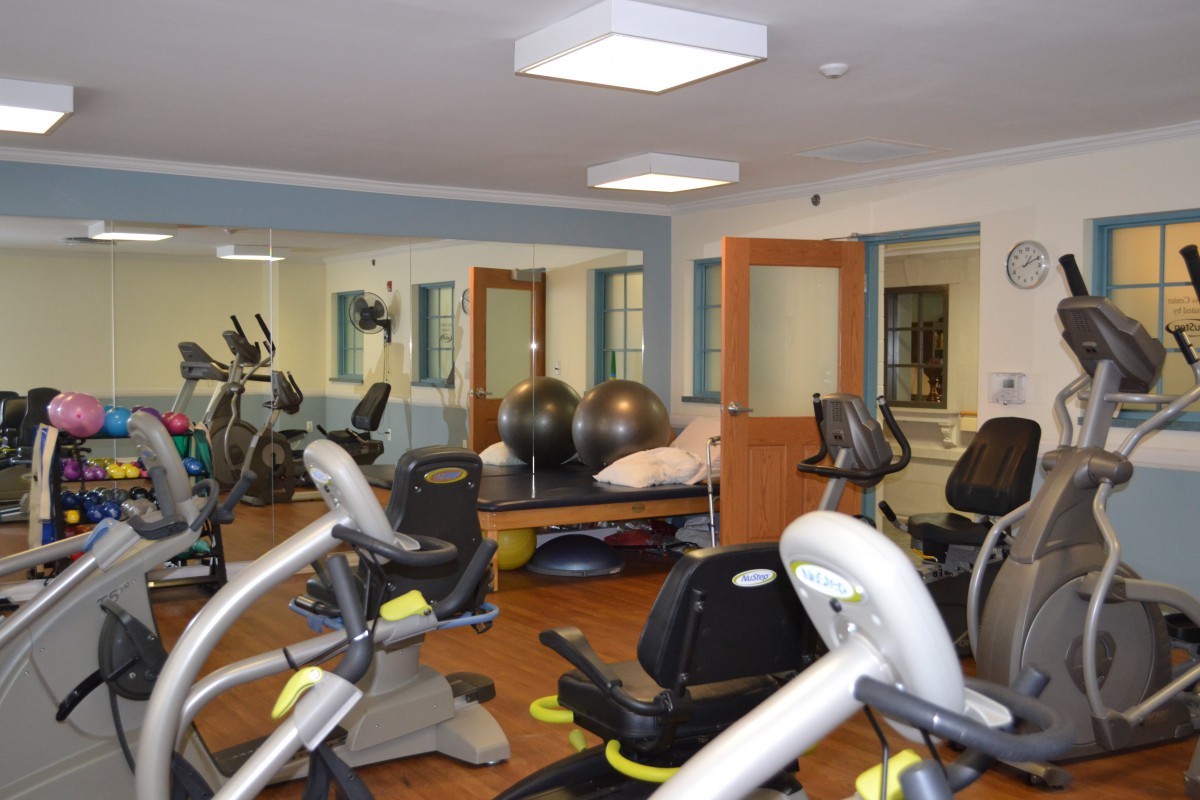
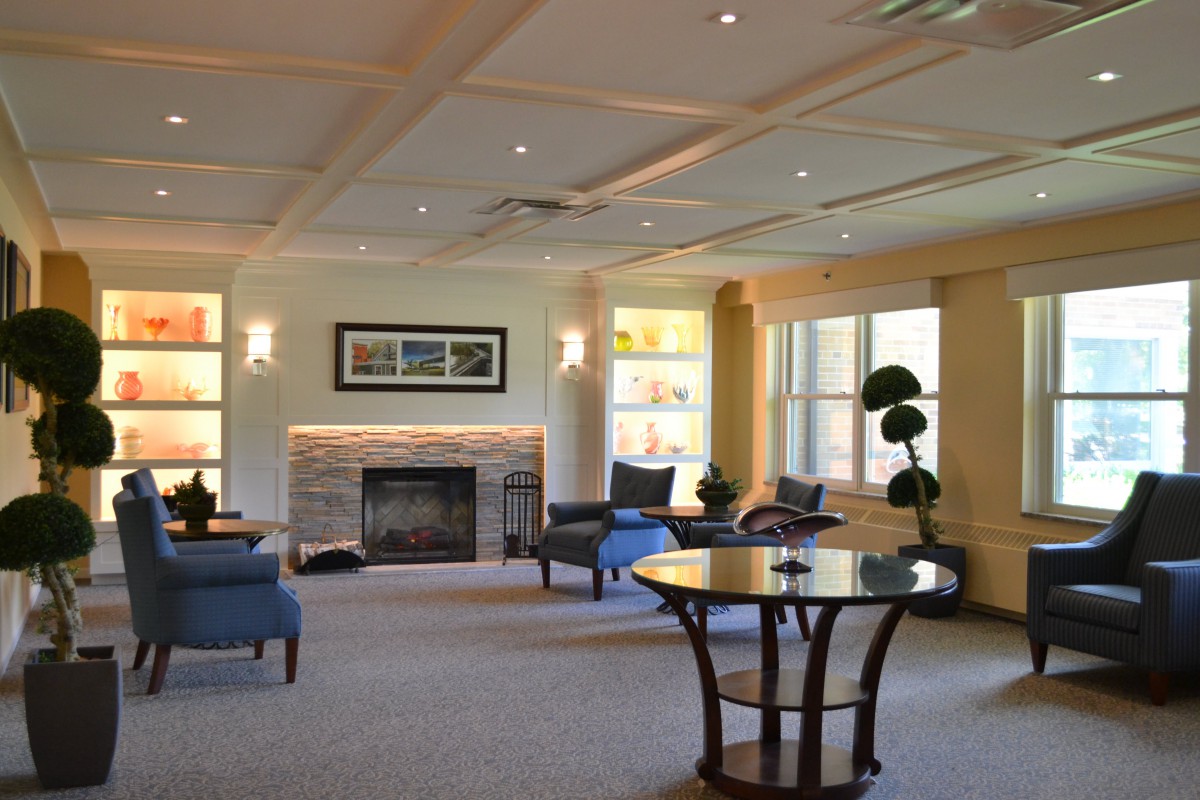
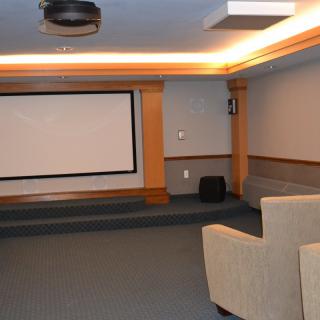
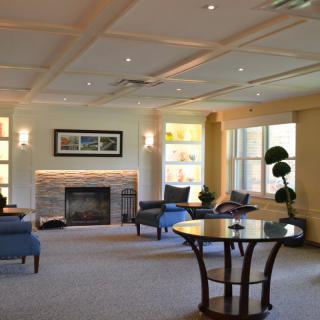
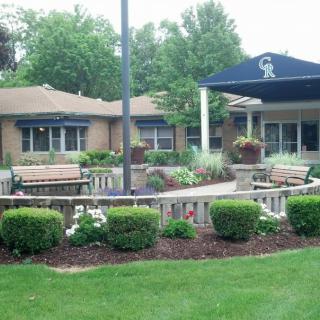
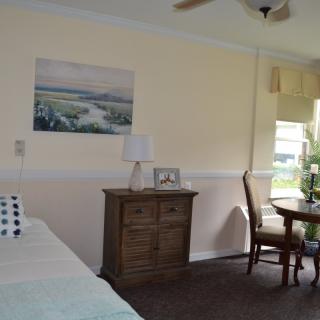
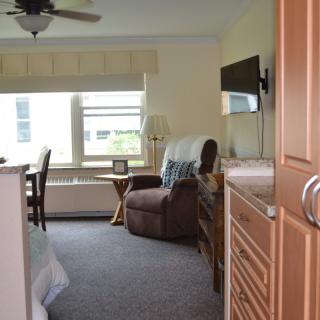
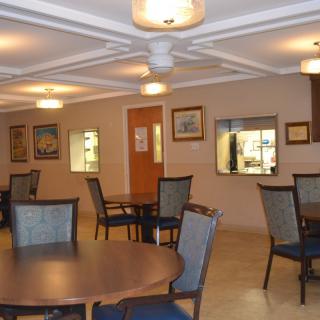
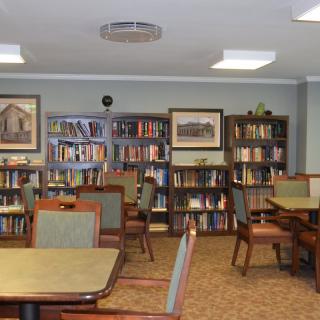
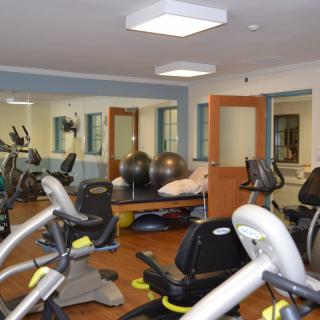
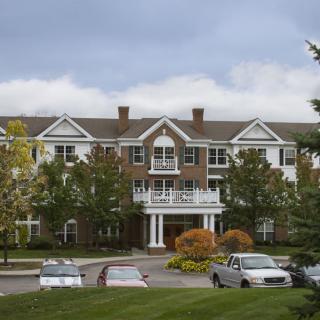
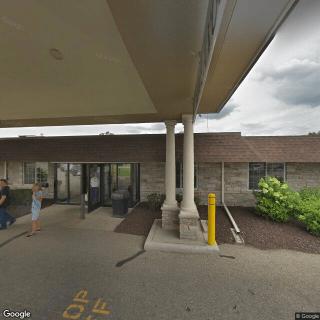
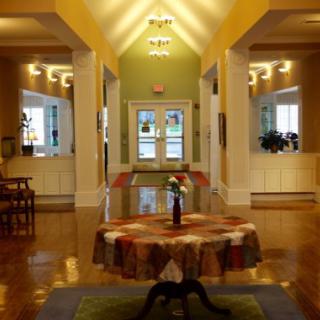
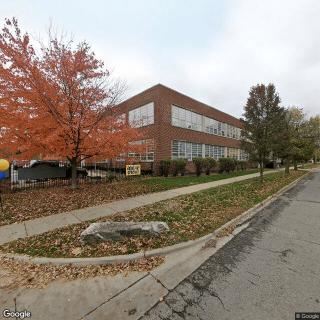
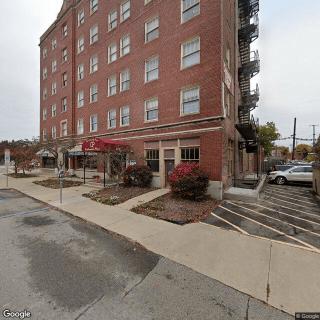
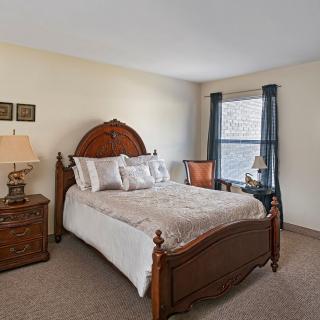
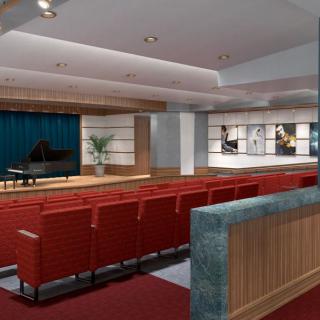
The Gilbert Residence on seniors.fyi includes 9 photos including images showing interior, exercise equipment, decor, bedroom, lighting, windows, gym, fitness, and more.
Nearby Communities
Towne Centre Place
Ypsilanti, MI
4.3 from 32 reviews
Attentive staff engagement and a consistently clean, inviting environment.
Renaissance House
Ypsilanti, MI
2.8 from 4 reviews
Fully furnished with 24/7 supervision, medication management, and comprehensive amenities.
The Villa at Parkridge
Ypsilanti, MI
2.1 from 11 reviews
Friendly, caring staff and a variety of resident activities and therapy services.
Cross Street Village Apts.
Ypsilanti, MI
3.4 from 14 reviews
Great access to parks, dining, and healthcare nearby.
Alternative Family Home Care
Ypsilanti, MI
Small, home-like board-and-care with 24-hour supervision and diabetes-friendly dining.
Comforcare Home Care of Washtenaw/ Downriver
Ypsilanti, MI
5 from 7 reviews
Convenient location near amenities and healthcare.
Mission Point of Superior Woods
Superior Township, MI
3.3 from 103 reviews
$5,213 to $6,726 / month
Excellent therapy and friendly, caring staff.
American House Carpenter
Ypsilanti, MI
4.3 from 96 reviews
$2,185 to $3,715 / month
Active social life with varied activities and friendly, responsive staff in clean facilities.
All Seasons Ann Arbor
Ann Arbor, MI
4.8 from 75 reviews
$4,298 to $5,885 / month
Welcoming staff and residents with engaging activities and premium amenities.
Dementia, including Alzheimer’s disease, is often mischaracterized in terms of lethality as it leads to complications that can be fatal rather than being a direct cause of death; it causes a progressive decline in cognitive and physical health, making patients vulnerable to infections and other health crises. Effective management of nutrition, hydration, and communication is crucial in patient care, with palliative care becoming vital in advanced stages to enhance comfort and quality of life while caregivers play a key role amidst the challenges posed by the disease.
Reminiscence therapy helps individuals with dementia recall past memories through structured discussions and meaningful objects, enhancing mood, relationships, and sense of identity while celebrating their lives. It can be practiced in formal settings or at home, requiring sensitivity to personal histories and cultural backgrounds.
Reminiscence therapy is a structured method for older adults, especially those with dementia, to share life stories using prompts and sensory cues, fostering emotional well-being, social engagement, and self-identity. It aims to improve quality of life by enhancing interpersonal connections and cognitive stimulation while requiring careful facilitation to avoid distressing memories.
Exercise Equipment, Gym, Fitness, Treadmills, and Workout Room
Bookshelves, Library, and Reading Area
Seating, Theater, and Projector
Get PricingAsk A QuestionSchedule A TourContact Senior Advisor
By clicking submit, you agree to our Partner's Terms of Use. You
also consent to receive calls and texts, which may be autodialed, from our Partner. Your consent is not a condition to
using our Partner's service. Please visit our Partner's Privacy Policy for information about their privacy practices.


 58 resident community capacity
 Assisted Living
 Memory Care
 Skilled Nursing Facility
 Activities on-site
 Air-conditioning
 Beautician on-site
 Cable or satellite TV
 Computer center
 Devotional services on-site
 Dining room
 Fitness room
 Fully furnished
 Gaming room
 Garden
 Housekeeping services
 Indoor common areas
 Kitchenette
 Move-in coordination
 Outdoor common areas
 Private bathrooms
 Restaurant-style dining
 Small library
 Telephone
 Wellness center
 Wheelchair accessible showers
 Wi-Fi/high-speed internet available
 Detroit Metropolitan-Wayne County (14 miles away)
 Community operated transportation
 12-16 hour nursing
 24-hour call system
 Ambulatory care
 Assistance with bathing
 Assistance with dressing
 Assistance with transfers
 Diabetes diet
 Diabetic care
 Incontinence care
 Medication management
 Mental wellness program
 Special dietary restrictions
 Catholic services
 Concierge services
 Cooking classes
 Day trips and outings
 Educational speakers / life long learning
 Live musical performances
 Attentive staff engagement and a consistently clean, inviting environment.

 Are Dementia and Alzheimer's Disease Lethal? A Comprehensive Exploration
 Exploring the Power of Reminiscence Therapy for Individuals With Dementia
 An In-Depth Look at Reminiscence Therapy in Dementia Care