
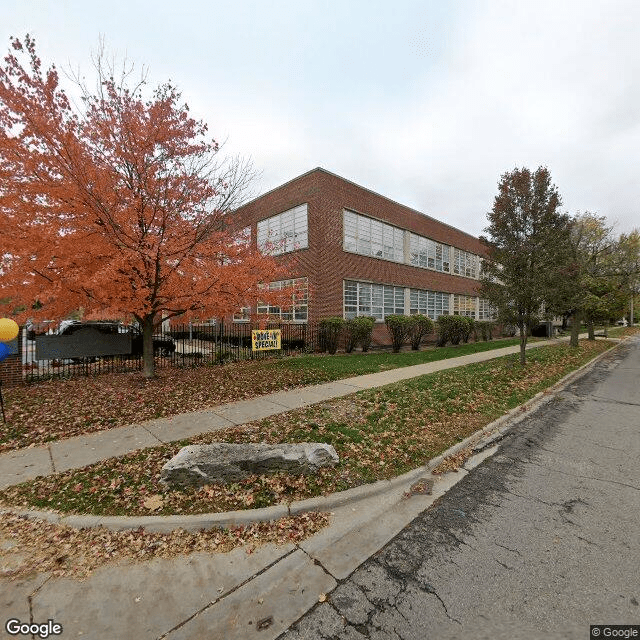
210 W Cross St, Ypsilanti, MI 48197
To contact a resident: (734) 483-8300
For more information about senior living options: (866) 208-4318
Overall Review of Cross Street Village Apts.
Pros
 The community is described as a friendly bunch.
- It is considered great by reviewers.
- It is loved by residents who say, "I love it here."
- It is described as a wonderful place to live and work.
- It has lots of parking, noted as a plus.
Cons
 They would not recommend this place to anyone, describing it as unsafe and neglected for elderly residents.
- They report heat outages leaving elderly and disabled residents without heat for days, with management dismissing concerns.
- They describe elevators that frequently stick, dirty carpets, dirty hall chairs, and floors that are never cleaned.
- They criticize the lack of safety accommodations and say there is no effective security against homelessness, with no changes implemented.
- They express anxiety and emotional distress over inadequate emergency access, noting that paramedics and police cannot easily get in.
- They call the building a horrible place to live, with a furnace left unrepaired and poor communication from the front office.
Review
Cross Street Village Apts. is best suited for very independent seniors who prioritize affordable housing, ample parking, and a sociable 55+ environment, and who can tolerate potential gaps in maintenance, communication, and safety oversight. It largely serves residents who may rely on caregivers or family for advocacy, but do not require consistent on-site management or immediate, reliable HVAC performance. In short, this community fits a segment seeking inexpensive rent and a straightforward living environment, with the understanding that upkeep, safety responsiveness, and modern accessibility may not be guaranteed.
The most consistent concerns revolve around basic safety and livability. Reviewers describe repeated heat outages that persisted for days, with little proactive communication from management and a reliance on space heaters that feel hazardous in an older, high-ceilinged building. Boiler and furnace failures have left units near 50 degrees, and families report frustration over delays and ambiguity about who bears responsibility for temporary accommodations or prompt repairs. Fire protection and emergency access appear underemphasized, as witnessed by accounts of ambulances arriving late at night and questions about secure, rapid entry for responders. Elevators are noted as unreliable, with doors that jam or stall, compounding safety risks for residents who depend on mobility aids.
The on-site management picture is another major fault line. Several reviews accuse the property of weak or non-existent oversight, with complaints that managers do not return calls, visitors cannot reach staff reliably, and promises made by previous managers were left unfulfilled. The absence of a consistently present manager translates into delayed maintenance, inconsistent communication with families, and insufficient accountability. For seniors who rely on timely repairs, up-to-date information, or clear escalation paths, these gaps create real daily-friction and elevated stress for caregivers trying to safeguard loved ones.
Accessibility and daily practicality also emerge as significant pain points. Descriptions emphasize non-ADA-compliant features, for example, wheelchair access barriers, uneven doorways, and floors that make navigation difficult for those using walkers or canes. The HVAC setup is described as overly complex and costly to operate, raising ongoing questions about utility bills and climate control. The combination of old infrastructure, compromised safety features, and inconsistent service forms a troubling baseline for residents who require predictable accessibility and supportive services to maintain independence.
Despite the gravity of these issues, a few positive threads do surface. Parking is repeatedly cited as a clear asset, a practical convenience for residents who drive or rely on transportation provided by family visits and caregiver schedules. There are mentions of friendly residents and a sense of community among those who stay, including some residents who recently moved in and found the environment “great” or “wonderful.” However, these minor positives do not compensate for ongoing reliability problems, safety concerns, or the management gaps that color the overall living experience. They can offer momentary social value but not a reliable foundation for long-term comfort and security.
For families evaluating options, the decisive step is to separate wishful impressions from verifiable performance. If heat reliability, rapid repairs, and strong on-site management are non-negotiables, Cross Street Village Apts. should be approached with caution. Alternatives should be considered for seniors who require dependable climate control, consistently responsive staff, and clearly ADA-compliant facilities. In particular, those needing proactive safety measures, secure access for responders, regular fire and safety drills, and transparent escalation procedures, will likely find better alignment elsewhere. A comprehensive in-person tour that probes current elevator reliability, the status of mechanical systems, and the exact level of accessibility in sample units is essential before any commitment.
When judging whether this community fits, the decision-maker should test specific promises against lived realities. Ask for recent maintenance response times, the schedule for any planned capital improvements, and a clear plan for handling emergencies when staff are unavailable. Verify whether heat or hot water is included in rent and what contingencies exist if systems fail. Confirm the presence and hours of an on-site manager, and request contact protocols for after-hours emergencies. Finally, insist on viewing ADA-compliant units and the pathways to common areas and elevators to gauge day-to-day usability. Only with clear, verifiable answers to these practical questions can a confident choice be made.
In the end, Cross Street Village Apts. represents a trade-off: genuine affordability and a straightforward 55+ living environment on one hand, and notable gaps in heat reliability, emergency safety access, and management accountability on the other. Families who prize cost savings and a potential sense of community may find value here, particularly if there is strong caregiver advocacy and a plan to manage the upkeep. For those where safety, reliable climate control, and seamless, responsive service are non-negotiable, this community should be a secondary option, explored only after viable alternatives have been identified and vetted. The decision should be guided by a frank assessment of whether the current gaps align with the senior’s health status, independence level, and tolerance for ongoing maintenance uncertainty.
 Active Adult Communities (55+)
 Detroit Metropolitan-Wayne County (14 miles away)





 A Detailed Examination of Nursing Home Costs Across the U.S.
 Exploring Nonmedical Home Care: Understanding Services, Costs, and Financial Approaches
 Engaging Brain Games and Innovative Apps to Keep Senior Minds Active