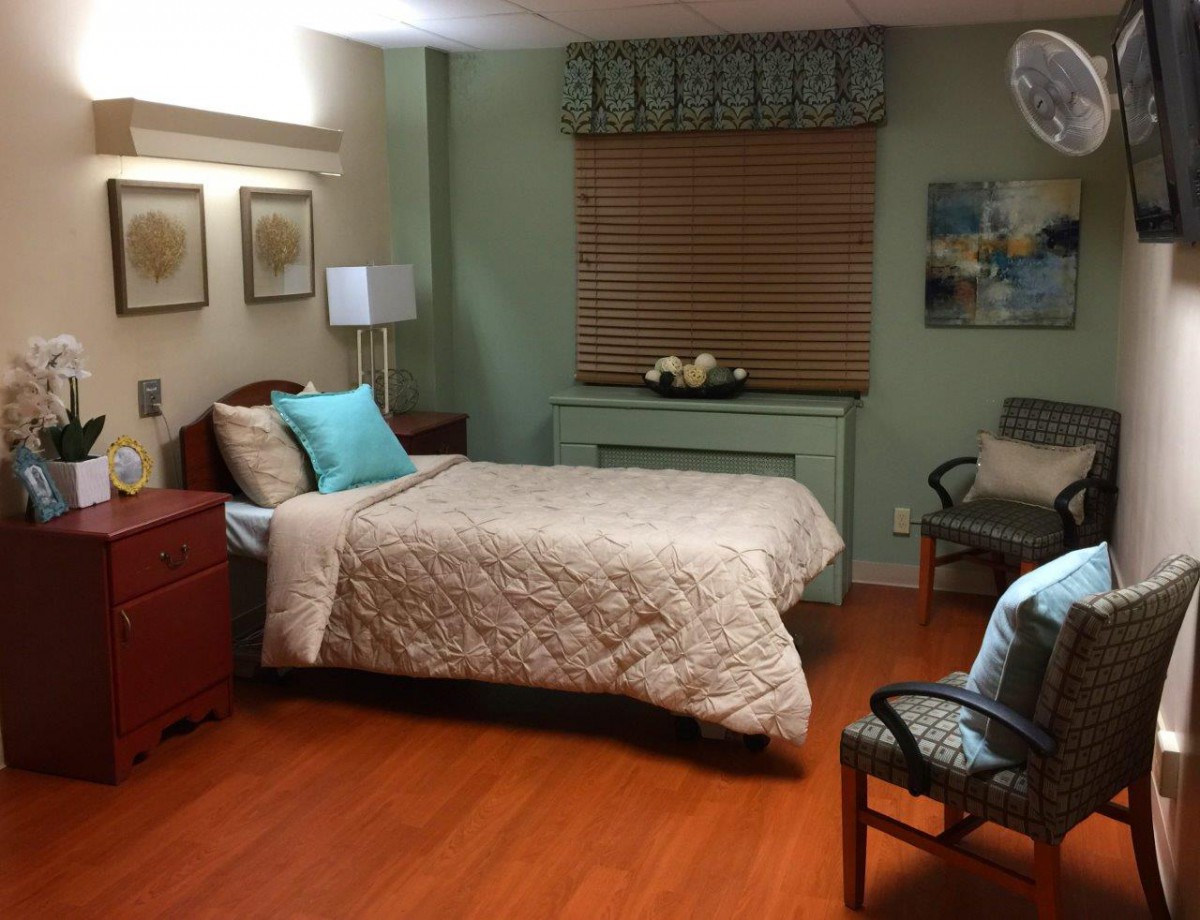
28 S Prospect St, Ypsilanti, MI 48198
To contact a resident: (734) 483-2220
For more information about senior living options: (866) 208-4318
Overall Review of The Villa at Parkridge
Pros
 The staff members are nice, friendly, and helpful.
- They care about the people.
- They have daily activities.
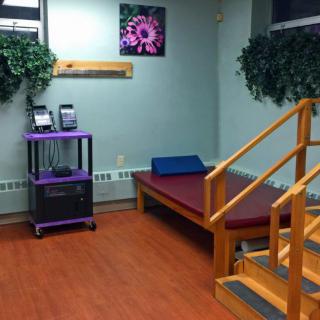
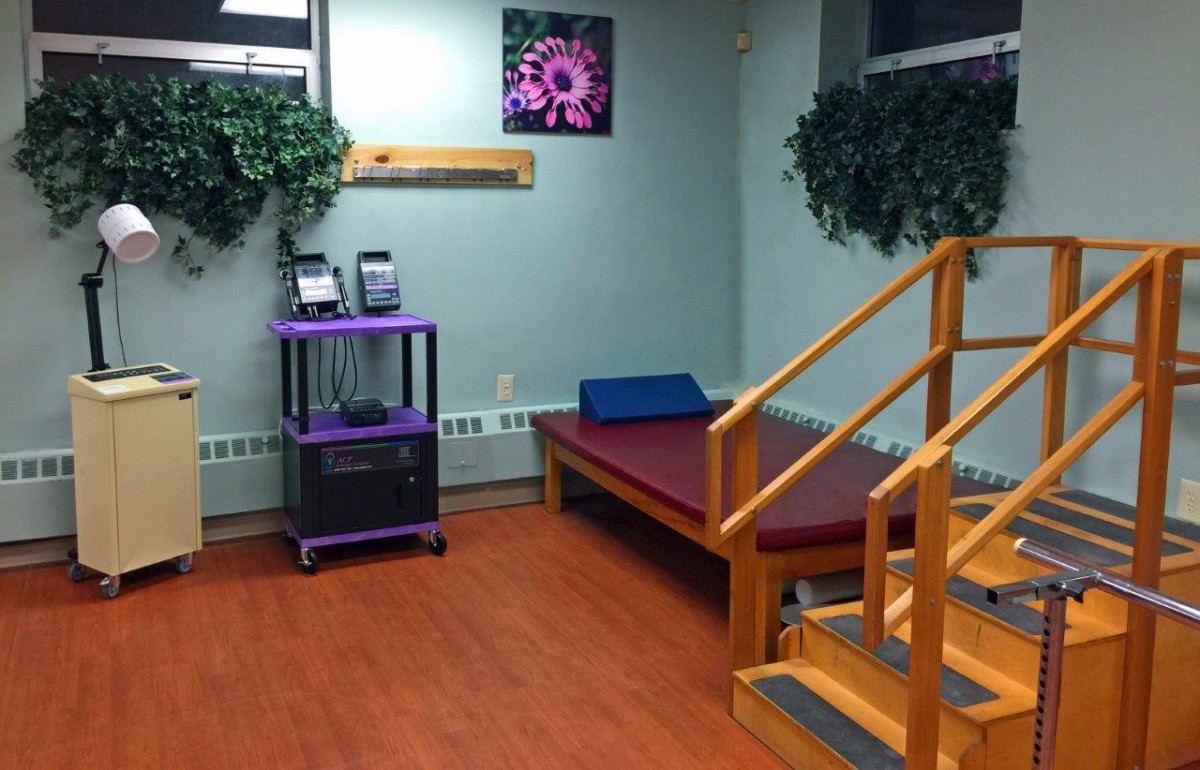
- They have their own staff occupational therapist and a nice room for therapy.
- They serve three meals a day: breakfast, lunch, and dinner.
- The facility is clean.
- The dietary team goes above and beyond to encourage a picky eater.
- Aaron is helpful and empathetic.
Cons
 The building is old and aging and needs upgrades.
- The meals were inconsistently cooked, often consisting mainly of rice and pasta.
- Three people were crammed into a 240-square-foot room, with sleep interrupted and call lights on for hours.
- Outdated milk was served and moldy bread was provided.
- There was not enough stable staff; staffing was insufficient for proper care.
- Residents were left soiled for entire shifts, and a patient was left on the floor for over an hour after a fall.
- Food trays were delivered to those unable to feed themselves, but they were not actually fed.
- Infections, skin breakdown, and bed sores occurred due to improper care.
- CNAs and nurses were often on phones behind desks or not present, causing long wait times for care.
- Family members were not informed about hospital admissions or deaths, and personal effects were lost.
Review
The Villa at Parkridge in Ypsilanti, MI is best suited for families who prioritize proximity and routine engagement, and for residents who can benefit from organized activities and in-house rehabilitation while a vigilant advocate remains close at hand. The community’s strengths show up in real, tangible ways: friendly front-line staff, a reliable rhythm of daily meals, and a program that includes daily activities and an on-site occupational therapy service. For families who need to be able to visit easily and who want consistent social programming, this setting can feel approachable and predictable. But it is not a place built around high-risk medical oversight or ongoing, intensive care without robust family advocacy and a readiness to intervene quickly if concerns arise.
What stands out positively is the human touch and the structured offerings that support daily life. Staff are described as nice, helpful, and engaged with residents, with particular praise for the dietary team’s willingness to accommodate picky eaters. The presence of daily activities helps residents stay engaged, and the in-house occupational therapy space suggests a practical edge for those pursuing mobility or independence goals. Three meals a day provide routine and nutrition management that families often rely on, and the overall cleanliness in some accounts reinforces a basic, usable standard of care that can be reassuring at a glance. These tangible conveniences can make a difference for short-term stays or for residents who value routine and social engagement more than 24/7 medical guarantees.
Yet the cons documented across reviews are grave and persistent enough to overshadow the positives for most long-term decision-makers. Repeated reports describe overcrowding, sleep disruption from crowded rooms, and inconsistent staffing, with caregivers stretched thin and some shifts inadequately staffed. Food quality appears uneven, with anecdotes of meals that are not well prepared or served inconsistently. More serious allegations surface about neglect and safety failures, including delays in assistance, residents left unattended, and troubling conditions that raised alarms about hygiene and infection control. Instances of bedsores, dehydration, and even hospitalization point to systemic risk rather than isolated incidents. The severity and frequency of these concerns move the facility squarely into the high‑stakes column that families must weigh carefully.
In weighing the pros against the main cons, the therapy and activity offerings do not convincingly offset the overarching safety and care gaps. For a short-term rehab patient who can rely on a steady, proactive therapy program, there is value, but even then, the facility’s ability to sustain high-quality oversight under pressure remains a question. For a long-term resident, the combination of aging infrastructure, reported care lapses, and inconsistent meal quality creates a risk profile that few families would accept without intensive, ongoing advocacy and contingency planning. The positives help a limited window, but the reliability and consistency demanded by sustained care rarely align with the patterns described in the more troubling reviews.
For families actively evaluating this community, approach the process with a disciplined, evidence-based checklist. Request current staffing ratios by shift and observe a therapy session plus a meal service to see how care routines actually unfold. Inspect recent state surveys and any open investigations, and insist on transparent explanations from administration about incident reporting, response times, and contingency plans if concerns arise. Schedule unannounced visits, talk privately to current residents and their families, and push for a trial period with clear exit conditions if care fails to meet expectations. Have a hard line about how personal belongings are tracked and protected, and demand a clearly articulated process for addressing complaints, one that includes timely callbacks and accountability.
In practical terms, The Villa at Parkridge is not a default choice for families seeking consistently safe, responsive, and modern long‑term care. It may be acceptable for those who can tolerate a high degree of oversight and advocacy, and who value proximity and routine enough to justify a building that shows its age. For most families, however, stronger staffing, better demonstrated safety records, and cleaner, more efficient operations will be decisive factors. The decision should be guided by the capacity for ongoing family involvement and the willingness to relocate if care gaps emerge, rather than assuming that routine activities alone will compensate for deeper care and safety concerns.
 144 resident community capacity
 Skilled Nursing Facility
 Air-conditioning
 Beauty salon
 Cable or satellite TV
 Computer center
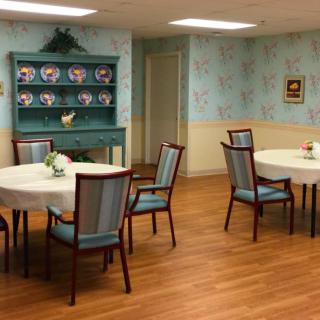
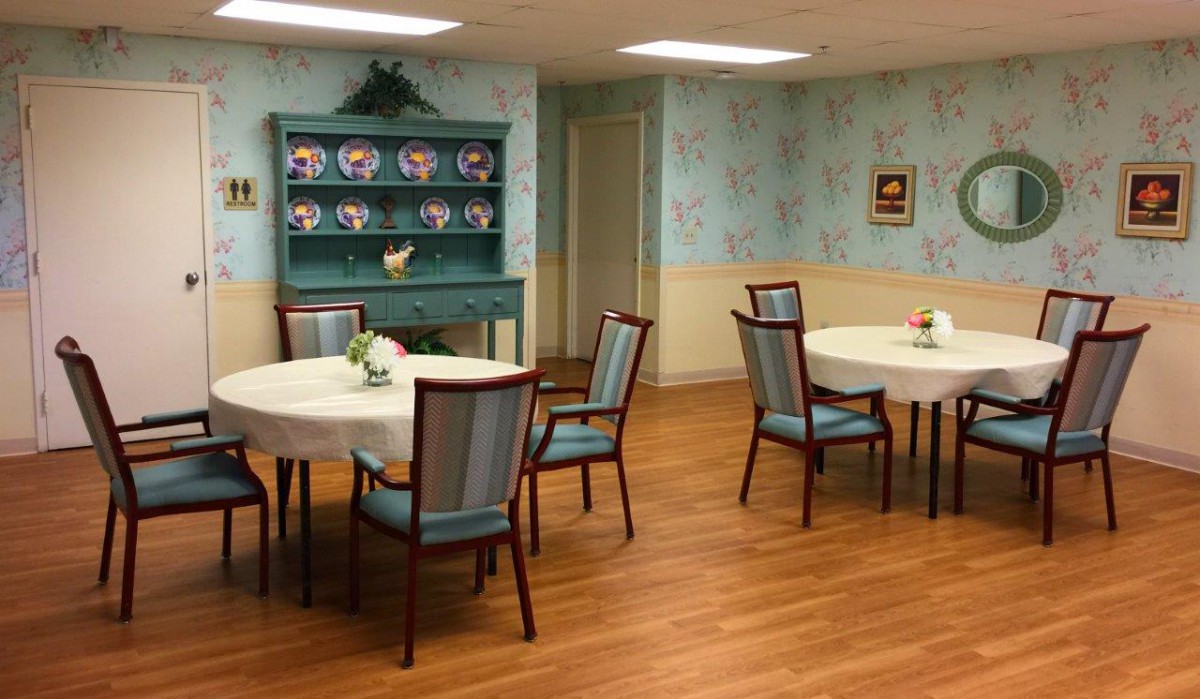
 Dining room
 Fitness room
 Fully furnished
 Gaming room
 Garden
 Housekeeping services
 Kitchenette
 Move-in coordination
 Outdoor space
 Private bathrooms
 Restaurant-style dining
 Small library
 Telephone
 Wellness center
 Wi-Fi/high-speed internet available
 Detroit Metropolitan-Wayne County (13 miles away)
 Community operated transportation
 12-16 hour nursing
 24-hour call system
 Activities of daily living assistance
 Assistance with bathing
 Assistance with dressing
 Assistance with transfers
 Diabetes diet
 Medication management
 Mental wellness program
 Special dietary restrictions
 Concierge services
 Planned day trips


 Essential Knowledge on Pneumonia in Older Adults
 Exploring Palliative Care in the Home: A Comprehensive Overview
 Comprehensive Insights into Palliative Home Care: What It Is and What to Expect