
2278 Richardson Court, Waterford, MI 48327
For more information about senior living options: (866) 208-4318
Overall Review of Mecca House
Cons
 The stabbing and death were horrible.
- The incident was described as horrible.
- The review portrays the event as horrible.
Review
Mecca House in Waterford, Michigan is not a broad-appeal choice. It is best suited for an extremely narrow slice of seniors: those who can tolerate significant safety risk and expect to oversee daily operations themselves, perhaps driven by tight budget constraints that preclude better options. In practice, this facility should only be considered when there are no other viable assisted-living choices and a dedicated family member is prepared to supervise closely and intervene as needed.
Anyone relying on consistent staff supervision, medication management, or protection against falls and wandering should absolutely explore alternatives. The available feedback points to a dangerous imbalance between those expectations and reality, making it hard to justify reliance on this community for anyone with meaningful care needs. For residents who require reliable intervention, proactive monitoring, or specialized support, Mecca House falls short in a way that cannot be dismissed as a cosmetic flaw.
There are no evidently strong positives documented in the information available, and the most consequential red flag dominates the decision calculus. A severe incident involving a staff member and a resident, described as violent and ending in tragedy, casts a long shadow over the facility’s day-to-day safety, culture, and trustworthiness. When that single, high-stakes failure is paired with the absence of credible, published strengths or improvements, the overall value proposition collapses for almost every potential resident.
Before considering any move, families should demand verifiable safety records and third-party validation. Critical questions include: what is the current staffing model, what are the training standards and background-check processes, what are the documented incident logs and outcomes, and how does the facility handle immediate risk, supervision, and emergency response? A first-hand tour with specific focus on how staff interact with residents, how medication is administered, and what safeguards exist to prevent harm is essential. Contacting state inspectors, reviewing inspection reports, and speaking with current residents or their families can illuminate issues that aren’t obvious in a superficial visit.
If cost remains a decisive factor, the prudent path is to compare transparent pricing with safer, better-staffed options in the region. Mecca House’s troubling history and lack of positive, verifiable strengths make it a high-risk choice, even for price-sensitive families. Alternatives that deliver steady staffing, proven safety records, and clear escalation protocols should be prioritized, and often come with the peace of mind that is essential for long-term care decisions. In other words, there is little reason to justify this community when safer, clearer options are accessible elsewhere.
In the end, this facility reads as a last-resort option rather than a viable standard of care. Mecca House should be crossed off the short list for any elder who depends on consistent supervision, safe daily operation, and dependable staff-resident interactions. Families facing limited options would be well served to widen the search, request current safety metrics, and demand admissions criteria that ensure ongoing oversight and responsive care. When reliability and safety are non-negotiable, the conclusion is straightforward: seek alternatives with demonstrable safety records and constructive, resident-centered cultures.
 6 resident community capacity
 Assisted Living
 Cable or satellite TV
 Dining room
 Fully furnished
 Garden
 Housekeeping services
 Move-in coordination
 Outdoor space
 Telephone
 Wi-Fi/high-speed internet available
 24-hour supervision
 Activities of daily living assistance
 Assistance with bathing
 Assistance with dressing
 Assistance with transfers
 Diabetes diet
 Meal preparation and service
 Medication management
 Special dietary restrictions
 Transportation arrangement (medical)
 Transportation to doctors appointments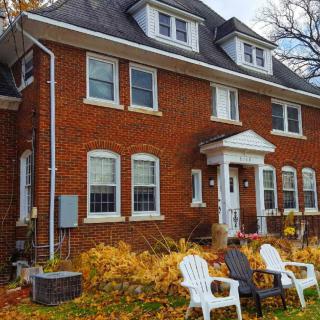

 Chef-prepared meals, furnished apartments, and comprehensive assisted living services.




 Beyond the Bingo Hall: 50+ Enriching Activities for Seniors in Assisted Living
 Understanding the Distinctions: Assisted Living and Memory Care Explained
 Guiding Elderly Parents Who Refuse Assisted Living: 6 Practical Steps