For more information about senior living options: (866) 208-4318
3 from 74 reviews
5 stars
30
4 stars
7
3 stars
1
2 stars
7
1 stars
29
The Neighborhoods of White Lake Costs & Pricing
The Neighborhoods of White Lake presents a noteworthy pricing structure for its studio accommodations, with costs reaching $6,958 per month. This figure stands in stark contrast to the average monthly expenses in Oakland County, which are approximately $4,577, and even more so against the broader state rate of $3,824 for similar living arrangements. The premium associated with The Neighborhoods of White Lake may reflect enhanced amenities, services, or the overall environment offered to residents. It's essential for potential residents to weigh these costs against their individual needs and expectations, ensuring that the value provided aligns with their lifestyle aspirations.
Floor plans
The Neighborhoods of White Lake
Oakland County
Michigan
Studio
$6,958
$4,577
$3,824
Skilled Nursing Facilities with a similar price nearby
Residents and families most often describe staff as caring and attentive.
Across many reviews, families describe nurses, aides, and therapists as kind, supportive, and responsive, including during hospice and end-of-life moments. Multiple reviewers also mention staff taking time to answer questions and help families feel supported. A few critical reviews contrast this by describing rude or unavailable staff, but the larger theme is that caregivers show compassion and follow through when they can.
common14 reviews mention this
Clean, homelike environment
Reviews frequently mention cleanliness and an at-home feel.
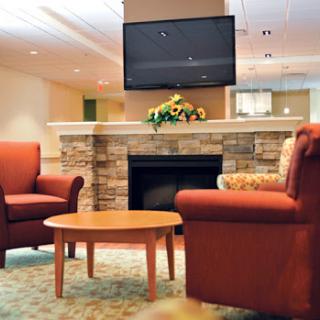
Many residents and families say the building is clean, well kept, and comfortable, with a home-like layout described in terms like “family room” atmosphere and clean, inviting common spaces. Several reviewers also call out how rooms and overall facility upkeep look cared for. A smaller set of reviews reports gaps, including dirty rooms or insufficient cleaning during a stay, which suggests the experience can vary by time and staffing levels.
common10 reviews mention this
Food quality varies, often praised
Food draws a mix of praise and complaints in reviews.
Several families describe meals as good, freshly made, and enjoyable, including comments about desserts and the ability to eat together in dining areas. Some reviews specifically mention that staff cared about mealtime experience and made exceptions for preferences. Other reviews complain about cold meals, slow delivery, and mealtime management issues, including residents not getting help quickly enough, so dining quality appears inconsistent at times.
caveat12 reviews mention this
Staffing pressures affect care
A recurring concern is understaffing impacting direct care and responsiveness.
A number of reviews describe understaffing and delays that affect day-to-day support, including slow call-light response, difficulty getting help, and residents spending extended time without assistance. Several reviewers also describe hygiene and bathing support not happening as expected, along with concerns about meal service being handled by the wrong role. While some other reviews praise care as attentive and well coordinated, the critical feedback points to reliability problems when staffing is stretched.
differentiator7 reviews mention this
Rehab therapy helps strengthen
Physical and occupational therapy is a frequent bright spot for rehab.
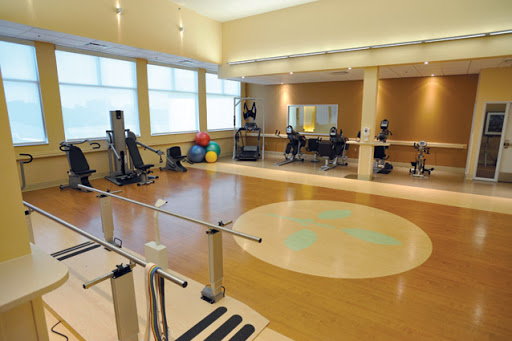
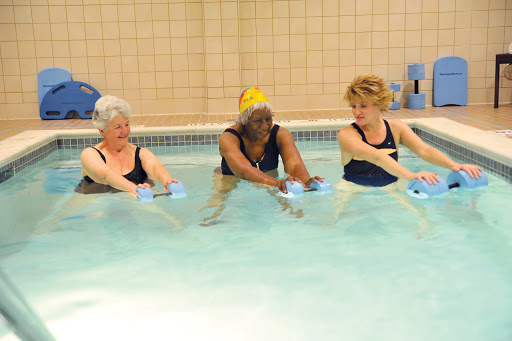
Multiple reviews highlight rehabilitation outcomes and the quality of physical and occupational therapy, including comments about therapists being knowledgeable and building strength. Families also mention therapy schedules and being treated with attention to each person’s goals. Some critical reviews say therapy was good even when other care areas were not, reinforcing therapy as a consistent point of confidence in residents’ experiences.
How we summarize
Counts show how many written reviews mention each theme; a review can touch several themes, and only frequently mentioned themes are displayed.
Features
Housing
92 resident community capacity
Studio apartments
Types of Care
Assisted Living
Memory Care
Skilled Nursing Facility
Amenities
Activities on-site
Air-conditioning
Beautician on-site
Beauty salon
Cable or satellite TV
Cafe
Computer center
Devotional services off-site
Devotional services on-site
Dining room
Financial aid
Fitness room
Fully furnished
Gaming room
Garden
Guasts at mealtime
Guest parking
Handicap accessible
Hiking trails
Home sale assistance
Housekeeping services
Indoor common areas
Kitchenette
Laundry
Move-in coordination
Outdoor common areas
Outdoor space
Overnight guests
Party space
Private bathrooms
Private cleaning services
Resident parking
Respite or short term stays offered
Restaurant-style dining
Security gate
Small library
Spa
Swimming pool
TV room
Telephone
VA Benefits Consultation
Wellness center
Wheelchair accessible showers
Wi-Fi/high-speed internet available
Transportation
Community operated transportation
Transportation arrangement
Transportation arrangement (non-medical)
Transportation to doctors appointments
Care Services
12-16 hour nursing
24-hour call system
24-hour supervision
Activities of daily living assistance
Ambulatory care
Assistance with bathing
Assistance with dressing
Assistance with transfers
Diabetes diet
Diabetic care
High acuity care
Hospice care
Incontinence care
Meal preparation and service
Medication management
Mental wellness program
Special dietary restrictions
Dining
Diabetes diet
Gluten-free
Guest meals
Low / no sodium
Meals provided
No Sugar
Organic
Professional chef
Room service
Special dietary restrictions
Vegan
Activities
Activities off-site
Activities on-site
Arts and crafts
BBQs or picnics
Birthday parties
Book club
Catholic services
Community-sponsored activities
Concierge services
Cooking club
Devotional activities offsite
Devotional activities on-site
Educational speakers / life long learning
Fitness programs
Games
Gardening club
Holiday parties
Live musical performances
Other religious services
Planned day trips
Protestant services
Religious services
Reminiscence programs
Resident-run activities
Scheduled daily activities
Stories
Tai Chi
Visiting chaplain or priest
Wii bowling
Yoga / chair yoga
Nearby Places of Interest
This part of White Lake, Michigan offers a variety of amenities and services that would be beneficial for seniors looking to settle in the area. With multiple pharmacies such as CVS and Walgreens nearby, access to medication is convenient. The selection of restaurants ranging from casual options like McDonald's to more upscale choices like The White Lake Inn provides diverse dining options. Additionally, there are several parks in the vicinity where seniors can enjoy outdoor activities and nature walks. For medical care, there are hospitals like Huron Valley-Sinai Hospital and physicians' offices like Eyecare Connection within a short distance. Lastly, there are cafes like Panera Bread and Starbucks where seniors can socialize and relax with a cup of coffee. Places of worship such as St. Daniel Church cater to spiritual needs within the community. Overall, this part of White Lake offers a well-rounded environment for senior living with easy access to essential services and recreational opportunities.
Pharmacies
CVS Pharmacy (0.5 miles)
CVS Pharmacy (3.3 miles)
CVS Pharmacy (3.5 miles)
Walgreens (4 miles)
CVS Pharmacy (5.8 miles)
Rite Aid (6.3 miles)
Milford Sav-Mor Pharmacy (6.4 miles)
Restaurants
Sprader's On the Lake (0.8 miles)
McDonald's (1.4 miles)
The White Lake Inn (3.6 miles)
Culver's (3.6 miles)
Highland House (4.1 miles)
CJ's Brewing Company (5.5 miles)
Jimmy John's (6.3 miles)
Parks
Pontiac Lake Mountain Bike Trail (3.2 miles)
Clara Miller Park (5.9 miles)
Milford Central Park (6.6 miles)
Dodge #4 State Park (6.9 miles)
Wixom Wetlands (7.6 miles)
Karner Farm (7.7 miles)
Liberty Park Playground (10.3 miles)
Theaters
MJR Waterford Digital Cinema 16 (3.5 miles)
Hospitals
Huron Valley-Sinai Hospital (3.6 miles)
Springfield Holistic Retreat (7.9 miles)
Poh Clarkston Primary Care (8.4 miles)
Henry Ford West Bloomfield Hospital (8.7 miles)
McLaren Oakland (10.6 miles)
Physicians
Eyecare Connection (3.8 miles)
Associated Dermatologists of Commerce (3.9 miles)
Coleman, Stephanie Mclaren Oakland Waterford Medical Associates (5.6 miles)
The Neighborhoods of White Lake presents a noteworthy pricing structure for its studio accommodations, with costs reaching $6,958 per month. This figure stands in stark contrast to the average monthly expenses in Oakland County, which are approximately $4,577, and even more so against the broader state rate of $3,824 for similar living arrangements. The premium associated with The Neighborhoods of White Lake may reflect enhanced amenities, services, or the overall environment offered to residents. It's essential for potential residents to weigh these costs against their individual needs and expectations, ensuring that the value provided aligns with their lifestyle aspirations.
The comprehensive features offered at The Neighborhoods of White Lake are integral to supporting residents with dementia or Alzheimer's disease. Continuous 24-hour supervision ensures that individuals receive immediate assistance when needed, fostering a safe environment that reduces anxiety. Activities of daily living support helps residents maintain independence while promoting dignity in personal care tasks, including bathing and dressing, which can otherwise be challenging. Assistance with transfers and incontinence care addresses mobility concerns and personal hygiene, crucial for maintaining comfort and preserving quality of life. Meal preparation and service are tailored to meet dietary needs while encouraging social engagement during mealtimes. Medication management ensures accurate adherence to prescribed therapies, minimizing confusion that can arise from complex medication regimens. Lastly, a dedicated mental wellness program provides cognitive stimulation and emotional support, essential for enhancing overall well-being and slowing cognitive decline among residents.
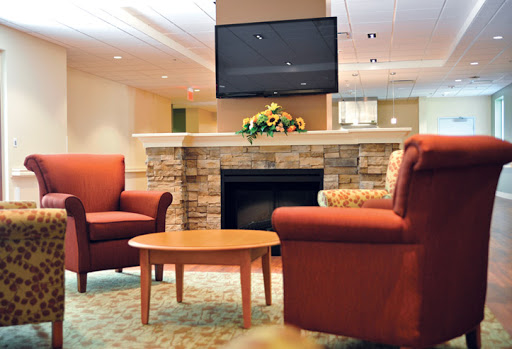
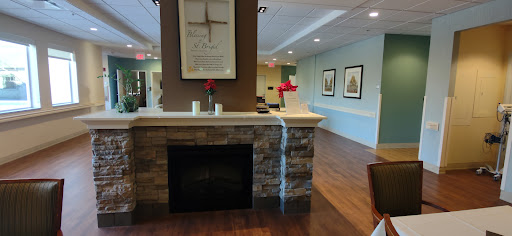
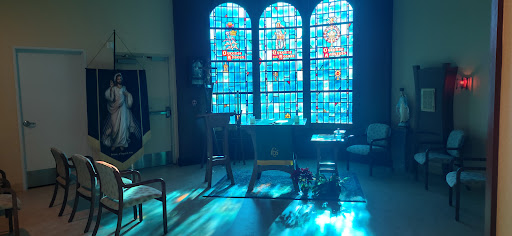
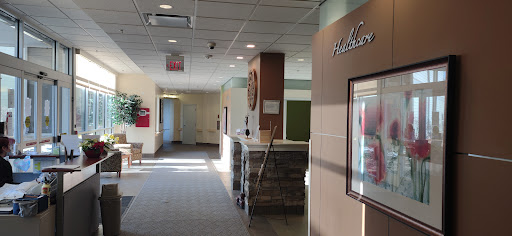
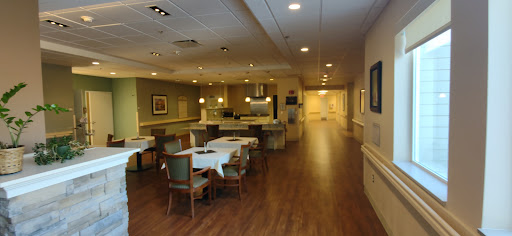
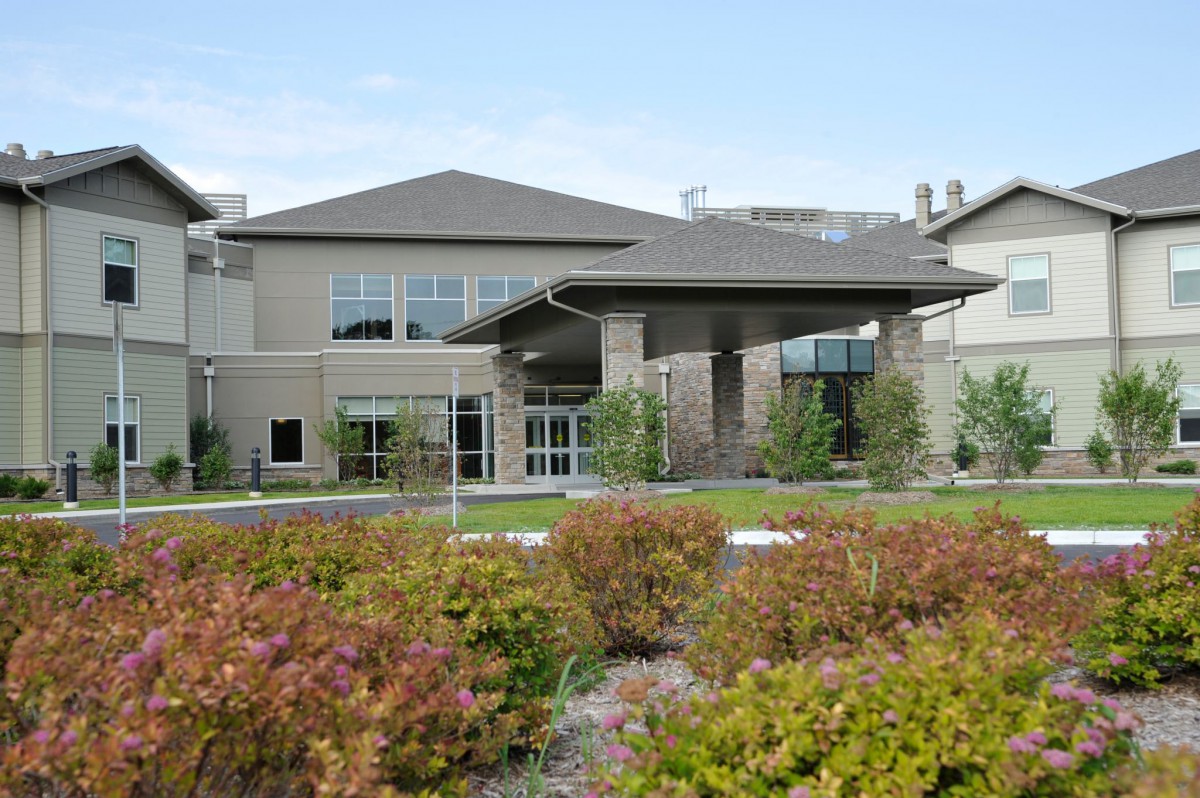
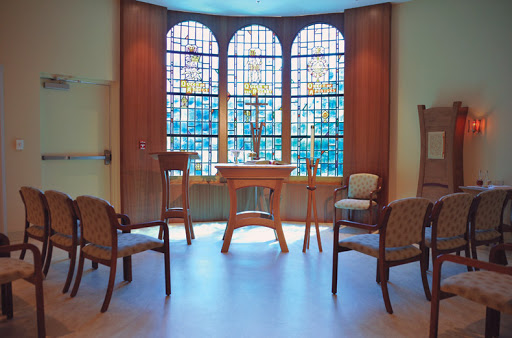
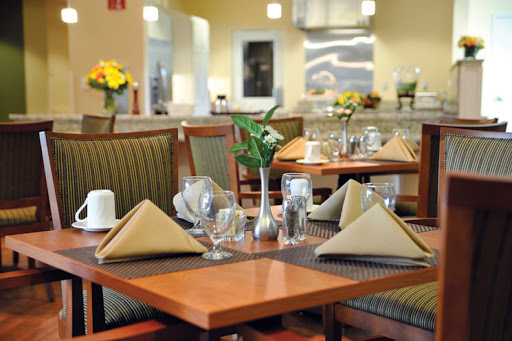
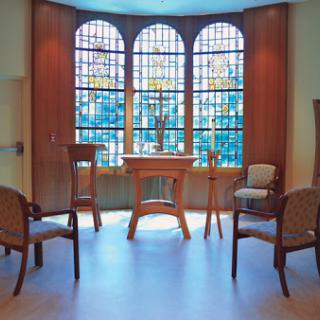
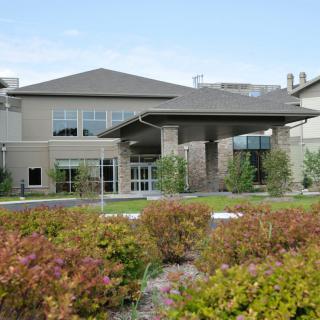
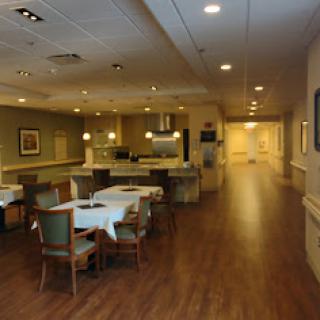
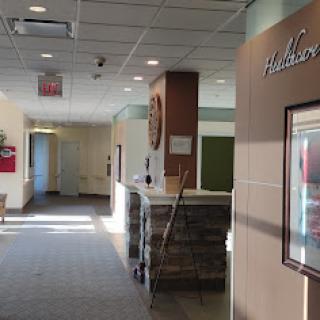
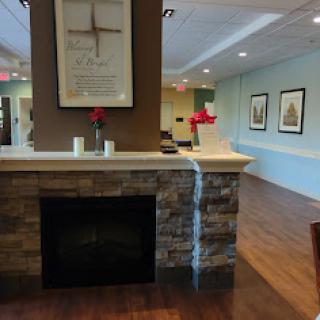
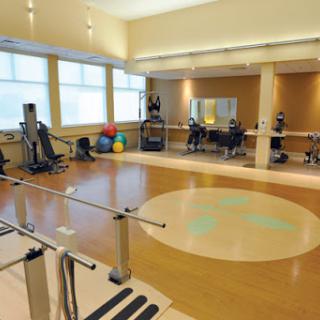
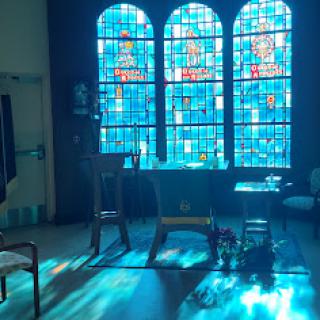
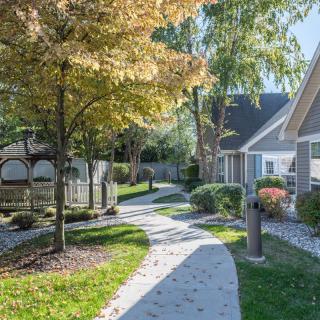
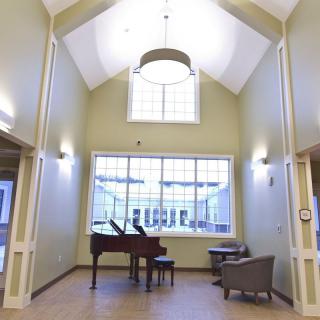
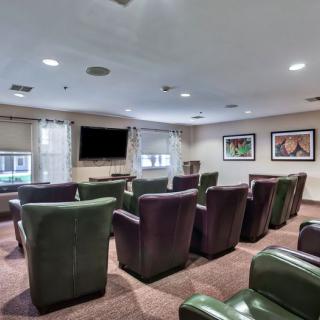
The Neighborhoods of White Lake on seniors.fyi includes 12 photos including images showing interior, dining, fireplace, building, architecture, lighting, decor, fitness, and more.
Nearby Communities
Teggerdine Hills
White Lake, MI
Comprehensive care with 24/7 supervision, ADL support, medication management, transportation to medical appointments, and furnished apartments.
Burgess Group Home
White Lake, MI
4.8 from 18 reviews
Fully furnished assisted living with 24-hour supervision, meals, medication management, housekeeping, and transportation.
Butterfly House 1
White Lake, MI
5 from 3 reviews
Intimate 6-bed community with comprehensive assisted living services and on-site amenities
Hill Top House
White Lake, MI
Small, intimate community for personalized care
Green Valley Senior Living
White Lake, MI
4.8 from 18 reviews
Fully furnished living spaces with 24/7 staff and comprehensive care (ADLs, meds, transport) plus on-site dining and daily activities.
Briarwood
White Lake, MI
Intimate, fully furnished assisted living with on-site dining and comprehensive care services.
Canterbury-on-the-Lake
Waterford, MI
3.8 from 166 reviews
$2,510 to $5,888 / month
Strong community with friendly, caring staff; well-maintained facility and engaging activities.
Canterbury On The Lake
Waterford, MI
3.6 from 134 reviews
Beautiful lakeside setting with comprehensive care options and abundant activities.
Lockwood of Waterford
Waterford, MI
4.2 from 80 reviews
$1,649 to $2,119 / month
Friendly staff, spacious apartments, and a robust activities program with 24-hour care.
The article emphasizes the significance of establishing a power of attorney for elderly parents to enable an agent to make decisions on their behalf regarding health and finances, especially during cognitive or physical decline. It outlines various types of power of attorney, the importance of consulting legal professionals, and the responsibilities and challenges faced by agents, while also discussing alternatives and common misconceptions.
Caregiver support groups are crucial for providing emotional and practical assistance to those caring for loved ones, offering resources, coping strategies, and a sense of community through various organizations and platforms. These groups help alleviate isolation and burnout while addressing the unique challenges faced by caregivers of individuals with specific conditions.
The guide outlines the complexities of Medicaid coverage for assisted living, highlighting significant state-to-state variations, limited coverage often restricted to personal care services, and the existence of specialized waivers for certain needs like memory care. It advises families to consult local Medicaid offices for options while emphasizing the importance of understanding state-specific regulations and facility policies.
Get PricingAsk A QuestionSchedule A TourContact Senior Advisor
By clicking submit, you agree to our Partner's Terms of Use. You
also consent to receive calls and texts, which may be autodialed, from our Partner. Your consent is not a condition to
using our Partner's service. Please visit our Partner's Privacy Policy for information about their privacy practices.




 92 resident community capacity
 Studio apartments
 Assisted Living
 Memory Care
 Skilled Nursing Facility
 Activities on-site
 Air-conditioning
 Beautician on-site
 Cable or satellite TV
 Cafe
Cafe Computer center
 Devotional services off-site
 Dining room
 Financial aid
 Fitness room
 Fully furnished
 Gaming room
 Garden
 Guest parking
 Handicap accessible
 Hiking trails
 Housekeeping services
 Indoor common areas
 Kitchenette
 Laundry
 Move-in coordination
 Outdoor common areas
 Overnight guests
 Party space
 Private bathrooms
 Respite or short term stays offered
 Restaurant-style dining
 Security gate
 Small library
 Spa
Spa Swimming pool
 Telephone
 Wheelchair accessible showers
 Wi-Fi/high-speed internet available
 Community operated transportation
 12-16 hour nursing
 24-hour call system
 Ambulatory care
 Assistance with bathing
 Assistance with dressing
 Assistance with transfers
 Diabetes diet
 Diabetic care
 High acuity care
 Hospice care
 Incontinence care
 Medication management
 Mental wellness program
 Special dietary restrictions
 Arts and crafts
 BBQs or picnics
 Book club
 Catholic services
 Concierge services
 Cooking club
 Educational speakers / life long learning
 Games
Games Live musical performances
 Planned day trips
 Wii bowling
 Comprehensive care with 24/7 supervision, ADL support, medication management, transportation to medical appointments, and furnished apartments.
 Guiding Your Journey: Understanding Power of Attorney for Elderly Parents
 22 Remarkable Caregiver Support Groups Available Online and In-Person
 Understanding Medicaid Coverage for Assisted Living: A Comprehensive Guide