Shelby Crossing Health Campus in Shelby Township, MI

Save

  • Interior

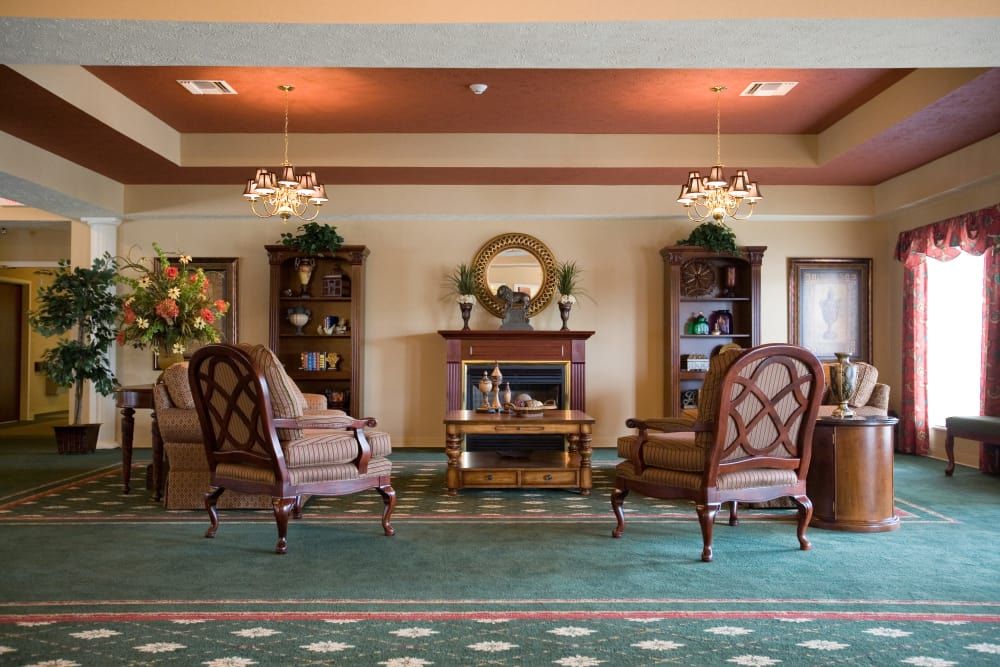
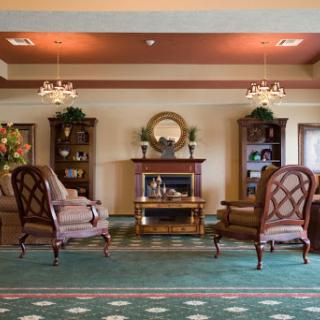
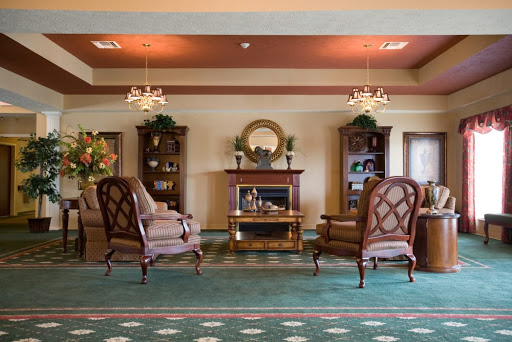
    A traditionally decorated living room featuring a fireplace, armchairs, and bookcases.
  • Decor

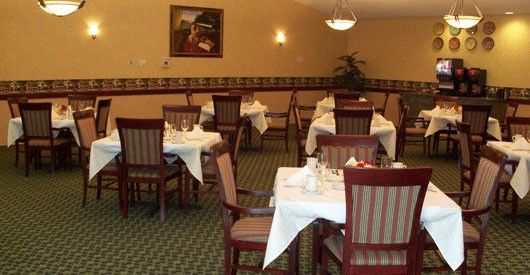
    An empty dining room with neatly set tables and chairs.
  • Living Room

    A traditional living room with a fireplace, elegant armchairs, and bookshelves.
  • Building

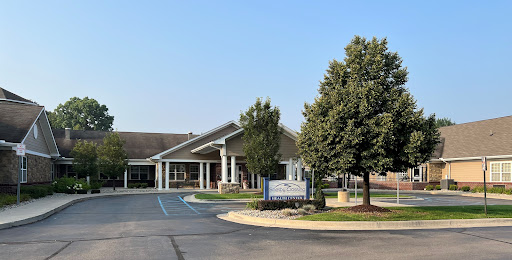
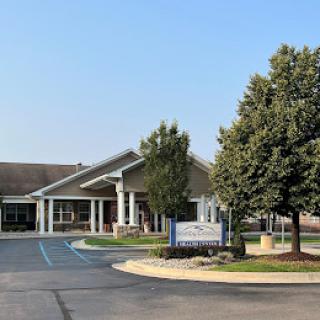
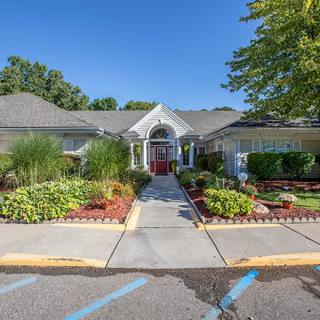
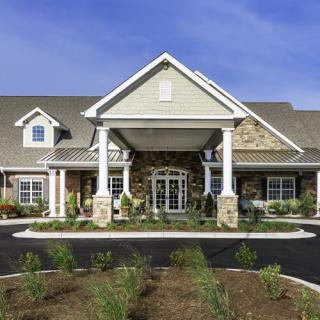
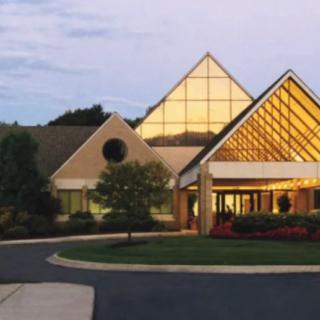
    A view of a healthcare facility with a welcoming entrance and landscaped surroundings.
  • Windows

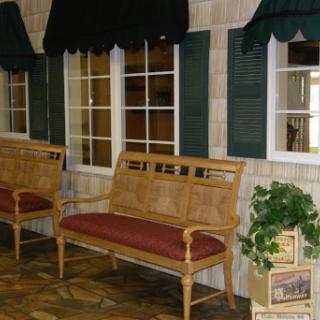
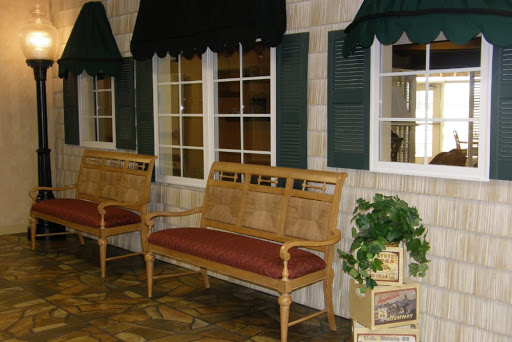
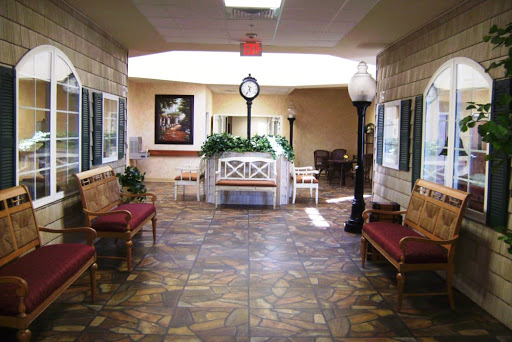
    A cozy interior space featuring wooden benches, green shutters, and a decorative plant.
  • Dining

    A delicious serving of grilled meat accompanied by a fresh salad.
  • Seating

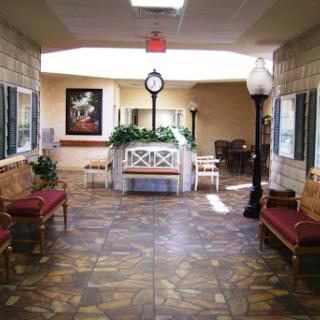
    A spacious and inviting hallway with benches, a clock, and natural light.
  • Lounge

    A cozy lounge area featuring elegant furnishings and warm decor.
  • Rehabilitation

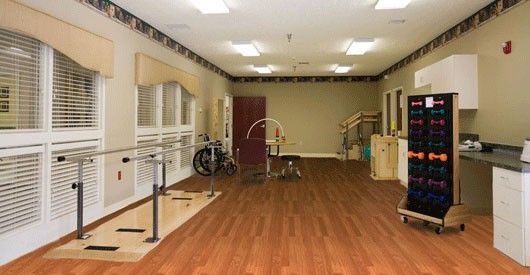
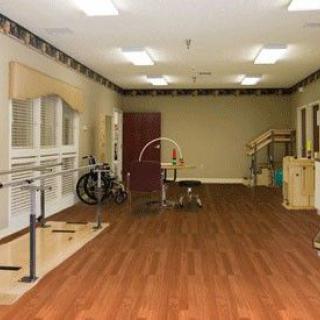
    A rehabilitation room equipped with parallel bars and exercise equipment.
  • Vegetables

    A beautifully plated roast beef accompanied by colorful roasted vegetables and herbs.
  • Cooking

    A beautifully plated dish showcasing tender poultry served over rice with vibrant vegetables and a savory sauce.

Shelby Crossing Health Campus in Shelby Township, MI

13794 21 Mile Road, Shelby Township, MI 48315

For more information about senior living options: (844) 490-3973

3.9 from 91 reviews
5 stars
58
4 stars
8
3 stars
4
2 stars
3
1 stars
18

Assisted Living Memory Care Skilled Nursing Facility

Overall Review of Shelby Crossing Health Campus

Pros

  • pro The Shelby Crossing staff are compassionate and care deeply for residents and their families.
  • pro The facility is clean, well maintained, and welcoming, with a hotel-like atmosphere.
  • pro The food is fantastic and restaurant-quality, with multiple menu options.
  • pro The PT and OT teams are outstanding and help residents regain independence.
  • pro The dining room and kitchen staff are attentive, kind, and go the extra mile for residents and guests.
  • pro The Life Enrichment team is welcoming and provides engaging activities and events.
  • pro The staff treat residents like family and create a warm, caring community.
  • pro The Executive Director and leadership are approachable, supportive, and involved in daily care.
  • pro The rooms and common areas are comfortable, immaculate, and visually appealing.
  • pro The facility offers a variety of social events, such as Wine Wednesdays and Friday Happy Hours, plus live music.
  • pro The nursing, therapy, and caregiving teams work together professionally and compassionately.
  • pro Families feel reassured by the dedicated care and consistent communication from the team.

Cons

  • pro The social worker Kathleen was described as an absolute nightmare and not friendly or helpful.
  • pro The facility was accused of major neglect, including not showering the patient for weeks, not brushing his teeth, and even losing clothes.
  • pro One reviewer said they would never refer Shelby Crossing again and would not recommend it.
  • pro An attendant was described as unprofessional, on a personal phone call while the patient needed assistance.
  • pro Overnight care was characterized as terrible and unsafe, with a delirious patient left inadequately attended and even a chair left by the bed to keep him from getting out.
  • pro There were reports of incorrect billing and discharges occurring when patients were not well.
  • pro The social worker Kathy was described as rude, demeaning, and unsupportive.
  • pro Staffing shortages and poor management engagement were noted, with concerns often left unresolved.
  • pro There were cleanliness issues and pests reported, including cockroaches and dirty conditions.
  • pro The reviewer claimed the facility changes its name due to lawsuits, implying instability.

Review

Shelby Crossing Health Campus is best suited for seniors who need serious rehabilitation after a hospital stay or surgery and for families seeking a warm, community-centered environment where therapy, nursing care, and dining feel purposefully cohesive. It works particularly well when the priority is a strong PT/OT program, attentive nursing, and a lively life-enrichment calendar that keeps residents engaged. The community shines for those who want care teams that remember names, celebrate progress, and treat each resident with genuine kindness. Those whose needs lean toward highly specialized dementia care, extremely tight budget constraints, or a strict preference for a small, ultra-private setting should consider alternatives.

The major pluses center on rehabilitation outcomes and the quality of daily life. Patients consistently report that therapy teams are skilled, responsive, and persistent in helping regain independence; the PT/OT staff, in particular, are repeatedly singled out as outstanding. Nursing and aides are described as compassionate and reliable, with many families recounting personal connections that extend beyond routine tasks. Dining services earn top marks for restaurant-quality meals and attentive service, while the rooms and common areas are praised for cleanliness, comfort, and hotel-like presentation. The Life Enrichment program and regular activities - live music, social events, and communal dining - translate into meaningful engagement rather than isolation, contributing to a sense of normalcy and belonging during recovery or longer stays.

However, not every experience aligns with the best-case narrative. A recurring thread centers on social work and care coordination - some reviewers describe struggles with timely assistance, transitions between rehab and assisted living, and inconsistent communication with families. There are mentions of medication missteps or delays, and a few accounts cite gaps in responsiveness during evenings and weekends. Complaints about certain staff attitudes or privacy concerns appear in a minority of reviews, and a few families report feeling overwhelmed by the administrative side of the move as much as by medical needs. While the overall tone remains positive, these tensions underscore real variability in day-to-day operations.

Those pros versus cons play out differently depending on the family's priorities. For families prioritizing a robust rehabilitation trajectory and a palpable sense of community, Shelby Crossing often delivers outcomes that feel transformative: residents regain mobility, regain confidence, and rejoin social routines more quickly than anticipated. The strength of the therapy program helps offset occasional lapses in communication or scheduling, because tangible progress in mobility, mood, and daily functioning tends to reassure families that the investment is worthwhile. The warm, attentive dining and the visible commitment of staff contribute to a feeling that care is holistic rather than solely clinical, which can make the rough edges of administrative friction more tolerable.

Prospective residents should come prepared to ask targeted questions and verify specifics before committing. Inquire about current staffing ratios and the consistency of social work support, especially around transitions between rehab and assisted living. Confirm the process for medication management, linen and laundry services, and room assignments, as well as the timing of meals and dietary customization. Discuss move-in costs and what exactly is included, since some reviewers note higher-than-expected fees. Visit with a therapy supervisor or director of activities to gauge daily programming, and request recent references from families who can speak to both the rehab outcomes and the administrative responsiveness in real time.

Ultimately, Shelby Crossing Health Campus represents a compelling option for families seeking comprehensive rehab and long-term care in a warm, active setting. It is a facility that earns praise for skilled therapists, caring nurses, excellent dining, and a genuine sense of community. Yet it is not perfect; variability in social work support, occasional communication gaps, and occasional staff shortages on certain shifts do surface in reviews. For families who can diligently verify current operations, advocate for clear care plans, and align expectations with what the program can reliably deliver day to day, Shelby Crossing remains a strong, dependable choice. For those prioritizing seamless administration, unwavering 24/7 staffing, or highly specialized memory care, exploring alternatives may be prudent.

Features

Housing

  • 40 resident community capacity 40 resident community capacity
  • 1-bedroom apartments 1-bedroom apartments1-bedroom apartments are important for seniors because they provide a sense of independence, privacy, and autonomy while still offering the necessary space for comfortable living. These apartments allow seniors to maintain their own personal space and lifestyle preferences in a supportive community setting.
  • Studio apartments Studio apartmentsStudio apartments are important for seniors because they offer a smaller, more manageable living space that is easier to navigate and maintain as physical abilities decline. Additionally, studio apartments provide seniors with independence and privacy while still being part of a community that offers support and social opportunities.

Types of Care

  • Assisted Living Assisted LivingAssisted living facilities provide crucial support and care for seniors who may need help with daily tasks such as medication management, bathing, and meal preparation. These communities offer a safe and comfortable environment where seniors can maintain their independence while receiving the assistance they need to thrive in their golden years.
  • Memory Care Memory CareMemory care is crucial for seniors as it provides specialized support and services for individuals with dementia or Alzheimer's disease. These programs offer a safe and secure environment where residents receive personalized care, cognitive stimulation, and help with daily activities. Memory care helps seniors maintain their independence, quality of life, and dignity while also providing peace of mind for their families.
  • Skilled Nursing Facility Skilled Nursing FacilitySkilled Nursing Facilities are crucial for seniors as they provide round-the-clock medical care, rehabilitation services, and assistance with daily activities. These facilities ensure that seniors receive the specialized care they need to maintain their health and well-being as they age.

Amenities

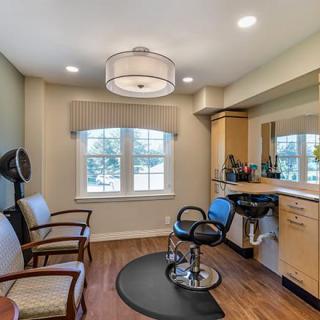
  • Beauty salon Beauty salonBeauty salons are important for seniors because they provide a space for them to feel pampered, socialize, and maintain their personal grooming and hygiene. Regular visits to a beauty salon can help boost seniors' self-esteem and overall well-being.
  • Cable or satellite TV Cable or satellite TVCable or satellite TV is important for seniors because it provides entertainment, news, and companionship, helping to combat loneliness and boredom. It also offers a wide range of programming options tailored to different interests and preferences.
  • Dining room Dining roomDining rooms are important for seniors as they provide a space for socialization, connection, and nutritious meals. They offer opportunities for residents to bond over shared meals, foster a sense of community, and promote healthy eating habits. Dining rooms also ensure that seniors have access to well-balanced meals tailored to their dietary needs and preferences.
  • Fully furnished Fully furnishedFully furnished senior living communities are important for seniors because they provide convenience, comfort, and a hassle-free moving experience. Seniors can easily settle into their new living space without the stress of having to buy and move furniture. This allows them to focus on enjoying their new home and community.
  • Garden GardenGardens are important for seniors as they provide a peaceful and therapeutic environment for relaxation, physical activity, and socialization. Being in nature has been shown to reduce stress, improve mood, and promote overall well-being. Gardens also offer opportunities for seniors to engage in gardening activities, which can improve mobility, flexibility, and cognitive function. Additionally, gardens create a sense of community and connection with others who share a passion for plants and outdoor spaces.
  • Housekeeping services Housekeeping servicesHousekeeping services are important for seniors because they help maintain a clean and safe living environment, promote independence, and reduce the risk of accidents or illnesses. Additionally, having assistance with household chores can alleviate physical strain and allow seniors to focus on other aspects of their well-being.
  • Kitchenette KitchenetteKitchenettes are important for seniors living in senior living communities because they provide the convenience and independence of being able to prepare simple meals and snacks in the comfort of their own living space. This can help promote a sense of autonomy and well-being for seniors, allowing them to maintain some level of control over their dietary choices and daily routines.
  • Move-in coordination Move-in coordinationMove-in coordination is important for seniors because it helps ease the transition into their new living environment. It ensures that all logistics, such as packing, organizing movers, and setting up utilities are taken care of, allowing seniors to focus on settling in and adjusting to their new home. Having a smooth move-in process can alleviate stress and anxiety, making the transition smoother and more enjoyable for seniors.
  • Outdoor space Outdoor spaceOutdoor spaces are important for seniors as they provide opportunities for physical activity, social interaction, exposure to natural light and fresh air, and a sense of connection to nature. Having access to outdoor spaces can improve overall well-being and quality of life for older adults living in senior communities.
  • Respite or short term stays offered Respite or short term stays offeredRespite or short term stays provide seniors with a temporary solution when their regular caregiver is unavailable, offering them the opportunity to receive additional care and support during times of need, while also giving caregivers a chance to rest and recharge.
  • Restaurant-style dining Restaurant-style diningRestaurant-style dining is important for seniors because it allows them to enjoy delicious, nutritious meals in a social and upscale setting. This enhances their dining experience, promotes healthy eating habits, and fosters socialization with fellow residents, ultimately contributing to their overall well-being and quality of life.
  • Small library Small librarySmall libraries are important for seniors as they provide access to a variety of reading materials, including books, newspapers, and magazines. This can help stimulate their minds, keep them engaged, and provide a sense of community through book clubs and other social activities. Additionally, reading has been shown to improve cognitive function and overall mental well-being in older adults.
  • Telephone TelephoneTelephones are important for seniors as they provide a lifeline for communication with loved ones, emergency services, and healthcare providers. They offer a sense of security and independence, enabling seniors to stay connected and access assistance when needed.
  • Wi-Fi/high-speed internet available Wi-Fi/high-speed internet availableWi-Fi/high-speed internet is important for seniors to stay connected with loved ones, access online resources, and participate in virtual activities to combat feelings of loneliness and isolation. It also allows them to easily manage healthcare needs, access entertainment, and engage in lifelong learning opportunities.

Care Services

  • 24-hour call system 24-hour call system24-hour call systems are important for seniors because they provide peace of mind and immediate assistance in case of emergencies. This technology ensures that help is always available, promoting safety and security for elderly individuals living alone or in assisted living facilities.
  • 24-hour supervision 24-hour supervision24-hour supervision is important for seniors to ensure their safety, well-being, and access to immediate assistance in case of emergencies or health issues. This constant support provides peace of mind for both seniors and their loved ones, allowing them to age in place with dignity and security.
  • Activities of daily living assistance Activities of daily living assistanceActivities of daily living assistance are important for seniors because they provide essential support with tasks such as eating, bathing, dressing, and mobility. This assistance helps seniors maintain their independence, dignity, and overall quality of life as they age.
  • Assistance with bathing Assistance with bathingAssistance with bathing is crucial for seniors as it helps maintain personal hygiene, prevents infections, and ensures their overall well-being and comfort. It also provides a sense of dignity and independence for seniors who may struggle with this task on their own.
  • Assistance with dressing Assistance with dressingAssistance with dressing is important for seniors because it helps maintain their independence, promotes personal hygiene, prevents accidents and injuries, and improves overall quality of life. This service ensures that seniors can continue to dress comfortably and confidently, despite any physical limitations they may have.
  • Assistance with transfers Assistance with transfersAssistance with transfers is crucial for seniors as it helps prevent falls and injuries, maintains their independence, and ensures they can safely navigate their living environment. It also provides peace of mind for both seniors and their loved ones.
  • Coordination with health care providers Coordination with health care providersCoordination with health care providers is crucial for seniors to ensure proper medical care, medication management, and overall well-being. This collaboration helps prevent overlapping treatments, track progress more effectively, and provide comprehensive support tailored to individual needs.
  • Dementia waiver Dementia waiverDementia waivers are essential for seniors as they provide critical protections and accommodations for those experiencing cognitive decline. These waivers ensure individuals with dementia receive appropriate care, support, and resources to maintain their quality of life and dignity as they navigate the challenges of this progressive condition.
  • Diabetes diet Diabetes dietA diabetes diet is crucial for seniors as it helps manage blood sugar levels, reduce risks of complications, and improve overall health and well-being. By following a balanced and nutritious diet tailored to their specific needs, seniors can better control their diabetes and enhance their quality of life.
  • Hospice waiver Hospice waiverHospice waivers are important for seniors because they allow individuals to receive specialized end-of-life care and support at home or in a hospice facility. This waiver ensures that seniors can access the necessary resources and services to maintain comfort and dignity during their final days.
  • Meal preparation and service Meal preparation and serviceMeal preparation and service are crucial for seniors as they may have limited mobility or energy to cook nutritious meals. Having access to healthy and convenient food options can ensure they are getting the proper nutrition needed to maintain their overall health and well-being.
  • Medication management Medication managementMedication management is crucial for seniors to ensure they are taking the right medications at the correct dosages and times. This helps prevent adverse drug interactions, reduces the risk of medication errors, and promotes overall health and well-being. Proactive management also allows for adjustments as needed based on changing health conditions or new prescriptions.
  • Mental wellness program Mental wellness programMental wellness programs are essential for seniors as they promote cognitive stimulation, emotional support, and social engagement. These programs help prevent isolation, depression, and cognitive decline, ultimately enhancing the overall quality of life for older adults.
  • Mild cognitive impairment Mild cognitive impairment"Mild cognitive impairment" is important for seniors because it is an early stage of cognitive decline that can potentially progress to more severe conditions such as dementia. Recognizing and addressing mild cognitive impairment can help seniors receive appropriate care and support to maintain their quality of life and independence for as long as possible.
  • Special dietary restrictions Special dietary restrictionsSpecial dietary restrictions are important for seniors because age-related changes in metabolism and health conditions can make it difficult for their bodies to process certain foods. By following a diet tailored to their specific needs, seniors can maintain their overall health and well-being, manage chronic conditions, and reduce the risk of complications such as malnutrition or food interactions with medications.
  • Specialized memory care programming Specialized memory care programmingSpecialized memory care programming is crucial for seniors with cognitive impairments such as dementia or Alzheimer's disease. These programs provide a safe and supportive environment tailored to the unique needs of individuals with memory loss, helping them maintain their independence, dignity, and quality of life.
  • Transportation arrangement (medical) Transportation arrangement (medical)Transportation arrangements for medical purposes are essential for seniors as they may have difficulty driving themselves to appointments or accessing public transportation. Having reliable and safe transportation options ensures that seniors can receive timely medical care and maintain their health and well-being.
  • Transportation to doctors appointments Transportation to doctors appointmentsTransportation to doctors' appointments is crucial for seniors as it ensures they have access to necessary medical care and support for their health needs. Without reliable transportation, seniors may struggle to attend important appointments, leading to potential delays in treatment and health complications. Providing transportation services helps seniors maintain their overall well-being and quality of life.
Dining

  • Diabetes diet Diabetes dietA diabetes diet is crucial for seniors as it helps manage blood sugar levels, reduce risks of complications, and improve overall health and well-being. By following a balanced and nutritious diet tailored to their specific needs, seniors can better control their diabetes and enhance their quality of life.
  • Special dietary restrictions Special dietary restrictionsSpecial dietary restrictions are important for seniors because age-related changes in metabolism and health conditions can make it difficult for their bodies to process certain foods. By following a diet tailored to their specific needs, seniors can maintain their overall health and well-being, manage chronic conditions, and reduce the risk of complications such as malnutrition or food interactions with medications.

Activities

  • Community-sponsored activities Community-sponsored activitiesCommunity-sponsored activities are important for seniors as they provide opportunities for social interaction, mental stimulation, and physical activity. These activities can help improve overall well-being, combat loneliness and isolation, and promote a sense of belonging and purpose among older adults.
  • Resident-run activities Resident-run activitiesResident-run activities are important for seniors as they encourage social interaction, creativity, and a sense of autonomy. These activities empower seniors to stay engaged and active in their community while fostering meaningful connections with their peers.
  • Scheduled daily activities Scheduled daily activitiesScheduled daily activities are important for seniors because they provide structure, socialization, mental stimulation, and physical activity. Engaging in regular activities can improve overall well-being and quality of life for seniors living in a community setting.

Description

Shelby Crossing Health Campus in Shelby Township, MI offers a comfortable and welcoming assisted living community for seniors. The housing options include studio apartments, providing residents with privacy and independence while still receiving the care they need.

The community offers specialized care services such as memory care and skilled nursing facility care, ensuring that all residents' unique needs are met. With 24-hour supervision and assistance with activities of daily living, residents can feel safe and supported at all times.

Residents at Shelby Crossing Health Campus can enjoy a range of amenities designed to enhance their quality of life. Cable or satellite TV, Wi-Fi/high-speed internet, and a small library provide entertainment and opportunities for relaxation. The dining room offers restaurant-style meals with special dietary restrictions accommodated.

Engaging activities are available for residents to participate in, including resident-run activities and scheduled daily activities that promote socialization and mental wellness. Additionally, the community is conveniently located near various cafes, parks, pharmacies, physicians' offices, restaurants, places of worship, theaters, and hospitals.

With move-in coordination provided and respite or short term stays offered when needed, Shelby Crossing Health Campus ensures a seamless transition for residents who are considering joining their community. Trustworthy transportation arrangements are made for medical visits or doctors' appointments.

Overall, Shelby Crossing Health Campus provides a nurturing environment where seniors can receive personalized care while enjoying a range of amenities and engaging activities in the nearby area.

Nearby Places of Interest

Restaurants

  • Taco Bell (0.7 miles)
  • Chick-Fil-A (0.8 miles)
  • Ciccarelli's Premier Sports Club & Eatery (0.8 miles)
  • Wendy's (1.1 miles)
  • Boston's Restaurant & Sports Bar (1.1 miles)
  • McDonald's (1.2 miles)
  • National Coney Island (1.2 miles)

Cafes

  • Panera Bread (0.8 miles)
  • The Hot Spot Coffee (2.4 miles)
  • Starbucks (2.5 miles)
  • Starbucks (4 miles)
  • Starbucks (4.7 miles)
  • Starbucks (5.5 miles)
  • Tim Hortons (5.8 miles)

Pharmacies

  • Walgreens (0.9 miles)
  • CVS Pharmacy (1.1 miles)
  • CVS Pharmacy (1.2 miles)
  • CVS Pharmacy (1.6 miles)
  • Walgreens (1.8 miles)
  • Rite Aid (2.1 miles)
  • Walgreens (2.1 miles)

Places of Worship

  • Shelby Bible Church (1 miles)
  • St Peter Lutheran Church (3.8 miles)

Parks

  • Whispering Woods Park (1.6 miles)
  • Waldenburg Park (3 miles)
  • Dodge Park (3.4 miles)
  • Mae Stecker Park (3.6 miles)
  • Clinton Township Parks & Recreation (4.3 miles)
  • River Bends Park (5.3 miles)
  • Earl E Borden Park (5.9 miles)

Physicians

  • Michigan Surgery Specialists - Shelby Township (1.9 miles)
  • Henry Ford Shelby Ob/Gyn (2.3 miles)
  • Mmi Dr M Chen (2.3 miles)
  • Midwest Center For Dermatology (2.4 miles)
  • Partridge Creek Center For Womens Health (2.6 miles)
  • Macomb Endoscopy Center (2.9 miles)
  • Ascension Stonebridge Orthopedic Urgent Care (3.1 miles)

Theaters

  • Emagine Macomb (2.5 miles)
  • MJR Partridge Creek Digital Cinema 14 (2.5 miles)
  • AMC Forum 3 (3.7 miles)

Hospitals

  • St John Medical Center (3.2 miles)

Frequently Asked Questions

What floor plans and room types does Shelby Crossing Health Campus offer?
Where is Shelby Crossing Health Campus?
Does Shelby Crossing Health Campus provide care for residents with dementia or Alzheimer's disease?
What photos are available for Shelby Crossing Health Campus in Shelby Township, Michigan?

Nearby Communities

  • The Legacy At Shelby Crossing

    The Legacy At Shelby Crossing

    Shelby Township, MI

    4 from 74 reviews
     

    pro 24/7 supervision with diabetes care and restaurant-style dining.
  • Shelby Crossing Rehabilitation

    Shelby Crossing Rehabilitation

    Shelby Township, MI

    3.8 from 92 reviews
    $3,840 to $5,280 / month

    pro Compassionate staff, engaging activities, and on-site rehab in a welcoming environment.

  • Shelby Nursing Center

    Shelby Nursing Center

    Shelby Township, MI

    3.3 from 54 reviews
     

    pro Beautiful, well-maintained facility with strong therapy services and decent dining.

  • Brookdale Utica

    Brookdale Utica

    Utica, MI

    4.7 from 140 reviews
    $3,400 / month

    pro Friendly, attentive staff in a welcoming, resort-like setting with varied room options.

  • Brookdale Utica Memory Care

    Brookdale Utica Memory Care

    Utica, MI

    4.8 from 151 reviews
    $6,995 to $7,595 / month

    pro Compassionate, well-trained staff creating a warm, family-like memory care environment.

  • Bickford of Shelby

    Bickford of Shelby

    Shelby Township, MI

    3.9 from 41 reviews
     

    pro Specialized memory care with 24/7 staff and medication management

  • Bickford of Shelby Township

    Bickford of Shelby Township

    Shelby Township, MI

    4.1 from 76 reviews
    $3,954 to $4,258 / month

    pro Caring, attentive staff in a home-like setting with good meals and engaging activities.

  • Waltonwood Lakeside

    Waltonwood Lakeside

    Sterling Heights, MI

    4.4 from 129 reviews
    $3,495 to $4,995 / month

    pro Friendly staff, engaging activities, and a clean, attractive, amenity-rich environment.

  • Magnolia Cottage

    Magnolia Cottage

    Sterling Heights, MI

    3.5 from 22 reviews
     

    pro Exceptional Alzheimer's care with engaging activities, attentive staff, and outings.

Related Resources

  • alzheimer's factsIlluminating Insights About Alzheimer's Disease: Ten Crucial Realities

    Alzheimer’s disease is a progressive neurological disorder that significantly impacts memory and cognitive functions, accounting for 60-80% of dementia cases, with early diagnosis being crucial yet challenging. It involves brain changes like beta-amyloid plaques and tau tangles, influenced by genetic and lifestyle factors, and while there is no cure, symptom management and support for caregivers are essential.

  • list of drugs linked to dementiaA Thorough Discussion of Medications Potentially Linked to Dementia Risk

    Dementia, influenced by aging and certain medications, may be exacerbated by drug classes such as anticholinergics, benzodiazepines, and antipsychotics, which are associated with cognitive impairment. Regular medication reviews by healthcare professionals are crucial for older adults to manage risks and optimize cognitive health.

  • do dementia patients sleep a lotWhy Do Dementia Patients Sleep So Much? Understanding Oversleeping, Stages, and Care Approaches
    Dementia often results in disrupted sleep patterns, leading to excessive daytime sleeping due to factors like brain damage affecting circadian rhythms, medication side effects, and lack of structure in daily activities. Caregivers must monitor these changes closely, as oversleeping can increase risks such as malnutrition or dehydration, and provide necessary support and routines to enhance patient engagement and well-being.