
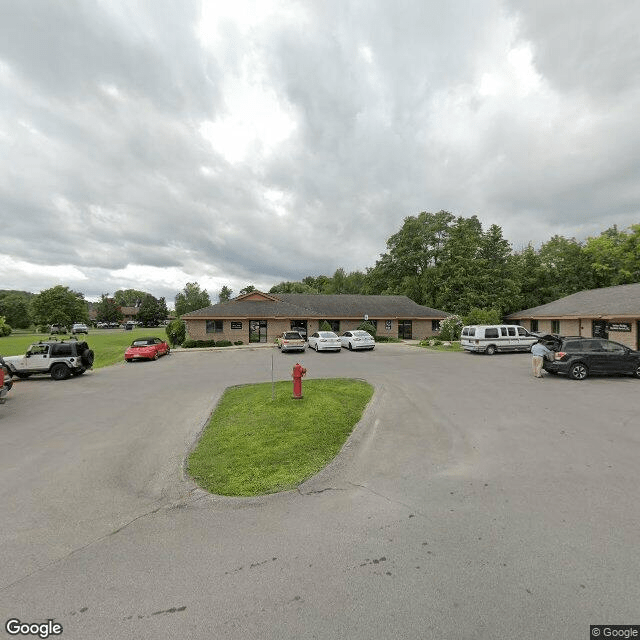
3281 Racquet Club Dr. Logan Place West, Traverse City, MI 49684
To contact a resident: (231) 922-1377
For more information about senior living options: (866) 208-4318
Overall Review of Harbor Care Associates
Cons
 Chloe Dimon thinks it's funny to mock people with physical disabilities.
- The business is poorly represented.
Review
Harbor Care Associates in Traverse City, MI is best suited for families facing urgent placement needs who are willing to trade on culture for a spot. In practical terms, this community may feel like a stopgap rather than a destination, offering space and routine rather than a proven track record of compassionate, respectful care. The strongest current signal from the available feedback is a troubling cultural issue that could undermine safety and dignity for residents. For families with flexible expectations about atmosphere and engagement, Harbor Care may check a quick placement box; for anyone seeking a consistently respectful, person-centered environment, it falls far short.
Who should consider alternatives is clear: anyone who expects courteous treatment, respectful communication, and a safe atmosphere should look elsewhere. The report alleges that a member of the staff mocked people with physical disabilities, a charge that raises serious concerns about resident rights, oversight, and everyday experience. For families with loved ones who require consistent assistance, mobility support, or advocacy, this culture is incompatible with trustworthy care. Even if price or location seems attractive, the absence of a culture of professionalism makes other communities a prudent, almost necessary, choice. Alternatives with verifiable commitments to dignity and proper conduct deserve serious consideration.
Pros and cons balance in this case is straightforward: no credible positives are documented in the available feedback that can offset the identified risk. The sole negative signal, a staff behavior issue described in a way that reflects poorly on the facility’s representation, dominates the impression. If there are any practical advantages such as lower cost, simple accommodations, or convenient proximity, they are diluted by the core concern around how residents are treated and how problems are addressed. In practical terms, the risk-reward balance collapses toward exploring other options with demonstrated care quality and staff accountability.
When evaluating options, certain criteria should guide comparison. First is culture and staff conduct, direct observation of how caregivers interact with residents, especially those with disabilities. Second is incident reporting and accountability, clear, transparent processes and responsive leadership. Third is staff training on respect, abuse prevention, and resident rights. Fourth is transparency, availability of inspection outcomes, complaint histories, and family engagement opportunities. Fifth is tangible care metrics, response times for assistance with daily activities and mobility support. Sixth is credibility from residents and families, and seventh is long-term stability, consistent caregiving teams and low turnover.
Practical next steps for families are clear and disciplined. Schedule in-person tours with a sharp eye for caregiver-resident interactions, and insist on meeting front-line staff as well as current residents or families. Review the home’s grievance policies and how past complaints were handled, ideally over the last year. Check state licensing data and any health department inspection notes, then compare Harbor Care with other options on price, services, and environment. Create a short-list with specific visit dates and decision deadlines to avoid rushed commitments. Document impressions systematically to enable a grounded, apples-to-apples decision.
Bottom line: Harbor Care Associates, as reflected by a single negative account, signals a risky choice for families seeking reliable, respectful care. The reported leadership culture appears to undermine basic safety and comfort, making alternatives the prudent default for nearly every scenario, especially for residents with disabilities or those needing consistent care and advocacy. If options remain limited, revisiting with updated tours and direct queries about any changes since the incident is reasonable, but the burden of proof remains high. In sensible decision-making terms, this community should be deprioritized in favor of facilities with demonstrable commitments to resident dignity, safety, and quality of care.
 Cherry Capital (2 miles away)
 Small, homelike setting with personalized care, meals, housekeeping, and transport to appointments.






 Fecal Incontinence in Older Adults: A Comprehensive Guide
 Recognizing the Journey: Understanding and Navigating Anticipatory Grief
 Encouraging Participation in Adult Day Care: A Guide to Supporting a Hesitant Parent