For more information about senior living options: (866) 208-4318
3 from 74 reviews
5 stars
29
4 stars
9
3 stars
2
2 stars
3
1 stars
31
Overall Review of The Villa At Traverse Point
differentiator12 reviews mention this
Rehab therapy receives strong praise
Physical and occupational therapy stand out in residents’ and families’ experiences.
Several reviews describe rehabilitation care as a clear bright spot, with physical and occupational therapy helping residents make progress and improve mobility. Families also mention attentive therapy support during recovery, including coordinating care around their needs. While experiences vary in other areas, the rehab component is repeatedly singled out as effective and well staffed.
caveat10 reviews mention this
Cleanliness and upkeep are concerns
Multiple reviews report serious cleanliness and maintenance problems.
A recurring concern is the physical condition of the building, with multiple reviewers describing it as filthy, dirty, or gross. Others mention issues like a bedbug infestation, noticeable odors, and inadequate attention to basic upkeep during a stay. Even reviewers who are otherwise positive sometimes describe conditions that raise doubts about cleanliness and overall environment.
caveat8 reviews mention this
Staffing and responsiveness can fall short
Several reviewers describe understaffing and long waits for help.
Some reviews point to understaffing as a driver of delays in care, including long waits for assistance and missed or slow follow-through on basic needs. Others report problems getting phones answered or receiving timely information aftercare. A few reviewers also describe gaps that affected comfort and safety, such as delays around pain medicine or care not being provided as expected.
common25 reviews mention this
Caring, friendly staff shows up often
Many reviewers say the staff is kind, professional, and easy to work with.
Across the reviews, residents and families frequently describe staff members as friendly, welcoming, and genuinely caring. Several mention being supported through complex transitions, with clear communication and responsiveness from individual staff roles. Even in more critical reviews, at least some staff are described with exceptions, suggesting the experience depends on staffing and specific team execution.
How we summarize
Counts show how many written reviews mention each theme; a review can touch several themes, and only frequently mentioned themes are displayed.
Features
Housing
96 resident community capacity
Types of Care
Skilled Nursing Facility
Amenities
Air-conditioning
Beauty salon
Cable or satellite TV
Computer center
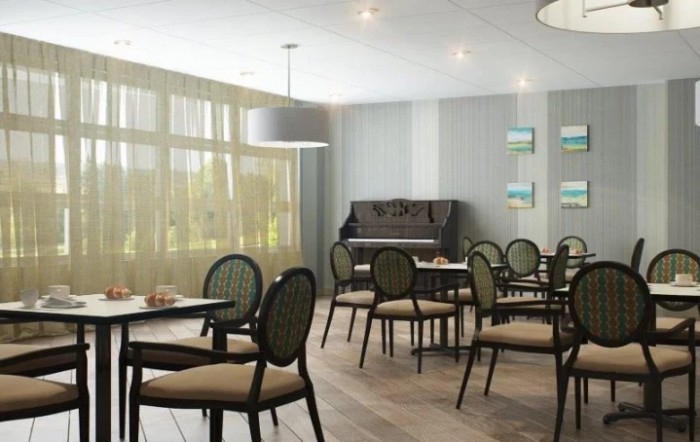
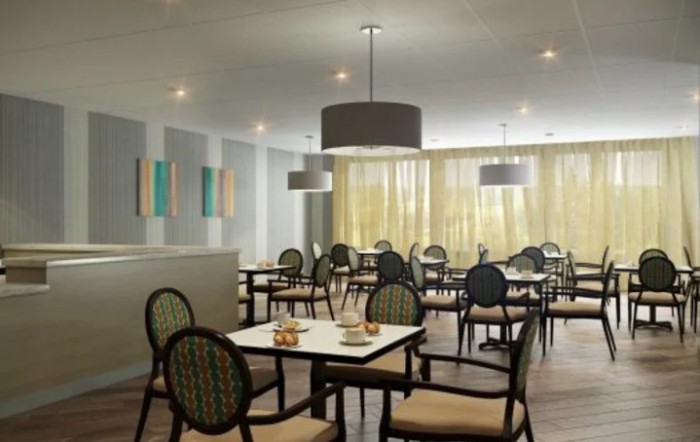
Dining room
Fitness room
Fully furnished
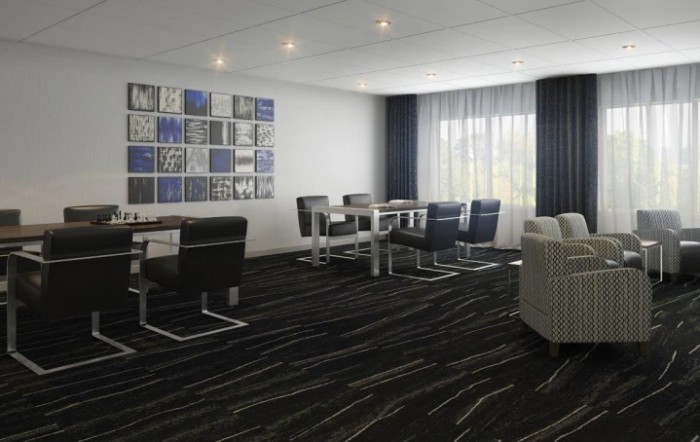
Gaming room
Garden
Housekeeping services
Kitchenette
Move-in coordination
Outdoor space
Private bathrooms
Restaurant-style dining
Small library
Telephone
Wellness center
Wi-Fi/high-speed internet available
Transportation
Cherry Capital (3 miles away)
Community operated transportation
Transportation arrangement
Transportation arrangement (non-medical)
Transportation to doctors appointments
Care Services
12-16 hour nursing
24-hour call system
24-hour supervision
Activities of daily living assistance
Assistance with bathing
Assistance with dressing
Assistance with transfers
Diabetes diet
Meal preparation and service
Medication management
Mental wellness program
Special dietary restrictions
Dining
Diabetes diet
Special dietary restrictions
Activities
Community-sponsored activities
Concierge services
Fitness programs
Planned day trips
Resident-run activities
Scheduled daily activities
Nearby Places of Interest
Restaurants
Fuji Sushi & Steakhouse (0.6 miles)
Chili's Grill & Bar (0.6 miles)
Big Boy (0.7 miles)
Pizza Hut (0.7 miles)
The Original Flap Jack Shack (0.7 miles)
Olive Garden (0.8 miles)
Chick-Fil-A (0.8 miles)
Physicians
Well Spring Psychiatry (0.6 miles)
The Walk-In Clinic (0.7 miles)
Rising Star Wellness Center (0.7 miles)
Austin Shirley McLaren N Michigan Psychiatric (0.7 miles)
Dr. Edward Stewart (0.8 miles)
SVS Vision Optical Centers (0.8 miles)
Mawby, Michael L., MD, Arthritis & Osteoporosis Center (1.3 miles)
Pharmacies
Target Pharmacy (0.7 miles)
Walgreens (0.7 miles)
The Prescription Shop (1.3 miles)
Hometown Pharmacy (1.3 miles)
Thompson Pharmacy (1.7 miles)
Munson Ambulatory Pharmacy (1.9 miles)
Walgreens (1.9 miles)
Cafes
Panera Bread (0.7 miles)
Starbucks (0.8 miles)
Brew (2.1 miles)
Parks
Medalie Park (0.8 miles)
Grand Traverse Veterans Memorial Park (1.5 miles)
Hull Park (1.9 miles)
Theaters
AMC CLASSIC Cherry Blossom 14 (0.9 miles)
Hospitals
Copper Ridge Surgery Center (1.3 miles)
Munson Medical Center (1.9 miles)
Munson Medical Center - Outpatient Services (1.9 miles)
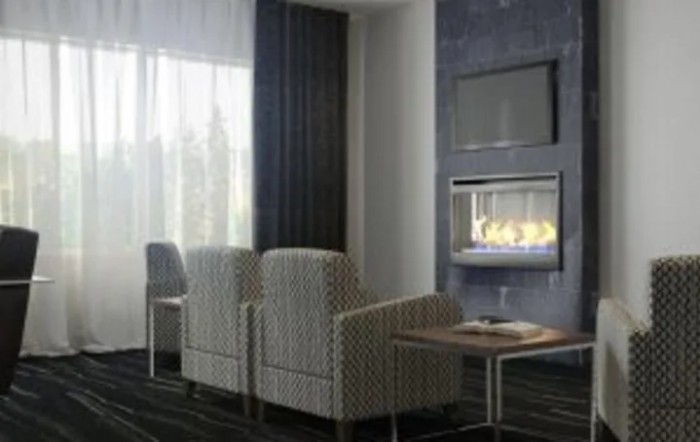
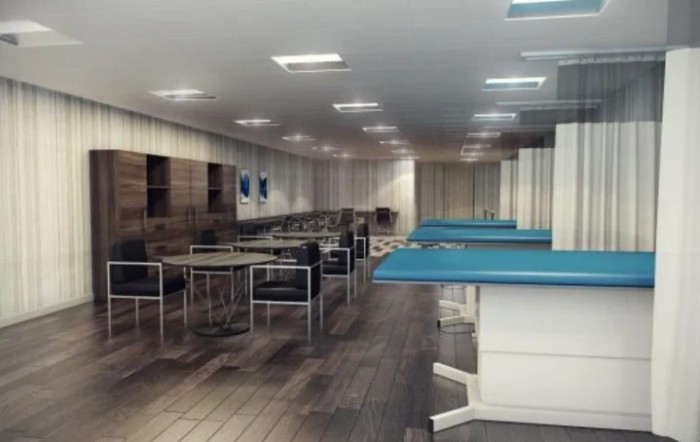
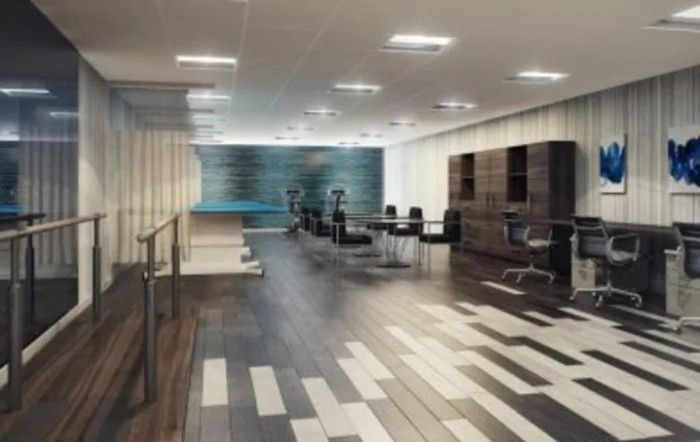
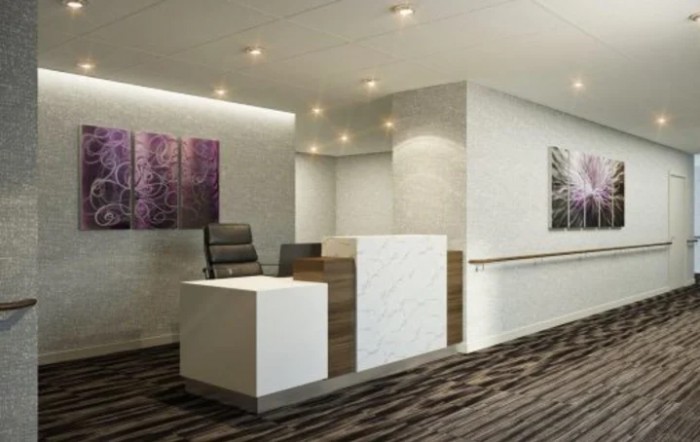
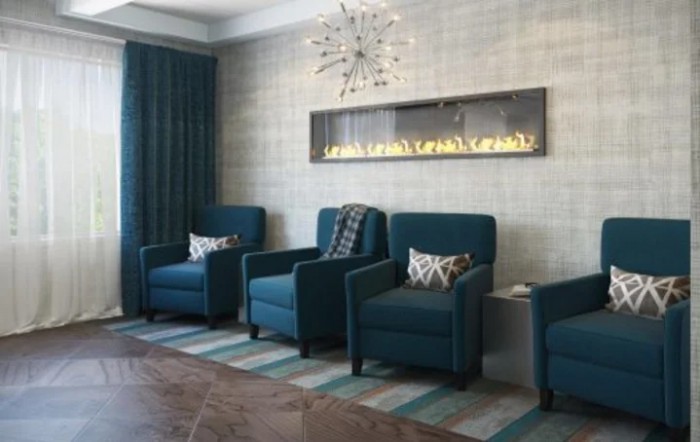
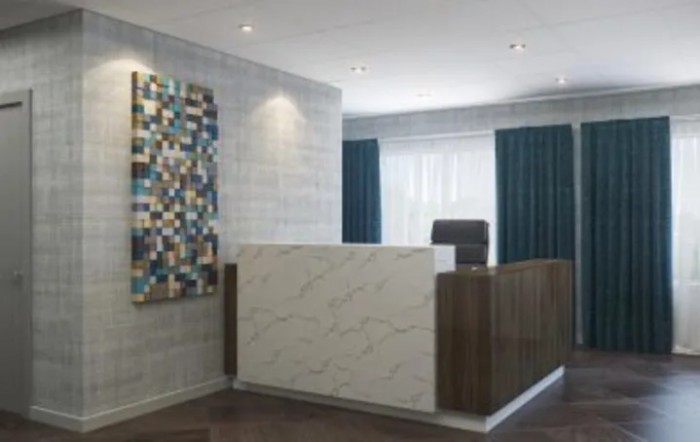
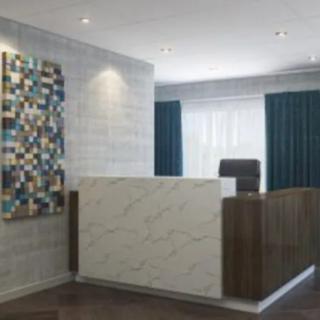
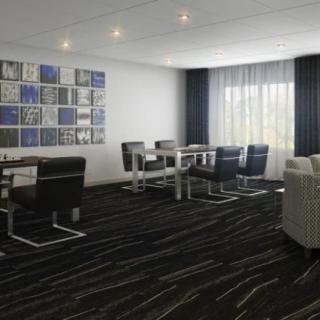
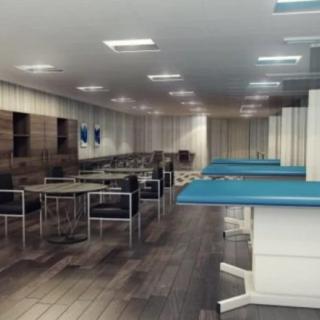
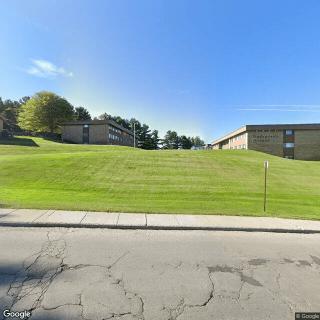
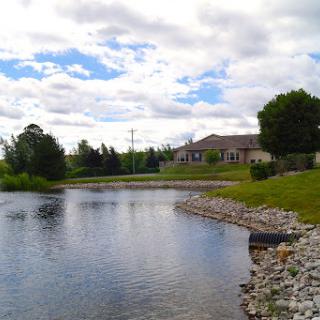
The Villa At Traverse Point on seniors.fyi includes 10 photos including images showing interior, dining, decor, office, fireplace, reception, lighting, artwork, and more.
Nearby Communities
Piper's Place Adult Foster Care
Traverse City, MI
5 from 2 reviews
Comprehensive care with diabetes-friendly dining and medical transport.
Cass Road Adult Foster Care
Traverse City, MI
5 from 2 reviews
Small, homelike setting with personalized care, meals, housekeeping, and transport to appointments.
Cedar Valley Home
Traverse City, MI
2.3 from 3 reviews
$3,000 / month
Small, fully furnished assisted living with personalized care and competitive $3,000/month pricing.
Cindy's Place
Traverse City, MI
4.8 from 120 reviews
Comprehensive care (24/7 supervision, ADL assistance, medication management) with on-site dining, housekeeping, and outdoor spaces.
Harbor Care Associates
Traverse City, MI
1 from 2 reviews
Prime location with abundant nearby dining, healthcare, and parks.
Trade Winds Terrace Apartments
Traverse City, MI
3.9 from 21 reviews
Vibrant community with easy access to parks, dining, and healthcare.
The Village at Bay Ridge
Traverse City, MI
4.3 from 3 reviews
$1,165 to $1,435 / month
Quality of care and cleanliness with broad on-site amenities and a pet-friendly policy.
Traverse Manor
Traverse City, MI
4.3 from 27 reviews
$3,300 to $3,600 / month
Friendly staff, clean facility, and strong on-site amenities in a peaceful setting.
Cordia at Grand Traverse Commons
Traverse City, MI
4.4 from 31 reviews
$3,255 to $5,875 / month
Beautiful facility with attentive staff, engaging activities, and gourmet dining.
The article examines living wills and advance directives, highlighting their significance in expressing healthcare preferences for those unable to communicate due to illness or incapacity. It discusses their historical development, legal components, limitations, practical drafting advice, and the importance of clear communication among families and healthcare professionals regarding end-of-life decisions.
Hospice care focuses on providing comfort and support for individuals nearing the end of life, with Medicare Part A covering services like nursing care and counseling for patients with a terminal illness and a life expectancy of six months or less. While most hospice services are low-cost for eligible patients, families should be aware that certain expenses, such as room and board, may not be covered.
Caregiver burnout is a common issue resulting from the intense physical, emotional, and mental demands of caregiving, leading to symptoms like fatigue and social withdrawal. To prevent burnout, caregivers should recognize early warning signs and implement self-care strategies, seek support, and prioritize their own well-being alongside that of those they care for.
Building, Architecture, Outdoor, Entrance, and Awning
Lighting
Artwork and Reception
Television
Wall Art, Conference Room, and Meeting Space
Healthcare
Office
Meeting Room, Workspace, and Wooden Flooring
Get PricingAsk A QuestionSchedule A TourContact Senior Advisor
By clicking submit, you agree to our Partner's Terms of Use. You
also consent to receive calls and texts, which may be autodialed, from our Partner. Your consent is not a condition to
using our Partner's service. Please visit our Partner's Privacy Policy for information about their privacy practices.






 96 resident community capacity
 Skilled Nursing Facility
 Air-conditioning
 Beauty salon
 Cable or satellite TV
 Computer center
 Dining room
 Fitness room
 Fully furnished
 Gaming room
 Garden
 Housekeeping services
 Kitchenette
 Move-in coordination
 Outdoor space
 Private bathrooms
 Restaurant-style dining
 Small library
 Telephone
 Wellness center
 Wi-Fi/high-speed internet available
 Cherry Capital (3 miles away)
 Community operated transportation
 12-16 hour nursing
 24-hour call system
 Activities of daily living assistance
 Assistance with bathing
 Assistance with dressing
 Assistance with transfers
 Diabetes diet
 Medication management
 Mental wellness program
 Special dietary restrictions
 Concierge services
 Planned day trips
 Comprehensive care with diabetes-friendly dining and medical transport.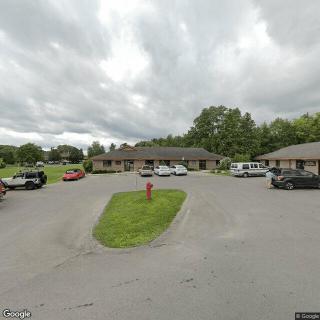


 A Detailed Exploration of Living Wills and Advance Directives
 Comprehensive Guide to Medicare Coverage for Hospice Care
 Caring for Those Who Care: Recognizing, Understanding, and Overcoming Caregiver Burnout