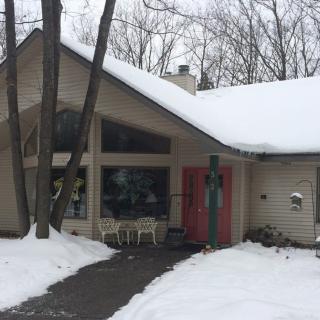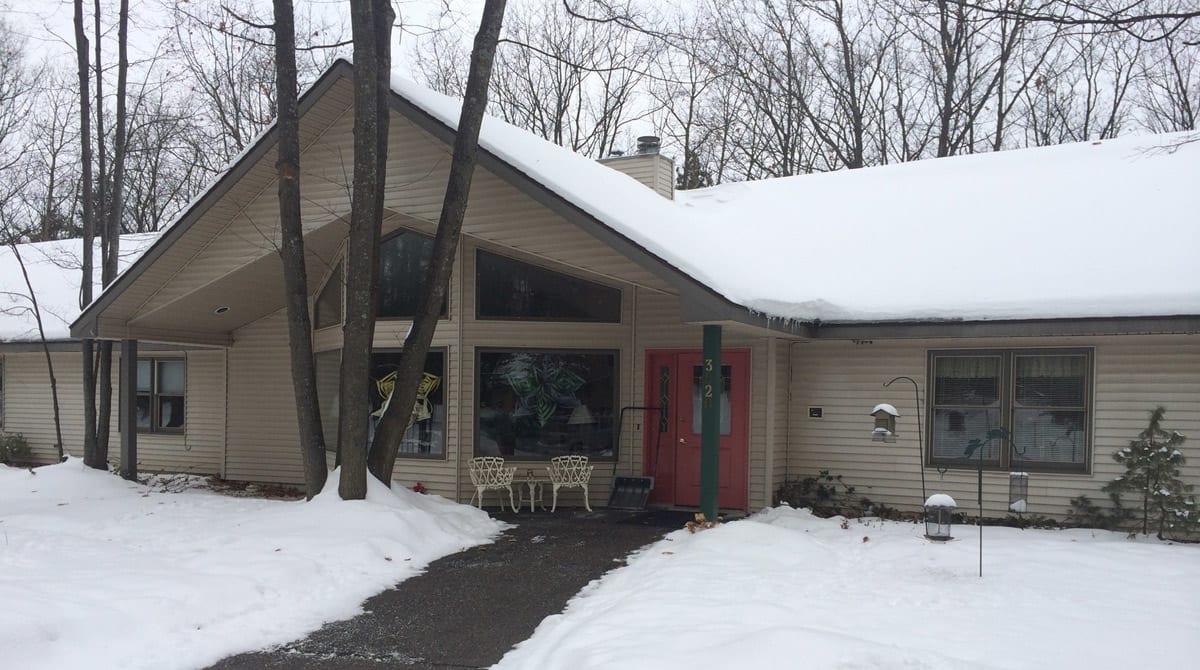
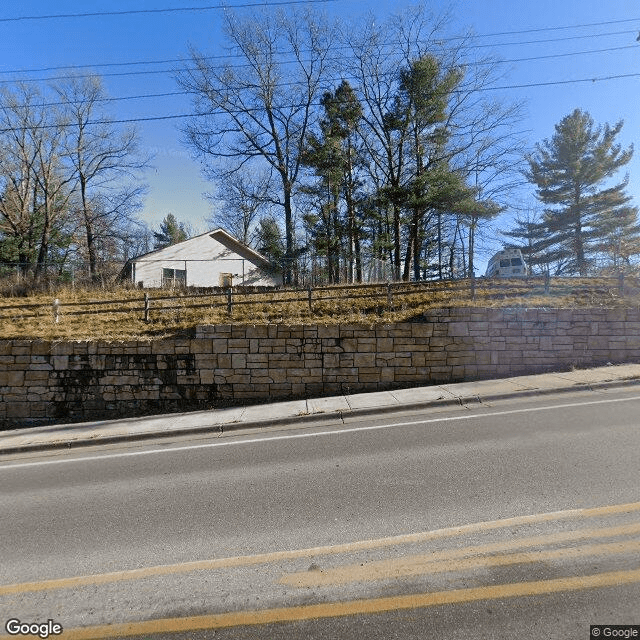
3020 Lafranier Rd, Traverse City, MI 49686
To contact a resident: (231) 933-1228
For more information about senior living options: (866) 208-4318
Southridge Assisted Living Costs & Pricing
Southridge Assisted Living offers competitive pricing for its studio accommodations, with a monthly cost of $2,900. This price is significantly lower than the average rates in Grand Traverse County, which stand at approximately $3,948, and even more favorable compared to the state-wide average of $3,824 in Michigan. By choosing Southridge, residents not only benefit from a comfortable living environment tailored to their needs but also enjoy substantial savings compared to other local and state options. This affordability combined with quality care makes Southridge an appealing choice for individuals seeking assisted living arrangements.
| Floor plans | Southridge Assisted Living | Grand Traverse County | Michigan |
|---|---|---|---|
| Studio | $2,900 | $3,948 | $3,824 |
Skilled Nursing Facilities with a similar price nearby
-
from +$225 / mo
Boardman Lake Glens
$3,125 to $4,575 / month0.8 miles away
Overall Review of Southridge Assisted Living
Pros
 Initially there were capable, caring people working there.
- She got her meds and insulin on time.
- The food was very good.
- There were a few good caretakers there.
Cons
 The facility is described as needing to be shut down because the staff do not care about residents.
- Families are completely disappointed by dirty conditions and the smell of urine in the halls.
- There are serious concerns about medical care, including possible mismanagement of insulin for a diabetic resident.
- The environment is portrayed as unprofessional and unsafe, with pills going missing and staff arriving late.
- Care reportedly declined after management changes, leading to malnutrition in residents.
- The facility is not licensed and lacks nurses, with toxic administration and untrained staff.
Review
Southridge Assisted Living in Traverse City is best suited for families and residents operating on a tight budget who can accept a lean, largely non-medical care model and rely on a vigilant advocate at hand. The reality reflected in these experiences is that success here hinges on active family involvement rather than a stable, professionally supervised care team. For someone who can largely manage daily tasks and who has relatives willing to monitor meals, safety, and routine, the community may serve as an affordable stopgap. Yet the fit is fragile; when oversight slips, the consequences become immediate and visible, undermining any long-term confidence in the arrangement.
Those with real medical needs should look elsewhere. Any resident requiring reliable medication administration, insulin oversight, regular nursing assessments, or ongoing health monitoring will quickly outpace what Southridge delivers. Hygiene and safety concerns have been repeatedly raised by families, including odors and perceived cleanliness issues, coupled with inconsistent staff attention. Potential residents must be prepared for frequent staff turnover, uneven caregiving quality, and a management culture that many describe as unresponsive. In short: this is not a setting for anyone who cannot advocate aggressively for themselves or a family member.
Among the scarce positives, cost savings stand out as the most tangible upside. Some former residents recall moments when meals were satisfactory and there were caregivers who demonstrated genuine concern. However, these bright spots do not create a reliable, repeatable standard of care. The affordability cannot compensate for the lack of licensed nursing on site, the absence of formal medication oversight, or the risk of nutritional shortfalls that have surfaced in family conversations. When patient safety and professional accountability are non-negotiable, the perceived advantages fade into the background and are quickly outweighed by the persistent, systemic deficits.
The central drawbacks are concrete and risky. The facility operates without on-site licensed nurses, relying on workers with minimal training to pass medications. Allegations of insulin mismanagement, missing pills, and unprofessional behavior among staff erode any remaining trust. Administration is described by multiple accounts as toxic, with overstretched, underpaid staff and a culture that discourages reporting concerns. Cleanliness issues, urine odors, visible messes, and lingering smells, combine with inconsistent meal quality to create an environment where neglect can hide in plain sight. Taken together, these factors establish a high-risk setting for vulnerable seniors.
Families that still consider Southridge should approach with a rigorous plan. Demand current licensure status, on-site nursing coverage, and a clearly documented medication-management protocol. Insist on a trial period with measurable benchmarks: timely administration of meds, meals that meet dietary needs, daily safety checks, and an escalation path for concerns. Visit at multiple times and speak privately with residents about daily care, while requesting access to state inspection reports and any corrective-action plans. If these assurances cannot be secured, the prudent path is to explore facilities with certified nursing on site, stronger staffing ratios, and transparent governance.
Overall, Southridge Assisted Living presents a high-stakes choice for families. The combination of low price and pronounced staffing and care gaps creates a risk profile that makes this option unsuitable for most seniors, especially those with medical fragility or cognitive challenges. Alternatives with licensed nurses on site, consistent staffing, and proven quality controls should be prioritized. If this community is considered, it should be treated as a last resort, accompanied by an explicit plan for ongoing reassessment and a clear exit strategy. The prudent course is to direct resources toward proven providers offering reliable medication management, clean environments, and vigilant oversight.
 Studio apartments
 Assisted Living
 Skilled Nursing Facility
 Cats allowed
 Dogs allowed
 Activities on-site
 Beautician on-site
 Devotional services off-site
 Housekeeping services
 Indoor common areas
 Laundry
 Resident parking
 Cherry Capital (1 miles away)
 Ambulatory care
 Diabetic care
 Incontinence care
 Medication management
 Meals provided
 English





 Comprehensive Insights into Activities of Daily Living (ADLs) and Their Assessment
 Medicare Coverage for Assisted Living: An In-Depth Exploration
 Choosing the Right Senior Care: A Detailed Exploration of Assisted Living and Nursing Homes