

3016 Lafranier Rd, Traverse City, MI 49686
To contact a resident: (231) 933-4339
For more information about senior living options: (866) 208-4318
Woodside Village Costs & Pricing
Woodside Village offers competitive pricing for its accommodations compared to both Grand Traverse County and the broader Michigan state averages. For private rooms, residents can expect to pay $2,500 per month, which is significantly lower than the county average of $3,936 and the state average of $3,675. Similarly, Woodside Village's one-bedroom units are priced at $2,700, again below Grand Traverse County's average of $3,038 and the state's average of $3,384. This pricing structure positions Woodside Village as an attractive option for those seeking quality living arrangements that provide significant savings relative to regional costs.
| Floor plans | Woodside Village | Grand Traverse County | Michigan |
|---|---|---|---|
| Private | $2,500 | $3,936 | $3,674 |
| 1 Bedroom | $2,700 | $3,038 | $3,384 |
Independent Living communities with a similar price nearby
-
from +$235 / mo

Samaritas Senior Living Traverse City
$2,735 to $4,285 / month6.0 miles away
Overall Review of Woodside Village
Pros
 The staff is wonderful.
- The staff is great.
- The food is good.
Cons
 The tour at Woodside Village was very bad.
- The reviewer was not impressed at all.
- There were only a couple of residents and no activities for them.
- Their loved one would have been left in her room doing nothing, which they did not want for her.
- The experience felt prison-like, with residents confined to their rooms most of the time.
- The room was outdated and not upgraded.
- They would not recommend Woodside Village Apartments.
Review
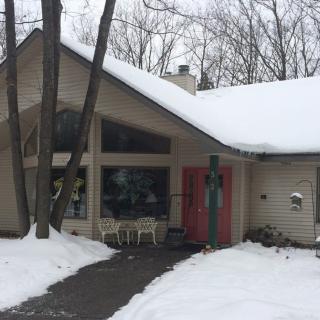
Woodside Village in Traverse City is best suited for seniors who want a quiet, low-stimulation environment anchored by consistently attentive staff and a location that keeps them near downtown amenities. The strongest selling point is dependable caregiving support within a setting that feels straightforward rather than glossy. For residents who value practical, predictable routines over elaborate programming, and who can tolerate older accommodations, Woodside Village offers a workable home base. The combination of a simple, easy-to-navigate layout and proximity to town in a wooded setting creates a sense of place that can be reassuring to those who prioritize safety, clear expectations, and personal attention from caregivers.
Those considering alternatives should note that this community often falls short on social engagement and activity depth. Tours frequently reveal a small resident population with little planned programming, which can leave a loved one idle for long stretches. In practice, independent-living labels can blur into a sense of confinement, especially when staff are relied upon for routine care yet programming remains sparse. For families seeking a vibrant social calendar, frequent organized activities, or visible peer interaction, Woodside Village is unlikely to deliver the level of engagement that keeps many seniors actively connected.
The most compelling positives are tangible and impactful where they matter most: the staff and the basics of daily living. The caregiving team is described as wonderful and responsive, and the dining is noted as decent, which helps offset some of the wear on the facility itself. An easy, uncomplicated layout can be a real asset for residents with mobility challenges, reducing the risk of frustration and disorientation. The community’s town-center location enhances access to errands and services, while the wooded surroundings contribute to a calm, domestic atmosphere that some residents find comforting and familiar.
However, the drawbacks are equally clear and substantive. A small resident population combined with limited programming creates a quiet, almost inert social scene that can feel isolating. The living spaces are described as outdated, with little effort toward modernization that would make daily life more comfortable or appealing. Moreover, there is a troubling disconnect at times between what is labeled as independent living and the level of assistance actually provided, medications and daily support occurring in a setting that lacks robust activity or clearly defined tiers of care. The overall impression is one of constrained freedom and limited opportunities for meaningful engagement.
For families evaluating options, several practical steps can clarify fit before moving in. Request a current activity calendar and ask for a week’s schedule to gauge how much structure is available. Inquire about staff-to-resident ratios and how care is managed for residents who require more than occasional assistance. Clarify what “independent living” covers in terms of medications, daily supervision, and access to on-site care if needs rise. Look for renovation plans or evidence of ongoing maintenance that would indicate a commitment to improving comfort and safety. Finally, observe multiple times, mealtimes, peak activity periods, and quiet hours, to assess whether the community’s pace aligns with the senior’s preferences.
In the end, Woodside Village presents a pragmatic choice for a specific profile: a resident who values dependable staff, straightforward daily life, and a central, quiet, town-adjacent setting more than a lively social scene or modern interiors. For those who crave robust programming, frequent resident interaction, and updated accommodations, alternatives are worth pursuing. The decision hinges on matching the senior’s social needs and desired pace of life with a community that can sustain meaningful engagement and clearly communicated levels of care. If safety, kindness, and location top the priority list, Woodside Village merits careful consideration; otherwise, a more active, contemporary option likely serves the long-term goals of independence and well-being more effectively.
 Independent Living
 Cats allowed
 Dogs allowed
 Cherry Capital (1 miles away)
 Medication management





 Comprehensive Guide to Qualifying for Home Health Care Services
 Powerful Realities of Elder Abuse and the Most Effective Ways to Report It
 Ten Vital Duties of a Senior Caregiver: A Comprehensive Guide