
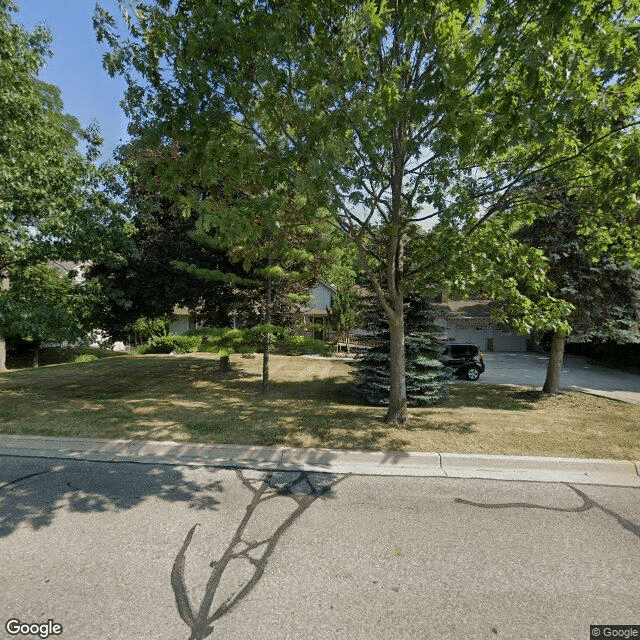
45750 W 11 Mile Road, Novi, MI 48374
To contact a resident: (248) 380-4663
For more information about senior living options: (866) 208-4318
Chateau of Novi Costs & Pricing
The Chateau of Novi offers competitive pricing for its residents, particularly when compared to the average costs in Oakland County and the broader Michigan region. For a semi-private room, residents can expect to pay $2,200 per month at Chateau of Novi, which is significantly lower than the county average of $3,204 and the state average of $3,191. Similarly, for those seeking a private room, the cost at Chateau of Novi is $3,200, again more affordable than both Oakland County's average of $3,708 and Michigan's statewide average of $3,675. These cost advantages reflect Chateau of Novi's commitment to providing quality care without compromising affordability.
| Floor plans | Chateau of Novi | Oakland County | Michigan |
|---|---|---|---|
| Semi-Private | $2,200 | $3,204 | $3,189 |
| Private | $3,200 | $3,708 | $3,674 |
Memory care communities with a similar price nearby
-
from +$75 / mo
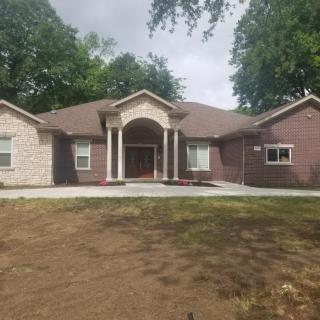
Pleasant Valley Family Care
$2,275 to $7,000 / month8.7 miles away -
from +$300 / mo

Lakeview Elderly Home
$2,500 / month12.8 miles away -
from -$400 / mo
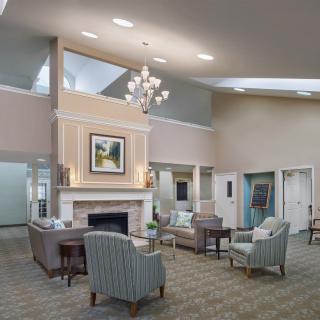
American House West Bloomfield Senior Living
$1,800 to $2,900 / month7.9 miles away -
About the same
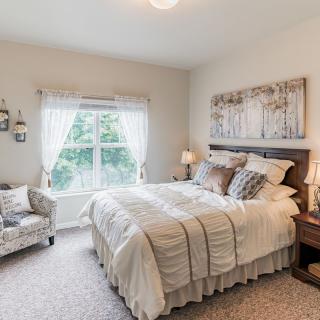
Town Village Sterling Heights
$2,233 / month24.0 miles away -
About the same
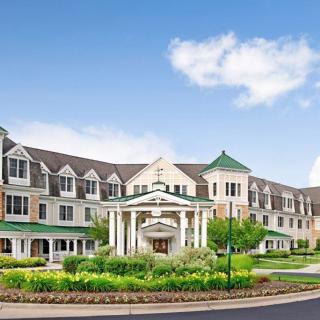
Sunrise Assisted Living of Bloomfield
$2,250 to $4,714 / month13.4 miles away
Overall Review of Chateau of Novi
Pros
 The director was very pleasant.
- Tami listened to the concern.
- The staff seemed very professional and knowledgeable.
- Residents were working on exercises.
- Everyone seemed happy.
- The facilities are well kept.
- The place was always very clean and smelled nice.
- Its location is the greatest asset.
Cons
 The director Tamisha did not return calls or texts, delaying the promised deposit refund.
- A large portion of the deposit remains unpaid.
- They would never do business with Tamisha or any of her locations.
- Chateau of Novi was terrible, with things broken in the place.
- There were no activities at Chateau of Novi.
- It was probably the worst place they had visited.
Review
Chateau of Novi is best suited for seniors who want a modest, clean, well-located residence in Novi and who value a calm, home-like setting over a polished, high-amenity facility. The community appears most fitting for residents who are comfortable with a smaller, neighborhood-style environment where staff are approachable and daily life centers on routine rather than a robust activity calendar. Families prioritizing proximity to a safe, attractive suburb, where security and cleanliness are evident, will likely feel at ease here. It suits older adults who do not require intensive medical oversight, but still appreciate on-site staff available for assistance and who want a readable, predictable neighborhood-day experience.
Those who should consider alternatives are families seeking strong, proactive administration and clear financial practices, or residents needing richer programming and higher staffing levels. One review highlights a deposit dispute that dragged on for years and a director who stopped returning calls, signaling potential governance and accountability risks. Another family referenced a welcoming tour and friendly staff, but the overall impression across accounts includes maintenance gaps and an uneven activity offering. If a resident requires consistent, transparent billing, timely refunds, or a robust schedule of structured activities, it makes sense to explore other Novi options.
On the upside, the property’s location in a well-regarded Novi area is repeatedly cited as a major asset, paired with good housekeeping, cleanliness and a pleasant odor profile, that contribute to a comfortable daily life. Even when the facility is described as modest, residents were reported to be engaged in light exercise on-site, and staff were described as amiable and professional in encounters. For families who value a calm, predictable environment and a sense that staff are approachable, these elements help offset the compact footprint of the home and the limited depth of programming.
Yet the negatives cannot be dismissed. The reports of things being broken, a less-than-ideal “converted home” atmosphere, and a sparse activities slate point to a setting that may feel less like a professional care institution and more like a private residence adapted for care. A lean staff can translate into slower responses and fewer opportunities for meaningful engagement throughout the day. The most troubling signal is a lingering deposit dispute and a director who is unavailable to resolve it, which raises questions about financial safeguards and administrative responsiveness, issues that families must weigh carefully when budgeting and planning transitions.
For decision-making, pursue concrete assurances: request a written, current activity calendar and staff-to-resident ratios; ask how maintenance requests are tracked and resolved; confirm the exact refund policy and current status of any deposit; verify how care plan reviews are conducted for residents who need daily support; and meet multiple staff members, not just the director, to gauge consistency. Visit at different times to observe programs in action, speak with several residents about their daily satisfaction, and probe whether the warm tone during tours matches day-to-day operations. If a comprehensive activity program and transparent financial practices are non-negotiable, this community should be compared against options with stronger operating traces.
In the end, Chateau of Novi offers a practical, location-forward choice for seniors seeking a clean, safe, modest setting with approachable staff and proximity to Novi’s amenities. It’s a viable fit for residents who prioritize daily calm, easy access to help, and a home-like feel over chandelier-level amenities. For families who demand rigorous programming, robust administrative accountability, and transparent, prompt financial handling, alternatives are worth pursuing. Tours should be treated as tests: watch how quickly needs are met, how programs evolve, and whether the administration demonstrates consistent follow-through. If those criteria align, Chateau of Novi can be a sensible, convenient option; if not, steer toward options with a stronger, demonstrable track record of care and governance.
 6 resident community capacity
 Studio apartments
 Assisted Living
 Board and Care Home
 Memory Care
 Respite Care
 Activities off-site
 Bath tubs
 Cable or satellite TV
 Devotional services off-site
 Dining room
 Fully furnished
 Garden
 Housekeeping services
 Indoor common areas
 Move-in coordination
 Outdoor common areas
 Private
 Private bathrooms
 Telephone
 Wi-Fi/high-speed internet available
 Detroit Metropolitan-Wayne County (20 miles away)
 24-hour supervision
 Assistance with bathing
 Assistance with dressing
 Assistance with transfers
 Diabetes diet
 Diabetic care
 High acuity care
 Hospice waiver
 Incontinence care
 Meal preparation and service
 Medication management
 Mental wellness program
 Special dietary restrictions
 Transportation arrangement (medical)
 Transportation to doctors appointments
 Christian services




 Exploring the Contrasts Between Assisted Living and Skilled Nursing
 Vibrant Senior Living: A Comprehensive Guide for Active Older Adults
 Assisted Living and Memory Care: Understanding Their Core Differences