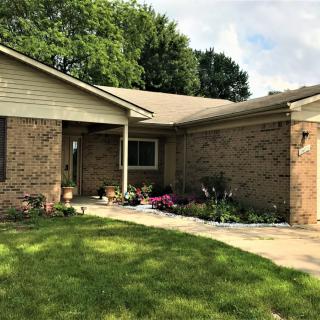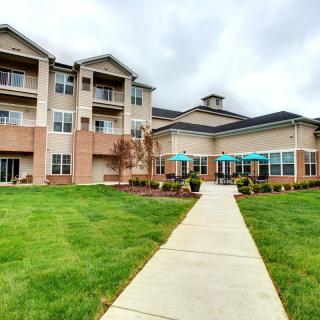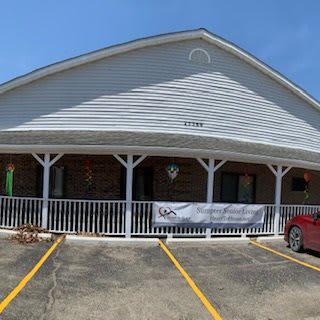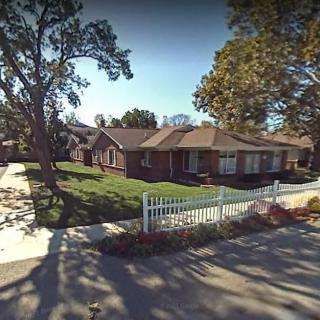
Alice Lorraine Care Center

Save
Alice Lorraine Care Center

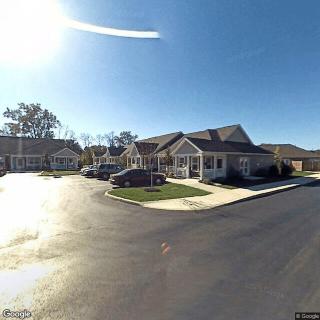
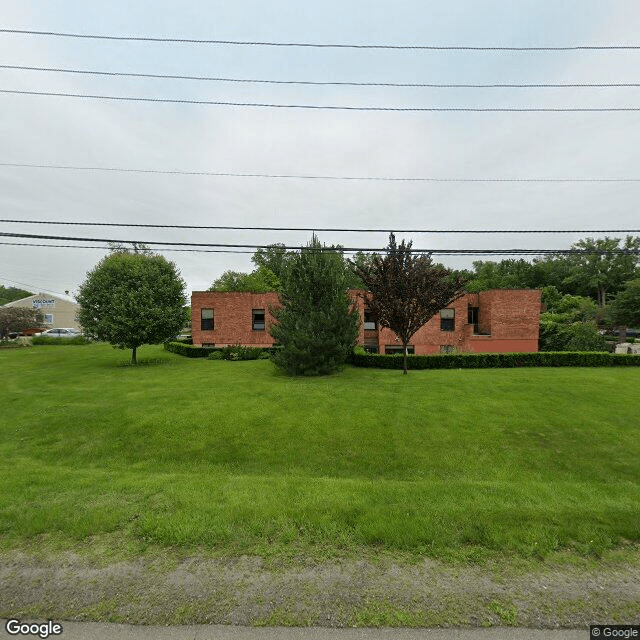
Alice Lorraine Care Center in Monroe, MI

2590 North Monroe Street, Monroe, MI 48161

For more information about senior living options: (844) 490-3973

3.9 from 16 reviews
5 stars
10
4 stars
1
3 stars
0
2 stars
3
1 stars
2

Assisted Living Board and Care Home Memory Care

Alice Lorraine Care Center Costs & Pricing

At Alice Lorraine Care Center, the monthly costs for accommodations reflect a premium compared to both Monroe County and the broader state of Michigan. For a studio room, residents are charged $4,000 per month, which is significantly higher than the county average of $3,214 and the state average of $3,824. Similarly, the cost for a one-bedroom unit is set at $4,600, outpacing the county's average of $2,613 and Michigan's statewide average of $3,384. While these prices may indicate a higher investment for residents seeking quality care and services in this facility, they also suggest a commitment to providing exceptional living conditions and support that can enhance overall well-being.

Floor plansAlice Lorraine Care CenterMonroe CountyMichigan
Studio$4,000$3,214$3,824
1 Bedroom$4,600$2,613$3,384

Overall Review of Alice Lorraine Care Center

Pros

  • pro The staff at Elderly Solutions are wonderful and knew how to care for residents with dementia.
  • pro Elderly Solutions feels like a home away from home, where residents are well cared for.
  • pro The facility has a very high staff-to-resident ratio, so each senior receives attentive care.
  • pro The environment is hygienic, uplifting, and peaceful.
  • pro ALCC is a charming, family-run business devoted to providing excellent assisted living.
  • pro Alice Lorraine Care Center is described as a premier facility with daily activities, an on-site doctor, and personalized dietary care.
  • pro The staff across these facilities are attentive, caring, and treat residents like family.

Cons

  • pro The staff at Alice Lorraine said she was violent, though she never hurt anyone there.
  • pro Alice Lorraine doesn't have a clue when it comes to dementia care.
  • pro They sent her out and wanted her to undergo a psych evaluation.
  • pro After hospital discharge, they didn't want her back.
  • pro They claim to be trained for memory care, however they are not.
  • pro The caregivers are nice but do not have the training to properly care for memory care residents.
  • pro The administrator is very unprofessional.
  • pro The lower level is like a basement; they do not keep it clean, it is dark and old.

Review

Alice Lorraine Care Center in Monroe, MI is best suited for families seeking a warm, hands-on, community-oriented environment where daily life centers on social activity, attentive staffing, and accessible medical oversight. The facility earns trust for its family-run ethos, with staff who are consistently described as caring and engaged, and for a pace of life that emphasizes interaction, meals tailored to individual needs, and regular in-house programming. This makes it a solid choice for seniors who want a bustling, home-like setting with plenty of staff attention and opportunities to participate in activities. It is less clearly ideal for residents who need highly specialized memory-care programming or a rigorously calm, antiseptic environment.

Alternatives should be considered for memory-care needs that demand formalized training and proven protocols. A notable portion of reviewers question the facility's depth of memory-care expertise and its ability to manage the behavioral challenges dementia can present. In addition, a handful of comments flag concerns about administration and upkeep - finishings and lighting in the lower level, which is described by some as older and less maintained. Families prioritizing a pristine, ultra-secure memory-care environment or requiring a consistently calm setting may want to compare options that emphasize disciplined memory-care training and heightened safety standards.

The strongest positives at Alice Lorraine - its high staff-to-resident ratio, evident staff dedication, and a beehive of activity around residents - translate into meaningful daily benefits. Residents appear to receive attentive, one-on-one interactions, and the facility's on-site medical presence, including access to doctors and nurse practitioners, supports timely care management. The setting is described as hygienic, uplifting, and well maintained by a leadership team that appears willing to invest in the facility's offerings. For families seeking robust engagement, customizable meals, and a lively program calendar, these factors often offset the periodical concerns raised by critics.

However, the cons carry weight when memory care or highly structured routines are paramount. Several reviews point to gaps in specialized dementia care - caregivers who are kind but not consistently equipped with dementia-specific training. Administerial professionalism is called into question by a few families, and safety and upkeep concerns on the lower level temper the otherwise strong impression. In practical terms, this means that while the care team can be warm and responsive, a resident with advanced memory-care needs or a family seeking a uniformly calm environment may encounter mismatches between expectations and operations. These factors are not universal, but they are persistent enough to influence risk calculations.

From a decision-making standpoint, the balance tilts toward Alice Lorraine for families who value an energized, personal-care approach and want their loved one to feel like part of a bustling community. The positive experiences - intimate attention from staff, engaging activities, dietary customization, and ready access to medical professionals - often outweigh occasional concerns about memory-care depth and facility age. For those with concerns about memory-care rigor or who require a more serene or tightly supervised setting, these gaps should be weighed against the facility's strengths, and alternative options that emphasize memory-specialized training pursued with formal protocols deserve careful comparison.

In concrete terms, families evaluating Alice Lorraine should visit with a focused checklist: observe interactions between staff and residents, inquire specifically about memory-care training and care plans for residents with dementia, review incident and response records, inspect the lower level for cleanliness and safety, and confirm how dietary needs are integrated into daily menus. Open conversations with current residents and their families about day-to-day life, staff responsiveness, and the feel of the environment will illuminate how the lived reality aligns with the glowing testimonials. If a calmer milieu or higher-level memory-care expertise is non-negotiable, project a short list of alternatives and compare them against the distinct advantages Alice Lorraine provides.

Bottom line: Alice Lorraine Care Center stands out as a high-touch, actively engaged community led by a devoted, family-oriented team. It is a strong match for seniors who thrive on activity, personalization, and visible staff presence, and for families seeking close-knit, home-like care with medical accessibility. It may be less suited for residents needing advanced memory-care specialization, ultra-strict safety protocols, or a consistently quiet atmosphere. For such cases, exploring alternatives - especially facilities with proven dementia-focused programs and stronger administrative stability - will be time well spent.

Features

Housing

  • 20 resident community capacity 20 resident community capacity

Types of Care

  • Assisted Living Assisted LivingAssisted living facilities provide crucial support and care for seniors who may need help with daily tasks such as medication management, bathing, and meal preparation. These communities offer a safe and comfortable environment where seniors can maintain their independence while receiving the assistance they need to thrive in their golden years.
  • Board and Care Home Board and Care HomeBoard and care homes provide a smaller, more intimate setting for seniors who require assistance with daily tasks but do not need the level of care offered by a nursing home. They offer personalized care, meals, and social activities in a homelike environment, ensuring that seniors receive individualized attention and support in their golden years.
  • Memory Care Memory CareMemory care is crucial for seniors as it provides specialized support and services for individuals with dementia or Alzheimer's disease. These programs offer a safe and secure environment where residents receive personalized care, cognitive stimulation, and help with daily activities. Memory care helps seniors maintain their independence, quality of life, and dignity while also providing peace of mind for their families.

Pets

  • Cats allowed Cats allowed"Pet friendly" senior living communities are important for seniors because pets provide companionship, reduce feelings of loneliness and depression, promote physical activity and mental stimulation, and offer a sense of purpose and responsibility. Pets can improve overall well-being and quality of life for seniors in many ways.

Amenities

  • Activities on-site Activities on-siteActivities on-site are important for seniors because they provide opportunities for socialization, mental stimulation, physical activity, and overall well-being. Engaging in activities can help seniors stay active, maintain their independence, and improve their quality of life.
  • Beauty salon Beauty salonBeauty salons are important for seniors because they provide a space for them to feel pampered, socialize, and maintain their personal grooming and hygiene. Regular visits to a beauty salon can help boost seniors' self-esteem and overall well-being.
  • Cable or satellite TV Cable or satellite TVCable or satellite TV is important for seniors because it provides entertainment, news, and companionship, helping to combat loneliness and boredom. It also offers a wide range of programming options tailored to different interests and preferences.
  • Devotional services off-site Devotional services off-siteDevotional services off-site are important for seniors as they provide spiritual nourishment, social engagement, and a sense of community outside of the senior living facility. This can enhance overall well-being and help combat feelings of isolation and loneliness often experienced by older adults.
  • Dining room Dining roomDining rooms are important for seniors as they provide a space for socialization, connection, and nutritious meals. They offer opportunities for residents to bond over shared meals, foster a sense of community, and promote healthy eating habits. Dining rooms also ensure that seniors have access to well-balanced meals tailored to their dietary needs and preferences.
  • Fully furnished Fully furnishedFully furnished senior living communities are important for seniors because they provide convenience, comfort, and a hassle-free moving experience. Seniors can easily settle into their new living space without the stress of having to buy and move furniture. This allows them to focus on enjoying their new home and community.
  • Garden GardenGardens are important for seniors as they provide a peaceful and therapeutic environment for relaxation, physical activity, and socialization. Being in nature has been shown to reduce stress, improve mood, and promote overall well-being. Gardens also offer opportunities for seniors to engage in gardening activities, which can improve mobility, flexibility, and cognitive function. Additionally, gardens create a sense of community and connection with others who share a passion for plants and outdoor spaces.
  • Housekeeping services Housekeeping servicesHousekeeping services are important for seniors because they help maintain a clean and safe living environment, promote independence, and reduce the risk of accidents or illnesses. Additionally, having assistance with household chores can alleviate physical strain and allow seniors to focus on other aspects of their well-being.
  • Indoor common areas Indoor common areasIndoor common areas are crucial for seniors as they provide a space for socialization, recreation, and community engagement, promoting overall well-being and reducing feelings of isolation and loneliness.
  • Kitchenette KitchenetteKitchenettes are important for seniors living in senior living communities because they provide the convenience and independence of being able to prepare simple meals and snacks in the comfort of their own living space. This can help promote a sense of autonomy and well-being for seniors, allowing them to maintain some level of control over their dietary choices and daily routines.
  • Move-in coordination Move-in coordinationMove-in coordination is important for seniors because it helps ease the transition into their new living environment. It ensures that all logistics, such as packing, organizing movers, and setting up utilities are taken care of, allowing seniors to focus on settling in and adjusting to their new home. Having a smooth move-in process can alleviate stress and anxiety, making the transition smoother and more enjoyable for seniors.
  • Outdoor space Outdoor spaceOutdoor spaces are important for seniors as they provide opportunities for physical activity, social interaction, exposure to natural light and fresh air, and a sense of connection to nature. Having access to outdoor spaces can improve overall well-being and quality of life for older adults living in senior communities.
  • Respite or short term stays offered Respite or short term stays offeredRespite or short term stays provide seniors with a temporary solution when their regular caregiver is unavailable, offering them the opportunity to receive additional care and support during times of need, while also giving caregivers a chance to rest and recharge.
  • Telephone TelephoneTelephones are important for seniors as they provide a lifeline for communication with loved ones, emergency services, and healthcare providers. They offer a sense of security and independence, enabling seniors to stay connected and access assistance when needed.
  • Wi-Fi/high-speed internet available Wi-Fi/high-speed internet availableWi-Fi/high-speed internet is important for seniors to stay connected with loved ones, access online resources, and participate in virtual activities to combat feelings of loneliness and isolation. It also allows them to easily manage healthcare needs, access entertainment, and engage in lifelong learning opportunities.

Transportation

  • Detroit Metropolitan-Wayne County (18 miles away) Detroit Metropolitan-Wayne County (18 miles away)

Care Services

  • 24-hour call system 24-hour call system24-hour call systems are important for seniors because they provide peace of mind and immediate assistance in case of emergencies. This technology ensures that help is always available, promoting safety and security for elderly individuals living alone or in assisted living facilities.
  • 24-hour supervision 24-hour supervision24-hour supervision is important for seniors to ensure their safety, well-being, and access to immediate assistance in case of emergencies or health issues. This constant support provides peace of mind for both seniors and their loved ones, allowing them to age in place with dignity and security.
  • Activities of daily living assistance Activities of daily living assistanceActivities of daily living assistance are important for seniors because they provide essential support with tasks such as eating, bathing, dressing, and mobility. This assistance helps seniors maintain their independence, dignity, and overall quality of life as they age.
  • Ambulatory care Ambulatory care"Ambulatory care services provide essential medical support and treatment to seniors without requiring hospitalization, allowing them to maintain their independence and quality of life while managing chronic conditions or receiving routine medical care."
  • Assistance with bathing Assistance with bathingAssistance with bathing is crucial for seniors as it helps maintain personal hygiene, prevents infections, and ensures their overall well-being and comfort. It also provides a sense of dignity and independence for seniors who may struggle with this task on their own.
  • Assistance with dressing Assistance with dressingAssistance with dressing is important for seniors because it helps maintain their independence, promotes personal hygiene, prevents accidents and injuries, and improves overall quality of life. This service ensures that seniors can continue to dress comfortably and confidently, despite any physical limitations they may have.
  • Assistance with transfers Assistance with transfersAssistance with transfers is crucial for seniors as it helps prevent falls and injuries, maintains their independence, and ensures they can safely navigate their living environment. It also provides peace of mind for both seniors and their loved ones.
  • Coordination with health care providers Coordination with health care providersCoordination with health care providers is crucial for seniors to ensure proper medical care, medication management, and overall well-being. This collaboration helps prevent overlapping treatments, track progress more effectively, and provide comprehensive support tailored to individual needs.
  • Dementia waiver Dementia waiverDementia waivers are essential for seniors as they provide critical protections and accommodations for those experiencing cognitive decline. These waivers ensure individuals with dementia receive appropriate care, support, and resources to maintain their quality of life and dignity as they navigate the challenges of this progressive condition.
  • Diabetes diet Diabetes dietA diabetes diet is crucial for seniors as it helps manage blood sugar levels, reduce risks of complications, and improve overall health and well-being. By following a balanced and nutritious diet tailored to their specific needs, seniors can better control their diabetes and enhance their quality of life.
  • Diabetic care Diabetic careDiabetic care is crucial for seniors as they are more susceptible to developing diabetes due to aging and other health conditions. Proper management of diabetes can help prevent complications such as heart disease, vision loss, and nerve damage, improving the overall quality of life for seniors in senior living communities.
  • Hospice waiver Hospice waiverHospice waivers are important for seniors because they allow individuals to receive specialized end-of-life care and support at home or in a hospice facility. This waiver ensures that seniors can access the necessary resources and services to maintain comfort and dignity during their final days.
  • Meal preparation and service Meal preparation and serviceMeal preparation and service are crucial for seniors as they may have limited mobility or energy to cook nutritious meals. Having access to healthy and convenient food options can ensure they are getting the proper nutrition needed to maintain their overall health and well-being.
  • Medication management Medication managementMedication management is crucial for seniors to ensure they are taking the right medications at the correct dosages and times. This helps prevent adverse drug interactions, reduces the risk of medication errors, and promotes overall health and well-being. Proactive management also allows for adjustments as needed based on changing health conditions or new prescriptions.
  • Mental wellness program Mental wellness programMental wellness programs are essential for seniors as they promote cognitive stimulation, emotional support, and social engagement. These programs help prevent isolation, depression, and cognitive decline, ultimately enhancing the overall quality of life for older adults.
  • Mild cognitive impairment Mild cognitive impairment"Mild cognitive impairment" is important for seniors because it is an early stage of cognitive decline that can potentially progress to more severe conditions such as dementia. Recognizing and addressing mild cognitive impairment can help seniors receive appropriate care and support to maintain their quality of life and independence for as long as possible.
  • Special dietary restrictions Special dietary restrictionsSpecial dietary restrictions are important for seniors because age-related changes in metabolism and health conditions can make it difficult for their bodies to process certain foods. By following a diet tailored to their specific needs, seniors can maintain their overall health and well-being, manage chronic conditions, and reduce the risk of complications such as malnutrition or food interactions with medications.
  • Specialized memory care programming Specialized memory care programmingSpecialized memory care programming is crucial for seniors with cognitive impairments such as dementia or Alzheimer's disease. These programs provide a safe and supportive environment tailored to the unique needs of individuals with memory loss, helping them maintain their independence, dignity, and quality of life.
  • Transportation arrangement (medical) Transportation arrangement (medical)Transportation arrangements for medical purposes are essential for seniors as they may have difficulty driving themselves to appointments or accessing public transportation. Having reliable and safe transportation options ensures that seniors can receive timely medical care and maintain their health and well-being.
  • Transportation to doctors appointments Transportation to doctors appointmentsTransportation to doctors' appointments is crucial for seniors as it ensures they have access to necessary medical care and support for their health needs. Without reliable transportation, seniors may struggle to attend important appointments, leading to potential delays in treatment and health complications. Providing transportation services helps seniors maintain their overall well-being and quality of life.

Dining

  • Diabetes diet Diabetes dietA diabetes diet is crucial for seniors as it helps manage blood sugar levels, reduce risks of complications, and improve overall health and well-being. By following a balanced and nutritious diet tailored to their specific needs, seniors can better control their diabetes and enhance their quality of life.
  • Meals provided Meals provided"Meals provided" are crucial for seniors in assisted living communities as it ensures they have access to nutritious, balanced meals without the stress of meal planning and preparation. This can help promote overall health and well-being for seniors who may have limited mobility or cognitive abilities.
  • Special dietary restrictions Special dietary restrictionsSpecial dietary restrictions are important for seniors because age-related changes in metabolism and health conditions can make it difficult for their bodies to process certain foods. By following a diet tailored to their specific needs, seniors can maintain their overall health and well-being, manage chronic conditions, and reduce the risk of complications such as malnutrition or food interactions with medications.

Activities

  • Activities on-site Activities on-siteActivities on-site are important for seniors because they provide opportunities for socialization, mental stimulation, physical activity, and overall well-being. Engaging in activities can help seniors stay active, maintain their independence, and improve their quality of life.
  • Community-sponsored activities Community-sponsored activitiesCommunity-sponsored activities are important for seniors as they provide opportunities for social interaction, mental stimulation, and physical activity. These activities can help improve overall well-being, combat loneliness and isolation, and promote a sense of belonging and purpose among older adults.
  • Devotional activities offsite Devotional activities offsiteDevotional activities offsite are important for seniors because they provide social engagement, spiritual growth, and a sense of community outside of their living environment. This can improve overall well-being, mental health, and combat feelings of isolation or loneliness.
  • Resident-run activities Resident-run activitiesResident-run activities are important for seniors as they encourage social interaction, creativity, and a sense of autonomy. These activities empower seniors to stay engaged and active in their community while fostering meaningful connections with their peers.
  • Scheduled daily activities Scheduled daily activitiesScheduled daily activities are important for seniors because they provide structure, socialization, mental stimulation, and physical activity. Engaging in regular activities can improve overall well-being and quality of life for seniors living in a community setting.

Description

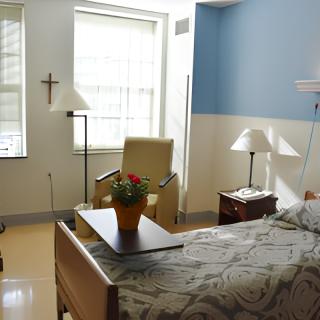
Alice Lorraine Care Center in Monroe, MI is a premier assisted living community offering personalized care and support for seniors. With a focus on providing a comfortable and safe environment, we offer various types of care including board and care home as well as memory care for those with special needs.

Our community boasts numerous amenities to enhance the quality of life for our residents. They can enjoy visiting our beauty salon for personal grooming needs or relax in the indoor common areas while enjoying cable or satellite TV. For spiritual fulfillment, devotional services off-site are available. Delicious meals are served in our dining room, and all accommodations come fully furnished. Residents have access to Wi-Fi/high-speed internet and housekeeping services ensure that their living space is always clean and comfortable.

At Alice Lorraine Care Center, we provide comprehensive care services to cater to the unique needs of each resident. Our dedicated staff offers 24-hour supervision and assistance with activities of daily living such as bathing, dressing, and transfers. We coordinate with health care providers for seamless healthcare management and provide specialized memory care programming for those with dementia or mild cognitive impairment.

Residents with specific dietary needs can benefit from our specialized meal preparation service which includes diabetes diet options. Medication management is also provided to ensure residents take their prescribed medications on time. Additionally, mental wellness programs are available to promote emotional well-being.

Transportation arrangements can be made for medical purposes or doctor's appointments to ensure residents have access to necessary healthcare services. For short-term stays or respite care, we offer flexible options.

In addition to the exceptional care we provide, there are various activities available within close proximity to our community. Nearby cafes, parks, pharmacies, physicians' offices, restaurants, places of worship, theaters, and hospitals provide easy accessibility for residents to enjoy recreational outings or fulfill their daily needs.

At Alice Lorraine Care Center in Monroe, MI, we strive to create an enriching environment where seniors can thrive and receive the care they deserve.

Nearby Places of Interest

This part of Monroe, Michigan offers a convenient mix of healthcare facilities, pharmacies, restaurants, parks, cafes, theaters, and places of worship in close proximity. With several physicians and specialists nearby, including orthopedics and eye care providers, residents have access to quality medical care. Additionally, there are multiple pharmacy options for prescription needs. The area also boasts a variety of dining choices ranging from fast food to sit-down restaurants like Culver's and Vaquero's. For recreational activities, there are parks such as Sterling State Park and River Raisin National Battlefield Park within a few miles for leisurely walks or picnics. Several cafes provide opportunities for socializing over coffee or a meal. Overall, this section of Monroe provides a well-rounded community with amenities that cater to the needs and interests of seniors looking for a vibrant and fulfilling lifestyle.

Physicians

  • Toledo Clinic - Intern (0.4 miles)
  • Horace George Levy (0.4 miles)
  • Frenchtown Orthopedics (1.1 miles)
  • Mercy Memorial Orthopedic Surgery Manor - Daniel Olenchak Do (1.1 miles)
  • Great Lakes Dialysis Center (1.2 miles)
  • Donahue Eyecare (1.3 miles)
  • ProMedica Physicians Eye Care - Monroe (1.4 miles)

Pharmacies

  • Walmart Pharmacy (0.8 miles)
  • Meijer Pharmacy (1.1 miles)
  • Walgreens (1.3 miles)
  • Hometown Pharmacy (1.5 miles)
  • Monroe Compounding Center (1.5 miles)
  • Yinger Pharmacy Shoppe (1.6 miles)
  • Walgreens (2.9 miles)

Restaurants

  • Culver's (1.1 miles)
  • Vaquero's (1.3 miles)
  • A&W Restaurant (1.4 miles)
  • Wendy's (1.9 miles)
  • Denny's (2 miles)
  • McDonald's (2 miles)
  • Taco Bell (2 miles)

Hospitals

  • Fresenius Medical Care (1.2 miles)
  • Monroe Health Center (1.7 miles)
  • Mercy Memorial Hospital (1.9 miles)
  • ProMedica Monroe Regional Hospital - Radiology (1.9 miles)

Parks

  • Sterling State Park (2.4 miles)
  • River Raisin National Battlefield Park (2.8 miles)
  • Huroc Park (11 miles)
  • Lake Erie Metropark (12 miles)
  • Willow Park Pond (12.4 miles)
  • Willow Metro Park (12.9 miles)
  • Vienna Park (14 miles)

Cafes

  • Panera Bread (2.4 miles)
  • Tim Hortons (2.9 miles)
  • Farmers Cafe (7.2 miles)
  • Tim Hortons (11.9 miles)
  • Biggby Coffee (12.1 miles)
  • Tim Hortons (12.3 miles)

Theaters

  • Phoenix Theatres Monroe Movie Line (2.7 miles)

Places of Worship

  • Trinity Lutheran Church (2.9 miles)
  • St Vincent De Paul Society (4 miles)
  • Southpoint Church (14.2 miles)

Frequently Asked Questions

How much does it cost to live at Alice Lorraine Care Center in Monroe, MI?
Where is Alice Lorraine Care Center?
Does Alice Lorraine Care Center provide care for residents with dementia or Alzheimer's disease?
Does Alice Lorraine Care Center allow residents to have pets?

Nearby Communities

  • Alice Lorraine Care Center 2

    Alice Lorraine Care Center 2

    Monroe, MI


    pro Small, intimate 18-bed community offering memory care, 24-hour supervision, ADL support, furnished living, meals and housekeeping, plus transportation and mental wellness programs.

  • Elderly Solutions

    Elderly Solutions

    Monroe, MI

    4.6 from 30 reviews
    $4,500 to $5,250 / month

    pro Caring, attentive staff in a small, clean, family-like community.

  • Vivian Home

    Vivian Home

    Frenchtown, MI


    pro Small, fully furnished assisted living with 24-hour supervision and personalized care.

  • Fountain View Of Monroe

    Fountain View Of Monroe

    Monroe, MI

    4.2 from 74 reviews
     

    pro Compassionate staff with strong nursing and rehab support; clean, well-maintained environment with engaging activities.

  • Fountian View of Monroe

    Fountian View of Monroe

    Monroe, MI

    4.2 from 67 reviews
     

    pro Strong therapy program with 24/7 nursing and friendly staff.

  • Promedica Monroe Skilled Nursing And Rehab

    Promedica Monroe Skilled Nursing And Rehab

    Monroe, MI


    pro 24/7 supervision with comprehensive SNF care and restaurant-style dining.

  • Ihm Senior Living Community

    Ihm Senior Living Community

    Monroe, MI

     
    $4,200 / month

    pro Extensive care and amenities with 24/7 support and restaurant-style dining.

  • Creekside Village

    Creekside Village

    Monroe, MI

    3.7 from 6 reviews
     

    pro Friendly staff, spacious rooms, affordable pricing, and a cozy cottage-like community.

  • Hampton Manor of Woodhaven

    Hampton Manor of Woodhaven

    Woodhaven, MI

    3.4 from 53 reviews
    $3,900 to $4,750 / month

    pro Beautiful setting with engaged staff and robust activity options.

Related Resources

  • assisted living waiver programA Detailed Exploration of Assisted Living Medicaid Waivers Across the United States

    Medicaid waivers for assisted living services provide vital support for seniors and individuals with disabilities in need of long-term care, with varying state-specific eligibility criteria and benefits. These waivers cover personal care and case management but often do not fully cover room and board, leading to waiting lists for many applicants.

  • assisted living vs skilled nursingExploring the Contrasts Between Assisted Living and Skilled Nursing

    The article compares assisted living and skilled nursing facilities, detailing their differing levels of assistance, medical support, cost structures, and day-to-day experiences. It emphasizes that assisted living is for those needing help with daily activities while maintaining independence, whereas skilled nursing facilities provide intensive medical care with 24-hour staff supervision.

  • active senior livingVibrant Senior Living: A Comprehensive Guide for Active Older Adults

    Vibrant Senior Living emphasizes active senior living communities that promote independence and engagement through diverse amenities and activities, fostering wellness and social interaction among older adults. These communities range from independent to assisted living, with a focus on personal growth, family involvement, financial planning, and leveraging technology to enhance residents' experiences.