Promedica Monroe Skilled Nursing And Rehab in Monroe, MI
Promedica Monroe Skilled Nursing And Rehab is a nursing home community in Monroe, MI.
Information last verified:
700 Stewart Road, Monroe, MI 48161
For more information about senior living options: (866) 208-4318
3.8 from 74 reviews
5 stars
46
4 stars
6
3 stars
3
2 stars
1
1 stars
18
Overall Review of Promedica Monroe Skilled Nursing And Rehab
differentiator17 reviews mention this
Rehab therapy gets high marks
Physical and occupational therapy is a consistent bright spot in residents’ experiences.
Many reviewers point to therapy—especially physical and occupational therapy—as a key reason they felt they improved enough to return home. Several also highlight therapists working hard on strength, balance, and getting patients moving after surgeries or setbacks. A few reviews call out therapy staff by name, describing them as knowledgeable and patient. Even among more mixed comments, therapy is often singled out as better than other parts of the stay.
common26 reviews mention this
Care staff are described as kind
Residents and families frequently describe the care team as kind and attentive.
Across the reviews, people repeatedly say they felt cared for—mentioning kindness, attentiveness, and responsiveness to patients and families. Some reviewers describe nurses and nursing assistants as caring and knowledgeable, including ongoing check-ins during longer stays. Communication and being kept informed also comes up, with families saying they felt involved and supported. At the same time, a handful of reviews note problems with timeliness or follow-through, which can affect how steady the experience feels day to day.
caveat5 reviews mention this
Food quality is a recurring complaint
Meals are a frequent source of disappointment for residents and families.
While some people mention food in passing, multiple reviewers are specific that the food quality was poor or not enjoyable. Several describe meals as not tasty, mismatched, or served in a way that didn’t support recovery as expected. This lines up with the dining approach listed for dietary needs, including diabetes-related and special dietary restrictions. Reviews that call out food issues tend to be among the strongest negatives, making it one of the more divisive day-to-day areas.
caveat5 reviews mention this
Staffing and wait times vary
Several residents describe delays when care staff are stretched.
Some reviewers say they had to wait longer than they would like—linking it to not having enough care staff to respond as quickly as they wanted. A few negative reviews describe more serious breakdowns in routine care or delays, which directly impacted comfort and safety. In contrast, other reviews describe responsive care and quick communication, suggesting experiences can differ depending on the unit and timing. Overall, staffing coverage is a theme that affects day-to-day reliability.
caveat4 reviews mention this
Cleanliness and rooms split opinions
Cleanliness is described both positively and negatively in reviews.
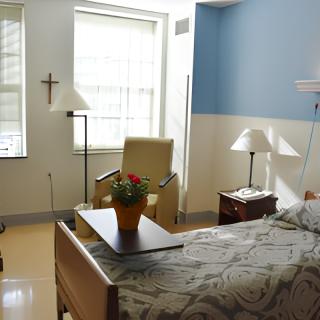
Several reviewers mention the building being very clean and describe private rooms as a positive part of the stay. Others are more critical, with at least one reviewer saying housekeeping felt nonexistent. Room design also comes up in positive comments, including praise for private spaces. Taken together, cleanliness and room upkeep seem to vary across experiences.
common2 reviews mention this
Nearby medical options are close
There are nearby healthcare and prescription options for families to use.
The listings around the community include medical and pharmacy options within about a mile, which can make it easier to handle appointments and prescriptions while a loved one is receiving care. Several categories are represented, including physician offices, hospitals, and a pharmacy. This kind of proximity is helpful when frequent outpatient steps or medication changes are involved.
How we summarize
Counts show how many written reviews mention each theme; a review can touch several themes, and only frequently mentioned themes are displayed.
Features
Housing
89 resident community capacity
Types of Care
Skilled Nursing Facility
Amenities
Air-conditioning
Beauty salon
Cable or satellite TV
Computer center
Dining room
Fitness room
Fully furnished
Gaming room
Garden
Housekeeping services
Kitchenette
Move-in coordination
Outdoor space
Private bathrooms
Restaurant-style dining
Small library
Telephone
Wellness center
Wi-Fi/high-speed internet available
Transportation
Detroit Metropolitan-Wayne County (19 miles away)
Community operated transportation
Transportation arrangement
Transportation arrangement (non-medical)
Transportation to doctors appointments
Care Services
12-16 hour nursing
24-hour call system
24-hour supervision
Activities of daily living assistance
Assistance with bathing
Assistance with dressing
Assistance with transfers
Diabetes diet
Meal preparation and service
Medication management
Mental wellness program
Special dietary restrictions
Dining
Diabetes diet
Special dietary restrictions
Activities
Community-sponsored activities
Concierge services
Fitness programs
Planned day trips
Resident-run activities
Scheduled daily activities
Nearby Places of Interest
Physicians
Great Lakes Dialysis Center (0 miles)
Donahue Eyecare (0.1 miles)
Frenchtown Orthopedics (0.4 miles)
Mercy Memorial Orthopedic Surgery Manor - Daniel Olenchak Do (0.4 miles)
ProMedica Physicians Eye Care - Monroe (0.5 miles)
Omega Laser Therapy (0.6 miles)
Monroe Gastroenterology Clinic (0.6 miles)
Hospitals
Fresenius Medical Care (0 miles)
Monroe Health Center (0.8 miles)
Mercy Memorial Hospital (1 miles)
ProMedica Monroe Regional Hospital - Radiology (1 miles)
The article examines living wills and advance directives, highlighting their significance in expressing healthcare preferences for those unable to communicate due to illness or incapacity. It discusses their historical development, legal components, limitations, practical drafting advice, and the importance of clear communication among families and healthcare professionals regarding end-of-life decisions.
Hospice care focuses on providing comfort and support for individuals nearing the end of life, with Medicare Part A covering services like nursing care and counseling for patients with a terminal illness and a life expectancy of six months or less. While most hospice services are low-cost for eligible patients, families should be aware that certain expenses, such as room and board, may not be covered.
Caregiver burnout is a common issue resulting from the intense physical, emotional, and mental demands of caregiving, leading to symptoms like fatigue and social withdrawal. To prevent burnout, caregivers should recognize early warning signs and implement self-care strategies, seek support, and prioritize their own well-being alongside that of those they care for.
Get PricingAsk A QuestionSchedule A TourContact Senior Advisor
By clicking submit, you agree to our Partner's Terms of Use. You
also consent to receive calls and texts, which may be autodialed, from our Partner. Your consent is not a condition to
using our Partner's service. Please visit our Partner's Privacy Policy for information about their privacy practices.

 89 resident community capacity
 Skilled Nursing Facility
 Air-conditioning
 Beauty salon
 Cable or satellite TV
 Computer center
 Dining room
 Fitness room
 Fully furnished
 Gaming room
 Garden
 Housekeeping services
 Kitchenette
 Move-in coordination
 Outdoor space
 Private bathrooms
 Restaurant-style dining
 Small library
 Telephone
 Wellness center
 Wi-Fi/high-speed internet available
 Detroit Metropolitan-Wayne County (19 miles away)
 Community operated transportation
 12-16 hour nursing
 24-hour call system
 Activities of daily living assistance
 Assistance with bathing
 Assistance with dressing
 Assistance with transfers
 Diabetes diet
 Medication management
 Mental wellness program
 Special dietary restrictions
 Concierge services
 Planned day trips
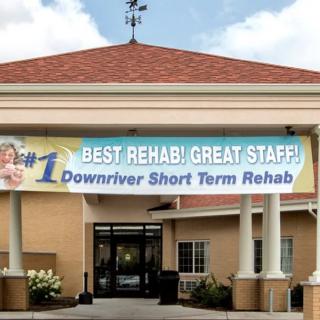
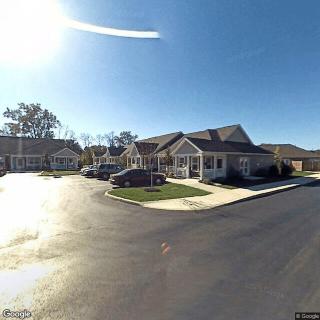
 Small, intimate community with personalized care and comprehensive services.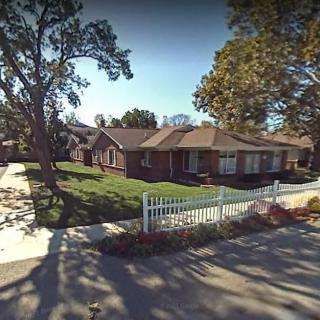


 A Detailed Exploration of Living Wills and Advance Directives
 Comprehensive Guide to Medicare Coverage for Hospice Care
 Caring for Those Who Care: Recognizing, Understanding, and Overcoming Caregiver Burnout