For more information about senior living options: (866) 208-4318
3.7 from 68 reviews
5 stars
43
4 stars
3
3 stars
0
2 stars
3
1 stars
19
Hampton Manor of Woodhaven Costs & Pricing
Hampton Manor of Woodhaven offers a range of monthly costs that reflect both its premium services and the competitive landscape of assisted living in the area. For a studio apartment, residents can expect to pay $3,900, which is notably higher than both the Wayne County average of $3,495 and the state average of $3,824. The one-bedroom units are similarly positioned at $4,300, exceeding the local county cost of $3,210 and the statewide figure of $3,384. Finally, for those seeking more space in a two-bedroom setting, Hampton Manor's price point of $4,750 stands out against Wayne County's average of $3,452 and Michigan's average of $3,523. These figures suggest that while Hampton Manor may be on the higher end of pricing compared to local and state averages, they likely offer enhanced amenities and care tailored to meet the needs of their residents.
Floor plans
Hampton Manor of Woodhaven
Wayne County
Michigan
Studio
$3,900
$3,495
$3,824
1 Bedroom
$4,300
$3,210
$3,384
2 Bedrooms
$4,750
$3,452
$3,523
Memory care communities with a similar price nearby
Residents and families frequently mention that Hampton Manor feels clean and well maintained.
Many reviews describe the facility as clean, bright, and well kept, with a warm or welcoming feel. Several also point to the overall environment—like it smelling good or looking nicely designed—as part of why they felt comfortable visiting or moving in. A smaller set of reviews call out that appearance doesn’t match the care they experienced, but even those reviewers still mention the property’s aesthetics.
common20 reviews mention this
Staff care and daily support
A recurring theme is whether residents receive attentive, respectful help from staff.
Positive reviews commonly describe staff as caring, respectful, and attentive, including help with daily needs and consistent check-ins. Some families say the team listens, acts on requests, and keeps them informed. On the other hand, multiple critical reviews describe problems with staffing levels, slow responses to call alerts, or inconsistent follow-through—suggesting the day-to-day experience can vary.
differentiator9 reviews mention this
Dining fits different needs
Restaurant-style dining and room service show up in both amenities and resident comments.
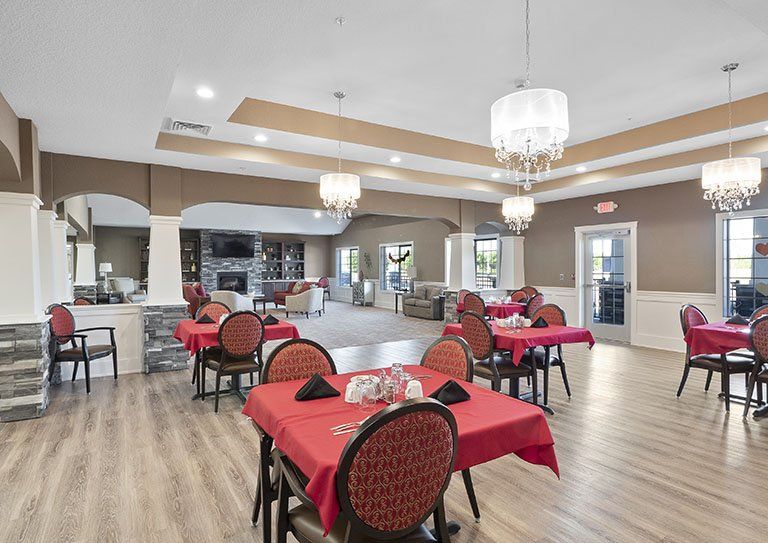
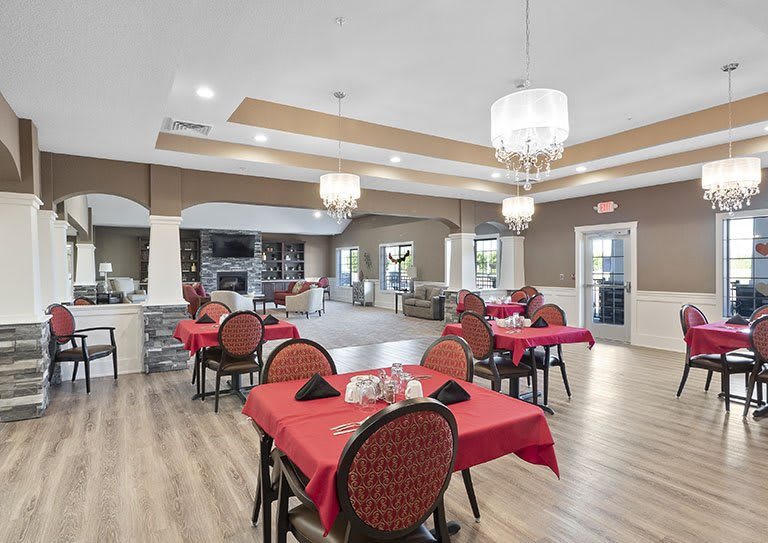
Food is mentioned often in a positive way, with families describing great food and residents enjoying meals. Reviews also connect mealtime with overall support and comfort. The community also offers restaurant-style dining and room service, plus meal options for special diets and guest meals.
common10 reviews mention this
Activities keep residents engaged
Residents frequently describe activities that help them stay busy and connected.
Several reviews highlight an engaging activities program, including entertainment and group events, and they describe residents as participating and enjoying themselves. Families also mention outings, crafts, and opportunities that made daily life feel fuller. This lines up with the community offering scheduled daily activities, day trips and outings, fitness programs, and live performances.
caveat6 reviews mention this
Care concerns in memory care
Some residents in memory care are described as not receiving the level of help families expected.
A recurring set of reviews—especially those referencing memory care—complain about missed hygiene, delayed responses, and difficulties getting assistance when needed. Some describe specific situations like prolonged time in a chair and concerns about feeding support, along with worries about the consistency of staffing and training. While other reviewers report positive outcomes in memory care, these critical accounts are specific enough to be a key caveat to weigh.
caveat
Price runs above nearby benchmarks
Pricing is shown as above county and state benchmarks across unit types.
The listed price ranges for studios and one- and two-bedroom units run above the provided county and state reference points. Some reviewers also express frustration about value—stating they had to arrange extra help to cover day-to-day needs. If budget is a major factor, it’s worth comparing what’s included in care and support to your expectations for daily assistance.
How we summarize
We summarize when many written reviews mention each theme; a review can touch several themes, and only frequently mentioned themes are displayed.
Features
Housing
113 resident community capacity
Types of Care
Assisted Living
Independent Living
Memory Care
Pets
Cats allowed
Dogs allowed
Amenities
Activities off-site
Activities on-site
Air-conditioning
Beautician on-site
Beauty salon
Cable or satellite TV
Computer center
Devotional services off-site
Devotional services on-site
Dining room
Fitness room
Fully furnished
Gaming room
Garden
Housekeeping services
Indoor common areas
Kitchenette
Move-in coordination
Outdoor common areas
Outdoor space
Private bathrooms
Respite or short term stays offered
Restaurant-style dining
Small library
Telephone
Wellness center
Wheelchair accessible showers
Wi-Fi/high-speed internet available
Transportation
Detroit Metropolitan-Wayne County (8 miles away)
Community operated transportation
Transportation arrangement
Transportation arrangement (non-medical)
Care Services
12-16 hour nursing
24-hour call system
24-hour supervision
Activities of daily living assistance
Ambulatory care
Assistance with bathing
Assistance with dressing
Assistance with transfers
Coordination with health care providers
Diabetes diet
Diabetic care
High acuity care
Incontinence care
Meal preparation and service
Medication management
Mental wellness program
Mild cognitive impairment
Special dietary restrictions
Specialized memory care programming
Transportation arrangement (medical)
Transportation to doctors appointments
Dining
Diabetes diet
Guest meals
Meals provided
Professional chef
Restaurant style dining
Room service
Special dietary restrictions
Activities
Art classes
Community-sponsored activities
Concierge services
Day trips and outings
Devotional activities offsite
Devotional activities on-site
Educational speakers / life long learning
Fitness programs
Live dance or theater performances
Live musical performances
Live well programs
Other religious services
Planned day trips
Resident-run activities
Scheduled daily activities
Stretching classes
Nearby Places of Interest
Woodhaven, Michigan offers a convenient and accessible location with a variety of amenities for senior living. The area boasts several parks such as Civic Center Park and Huroc Park, providing opportunities for outdoor activities and relaxation. Additionally, there are numerous dining options nearby including Big Boy, Chick-Fil-A, and local cafes like Biggby Coffee. Medical needs can easily be met with multiple pharmacies, hospitals like Henry Ford Medical Center-Woodhaven, and physicians offices in close proximity. For those who enjoy travel or have visitors flying in, the Detroit Metropolitan Wayne County Airport is just 8 miles away with transportation services available. Overall, Woodhaven provides a comfortable and well-rounded community for seniors to settle down and enjoy their retirement years.
Parks
Civic Center Park (0.7 miles)
Huroc Park (3.1 miles)
Lake Erie Metropark (4.1 miles)
Willow Metro Park (6.1 miles)
Heritage Park (6.4 miles)
Willow Park Pond (6.5 miles)
BASF Park (7 miles)
Restaurants
Big Boy (1 miles)
McDonald's (1 miles)
Taco Bell (1.3 miles)
Maverick’s (1.3 miles)
Olympic Coney Island (1.3 miles)
Burger King (1.4 miles)
Chick-Fil-A (1.5 miles)
Pharmacies
Rite Aid (1.1 miles)
Walgreens (1.3 miles)
CVS Pharmacy (1.4 miles)
Rite Aid (2.9 miles)
CVS Pharmacy (3.2 miles)
CVS Pharmacy (3.7 miles)
Rockwood Pharmacy PC (3.8 miles)
Places of Worship
Our Lady of the Woods (1.6 miles)
Southpoint Church (2 miles)
Hospitals
Henry Ford Medical Center - Woodhaven (1.8 miles)
Dr. Dino d'Aloisio (7.2 miles)
Henry Ford Wyandotte Hospital (7.8 miles)
Cafes
Biggby Coffee (2.1 miles)
Tim Hortons (2.1 miles)
Tim Hortons (2.2 miles)
Starbucks (5.1 miles)
Panera Bread (5.1 miles)
Sugarr Donuts (6.4 miles)
Farmers Cafe (8.2 miles)
Physicians
Dr Kristine Kaiser, Md Cardiologist (2.3 miles)
Michigan Institute-Urology (3.3 miles)
Henry Ford Rockwood Practice (4 miles)
Family Health PC (4.3 miles)
Lung and Sleep Disorders Center (4.7 miles)
Michigan Center For Oral Surgery (4.9 miles)
Castleman Eye Center (6.1 miles)
Transportation
Detroit Metropolitan Wayne County Airport (DTW) (8 miles)
Delta Sky Club (8.1 miles)
Detroit Airport Ground Transportation Center (8.1 miles)
Hampton Manor of Woodhaven offers a range of monthly costs that reflect both its premium services and the competitive landscape of assisted living in the area. For a studio apartment, residents can expect to pay $3,900, which is notably higher than both the Wayne County average of $3,495 and the state average of $3,824. The one-bedroom units are similarly positioned at $4,300, exceeding the local county cost of $3,210 and the statewide figure of $3,384. Finally, for those seeking more space in a two-bedroom setting, Hampton Manor's price point of $4,750 stands out against Wayne County's average of $3,452 and Michigan's average of $3,523. These figures suggest that while Hampton Manor may be on the higher end of pricing compared to local and state averages, they likely offer enhanced amenities and care tailored to meet the needs of their residents.
Hampton Manor of Woodhaven's array of features is strategically designed to support residents with dementia and Alzheimer's disease, ensuring a holistic approach to their care. The 24-hour supervision provides constant safety and reassurance, while assistance with activities of daily living--including bathing, dressing, and transfers--enhances residents' comfort and dignity. Coordination with health care providers ensures that medical needs are met promptly, while incontinence care maintains hygiene and dignity. Meal preparation and service cater not only to nutritional needs but also foster familiarity through consistent meal routines. Medication management prevents errors and supports health stability, while a dedicated mental wellness program addresses cognitive challenges effectively. Specialized memory care programming focuses on engaging residents at various stages of cognitive impairment, creating meaningful moments tailored to their abilities. Finally, transportation arrangements for medical appointments ensure that residents receive necessary healthcare without added stress or confusion.
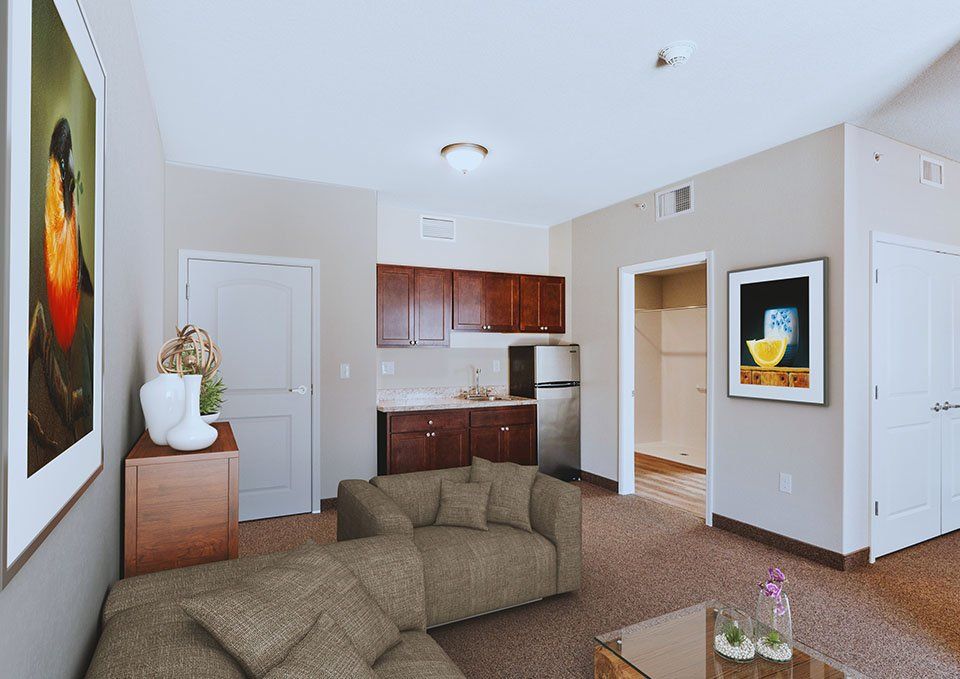
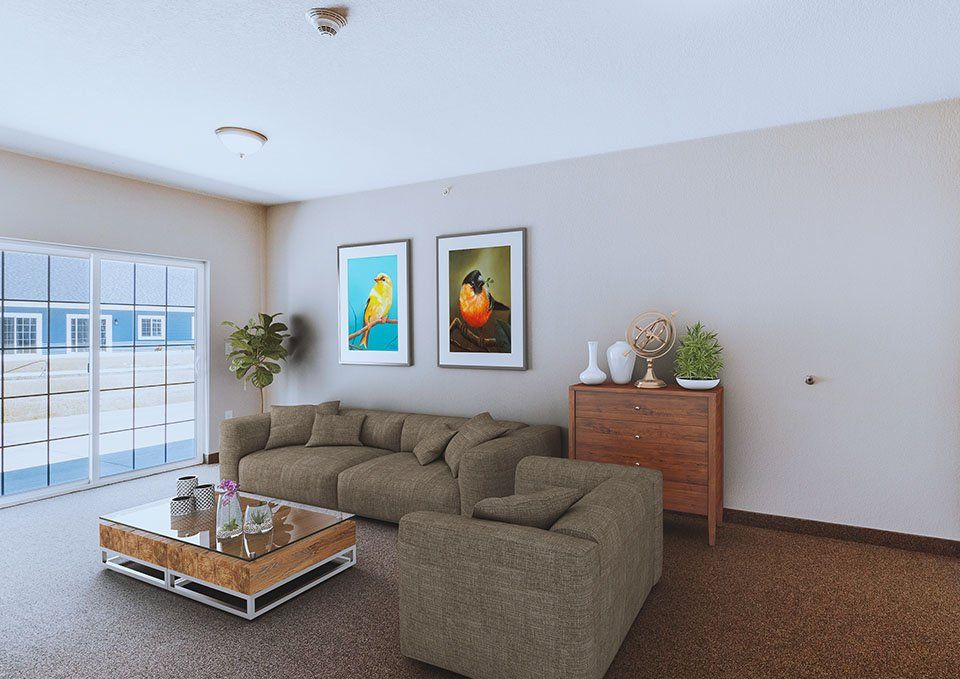
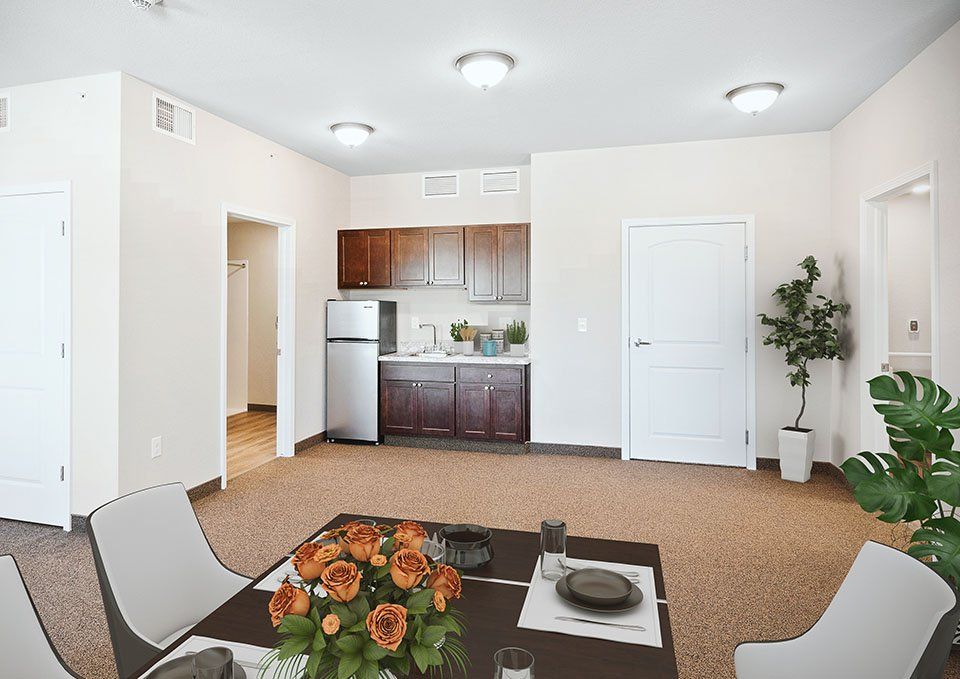
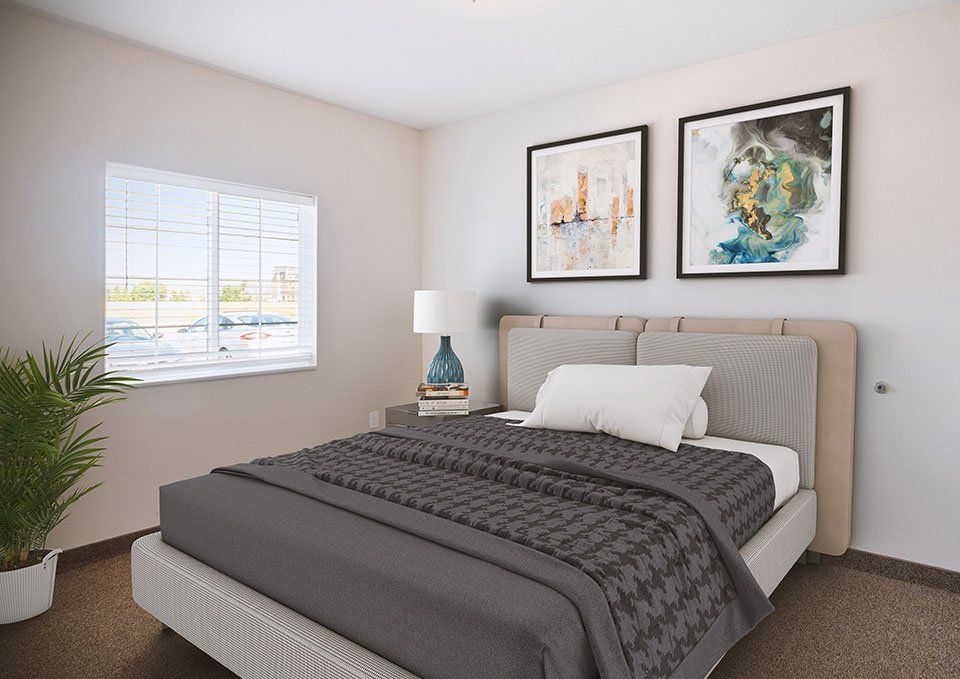
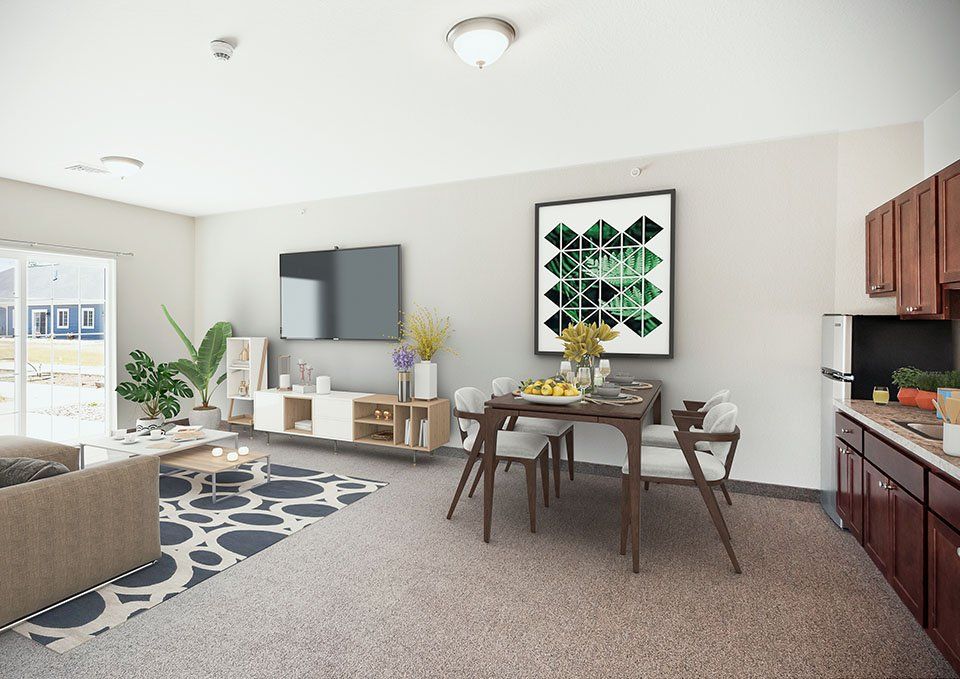
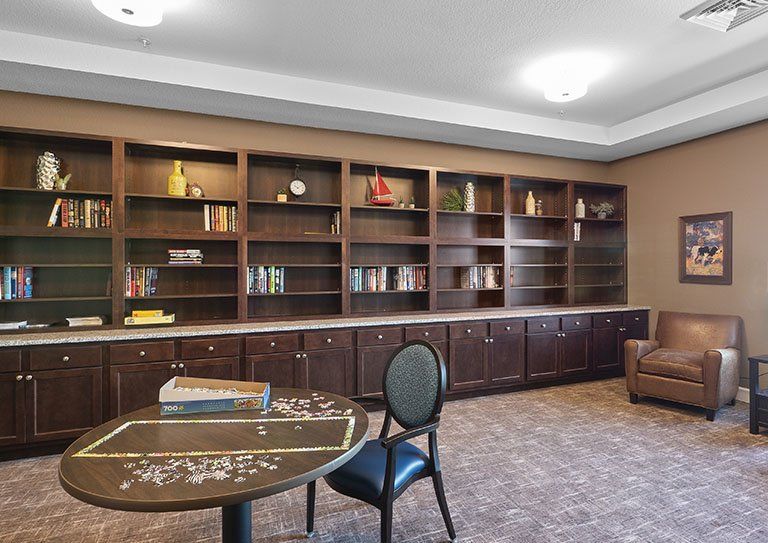
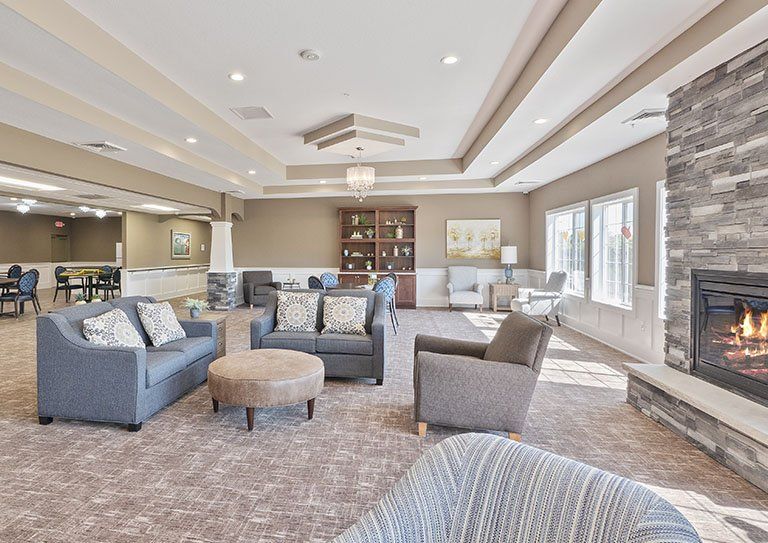
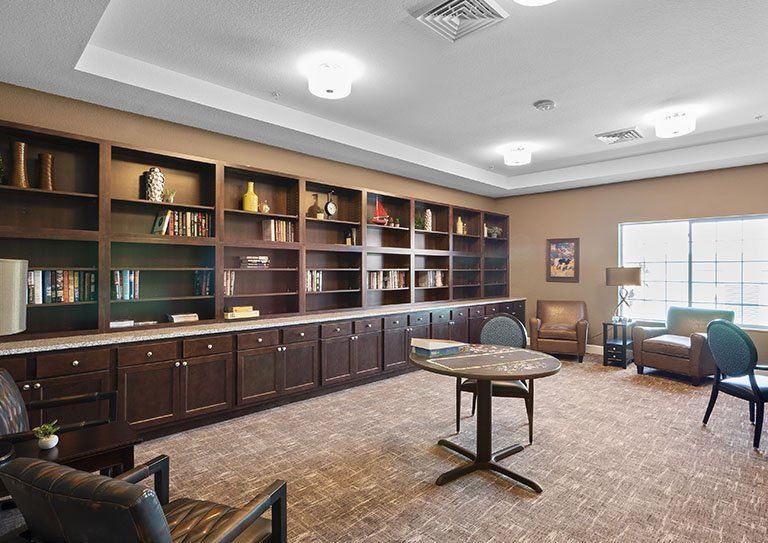
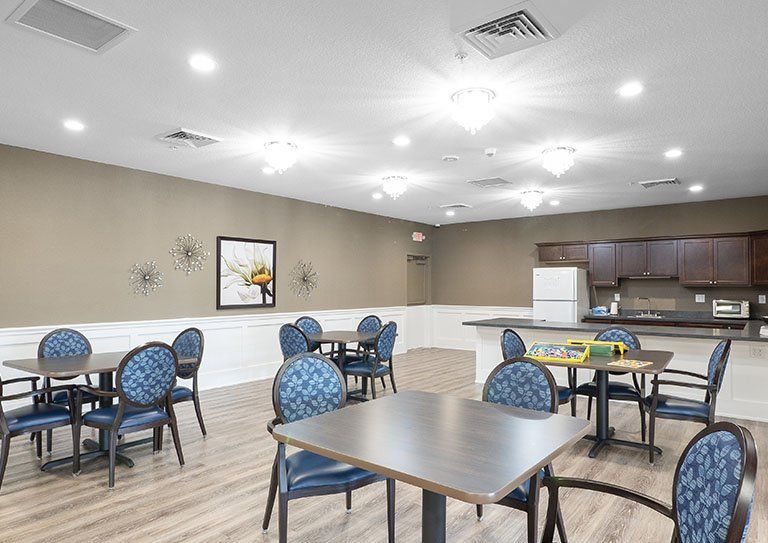
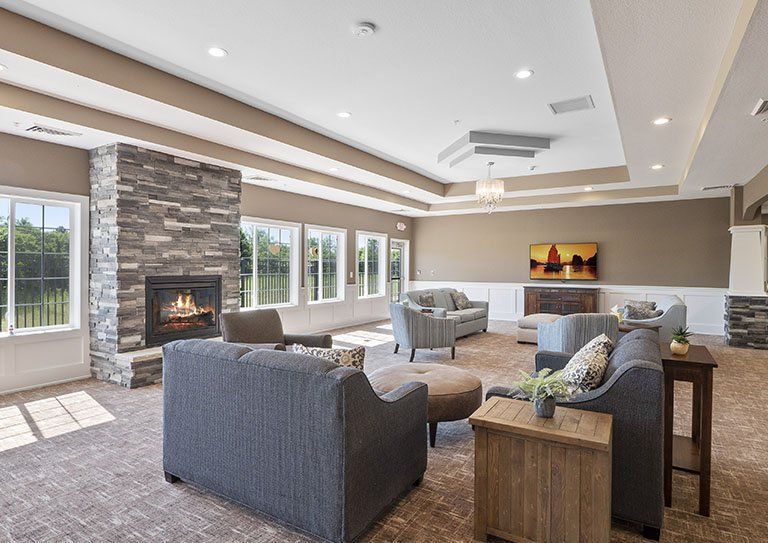
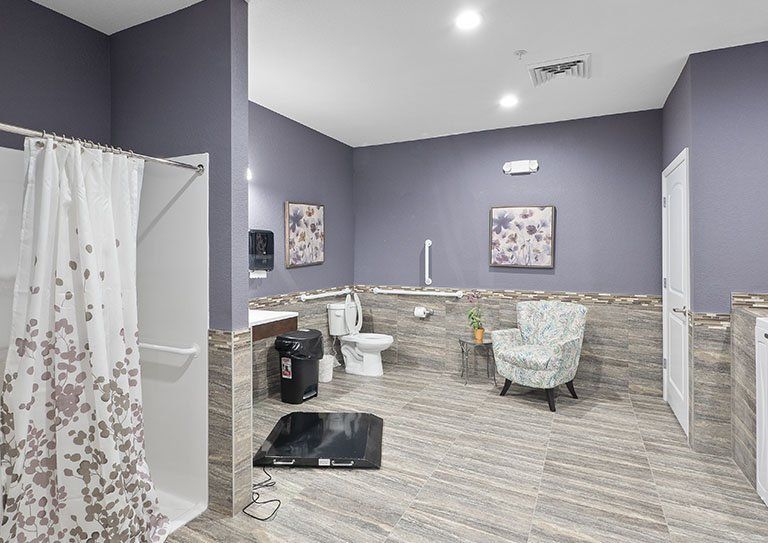
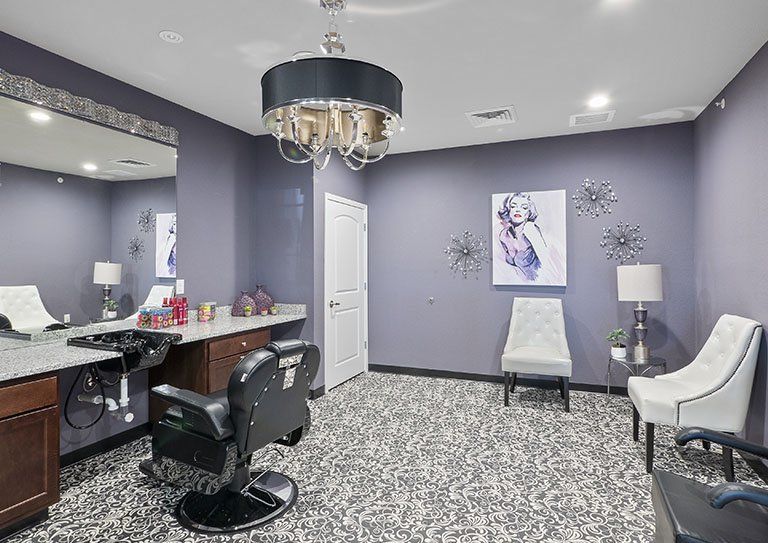
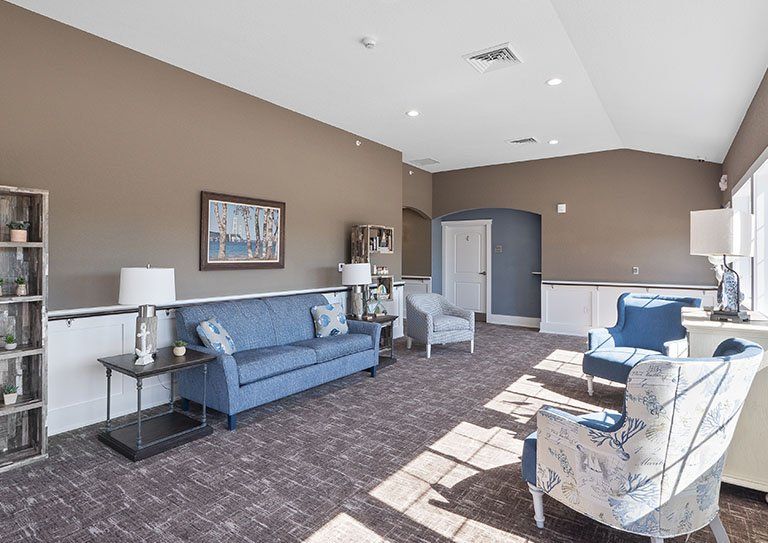
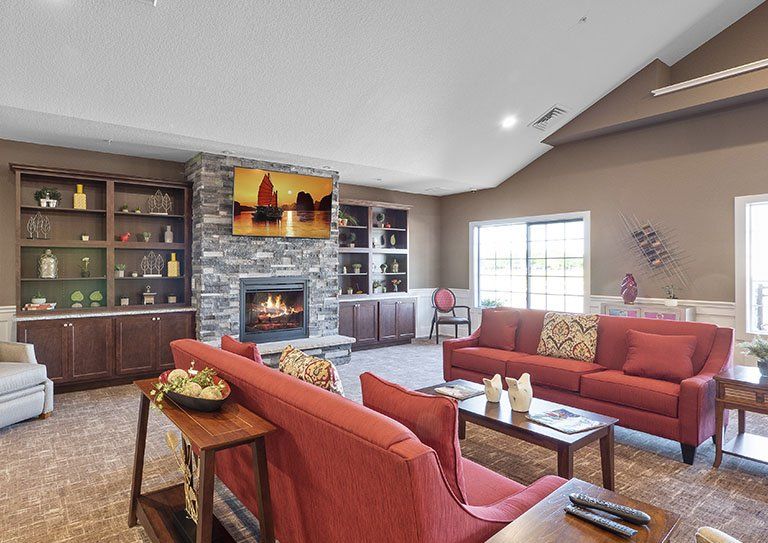
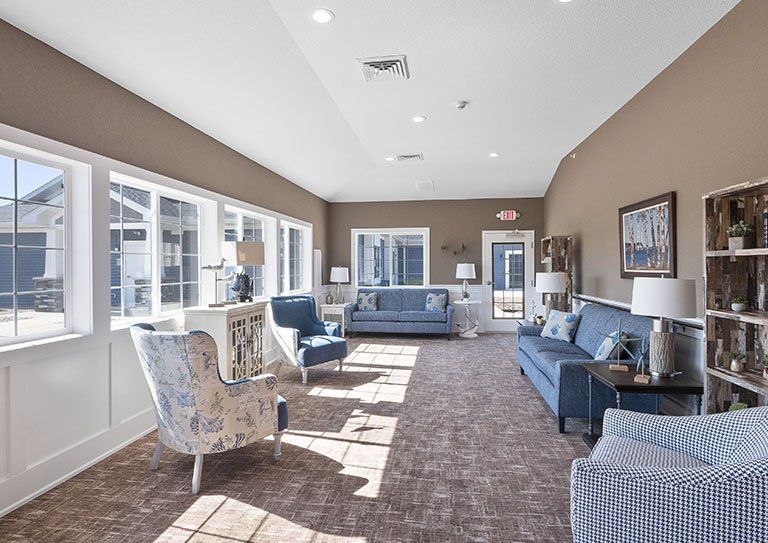
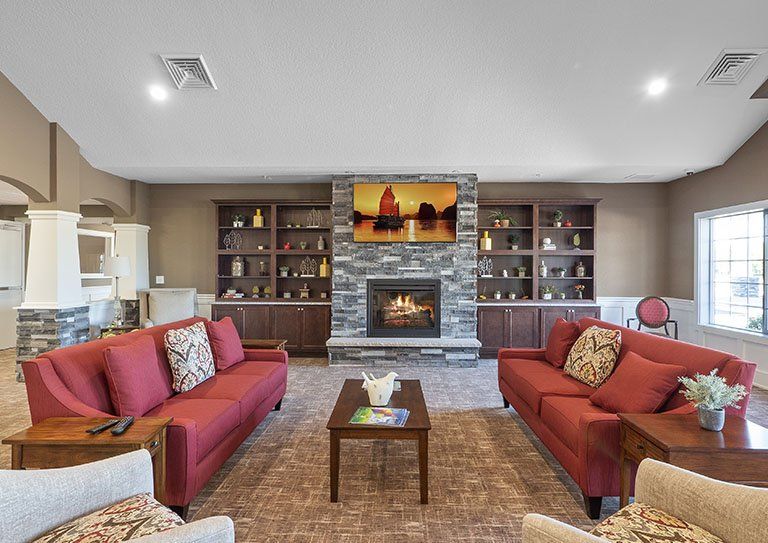
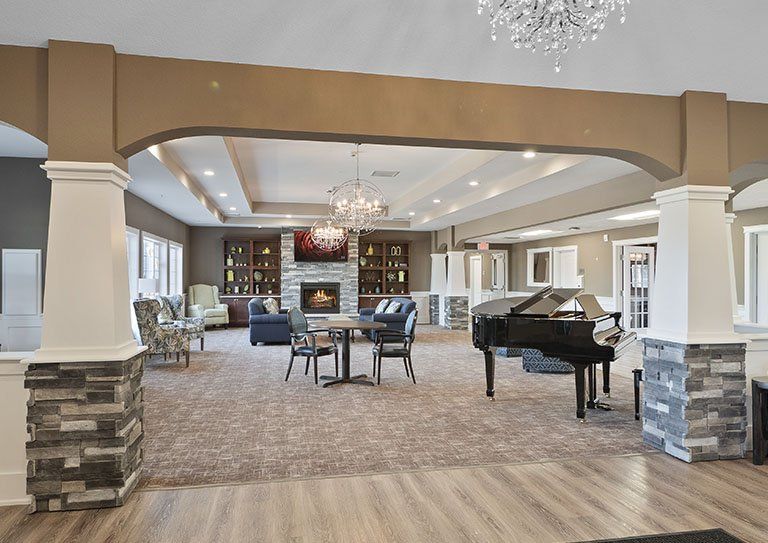
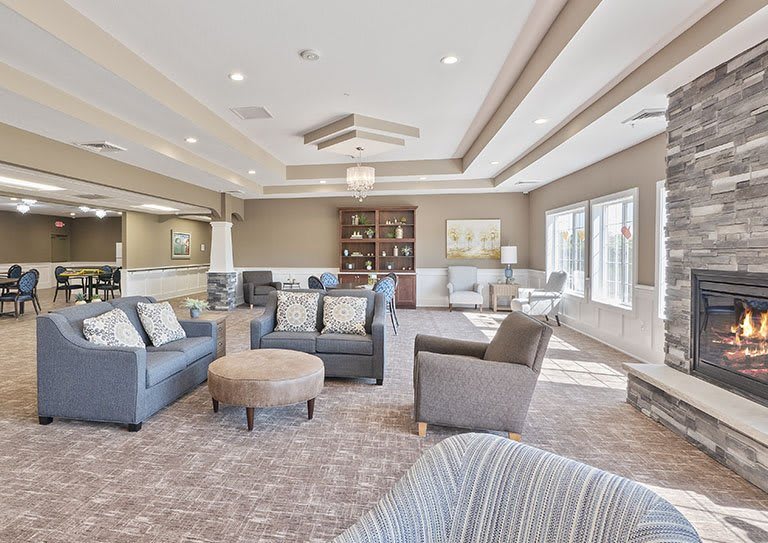
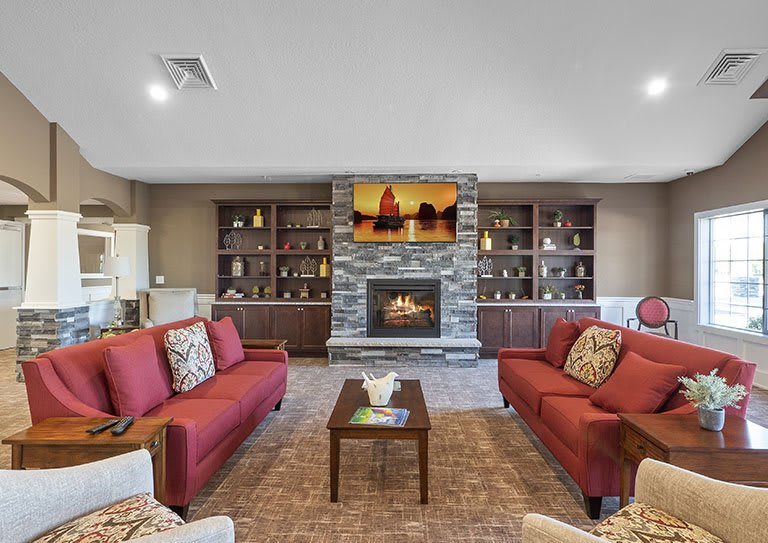
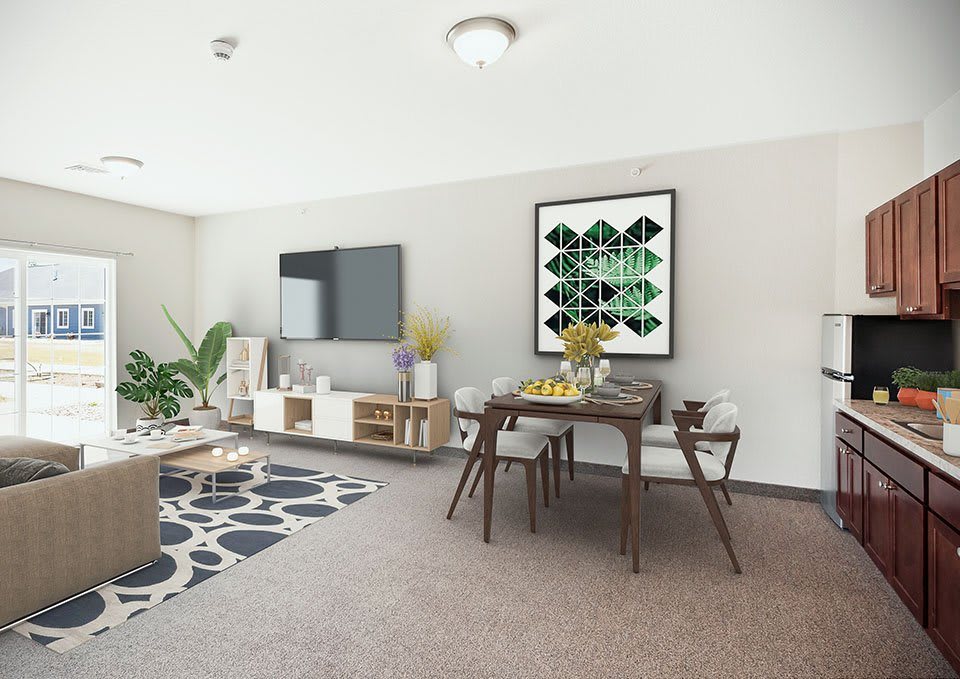
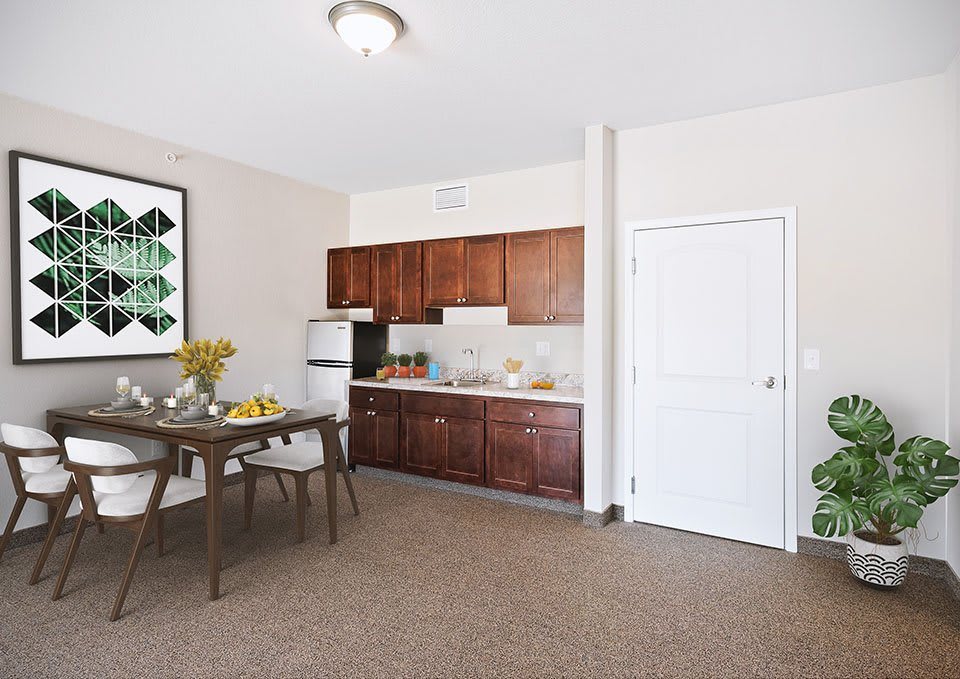
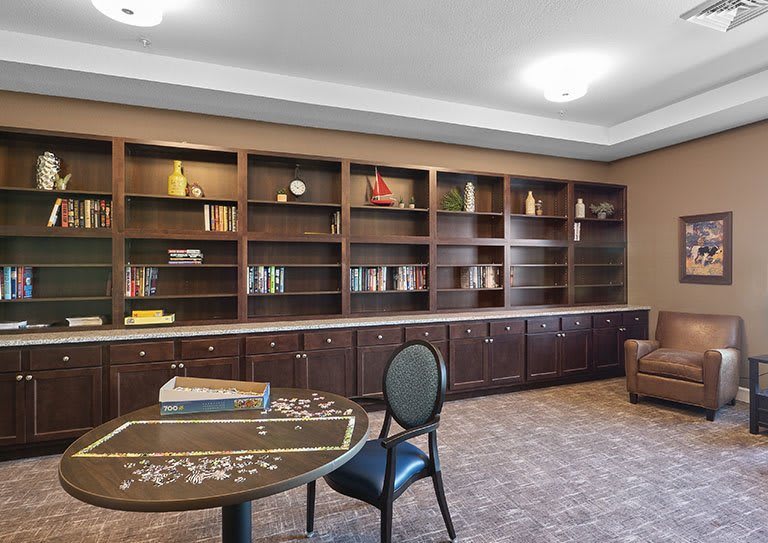
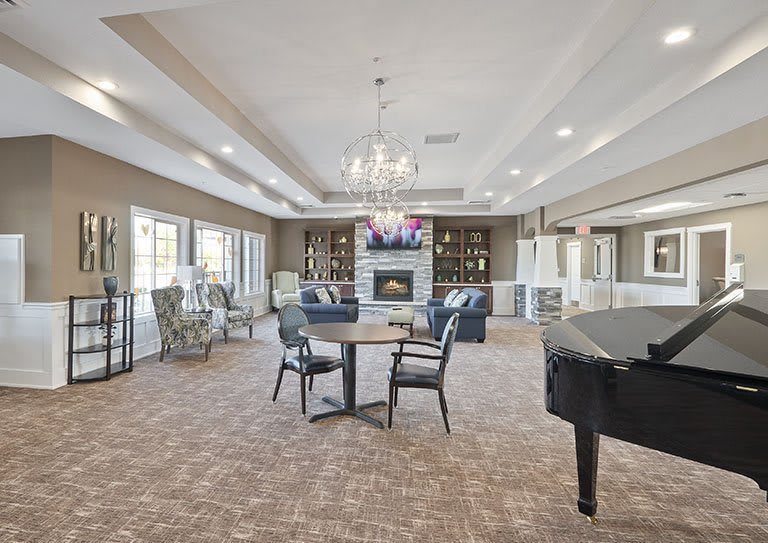
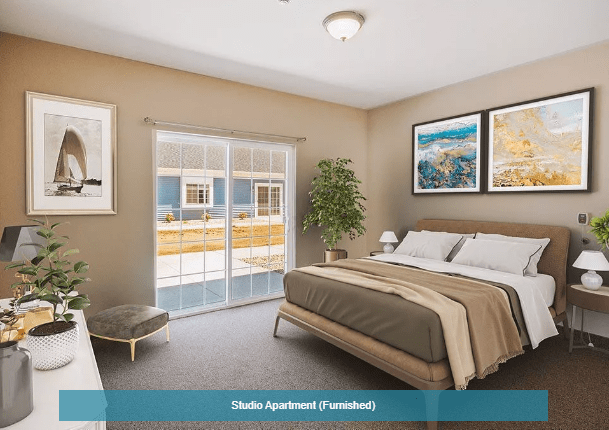
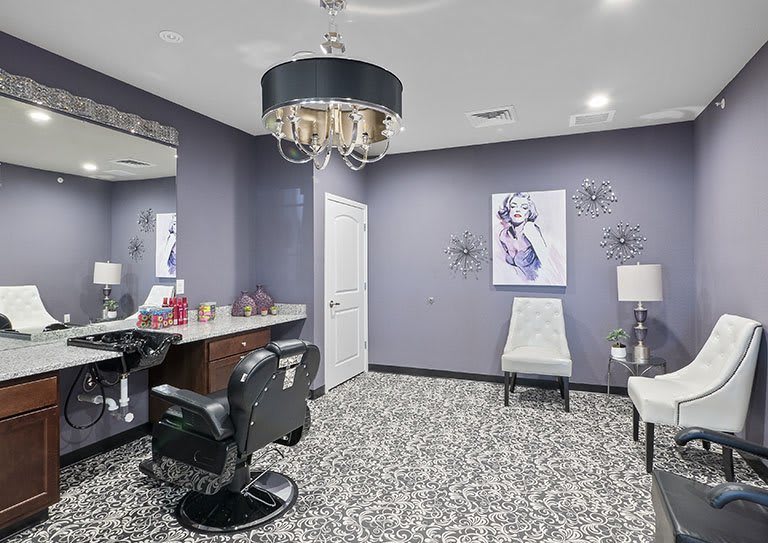
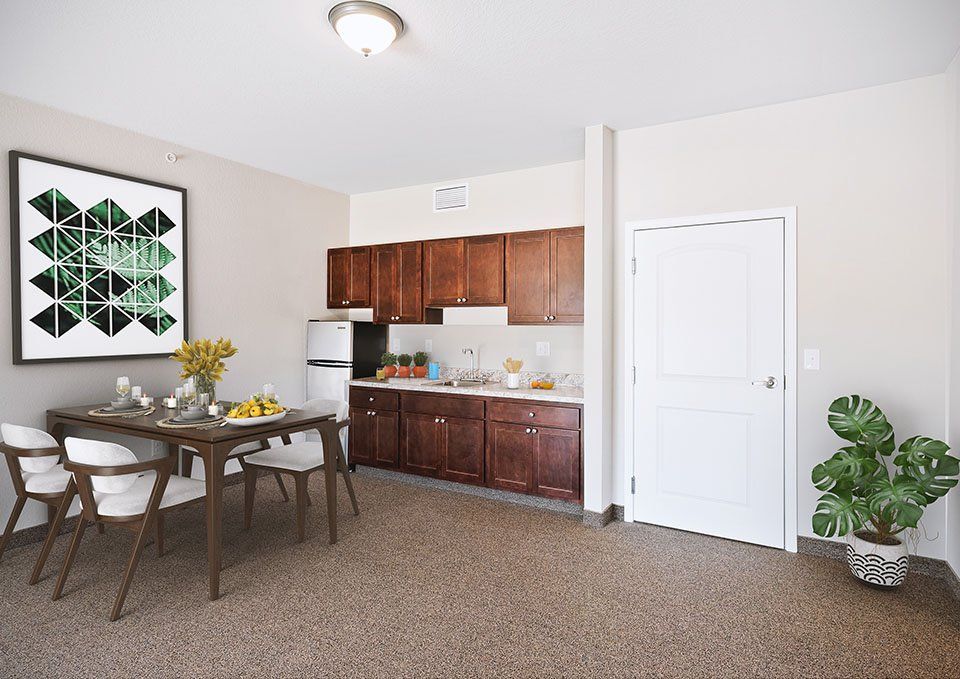
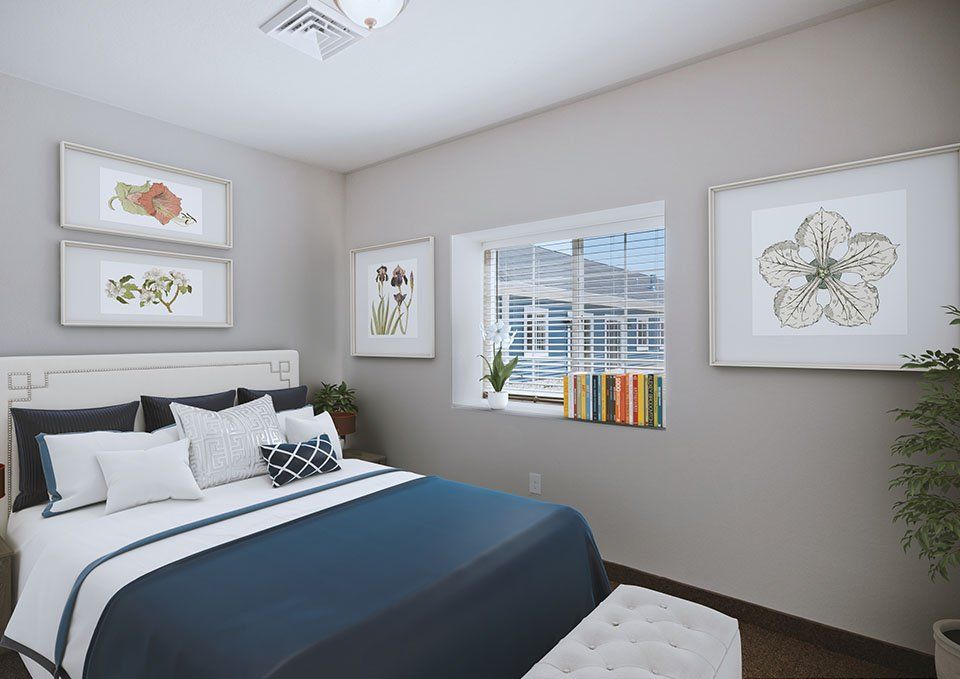
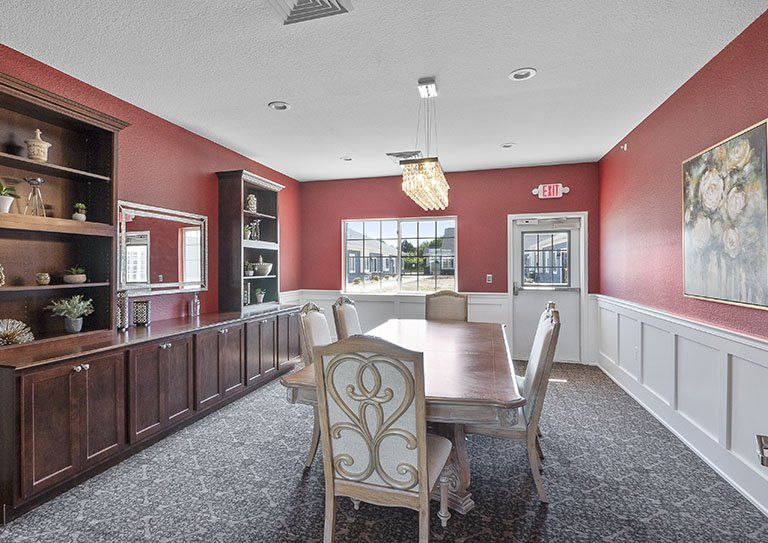
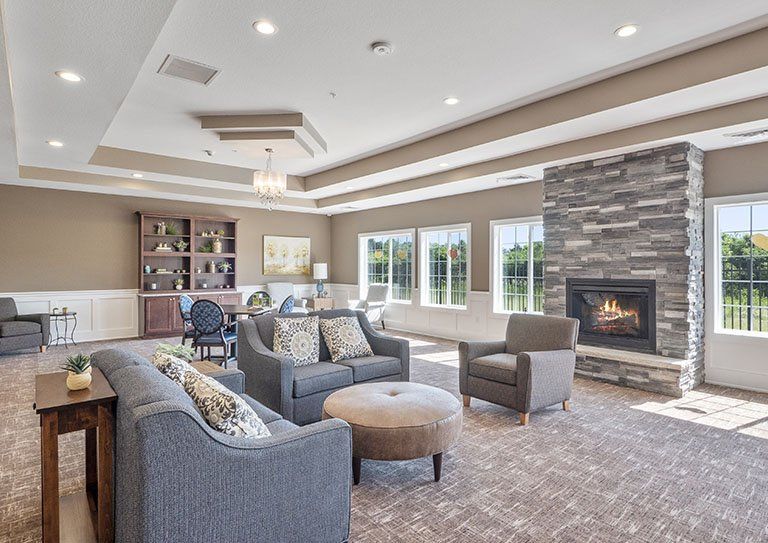
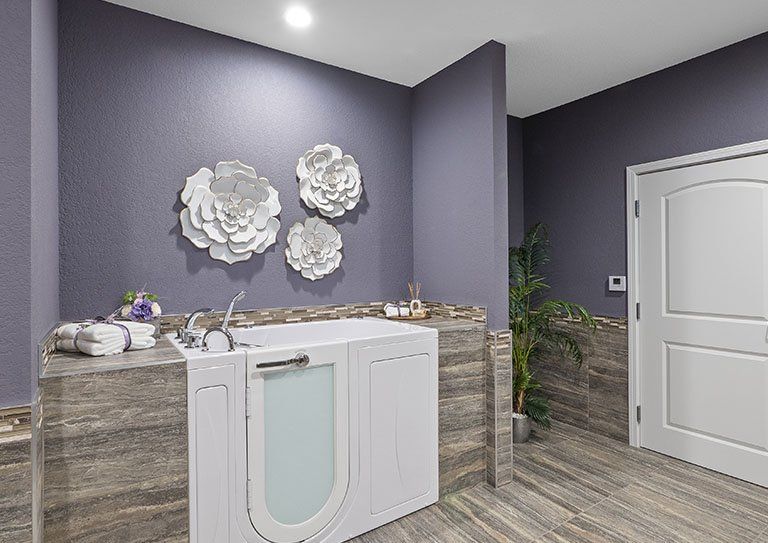
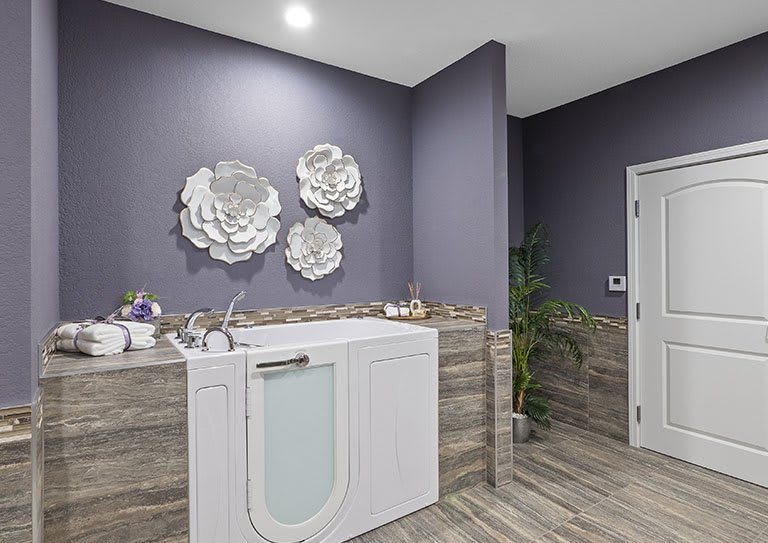
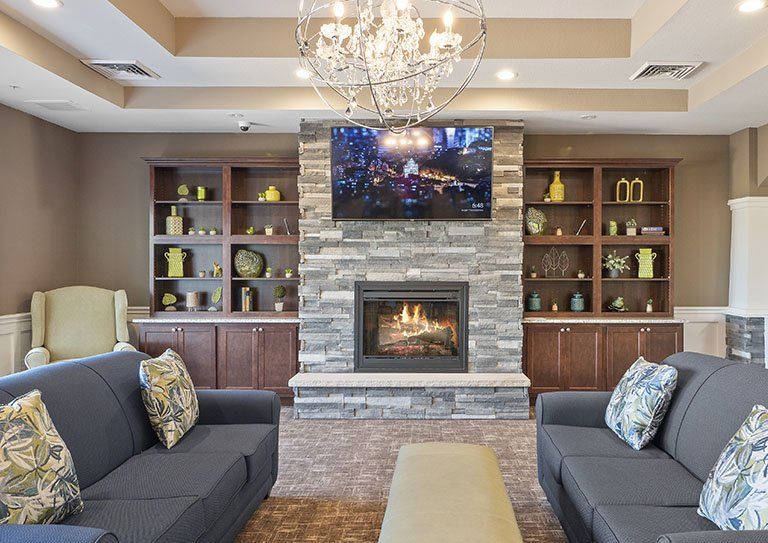
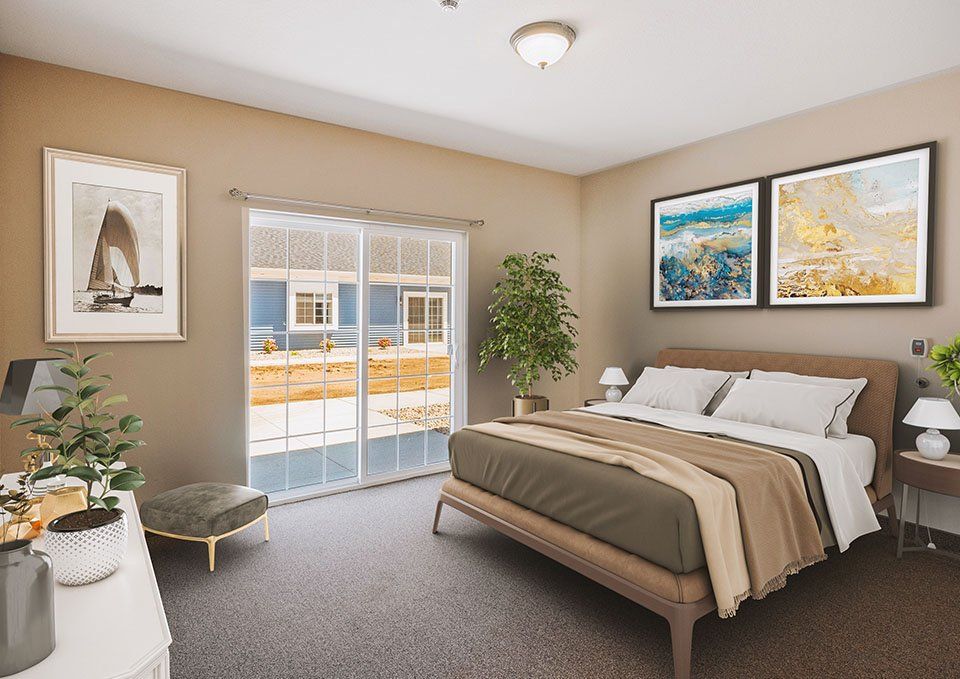
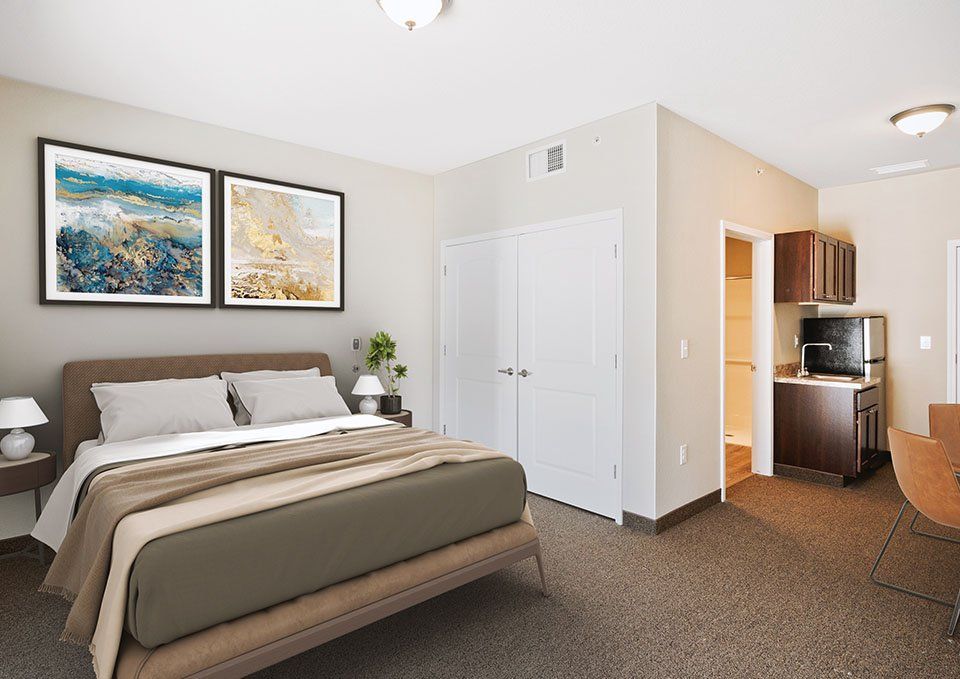
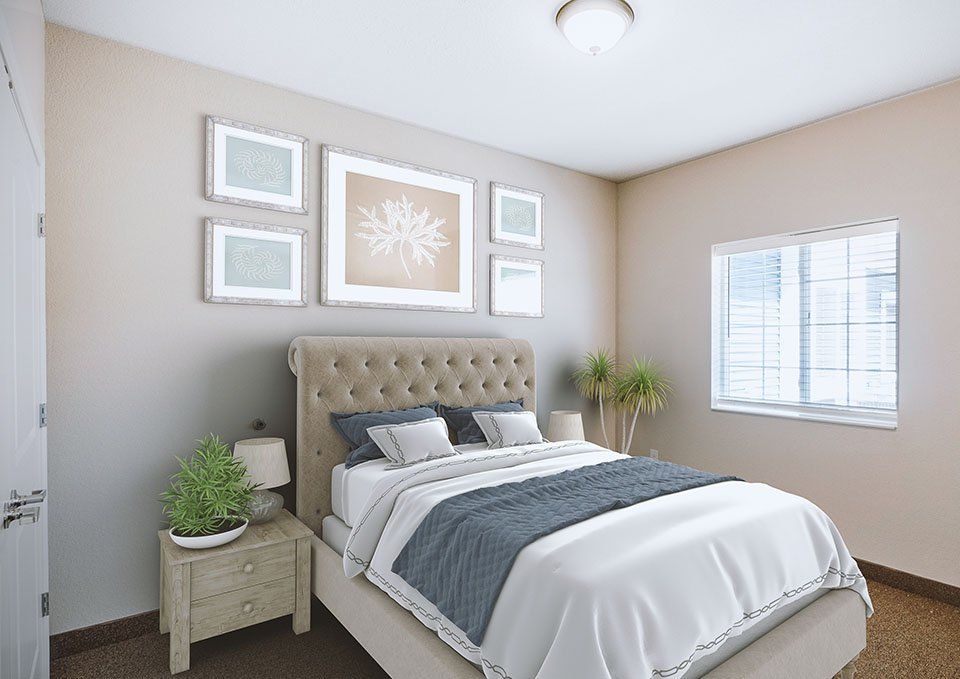
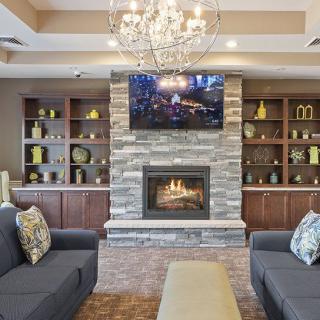
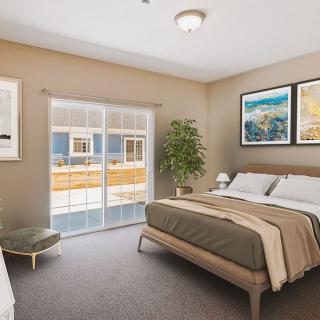
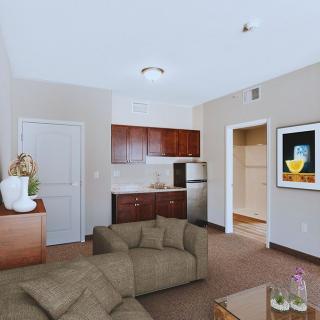
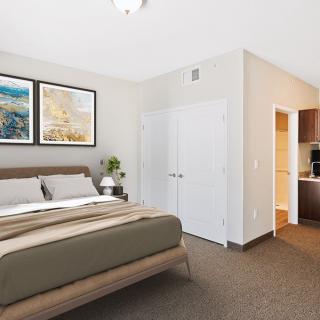
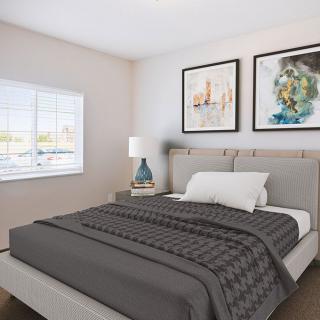
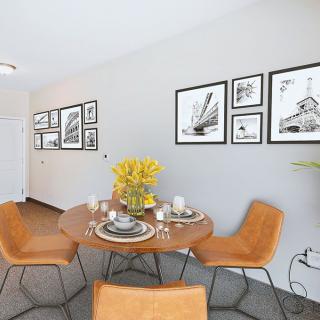
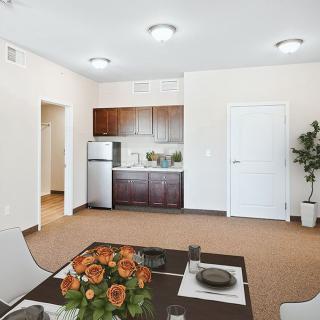
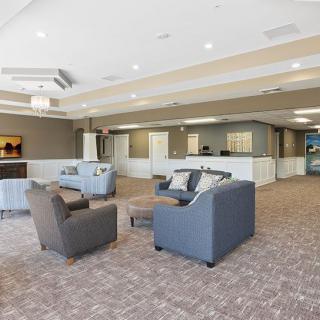
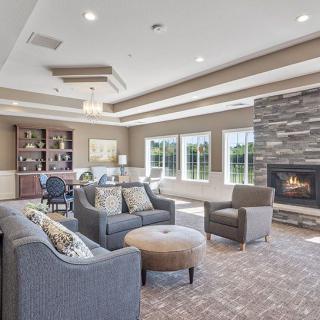
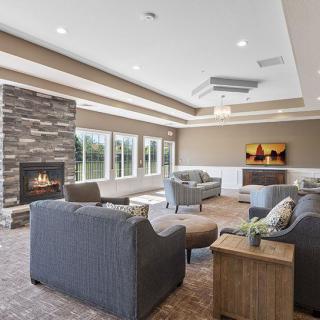
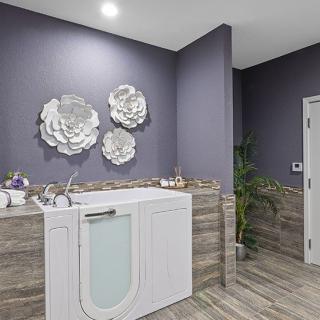
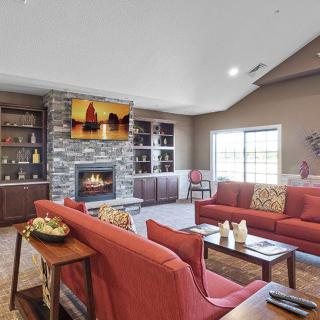
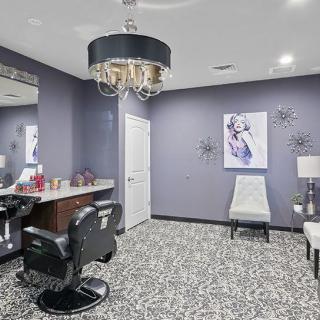
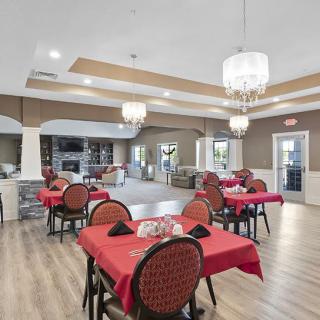
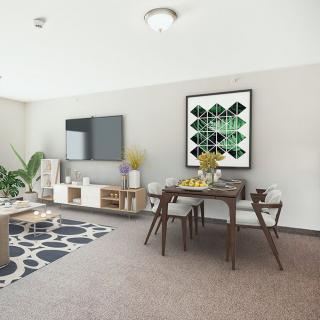
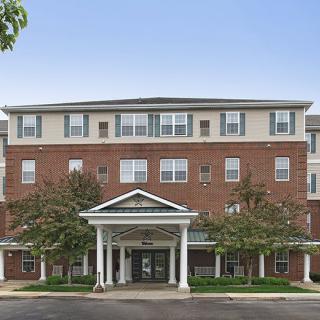
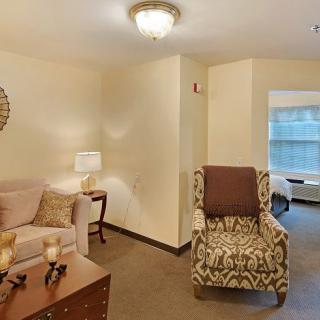
Hampton Manor of Woodhaven on seniors.fyi includes 44 photos including images showing interior, decor, living room, bedroom, dining, windows, artwork, chandelier, and more.
Nearby Communities
Reaume St Ais Home
Woodhaven, MI
Fully furnished, personalized assisted living with 24/7 supervision, ADL support, meals with dietary options, housekeeping, transportation to medical appointments, move-in coordination, and access to on-site and nearby amenities.
Mill Creek Home
Brownstown, MI
Small, intimate assisted living with 24-hour supervision, dedicated care, meals, activities, and transportation.
Montebello Adult Foster Care
Woodhaven, MI
Personalized care with 24/7 supervision, ADL support, and diabetes-friendly dining.
Hall Road Home
Woodhaven, MI
Small, personalized assisted living with comprehensive care and convenient on-site amenities.
Applewood Nursing Center
Woodhaven, MI
4.1 from 123 reviews
Caring staff with effective rehab and engaging activities.
Hampton Manor Premier Assisted Living of Trenton
Trenton, MI
4.3 from 19 reviews
$3,900 to $4,750 / month
Beautiful setting with engaging activities and attentive staff.
Aberdeen to Aerius Health Center
Trenton, MI
2.9 from 9 reviews
Caring staff and a clean facility with an effective rehab program.
Baldwin House Brownstown
Brownstown, MI
4.3 from 60 reviews
$970 / month
Friendly staff and well-maintained, spacious apartments with engaging on-site activities.
Downriver Estates Senior Living
Brownstown Charter Twp, MI
4.4 from 85 reviews
$3,940 to $5,450 / month
Caring staff and engaging activities create a warm, community feel.
Sundown syndrome, or sundowning, is a phenomenon in dementia patients characterized by increased confusion and agitation during late afternoon and evening, influenced by factors like disrupted circadian rhythms and fatigue. Effective caregiver strategies include establishing routines and managing environmental light while addressing caregiver stress through support services.
Delirium is a rapidly onset, reversible cognitive disturbance often caused by acute medical issues, while dementia is a gradual and irreversible decline due to chronic neurodegenerative diseases. Accurate differentiation between the two is essential for appropriate treatment and management in older adults.
Dementia, including Alzheimer’s disease, is often mischaracterized in terms of lethality as it leads to complications that can be fatal rather than being a direct cause of death; it causes a progressive decline in cognitive and physical health, making patients vulnerable to infections and other health crises. Effective management of nutrition, hydration, and communication is crucial in patient care, with palliative care becoming vital in advanced stages to enhance comfort and quality of life while caregivers play a key role amidst the challenges posed by the disease.
Get PricingAsk A QuestionSchedule A TourContact Senior Advisor
By clicking submit, you agree to our Partner's Terms of Use. You
also consent to receive calls and texts, which may be autodialed, from our Partner. Your consent is not a condition to
using our Partner's service. Please visit our Partner's Privacy Policy for information about their privacy practices.




 113 resident community capacity
 Assisted Living
 Independent Living
 Memory Care
 Cats allowed
 Dogs allowed
 Activities off-site
 Air-conditioning
 Beautician on-site
 Cable or satellite TV
 Computer center
 Devotional services off-site
 Dining room
 Fitness room
 Fully furnished
 Gaming room
 Garden
 Housekeeping services
 Indoor common areas
 Kitchenette
 Move-in coordination
 Outdoor common areas
 Private bathrooms
 Respite or short term stays offered
 Restaurant-style dining
 Small library
 Telephone
 Wellness center
 Wheelchair accessible showers
 Wi-Fi/high-speed internet available
 Detroit Metropolitan-Wayne County (8 miles away)
 Community operated transportation
 12-16 hour nursing
 24-hour call system
 Ambulatory care
 Assistance with bathing
 Assistance with dressing
 Assistance with transfers
 Diabetes diet
 Diabetic care
 High acuity care
 Incontinence care
 Medication management
 Mental wellness program
 Special dietary restrictions
 Transportation arrangement (medical)
 Art classes
 Concierge services
 Day trips and outings
 Educational speakers / life long learning
 Live dance or theater performances
 Live musical performances
 Fully furnished, personalized assisted living with 24/7 supervision, ADL support, meals with dietary options, housekeeping, transportation to medical appointments, move-in coordination, and access to on-site and nearby amenities.
 Comprehending Evening Confusion in Dementia: Causes, Manifestations, and Support
 Delirium and Dementia: Unraveling the Key Differences
 Are Dementia and Alzheimer's Disease Lethal? A Comprehensive Exploration