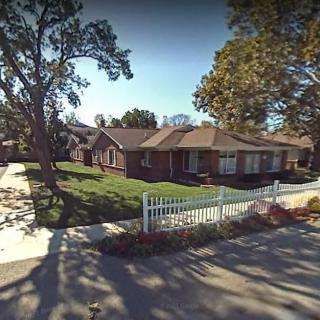
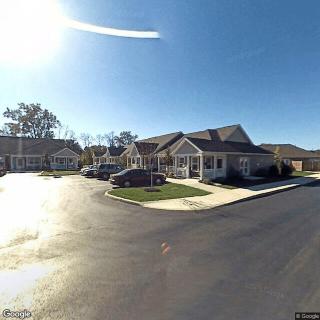
Alice Lorraine Care Center 2 in Monroe, MI

Information last verified:

2590 North Monroe Street, Monroe, MI 48162

For more information about senior living options: (844) 490-3973

4.3 from 16 reviews
5 stars
13
4 stars
0
3 stars
0
2 stars
1
1 stars
2

Overall Review of Alice Lorraine Care Center 2

Pros

  • pro The staff take really good care of residents and feel like family.
  • pro The facility feels like home and residents thrive there.
  • pro There are frequent activities, parties, and field trips.
  • pro The staff have become extended family and are greatly appreciated.
  • pro The food is wonderful and the staff and administration are responsive and caring.
  • pro The staff treat residents like family in a home-like atmosphere.
  • pro ALCC offers all-inclusive pricing and maintains a favorable staff-to-resident ratio.
  • pro The facility is charming, family-run, and devoted to excellent assisted living.
  • pro In-house medical staff and tailored dietary plans enhance resident care.

Cons

  • pro They claim Alice Lorraine doesn’t have a clue about dementia care.
  • pro They say the staff at Alice Lorraine prefer calm patients so they don’t have to supervise them.
  • pro They note that Alice Lorraine costs more than Elderly Solutions.
  • pro They report that after a hospital stay, Alice Lorraine didn’t want her back.
  • pro They recount that the mother had accidents at Alice Lorraine, including a broken arm.
  • pro They imply Elderly Solutions feels more like a home away from home, suggesting Alice Lorraine lacks that quality.

Review

Alice Lorraine Care Center 2 in Monroe is best suited for families seeking a warm, home-like assisted living environment where residents receive attentive, relationship-centered care and ongoing social engagement. This community shines for seniors who want daily activities, outings, and a sense of being part of a caring extended family. The standout features include a strong, family-run culture, a high staffing presence, and an all-inclusive pricing model that reduces the guesswork on monthly expenses. Residents benefit from frequent interactions with staff who treat them with personal attention, and families consistently report a feeling of trust and comfort. With in-house programming that includes field trips and special events, the atmosphere is not clinical but relational, making it easier for relatives to feel confident that their loved ones are connected, engaged, and watched over. This combination makes ALCC 2 a compelling fit for older adults who value daily structure, personal warmth, and predictable costs.

The positives run deep. Families repeatedly praise the staff for their attentiveness and for treating residents “like family,” a straightforward signal that the care philosophy is genuinely person-centered. The activity calendar is robust, with in-house happenings, outings, and even experiences like zoo trips, illustrating a proactive approach to staying mentally and socially engaged. The care team reportedly maintains a strong staff-to-resident ratio, which translates into more hands-on support throughout the day. Food and nutrition receive praise as well, with caregivers and kitchen staff coordinating meals to meet individual needs, further reinforcing the home-like feel. The facility’s claimed all-inclusive pricing is frequently cited as a practical advantage, removing the burden of unpredictable add-ons and providing a clear monthly expectation. Finally, the presence of an in-house medical team, an on-site doctor visiting weekly and nurse practitioners, delivers a reassuring level of medical oversight without forcing families to chase outside appointments.

Yet there are caveats that families must weigh. A notable counterpoint comes from a caregiver’s perspective on dementia care, where one family reported that a loved one with dementia experienced behaviors and care needs that ALCC 2 did not fully address, ultimately leading to a decision to pursue a different facility. The same account described safety incidents and disagreements about medical management during transitions, underscoring that dementia-specific care requires careful alignment of staffing expertise, care plans, and monitoring. This underscores a broader reality: while ALCC 2 excels in daily engagement and personal warmth, it may not be the best fit for residents who require highly specialized memory-support environments or unusually intense supervision. For some families, the choice hinges on whether the setting’s home-like, lively approach can be harmonized with the individual’s cognitive care needs.

The strong advantages, high staffing presence, a familial atmosphere, active living, and medical oversight on site, do a substantial job of offsetting the general concerns for many prospective residents. When a loved one thrives on routine, companionship, and meaningful activities, the risk of isolation or neglect diminishes markedly in this environment. The integrated medical contact point helps to prevent small issues from escalating, and the all-inclusive pricing reduces billing anxiety for families already juggling multiple commitments. In short, the program design leans into relational care and daily purpose, which often translates into steadier mood, better engagement, and improved overall well-being for residents who resonate with this model. The combination of care depth and cost predictability makes ALCC 2 hard to beat for the right resident.

That said, practical evaluators will want to steward a thorough due diligence process. Tour and observe, focusing on how staff interact with residents, especially those who have memory or mobility challenges. Confirm the exact scope of “all-inclusive” pricing, what is included, what may vary month to month, and how changes in care level affect the rate. Inquire about dementia-specific capabilities: staff training, established routines, environmental design features, and the facility’s protocol for escalating behavioral or safety concerns. Ask to meet the medical team and request recent memory-care incident logs and care-planning documents to gauge how proactive and responsive the operation truly is in practice. Finally, compare ALCC 2 with smaller, calmer homes and with facilities noted for dementia specialization to ensure the chosen path aligns with the loved one’s cognitive trajectory and comfort thresholds.

For families facing a decision, ALCC 2 represents a compelling choice for seniors who want a lively, supportive, and personally attentive setting. It is best suited for individuals who thrive on structured activities, social engagement, and consistent caregiver relationships, all within a framework that emphasizes family-like care and straightforward budgeting. Those who prioritize dementia-specific expertise, need a quieter or more controlled environment, or operate under tighter cost constraints may want to explore alternatives that specialize in memory care or offer different pricing structures. A well-informed decision will hinge on a candid assessment of the loved one’s cognitive needs, safety requirements, and the degree to which ALCC 2’s strengths align with daily living goals. A guided visit, a candid question list, and direct conversations with both care staff and medical providers will illuminate whether this community is the best match, or if another option would better preserve independence, safety, and peace of mind.

Features

Housing

  • 18 resident community capacity 18 resident community capacity

Types of Care

  • Assisted Living Assisted LivingAssisted living facilities provide crucial support and care for seniors who may need help with daily tasks such as medication management, bathing, and meal preparation. These communities offer a safe and comfortable environment where seniors can maintain their independence while receiving the assistance they need to thrive in their golden years.
  • Board and Care Home Board and Care HomeBoard and care homes provide a smaller, more intimate setting for seniors who require assistance with daily tasks but do not need the level of care offered by a nursing home. They offer personalized care, meals, and social activities in a homelike environment, ensuring that seniors receive individualized attention and support in their golden years.
  • Memory Care Memory CareMemory care is crucial for seniors as it provides specialized support and services for individuals with dementia or Alzheimer's disease. These programs offer a safe and secure environment where residents receive personalized care, cognitive stimulation, and help with daily activities. Memory care helps seniors maintain their independence, quality of life, and dignity while also providing peace of mind for their families.

Amenities

  • Cable or satellite TV Cable or satellite TVCable or satellite TV is important for seniors because it provides entertainment, news, and companionship, helping to combat loneliness and boredom. It also offers a wide range of programming options tailored to different interests and preferences.
  • Dining room Dining roomDining rooms are important for seniors as they provide a space for socialization, connection, and nutritious meals. They offer opportunities for residents to bond over shared meals, foster a sense of community, and promote healthy eating habits. Dining rooms also ensure that seniors have access to well-balanced meals tailored to their dietary needs and preferences.
  • Fully furnished Fully furnishedFully furnished senior living communities are important for seniors because they provide convenience, comfort, and a hassle-free moving experience. Seniors can easily settle into their new living space without the stress of having to buy and move furniture. This allows them to focus on enjoying their new home and community.
  • Garden GardenGardens are important for seniors as they provide a peaceful and therapeutic environment for relaxation, physical activity, and socialization. Being in nature has been shown to reduce stress, improve mood, and promote overall well-being. Gardens also offer opportunities for seniors to engage in gardening activities, which can improve mobility, flexibility, and cognitive function. Additionally, gardens create a sense of community and connection with others who share a passion for plants and outdoor spaces.
  • Housekeeping services Housekeeping servicesHousekeeping services are important for seniors because they help maintain a clean and safe living environment, promote independence, and reduce the risk of accidents or illnesses. Additionally, having assistance with household chores can alleviate physical strain and allow seniors to focus on other aspects of their well-being.
  • Move-in coordination Move-in coordinationMove-in coordination is important for seniors because it helps ease the transition into their new living environment. It ensures that all logistics, such as packing, organizing movers, and setting up utilities are taken care of, allowing seniors to focus on settling in and adjusting to their new home. Having a smooth move-in process can alleviate stress and anxiety, making the transition smoother and more enjoyable for seniors.
  • Outdoor space Outdoor spaceOutdoor spaces are important for seniors as they provide opportunities for physical activity, social interaction, exposure to natural light and fresh air, and a sense of connection to nature. Having access to outdoor spaces can improve overall well-being and quality of life for older adults living in senior communities.
  • Telephone TelephoneTelephones are important for seniors as they provide a lifeline for communication with loved ones, emergency services, and healthcare providers. They offer a sense of security and independence, enabling seniors to stay connected and access assistance when needed.
  • Wi-Fi/high-speed internet available Wi-Fi/high-speed internet availableWi-Fi/high-speed internet is important for seniors to stay connected with loved ones, access online resources, and participate in virtual activities to combat feelings of loneliness and isolation. It also allows them to easily manage healthcare needs, access entertainment, and engage in lifelong learning opportunities.

Transportation

  • Detroit Metropolitan-Wayne County (18 miles away) Detroit Metropolitan-Wayne County (18 miles away)

Care Services

  • 24-hour supervision 24-hour supervision24-hour supervision is important for seniors to ensure their safety, well-being, and access to immediate assistance in case of emergencies or health issues. This constant support provides peace of mind for both seniors and their loved ones, allowing them to age in place with dignity and security.
  • Activities of daily living assistance Activities of daily living assistanceActivities of daily living assistance are important for seniors because they provide essential support with tasks such as eating, bathing, dressing, and mobility. This assistance helps seniors maintain their independence, dignity, and overall quality of life as they age.
  • Assistance with bathing Assistance with bathingAssistance with bathing is crucial for seniors as it helps maintain personal hygiene, prevents infections, and ensures their overall well-being and comfort. It also provides a sense of dignity and independence for seniors who may struggle with this task on their own.
  • Assistance with dressing Assistance with dressingAssistance with dressing is important for seniors because it helps maintain their independence, promotes personal hygiene, prevents accidents and injuries, and improves overall quality of life. This service ensures that seniors can continue to dress comfortably and confidently, despite any physical limitations they may have.
  • Assistance with transfers Assistance with transfersAssistance with transfers is crucial for seniors as it helps prevent falls and injuries, maintains their independence, and ensures they can safely navigate their living environment. It also provides peace of mind for both seniors and their loved ones.
  • Coordination with health care providers Coordination with health care providersCoordination with health care providers is crucial for seniors to ensure proper medical care, medication management, and overall well-being. This collaboration helps prevent overlapping treatments, track progress more effectively, and provide comprehensive support tailored to individual needs.
  • Dementia waiver Dementia waiverDementia waivers are essential for seniors as they provide critical protections and accommodations for those experiencing cognitive decline. These waivers ensure individuals with dementia receive appropriate care, support, and resources to maintain their quality of life and dignity as they navigate the challenges of this progressive condition.
  • Diabetes diet Diabetes dietA diabetes diet is crucial for seniors as it helps manage blood sugar levels, reduce risks of complications, and improve overall health and well-being. By following a balanced and nutritious diet tailored to their specific needs, seniors can better control their diabetes and enhance their quality of life.
  • Hospice waiver Hospice waiverHospice waivers are important for seniors because they allow individuals to receive specialized end-of-life care and support at home or in a hospice facility. This waiver ensures that seniors can access the necessary resources and services to maintain comfort and dignity during their final days.
  • Meal preparation and service Meal preparation and serviceMeal preparation and service are crucial for seniors as they may have limited mobility or energy to cook nutritious meals. Having access to healthy and convenient food options can ensure they are getting the proper nutrition needed to maintain their overall health and well-being.
  • Medication management Medication managementMedication management is crucial for seniors to ensure they are taking the right medications at the correct dosages and times. This helps prevent adverse drug interactions, reduces the risk of medication errors, and promotes overall health and well-being. Proactive management also allows for adjustments as needed based on changing health conditions or new prescriptions.
  • Mental wellness program Mental wellness programMental wellness programs are essential for seniors as they promote cognitive stimulation, emotional support, and social engagement. These programs help prevent isolation, depression, and cognitive decline, ultimately enhancing the overall quality of life for older adults.
  • Mild cognitive impairment Mild cognitive impairment"Mild cognitive impairment" is important for seniors because it is an early stage of cognitive decline that can potentially progress to more severe conditions such as dementia. Recognizing and addressing mild cognitive impairment can help seniors receive appropriate care and support to maintain their quality of life and independence for as long as possible.
  • Special dietary restrictions Special dietary restrictionsSpecial dietary restrictions are important for seniors because age-related changes in metabolism and health conditions can make it difficult for their bodies to process certain foods. By following a diet tailored to their specific needs, seniors can maintain their overall health and well-being, manage chronic conditions, and reduce the risk of complications such as malnutrition or food interactions with medications.
  • Specialized memory care programming Specialized memory care programmingSpecialized memory care programming is crucial for seniors with cognitive impairments such as dementia or Alzheimer's disease. These programs provide a safe and supportive environment tailored to the unique needs of individuals with memory loss, helping them maintain their independence, dignity, and quality of life.
  • Transportation arrangement (medical) Transportation arrangement (medical)Transportation arrangements for medical purposes are essential for seniors as they may have difficulty driving themselves to appointments or accessing public transportation. Having reliable and safe transportation options ensures that seniors can receive timely medical care and maintain their health and well-being.
  • Transportation to doctors appointments Transportation to doctors appointmentsTransportation to doctors' appointments is crucial for seniors as it ensures they have access to necessary medical care and support for their health needs. Without reliable transportation, seniors may struggle to attend important appointments, leading to potential delays in treatment and health complications. Providing transportation services helps seniors maintain their overall well-being and quality of life.

Dining

  • Diabetes diet Diabetes dietA diabetes diet is crucial for seniors as it helps manage blood sugar levels, reduce risks of complications, and improve overall health and well-being. By following a balanced and nutritious diet tailored to their specific needs, seniors can better control their diabetes and enhance their quality of life.
  • Special dietary restrictions Special dietary restrictionsSpecial dietary restrictions are important for seniors because age-related changes in metabolism and health conditions can make it difficult for their bodies to process certain foods. By following a diet tailored to their specific needs, seniors can maintain their overall health and well-being, manage chronic conditions, and reduce the risk of complications such as malnutrition or food interactions with medications.

Activities

  • Community-sponsored activities Community-sponsored activitiesCommunity-sponsored activities are important for seniors as they provide opportunities for social interaction, mental stimulation, and physical activity. These activities can help improve overall well-being, combat loneliness and isolation, and promote a sense of belonging and purpose among older adults.
  • Scheduled daily activities Scheduled daily activitiesScheduled daily activities are important for seniors because they provide structure, socialization, mental stimulation, and physical activity. Engaging in regular activities can improve overall well-being and quality of life for seniors living in a community setting.

Description

Alice Lorraine Care Center 2 in Monroe, MI is a welcoming and fully-furnished assisted living community that offers various types of care, including board and care home as well as specialized memory care for those with dementia or mild cognitive impairment.

Residents at Alice Lorraine Care Center 2 can enjoy numerous amenities such as a spacious dining room where delicious and nutritious meals are served to accommodate any dietary restrictions. The facility also features a beautiful garden and outdoor space for residents to relax and enjoy nature. Housekeeping services are provided to maintain cleanliness and tidiness throughout the community.

To ensure a smooth transition, move-in coordination is available to assist residents in settling into their new home. Additionally, the facility provides telephone and Wi-Fi/high-speed internet access for residents to stay connected with loved ones.

The dedicated staff at Alice Lorraine Care Center 2 offers comprehensive care services tailored to meet each resident's needs. These include assistance with activities of daily living such as bathing, dressing, and transfers. The staff also coordinates with healthcare providers to ensure holistic care for each resident.

For individuals with specific dietary requirements or medical conditions like diabetes, special meal preparation and service are provided. Medication management is offered to ensure proper administration of medications. Mental wellness programs are available to support residents' emotional and psychological well-being.

Transportation arrangements are made for medical appointments, ensuring residents have easy access to healthcare facilities when needed. In addition, there are several nearby cafes, parks, pharmacies, physicians offices, restaurants, places of worship, theaters, and hospitals for convenient access to various services and amenities within the community.

At Alice Lorraine Care Center 2, residents can enjoy scheduled daily activities that cater to their interests and preferences. With a commitment to providing comprehensive care in a comfortable environment, this assisted living community ensures that residents receive the support they need while maintaining their independence and quality of life.

Nearby Places of Interest

Physicians

  • Toledo Clinic - Intern (0.4 miles)
  • Horace George Levy (0.4 miles)
  • Frenchtown Orthopedics (1.1 miles)
  • Mercy Memorial Orthopedic Surgery Manor - Daniel Olenchak Do (1.1 miles)
  • Great Lakes Dialysis Center (1.2 miles)
  • Donahue Eyecare (1.3 miles)
  • ProMedica Physicians Eye Care - Monroe (1.4 miles)

Pharmacies

  • Walmart Pharmacy (0.8 miles)
  • Meijer Pharmacy (1.1 miles)
  • Walgreens (1.3 miles)
  • Hometown Pharmacy (1.5 miles)
  • Monroe Compounding Center (1.5 miles)
  • Yinger Pharmacy Shoppe (1.6 miles)
  • Walgreens (2.9 miles)

Restaurants

  • Culver's (1.1 miles)
  • Vaquero's (1.3 miles)
  • A&W Restaurant (1.4 miles)
  • Wendy's (1.9 miles)
  • Denny's (2 miles)
  • McDonald's (2 miles)
  • Taco Bell (2 miles)

Hospitals

  • Fresenius Medical Care (1.2 miles)
  • Monroe Health Center (1.7 miles)
  • Mercy Memorial Hospital (1.9 miles)
  • ProMedica Monroe Regional Hospital - Radiology (1.9 miles)

Parks

  • Sterling State Park (2.4 miles)
  • River Raisin National Battlefield Park (2.8 miles)
  • Huroc Park (11 miles)
  • Lake Erie Metropark (12 miles)
  • Willow Park Pond (12.4 miles)
  • Willow Metro Park (12.9 miles)
  • Vienna Park (14 miles)

Cafes

  • Panera Bread (2.4 miles)
  • Tim Hortons (2.9 miles)
  • Farmers Cafe (7.2 miles)
  • Tim Hortons (11.9 miles)
  • Biggby Coffee (12.1 miles)
  • Tim Hortons (12.3 miles)

Theaters

  • Phoenix Theatres Monroe Movie Line (2.7 miles)

Places of Worship

  • Trinity Lutheran Church (2.9 miles)
  • St Vincent De Paul Society (4 miles)
  • Southpoint Church (14.2 miles)

Frequently Asked Questions

Where is Alice Lorraine Care Center 2?
Does Alice Lorraine Care Center 2 provide care for residents with dementia or Alzheimer's disease?

Nearby Communities

  • Alice Lorraine Care Center

    Alice Lorraine Care Center

    Monroe, MI

    3.9 from 16 reviews
    $4,000 to $4,600 / month

    pro Caring staff with engaging activities and quality meals in a warm environment.

  • Elderly Solutions

    Elderly Solutions

    Monroe, MI

    4.6 from 30 reviews
    $4,500 to $5,250 / month

    pro Caring, attentive staff in a small, clean, family-like community.

  • Vivian Home

    Vivian Home

    Frenchtown, MI

    4.6 from 16 reviews
     

    pro Small, fully furnished assisted living with 24-hour supervision and personalized care.

  • Fountain View Of Monroe

    Fountain View Of Monroe

    Monroe, MI

    4.1 from 81 reviews
     

    pro Compassionate staff with strong nursing and rehab support; clean, well-maintained environment with engaging activities.

  • Fountian View of Monroe

    Fountian View of Monroe

    Monroe, MI

    4.2 from 67 reviews
     

    pro Strong therapy program with 24/7 nursing and friendly staff.

  • Promedica Monroe Skilled Nursing And Rehab

    Promedica Monroe Skilled Nursing And Rehab

    Monroe, MI

    3.7 from 64 reviews
     

    pro 24/7 supervision with comprehensive SNF care and restaurant-style dining.

  • Ihm Senior Living Community

    Ihm Senior Living Community

    Monroe, MI

    4.5 from 102 reviews
    $4,200 / month

    pro Extensive care and amenities with 24/7 support and restaurant-style dining.

  • Creekside Village

    Creekside Village

    Monroe, MI

    3.9 from 7 reviews
     

    pro Friendly staff, spacious rooms, affordable pricing, and a cozy cottage-like community.

  • Hampton Manor of Woodhaven

    Hampton Manor of Woodhaven

    Woodhaven, MI

    3.6 from 62 reviews
    $3,900 to $4,750 / month

    pro Beautiful setting with engaged staff and robust activity options.

Related Resources

  • dementia hallucinationsDementia-Related Hallucinations: Causes, Experiences, and Practical Approaches

    Dementia, particularly Lewy body dementia, often involves hallucinations that can significantly distress both patients and caregivers due to disruptions in sensory processing and neurotransmitter imbalances. Effective management includes compassionate communication, environmental adjustments, and a multidisciplinary approach to care while addressing the emotional needs of caregivers.

  • alzheimer's factsIlluminating Insights About Alzheimer's Disease: Ten Crucial Realities

    Alzheimer’s disease is a progressive neurological disorder that significantly impacts memory and cognitive functions, accounting for 60-80% of dementia cases, with early diagnosis being crucial yet challenging. It involves brain changes like beta-amyloid plaques and tau tangles, influenced by genetic and lifestyle factors, and while there is no cure, symptom management and support for caregivers are essential.

  • list of drugs linked to dementiaA Thorough Discussion of Medications Potentially Linked to Dementia Risk

    Dementia, influenced by aging and certain medications, may be exacerbated by drug classes such as anticholinergics, benzodiazepines, and antipsychotics, which are associated with cognitive impairment. Regular medication reviews by healthcare professionals are crucial for older adults to manage risks and optimize cognitive health.