
99 Roth Street SE, Grand Rapids, MI 49548
For more information about senior living options: (866) 208-4318
Overall Review of Roth Group Home
Pros
 A family environment with skilled care is unparalleled among elder care facilities in the community.
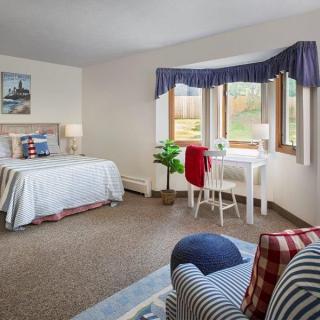
- The facility provides a warm, family-like atmosphere for elders.
- Skilled care is delivered in a setting that feels like home.
- The reviewer loved it.
Review
Roth Group Home in Grand Rapids, MI is best suited for seniors who want a genuine family-style living environment paired with skilled, attentive care. The setting emphasizes warmth, daily closeness, and involvement of family members in care decisions. A small, home-like atmosphere makes routines feel familiar rather than clinical, which matters for elders who respond best to personal, consistent caregiving. For residents who value continuity with caregivers and a strong sense of belonging, this community offers a compelling and practical fit. The emphasis on humane, individualized attention positions Roth Group Home as a standout choice among intimate care options in the Grand Rapids area.
Those who may want to consider alternatives are residents who require extensive medical technology or hospital-level monitoring, or who expect a broad calendar of on-site therapies and activities. If a family seeks a large campus with numerous amenities or a wide network of specialized rehab programs housed under one roof, other communities may deliver those services more comprehensively. Additionally, families prioritizing maximum privacy or a higher degree of independence in a more urban, bustling setting might prefer a larger, more program-driven environment. In short, the strongest fit aligns with intimate care rather than high-volume service ecosystems.
The core strengths are unmistakable: a family environment fused with skilled care. The substantial advantage is caregivers who understand residents’ histories, preferences, and routines, enabling highly personalized daily care and a quick, confident response to changes in health. This combination fosters trust and reduces the stress associated with transitions into care. It also supports better adherence to treatment plans because staff relationships are built on familiarity and steady communication with families. When medical needs surface, the presence of capable caregivers who know the resident well translates into smoother adjustments and fewer miscommunications.
Possible tradeoffs accompany a smaller, home-like setting. While the intimate atmosphere is a major asset, it can come with more limited on-site services and a leaner activity calendar compared with larger facilities. Some residents may notice fewer on-site therapists, fewer structured programs, or less variety in social offerings. For individuals with complex medical regimens requiring frequent, specialized therapies or highly diverse day-to-day programming, coordinating external services or stepping into a larger setting may be necessary. These realities aren’t flaws so much as practical considerations for aligning expectations with capacity.
Yet the pros often offset these constraints through a high-touch, family-friendly care model. The close-knit environment enables rapid adjustment of care plans as conditions evolve, while a strong emphasis on family involvement keeps loved ones actively engaged in daily routines and decision-making. The result is greater emotional security, reduced confusion, and more consistent administration of medications and treatments. In many cases, the caregiver-to-resident bond translates into fewer crises and smoother transitions, delivering real, tangible peace of mind to family members.
For families weighing Roth Group Home, the decisive question is whether a warm, intimate setting with highly personalized skilled care matches the elder’s health needs and lifestyle preferences. If the aim is to maximize daily comfort, minimize disruption, and preserve a home-like rhythm, Roth Group Home is a compelling option worthy of serious consideration. Prospective inquiries should focus on staffing patterns, what “skilled care” entails in practice, on-site medical oversight, and emergency protocols. Tours should explore how caregivers interact with residents, how family members participate in care planning, and what a typical day looks like. When those elements align with priorities, this community becomes a practical, informed choice; when they do not, it is prudent to compare alternatives that offer broader medical services or richer programmatic offerings.
 6 resident community capacity
 Assisted Living
 Cable or satellite TV
 Dining room
 Fully furnished
 Garden
 Housekeeping services
 Move-in coordination
 Outdoor space
 Telephone
 Wi-Fi/high-speed internet available
 Kent County International (8 miles away)
 24-hour supervision
 Activities of daily living assistance
 Assistance with bathing
 Assistance with dressing
 Assistance with transfers
 Diabetes diet
 Meal preparation and service
 Medication management
 Special dietary restrictions
 Transportation arrangement (medical)
 Transportation to doctors appointments



 Understanding the Distinctions: Assisted Living and Memory Care Explained
 Guiding Elderly Parents Who Refuse Assisted Living: 6 Practical Steps
 Your Comprehensive Guide to Luxury Assisted Living: Elevated Facilities, Amenities, and Costs