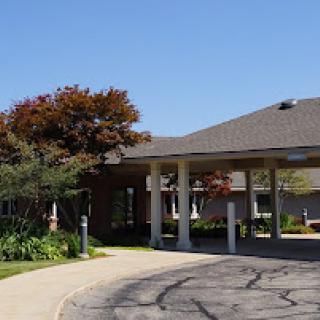
Pine Rest Eastwood Cottage

7041 Madison Avenue SE, Grand Rapids, MI 49548

For more information about senior living options: (844) 490-3973

2.4 from 100 reviews
5 stars
27
4 stars
6
3 stars
6
2 stars
5
1 stars
56

Assisted Living

Overall Review of Pine Rest Eastwood Cottage

Pros

  • pro Dr. McFarren, Pine Rest's psychiatrist, was absolutely amazing and listened without immediately resorting to stronger medications.
  • pro The outpatient program was nice, offering different classes and activities that could be attended or skipped as needed.
  • pro Group therapy was great, with participants feeling understood by others in the group.
  • pro Micah, the group leader, was absolutely amazing.
  • pro Derrick at the front desk and Ethan were both incredibly helpful, contributing positively to the experience.
  • pro The reviewer formed lifelong friendships through the program and is profoundly thankful for that.
  • pro The overall service at Pine Rest campuses was good.

Cons

  • pro They believe Pine Rest should be shut down.
  • pro They describe Pine Rest's billing as opaque and financially exploitative.
  • pro They allege treatments are reclassified monthly to maximize charges.
  • pro They report their son had no improvement and actually worsened under care.
  • pro They say a staff comment about electroshock therapy caused fear, and the son feels followed by staff and police.
  • pro They claim staff accused the son of faking to obtain drugs.
  • pro They state self-admission prevented leaving and the environment traumatized them.
  • pro They describe rapid withdrawal from meds and adding others to counteract as harmful.
  • pro They say the psychiatrist was standoffish and pushed inpatient care rather than addressing needs.
  • pro They claim Pine Rest cares more about money than mental health.
  • pro They recount rude, angry staff and poor communication from a guardian's perspective, including an abrupt discharge.
  • pro They describe the group leader as unengaging and poorly running classes.

Review

A broad chorus of experiences emerges when people talk about Pine Rest and its related networks, with occasional nods to alternative options like Lifestance and Talkistry. Some reviewers explicitly urge others to seek care elsewhere, while others acknowledge that certain campuses or programs can deliver solid care. The comments also point to practical details that matter to many patients: the promise of accepting all insurance, the availability of virtual or in-person visits, and the reality that the overall mood of care can swing from hopeful to bleak depending on the day and the provider.

A persistent point of contention is the billing experience. Several reviewers describe a process that feels opaque and financially punishing: you may believe your insurance covers what you need, only to be confronted by a high copay that seems to escalate over time. There are mentions of patient assistance programs that don't relieve the burden, and of treatment being reclassified month by month in ways that maximize charges. One person even describes discovering the full extent of the bill only after it had already mounted, leaving them feeling misled and stressed about whether the care was financially sustainable. The impression is that billing practices overshadow the patient's well-being, turning what should be a healing process into a source of ongoing financial anxiety.

Several reviews center on a family member's experience with a son who has serious and persistent mental health challenges. Over about a year of therapy, the outcome is described as disappointing or even worsening, with the parent noting that there has been little to no improvement. A troubling incident is recounted: a staff member allegedly made a comment about electroconvulsive therapy, which exacerbated the son's anxiety and paranoia, making him feel watched by staff and even by police. The son is described as fearful of returning, convinced that he is being targeted, and the caregiver emphasizes that he needs genuine help beyond conventional talk therapy. This thread underscores a fear that the program may not be equipped to address severe mental disorders, and that communication from staff about treatment options can have a profound negative impact on trust.

Another set of reviews describes deeply traumatic personal experiences within the facility. A reviewer recounts feeling silenced and constrained by the process, including being unaware that self-admission does not entitle immediate exit. The room environment is described as traumatizing, and the rapid tapering off a medication (Effexor) followed by a switch to other meds (including gabapentin) is cited as contributing to emotional damage and a sense of neglect. The fallout includes a fear of worsened mental health, and one person goes so far as to say they would consider suing. Worries about medication side effects, such as drowsiness from gabapentin causing a serious driving incident, deepen the sense that the care environment failed to protect their safety and autonomy.

A separate post focuses on a specific patient encounter with a psychiatrist who is portrayed as distant and dismissive. In this account, the clinician interrupts the patient and steers the conversation toward assumptions, suggesting inpatient care rather than completing an outpatient evaluation. The reviewer describes receiving a generic, uninspired medication approach and notes a lack of follow-up, reinforcing a view that the clinic is more focused on convenience or standard scripts than on tailoring care to individual needs. The overarching impression is that the system sometimes prioritizes efficiency or institutional pressure over the patient's actual mental health trajectory.

Guardian testimony adds another layer of complexity. In this extended account, the daily interactions with staff are mixed; some care team members are described as caring, while others, like a nurse named Brittany, are depicted as rude and blunt, with apologies offered only after the fact. The letter weaves in a personal narrative about a son who is deeply connected to his football past, and whose trajectory includes concerns about traumatic brain injury and chronic mental health struggle. The guardian argues that communication around discharge, guardianship, and ongoing care was inadequate, with frustration mounting when critical updates about the son's status were not provided. There is a sense of fear and helplessness as the family navigates uncertainty, law enforcement involvement, and the search for a safe, appropriate path forward.

On the brighter side, there are glowing endorsements of a particular outpatient stint. One reviewer completed eight days in an outpatient program and praised the psychiatrist, Dr. McFarren, for listening and for avoiding an immediate switch to hard-core addictive meds. The program itself is described as well-structured, offering diverse classes and activity options, with group therapy that helped the patient feel understood. The group leader for that experience, Micah, is repeatedly highlighted as amazing and supportive, contributing to a sense of belonging and real progress. The only substantive critique in that episode concerns the group instructor, Rachel, whom some participants felt was disengaged and unhelpful, especially when Micah was unavailable. The reviewer suggests more transparency, such as listing instructors' names so patients can choose accordingly. Even in this positive frame, there is gratitude for staff members at the front desk (Derrick and Ethan) who helped ease a difficult period, and an acknowledgment that meaningful connections and lifelong friendships can emerge from a rehabilitation or therapy program.

Taken together, the collection of reviews paints a nuanced portrait of Pine Rest and its associated networks. There are notable successes - caregivers and patients who felt supported by thoughtful clinicians, effective group therapy dynamics, and staff who provided humane, compassionate care. Yet there are equally strong currents of frustration: opaque billing, disjointed communication, and experiences that left individuals feeling disempowered, unsafe, or dismissed. The narratives repeatedly call for more transparency, more individualized attention, and a genuine emphasis on patient well-being over procedural or financial considerations. They also remind readers that there are upstanding professionals within the system - people like Dr. McFarren, Micah, Derrick, and Ethan - whose dedication can make a meaningful difference even in challenging circumstances.

Ultimately, the stories convey a complex reality: there can be genuine progress and warmth in mental health care, but there are also pathways that lead to mistrust, fear, and damage when treatment feels impersonal or financially punitive. For those seeking help, these accounts underscore the importance of asking hard questions up front - about billing practices, treatment plans, and the specific clinicians involved - and of weighing experiences across providers and programs. They also highlight the value of finding care teams that blend clinical expertise with transparent communication, consistent follow-up, and the kind of empathetic engagement that helps patients and families navigate difficult journeys toward stability and well-being.

Features

Housing

  • 12 resident community capacity 12 resident community capacity

Types of Care

  • Assisted Living Assisted LivingAssisted living facilities provide crucial support and care for seniors who may need help with daily tasks such as medication management, bathing, and meal preparation. These communities offer a safe and comfortable environment where seniors can maintain their independence while receiving the assistance they need to thrive in their golden years.

Amenities

  • Cable or satellite TV Cable or satellite TVCable or satellite TV is important for seniors because it provides entertainment, news, and companionship, helping to combat loneliness and boredom. It also offers a wide range of programming options tailored to different interests and preferences.
  • Dining room Dining roomDining rooms are important for seniors as they provide a space for socialization, connection, and nutritious meals. They offer opportunities for residents to bond over shared meals, foster a sense of community, and promote healthy eating habits. Dining rooms also ensure that seniors have access to well-balanced meals tailored to their dietary needs and preferences.
  • Fully furnished Fully furnishedFully furnished senior living communities are important for seniors because they provide convenience, comfort, and a hassle-free moving experience. Seniors can easily settle into their new living space without the stress of having to buy and move furniture. This allows them to focus on enjoying their new home and community.
  • Garden GardenGardens are important for seniors as they provide a peaceful and therapeutic environment for relaxation, physical activity, and socialization. Being in nature has been shown to reduce stress, improve mood, and promote overall well-being. Gardens also offer opportunities for seniors to engage in gardening activities, which can improve mobility, flexibility, and cognitive function. Additionally, gardens create a sense of community and connection with others who share a passion for plants and outdoor spaces.
  • Housekeeping services Housekeeping servicesHousekeeping services are important for seniors because they help maintain a clean and safe living environment, promote independence, and reduce the risk of accidents or illnesses. Additionally, having assistance with household chores can alleviate physical strain and allow seniors to focus on other aspects of their well-being.
  • Move-in coordination Move-in coordinationMove-in coordination is important for seniors because it helps ease the transition into their new living environment. It ensures that all logistics, such as packing, organizing movers, and setting up utilities are taken care of, allowing seniors to focus on settling in and adjusting to their new home. Having a smooth move-in process can alleviate stress and anxiety, making the transition smoother and more enjoyable for seniors.
  • Outdoor space Outdoor spaceOutdoor spaces are important for seniors as they provide opportunities for physical activity, social interaction, exposure to natural light and fresh air, and a sense of connection to nature. Having access to outdoor spaces can improve overall well-being and quality of life for older adults living in senior communities.
  • Telephone TelephoneTelephones are important for seniors as they provide a lifeline for communication with loved ones, emergency services, and healthcare providers. They offer a sense of security and independence, enabling seniors to stay connected and access assistance when needed.
  • Wi-Fi/high-speed internet available Wi-Fi/high-speed internet availableWi-Fi/high-speed internet is important for seniors to stay connected with loved ones, access online resources, and participate in virtual activities to combat feelings of loneliness and isolation. It also allows them to easily manage healthcare needs, access entertainment, and engage in lifelong learning opportunities.

Transportation

  • Kent County International (7 miles away) Kent County International (7 miles away)

Care Services

  • 24-hour supervision 24-hour supervision24-hour supervision is important for seniors to ensure their safety, well-being, and access to immediate assistance in case of emergencies or health issues. This constant support provides peace of mind for both seniors and their loved ones, allowing them to age in place with dignity and security.
  • Activities of daily living assistance Activities of daily living assistanceActivities of daily living assistance are important for seniors because they provide essential support with tasks such as eating, bathing, dressing, and mobility. This assistance helps seniors maintain their independence, dignity, and overall quality of life as they age.
  • Assistance with bathing Assistance with bathingAssistance with bathing is crucial for seniors as it helps maintain personal hygiene, prevents infections, and ensures their overall well-being and comfort. It also provides a sense of dignity and independence for seniors who may struggle with this task on their own.
  • Assistance with dressing Assistance with dressingAssistance with dressing is important for seniors because it helps maintain their independence, promotes personal hygiene, prevents accidents and injuries, and improves overall quality of life. This service ensures that seniors can continue to dress comfortably and confidently, despite any physical limitations they may have.
  • Assistance with transfers Assistance with transfersAssistance with transfers is crucial for seniors as it helps prevent falls and injuries, maintains their independence, and ensures they can safely navigate their living environment. It also provides peace of mind for both seniors and their loved ones.
  • Coordination with health care providers Coordination with health care providersCoordination with health care providers is crucial for seniors to ensure proper medical care, medication management, and overall well-being. This collaboration helps prevent overlapping treatments, track progress more effectively, and provide comprehensive support tailored to individual needs.
  • Diabetes diet Diabetes dietA diabetes diet is crucial for seniors as it helps manage blood sugar levels, reduce risks of complications, and improve overall health and well-being. By following a balanced and nutritious diet tailored to their specific needs, seniors can better control their diabetes and enhance their quality of life.
  • Meal preparation and service Meal preparation and serviceMeal preparation and service are crucial for seniors as they may have limited mobility or energy to cook nutritious meals. Having access to healthy and convenient food options can ensure they are getting the proper nutrition needed to maintain their overall health and well-being.
  • Medication management Medication managementMedication management is crucial for seniors to ensure they are taking the right medications at the correct dosages and times. This helps prevent adverse drug interactions, reduces the risk of medication errors, and promotes overall health and well-being. Proactive management also allows for adjustments as needed based on changing health conditions or new prescriptions.
  • Special dietary restrictions Special dietary restrictionsSpecial dietary restrictions are important for seniors because age-related changes in metabolism and health conditions can make it difficult for their bodies to process certain foods. By following a diet tailored to their specific needs, seniors can maintain their overall health and well-being, manage chronic conditions, and reduce the risk of complications such as malnutrition or food interactions with medications.
  • Transportation arrangement (medical) Transportation arrangement (medical)Transportation arrangements for medical purposes are essential for seniors as they may have difficulty driving themselves to appointments or accessing public transportation. Having reliable and safe transportation options ensures that seniors can receive timely medical care and maintain their health and well-being.
  • Transportation to doctors appointments Transportation to doctors appointmentsTransportation to doctors' appointments is crucial for seniors as it ensures they have access to necessary medical care and support for their health needs. Without reliable transportation, seniors may struggle to attend important appointments, leading to potential delays in treatment and health complications. Providing transportation services helps seniors maintain their overall well-being and quality of life.

Dining

  • Diabetes diet Diabetes dietA diabetes diet is crucial for seniors as it helps manage blood sugar levels, reduce risks of complications, and improve overall health and well-being. By following a balanced and nutritious diet tailored to their specific needs, seniors can better control their diabetes and enhance their quality of life.
  • Special dietary restrictions Special dietary restrictionsSpecial dietary restrictions are important for seniors because age-related changes in metabolism and health conditions can make it difficult for their bodies to process certain foods. By following a diet tailored to their specific needs, seniors can maintain their overall health and well-being, manage chronic conditions, and reduce the risk of complications such as malnutrition or food interactions with medications.

Activities

  • Community-sponsored activities Community-sponsored activitiesCommunity-sponsored activities are important for seniors as they provide opportunities for social interaction, mental stimulation, and physical activity. These activities can help improve overall well-being, combat loneliness and isolation, and promote a sense of belonging and purpose among older adults.
  • Scheduled daily activities Scheduled daily activitiesScheduled daily activities are important for seniors because they provide structure, socialization, mental stimulation, and physical activity. Engaging in regular activities can improve overall well-being and quality of life for seniors living in a community setting.

Description

Pine Rest Eastwood Cottage in Grand Rapids, MI is an exceptional assisted living community that offers a range of amenities and care services tailored to meet the unique needs of its residents. The community provides a warm and inviting atmosphere, with fully furnished accommodations for comfortable living.

Residents at Pine Rest Eastwood Cottage can enjoy delicious meals in the on-site dining room, which offers a variety of menu options. Special dietary restrictions are accommodated to ensure that all residents' nutritional needs are met. Housekeeping services are provided to maintain a clean and tidy living environment.

The community also boasts beautiful outdoor spaces, allowing residents to enjoy nature and fresh air. Wi-Fi/high-speed internet is available throughout the premises, ensuring that residents can stay connected with family and friends.

Care services at Pine Rest Eastwood Cottage include assistance with daily activities such as bathing, dressing, and transfers. The staff members coordinate with healthcare providers to ensure that residents receive the necessary medical attention. Medication management is also provided to ensure that medications are taken correctly. Special dietary restrictions are accommodated, and meal preparation and service are available as needed.

Transportation arrangement for medical purposes is provided, along with transportation to doctors' appointments. This makes it convenient for residents to attend medical appointments without hassle or inconvenience.

In terms of nearby amenities, there are two cafes, 15 pharmacies, 12 physicians' offices, 16 restaurants, one transportation option, four places of worship, and five hospitals in close proximity to Pine Rest Eastwood Cottage. This ensures easy access to various services and facilities.

Additionally, scheduled daily activities are offered at the community for residents to engage in socialization and entertainment. These activities promote a sense of belonging within the community and enhance overall well-being.

Overall, Pine Rest Eastwood Cottage in Grand Rapids, MI offers an excellent assisted living experience with a wide range of amenities and care services designed to support the independence and comfort of its residents while meeting their unique needs.

Nearby Places of Interest

Hospitals

  • Pine Rest: Van Andel Center (0.2 miles)
  • Pine Rest: Mulder Therapy Center (0.2 miles)
  • Trinity Health Medical Center (3.5 miles)
  • Metro Health Hospital (3.5 miles)
  • Spectrum Health Lab (3.9 miles)

Pharmacies

  • Walgreens (0.6 miles)
  • Family Fare (1.8 miles)
  • Meijer Pharmacy (1.9 miles)
  • Rite Aid (2 miles)
  • Walgreens (2 miles)
  • CVS Pharmacy (2.3 miles)
  • Meijer Drive Up Pharmacy (2.3 miles)

Transportation

  • Enterprise Rent-A-Car (0.9 miles)

Restaurants

  • Arby's (1 miles)
  • McDonald's (1.2 miles)
  • 76th Street Truck Stop Diner (1.3 miles)
  • FireRock Grille (1.5 miles)
  • Chick-Fil-A (1.6 miles)
  • Peppino's Sports Grille & Pizzeria (1.7 miles)
  • McDonald's (1.9 miles)

Places of Worship

  • Providence Christian Reformed Church (1.1 miles)
  • Cornerstone Church (2.3 miles)
  • St Mark Lutheran Church (3 miles)
  • Cornerstone Methodist (4.2 miles)
  • Christ Church-Pca (6.1 miles)
  • Madison Square Christian Reformed Church (7 miles)

Physicians

  • Battiste Family Medicine PLC (1.5 miles)
  • Mikids Pediatrics (1.6 miles)
  • Psychiatric Associates Of West Michigan (1.9 miles)
  • SVS Vision Optical Centers (2 miles)
  • Wolverine Dermatology (3.1 miles)
  • Metro Health Cancer Center (3.3 miles)
  • Gastroenterology Associates of Western Michigan (3.5 miles)

Cafes

  • Starbucks (1.7 miles)
  • Starbucks (2 miles)
  • Real Food Cafe (5.7 miles)
  • Starbucks (6.3 miles)
  • Starbucks (6.4 miles)
  • Starbucks (6.7 miles)

Parks

  • Lemery Park (5 miles)
  • Chesebro Park (6.2 miles)

Theaters

  • Celebration! Cinema RiverTown (5.9 miles)
  • Phoenix Theaters (6.4 miles)

Frequently Asked Questions

Where is Pine Rest Eastwood Cottage?

Nearby Communities

Related Resources

  • assisted living vs skilled nursingExploring the Contrasts Between Assisted Living and Skilled Nursing

    The article compares assisted living and skilled nursing facilities, detailing their differing levels of assistance, medical support, cost structures, and day-to-day experiences. It emphasizes that assisted living is for those needing help with daily activities while maintaining independence, whereas skilled nursing facilities provide intensive medical care with 24-hour staff supervision.

  • when to move from assisted living to nursing home8 Key Indicators That Suggest It May Be Time to Transition from Assisted Living to Skilled Nursing Care

    The transition from assisted living to skilled nursing care is often prompted by complex medical needs that assisted living cannot meet, with key indicators including frequent health declines, increased falls, severe memory issues, and caregiver burnout. Families should recognize these signs early to discuss options with healthcare providers and prepare for the emotional and logistical aspects of moving to a facility that offers comprehensive medical support.

  • active senior livingVibrant Senior Living: A Comprehensive Guide for Active Older Adults

    Vibrant Senior Living emphasizes active senior living communities that promote independence and engagement through diverse amenities and activities, fostering wellness and social interaction among older adults. These communities range from independent to assisted living, with a focus on personal growth, family involvement, financial planning, and leveraging technology to enhance residents' experiences.