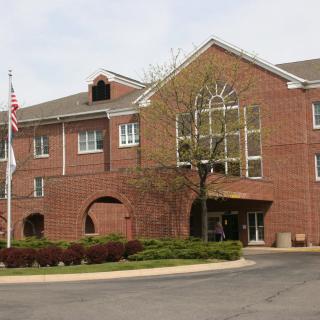
Lancashire Court Group Home in Grand Rapids, MI

Information last verified:

945 Lancashire Court SE, Grand Rapids, MI 49508

For more information about senior living options: (844) 490-3973

5 from 83 reviews
5 stars
82
4 stars
1
3 stars
0
2 stars
0
1 stars
0

Seniors.FYI Elite Community Awards

Top 5% Senior Living Community in 2022Top 5% Senior Living Community in 2023Top 5% Senior Living Community in 2024Top 5% Senior Living Community in 2025Top 5% Senior Living Community in 2026

Add this award to your website

Overall Review of Lancashire Court Group Home

Pros

  • pro John Dial is a game changer who understands the market, advocates for his clients, and gets deals done.
  • pro The Legacy Homes GR team is professional, responsive, and treats clients like family.
  • pro Jason Griffin is amazing and phenomenal, guiding buyers with patience and care.
  • pro Parker Tillman is professional, responsive, and goes above and beyond to help clients find their dream homes.
  • pro Tanya Powell-May is knowledgeable, patient, and consistently delivers personalized service.
  • pro Stephanie Pierce is professional, attentive, and goes the extra mile to ensure client satisfaction.
  • pro Angelique Edwards is wonderful, caring, and highly knowledgeable about the Grand Rapids area.
  • pro Synia is patient, thorough, and listens to clients’ needs, making the purchase process smoother.
  • pro Jessie and the Legacy Homes GR team are stellar, with outstanding professionalism and a client-first approach.
  • pro The Legacy Homes GR team communicates clearly, keeps clients informed, and treats them with care throughout the transaction.
  • pro Jason Griffin demonstrates integrity and dedication, making clients feel supported from start to finish.
  • pro Parker Tillman and the Legacy team deliver an enjoyable, smooth home-buying experience with top-tier service.

Review

Lancashire Court Group Home in Grand Rapids is best suited for families that want a high-touch, advocacy-forward approach to senior living, where relationships drive the entire experience. The strongest fit is for those who value a partner in every step, from move-in planning through daily routines, rather than a cold, transactional stay. The culture implied by the strongest reviews is one of proactive advocacy, meticulous attention to detail, and relentless responsiveness. Families should expect a consistent point of contact who treats the transition as a shared mission, keeps everyone informed, and goes beyond the bare minimum to ensure comfort, safety, and continuity. In short, this community is a practical home for decision-makers who want to feel supported, heard, and confidently guided through the often stressful process of selecting care.

That said, it is prudent to consider alternatives for families with higher medical acuity needs or strict budget constraints. If the priority is round-the-clock skilled nursing, complex memory care, or a strictly predictable pricing model with crystal-clear long-term cost projections, other options may fit better. High-level clinical oversight and a clearly defined, command-and-control structure around care plans can be decisive for some families, and those requirements should be validated in person. Lancashire Court can still be a strong choice for many, but it is reasonable to compare with communities that emphasize medical-rich programming or lower-cost structures to ensure the decision aligns with specific care levels and financial goals.

The core advantages, proactive advocacy, dependable communication, and a genuinely relationship-first mindset, tend to offset typical concerns about shifting emotions during transitions or uncertainty about services offered. The tone in the best reviews is one of care teams that understand the stress families face and respond with clarity, transparency, and persistent follow-through. An environment that embodies these traits minimizes the risk of miscommunication, reduces wait times for answers, and strengthens trust between families, residents, and staff. When care plans are revisited, when new services are needed, or when a life change occurs, the ability to rely on a single, accountable liaison empowers families to stay engaged without feeling overwhelmed. Those benefits are particularly meaningful in a community that emphasizes smooth transitions and personalized problem-solving.

To translate these strengths into a practical decision, families should verify several on-site realities before choosing Lancashire Court. Demand a tour that focuses not just on décor but on how staff interact with residents, how care needs are assessed, and how daily routines are built around individual preferences. Request a transparent outline of the move-in process, the checklist of tasks, and the first 90 days of care planning. Ask about care plan updates, how often they’re reviewed, and who approves changes. Importantly, observe how the community handles family communication: are updates timely, nuanced, and specific to each resident’s goals? The most compelling signal is consistency: a clear, repeatable process that preserves family involvement while ensuring residents receive attentive, individualized care.

In terms of the on-the-ground dynamics, expectations should include a strong, dependable point of contact for families who can translate goals into tangible services, schedules, and supports. The reviews that inform this assessment repeatedly highlight teams that are patient, responsive, and personable, qualities that translate into lower stress during a move and higher satisfaction over time. Potential residents should also probe staffing: what are typical ratios, what credentials do care staff hold, and how is continuity maintained across shifts? A culture that actively seeks feedback, honors commitments, and demonstrates accountability tends to weather inevitable bumps with grace. Those are the operational characteristics that often separate a good community from a great one.

Ultimately, Lancashire Court Group Home represents a compelling option for families seeking a home where care is augmented by a proactive, family-like partnership. The right decision hinges on aligning the community’s strengths with the resident’s medical needs and the family’s financial reality. For households prioritizing advocacy, transparent communication, and a supportive transition into daily living, the ensemble of strengths suggested by the best experiences is hard to overlook. Conversely, for those whose demands include high-acuity medical oversight or ultra-low-cost care, it remains wise to explore alternatives and test-drive options side by side. Informed families will schedule a thorough visit, compare care plans and pricing with other options, and choose the path that delivers both security and everyday belonging for their loved one. Lancashire Court can be that decisive, dependable ally, provided the fit is right and the expectations are clear.

Features

Housing

  • 6 resident community capacity 6 resident community capacity

Types of Care

  • Assisted Living Assisted LivingAssisted living facilities provide crucial support and care for seniors who may need help with daily tasks such as medication management, bathing, and meal preparation. These communities offer a safe and comfortable environment where seniors can maintain their independence while receiving the assistance they need to thrive in their golden years.

Amenities

  • Cable or satellite TV Cable or satellite TVCable or satellite TV is important for seniors because it provides entertainment, news, and companionship, helping to combat loneliness and boredom. It also offers a wide range of programming options tailored to different interests and preferences.
  • Dining room Dining roomDining rooms are important for seniors as they provide a space for socialization, connection, and nutritious meals. They offer opportunities for residents to bond over shared meals, foster a sense of community, and promote healthy eating habits. Dining rooms also ensure that seniors have access to well-balanced meals tailored to their dietary needs and preferences.
  • Fully furnished Fully furnishedFully furnished senior living communities are important for seniors because they provide convenience, comfort, and a hassle-free moving experience. Seniors can easily settle into their new living space without the stress of having to buy and move furniture. This allows them to focus on enjoying their new home and community.
  • Garden GardenGardens are important for seniors as they provide a peaceful and therapeutic environment for relaxation, physical activity, and socialization. Being in nature has been shown to reduce stress, improve mood, and promote overall well-being. Gardens also offer opportunities for seniors to engage in gardening activities, which can improve mobility, flexibility, and cognitive function. Additionally, gardens create a sense of community and connection with others who share a passion for plants and outdoor spaces.
  • Housekeeping services Housekeeping servicesHousekeeping services are important for seniors because they help maintain a clean and safe living environment, promote independence, and reduce the risk of accidents or illnesses. Additionally, having assistance with household chores can alleviate physical strain and allow seniors to focus on other aspects of their well-being.
  • Move-in coordination Move-in coordinationMove-in coordination is important for seniors because it helps ease the transition into their new living environment. It ensures that all logistics, such as packing, organizing movers, and setting up utilities are taken care of, allowing seniors to focus on settling in and adjusting to their new home. Having a smooth move-in process can alleviate stress and anxiety, making the transition smoother and more enjoyable for seniors.
  • Outdoor space Outdoor spaceOutdoor spaces are important for seniors as they provide opportunities for physical activity, social interaction, exposure to natural light and fresh air, and a sense of connection to nature. Having access to outdoor spaces can improve overall well-being and quality of life for older adults living in senior communities.
  • Telephone TelephoneTelephones are important for seniors as they provide a lifeline for communication with loved ones, emergency services, and healthcare providers. They offer a sense of security and independence, enabling seniors to stay connected and access assistance when needed.
  • Wi-Fi/high-speed internet available Wi-Fi/high-speed internet availableWi-Fi/high-speed internet is important for seniors to stay connected with loved ones, access online resources, and participate in virtual activities to combat feelings of loneliness and isolation. It also allows them to easily manage healthcare needs, access entertainment, and engage in lifelong learning opportunities.

Transportation

  • Kent County International (6 miles away) Kent County International (6 miles away)

Care Services

  • 24-hour supervision 24-hour supervision24-hour supervision is important for seniors to ensure their safety, well-being, and access to immediate assistance in case of emergencies or health issues. This constant support provides peace of mind for both seniors and their loved ones, allowing them to age in place with dignity and security.
  • Activities of daily living assistance Activities of daily living assistanceActivities of daily living assistance are important for seniors because they provide essential support with tasks such as eating, bathing, dressing, and mobility. This assistance helps seniors maintain their independence, dignity, and overall quality of life as they age.
  • Assistance with bathing Assistance with bathingAssistance with bathing is crucial for seniors as it helps maintain personal hygiene, prevents infections, and ensures their overall well-being and comfort. It also provides a sense of dignity and independence for seniors who may struggle with this task on their own.
  • Assistance with dressing Assistance with dressingAssistance with dressing is important for seniors because it helps maintain their independence, promotes personal hygiene, prevents accidents and injuries, and improves overall quality of life. This service ensures that seniors can continue to dress comfortably and confidently, despite any physical limitations they may have.
  • Assistance with transfers Assistance with transfersAssistance with transfers is crucial for seniors as it helps prevent falls and injuries, maintains their independence, and ensures they can safely navigate their living environment. It also provides peace of mind for both seniors and their loved ones.
  • Coordination with health care providers Coordination with health care providersCoordination with health care providers is crucial for seniors to ensure proper medical care, medication management, and overall well-being. This collaboration helps prevent overlapping treatments, track progress more effectively, and provide comprehensive support tailored to individual needs.
  • Diabetes diet Diabetes dietA diabetes diet is crucial for seniors as it helps manage blood sugar levels, reduce risks of complications, and improve overall health and well-being. By following a balanced and nutritious diet tailored to their specific needs, seniors can better control their diabetes and enhance their quality of life.
  • Meal preparation and service Meal preparation and serviceMeal preparation and service are crucial for seniors as they may have limited mobility or energy to cook nutritious meals. Having access to healthy and convenient food options can ensure they are getting the proper nutrition needed to maintain their overall health and well-being.
  • Medication management Medication managementMedication management is crucial for seniors to ensure they are taking the right medications at the correct dosages and times. This helps prevent adverse drug interactions, reduces the risk of medication errors, and promotes overall health and well-being. Proactive management also allows for adjustments as needed based on changing health conditions or new prescriptions.
  • Special dietary restrictions Special dietary restrictionsSpecial dietary restrictions are important for seniors because age-related changes in metabolism and health conditions can make it difficult for their bodies to process certain foods. By following a diet tailored to their specific needs, seniors can maintain their overall health and well-being, manage chronic conditions, and reduce the risk of complications such as malnutrition or food interactions with medications.
  • Transportation arrangement (medical) Transportation arrangement (medical)Transportation arrangements for medical purposes are essential for seniors as they may have difficulty driving themselves to appointments or accessing public transportation. Having reliable and safe transportation options ensures that seniors can receive timely medical care and maintain their health and well-being.
  • Transportation to doctors appointments Transportation to doctors appointmentsTransportation to doctors' appointments is crucial for seniors as it ensures they have access to necessary medical care and support for their health needs. Without reliable transportation, seniors may struggle to attend important appointments, leading to potential delays in treatment and health complications. Providing transportation services helps seniors maintain their overall well-being and quality of life.

Dining

  • Diabetes diet Diabetes dietA diabetes diet is crucial for seniors as it helps manage blood sugar levels, reduce risks of complications, and improve overall health and well-being. By following a balanced and nutritious diet tailored to their specific needs, seniors can better control their diabetes and enhance their quality of life.
  • Special dietary restrictions Special dietary restrictionsSpecial dietary restrictions are important for seniors because age-related changes in metabolism and health conditions can make it difficult for their bodies to process certain foods. By following a diet tailored to their specific needs, seniors can maintain their overall health and well-being, manage chronic conditions, and reduce the risk of complications such as malnutrition or food interactions with medications.

Activities

  • Community-sponsored activities Community-sponsored activitiesCommunity-sponsored activities are important for seniors as they provide opportunities for social interaction, mental stimulation, and physical activity. These activities can help improve overall well-being, combat loneliness and isolation, and promote a sense of belonging and purpose among older adults.
  • Scheduled daily activities Scheduled daily activitiesScheduled daily activities are important for seniors because they provide structure, socialization, mental stimulation, and physical activity. Engaging in regular activities can improve overall well-being and quality of life for seniors living in a community setting.

Description

The Lancashire Court Group Home in Grand Rapids, MI is an assisted living community that offers a range of amenities and care services to meet the needs of its residents. The home features a spacious dining room where residents can enjoy nutritious meals prepared and served by the staff. Each room is fully furnished, providing a comfortable and welcoming environment for residents. The community also has a beautiful garden and outdoor space where residents can relax and enjoy the fresh air.

Housekeeping services are provided to ensure that the living spaces are clean and well-maintained. Move-in coordination is available to assist new residents with the transition process. Residents have access to telephone service as well as Wi-Fi/high-speed internet for staying connected with family and friends.

The Lancashire Court Group Home provides assistance with activities of daily living such as bathing, dressing, and transfers. The staff also coordinates with health care providers to ensure that residents receive the necessary medical care. For those with diabetes or specific dietary restrictions, specialized diets are available. Medication management services are provided to ensure that residents take their medications correctly and on time.

Transportation arrangements are made for medical appointments, and there is nearby transportation available for other needs as well. The community is conveniently located near cafes, parks, pharmacies, physicians' offices, restaurants, places of worship, theaters, and hospitals. This provides residents with easy access to various amenities and services within the area.

To keep residents engaged and active, scheduled daily activities are offered at the Lancashire Court Group Home. These activities cater to different interests and abilities, promoting socialization and overall well-being.

Overall, the Lancashire Court Group Home provides a comfortable and supportive environment for older adults who require assistance with daily tasks but still want to maintain their independence. With its amenities and care services, this assisted living community strives to enhance the quality of life for its residents while ensuring their safety and well-being.

Nearby Places of Interest

Pharmacies

  • CVS Pharmacy (0.6 miles)
  • Walgreens (0.9 miles)
  • Walgreens (1.9 miles)
  • Walgreens (2 miles)
  • Emergency Response Training (2.1 miles)
  • CVS Pharmacy (2.2 miles)
  • Walgreens (2.3 miles)

Restaurants

  • Taco Bell (0.7 miles)
  • Silver Derby (1.6 miles)
  • Mr Burger (1.8 miles)
  • Village Inn (2.2 miles)
  • Brigg's Dairy Treat (2.3 miles)
  • McDonald's (2.3 miles)
  • Taco Bell (2.4 miles)

Cafes

  • Real Food Cafe (1 miles)
  • Starbucks (2.4 miles)
  • Starbucks (3 miles)
  • Rowster New American Coffee (3.5 miles)
  • Starbucks (4 miles)
  • The Intersection (4.1 miles)

Parks

  • Chesebro Park (1.5 miles)
  • Lemery Park (4.1 miles)

Physicians

  • Spectrum Health (1.8 miles)
  • Rx Optical (2.3 miles)
  • Dr. Philip Hunt (2.9 miles)
  • Keil Lasik Vision Center (3.1 miles)
  • Adolescent and Family Behavioral Health Services (3.3 miles)
  • Psychiatric Associates Of West Michigan (3.4 miles)
  • Metro Health Medical Group (3.7 miles)

Places of Worship

  • Christ Church-Pca (2 miles)
  • Madison Square Christian Reformed Church (2.4 miles)
  • St Mark Lutheran Church (2.8 miles)
  • Church of the Servant (3.8 miles)
  • Temple Emanuel (4.1 miles)

Hospitals

  • Spectrum Health Lab (2.6 miles)
  • Blodgett Hospital (3.5 miles)
  • St Marys Hospital (3.8 miles)
  • Trinity Health Birth Center - Grand Rapids Hospital (3.8 miles)
  • Richard J. Lacks Sr. Cancer Center (3.9 miles)

Theaters

  • Phoenix Theaters (2.9 miles)
  • Celebration Cinema Stu (4.1 miles)
  • Studio Park (4.1 miles)

Transportation

  • Amtrak - Grand Rapids Vernon J. Ehlers Station (3.8 miles)

Frequently Asked Questions

Where is Lancashire Court Group Home?

Nearby Communities

  • Brooklyn Group Home

    Brooklyn Group Home

    Grand Rapids, MI


    pro Small, intimate setting (6 residents) with 24-hour supervision and all-inclusive services
  • Willow Creek - West

    Willow Creek - West

    Grand Rapids, MI

    4.3 from 29 reviews
     

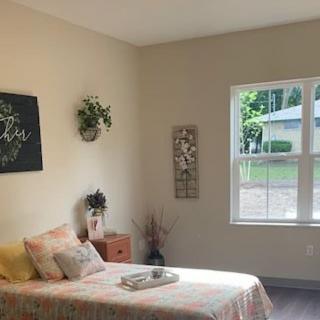
    pro Fully furnished apartments with 24/7 care and a mental wellness program.

  • Willow Creek - East

    Willow Creek - East

    Grand Rapids, MI

    4.3 from 30 reviews
     

    pro Fully furnished assisted living with 24/7 care, coordinated health services, and engaging activities.

  • Alger Heights - South

    Alger Heights - South

    Grand Rapids, MI


    pro Fully furnished suites with comprehensive care and convenient services.
  • Old Dutch Home Care

    Old Dutch Home Care

    Grand Rapids, MI

    4.5 from 4 reviews
     

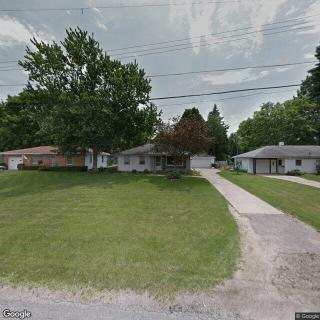
    pro Vibrant community with convenient access to dining, parks, worship, theaters, and healthcare.

  • New Hope Group Home

    New Hope Group Home

    Grand Rapids, MI

    3.1 from 8 reviews
     

    pro Personalized 24/7 care in a home-like board-and-care setting with comprehensive ADL support and health coordination

  • Beacon Hill at Eastgate

    Beacon Hill at Eastgate

    Grand Rapids, MI

    4.4 from 45 reviews
    $1,160 to $2,420 / month

    pro Compassionate staff with comprehensive care options (independent, assisted, memory care) in a peaceful, amenity-rich setting.
  • Breton Woods of Holland Home

    Breton Woods of Holland Home

    Grand Rapids, MI

    4.6 from 7 reviews
    $908 / month

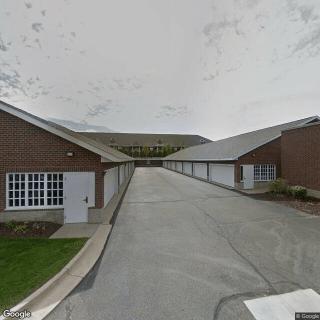
    pro Continuum of care with attractive amenities and welcoming staff.
  • Clark Retirement Community at Franklin

    Clark Retirement Community at Franklin

    Grand Rapids, MI

    3.8 from 62 reviews
    $1,700 to $2,790 / month

    pro Clean, well-maintained facility with friendly staff, engaging activities, and excellent dining; solid memory care option.

Related Resources

  • when to move from assisted living to nursing home8 Key Indicators That Suggest It May Be Time to Transition from Assisted Living to Skilled Nursing Care

    The transition from assisted living to skilled nursing care is often prompted by complex medical needs that assisted living cannot meet, with key indicators including frequent health declines, increased falls, severe memory issues, and caregiver burnout. Families should recognize these signs early to discuss options with healthcare providers and prepare for the emotional and logistical aspects of moving to a facility that offers comprehensive medical support.

  • active senior livingVibrant Senior Living: A Comprehensive Guide for Active Older Adults

    Vibrant Senior Living emphasizes active senior living communities that promote independence and engagement through diverse amenities and activities, fostering wellness and social interaction among older adults. These communities range from independent to assisted living, with a focus on personal growth, family involvement, financial planning, and leveraging technology to enhance residents' experiences.

  • when to move from assisted living to memory careWhen to Transition from Assisted Living to Memory Care: Key Indicators, Steps, and Finding the Right Community

    Transitioning from assisted living to memory care is driven by an individual's cognitive decline and specific needs, requiring careful evaluation of indicators like increased confusion and wandering. The process involves consulting medical professionals, researching suitable communities, considering financial and legal aspects, and ensuring effective communication for personalized care plans.