Willow Creek - West

Save
Willow Creek - West Willow Creek - West Willow Creek - West

Willow Creek - West

1011 28Th Street Se, Grand Rapids, MI 49507

For more information about senior living options: (844) 490-3973

4.3 from 29 reviews
5 stars
23
4 stars
1
3 stars
0
2 stars
0
1 stars
5

Assisted Living

What level of care are you interested in?

Assisted Living

Memory Care

Independent Living

Skilled Nursing Facility

Continuing Care Retirement Community (CCRC)CCRC

Other


Request a tour at Willow Creek - West

    Overall Review of Willow Creek - West

    Pros

    • pro Residents receive excellent care and are loved by the staff.
    • pro Staff demonstrate exceptional patience and understanding of memory care needs.
    • pro The facility is clean, quiet, and has strong medical monitoring of residents' health.
    • pro Meals are homemade and delicious, prepared by a talented cook.
    • pro The home-like atmosphere allows residents to sit in the dining room and enjoy meals being cooked.
    • pro Frontline staff are compassionate, friendly, and readily available to answer questions.
    • pro The community is warm and staff foster a sense of togetherness among residents.
    • pro The setting is beautiful and tranquil, located along a bubbling creek.
    • pro Changes from the Regional Operations team have made the buildings feel like home and improved the overall experience.
    • pro Caregivers get to know residents' preferences and are patient and attentive.

    Cons

    • pro The facility is under-trained to deal with dementia patients.
    • pro They take no responsibility for the poor care they give the residents.
    • pro The bedding reeked of urine, and the room was not cleaned.
    • pro A resident arrived severely dehydrated and was later hospitalized, with reports of weight loss and malnutrition during the stay.
    • pro Some patients were treated rudely and yelled at, and some employees were mean to other caregivers.
    • pro The staff were very lazy and did not take care of residents when they needed it.
    • pro The facility was disappointing.

    Review

    These reflections come from families and residents who found in memory care and assisted living a place that felt like a true home, a place where care and compassion could be measured in daily moments as well as in the big milestones. Across several locations, people spoke with gratitude for the love and attention their loved ones received, even as they acknowledged the challenges that come with caring for aging relatives. The overarching sentiment is one of appreciation for dedicated caregivers who created a sense of safety, dignity, and warmth, especially during a difficult period of life. Many described the care as a lifeline that allowed them time with their loved ones to be meaningful and peaceful, with careful medical monitoring, clean environments, and meals prepared with care.

    A recurring theme is the quality of care in memory units: caregivers who learned the personal rhythms and preferences of residents, who reminded them gently to eat and drink, and who offered patient, respectful companionship. Several reviews emphasized that their family members never had a fall, ate well, and appeared happy, with staff who knew the quirks and needs of each person. The facilities were described as clean, quiet, and well-monitored, with a kitchen staff that took pride in meals that felt homemade and comforting. The sense of a "home feel" came through strongly in multiple accounts, from residents who could watch and smell meals being cooked in the dining rooms to descriptions of picturesque settings that contributed to a calm, restorative atmosphere.

    Among the most touching endorsements were stories of staff who went beyond the routine tasks of care. Mindy, in particular, was singled out for recognizing a family member's mom as the loving person she is and for giving her the opportunity to form a strong bond with the care team. The Willow Creek staff's willingness to welcome a challenging memory care patient with kindness, patience, and genuine compassion stood out as a testament to the specialized approach that memory care often requires. Families expressed deep trust in the staff who learned her preferences and behaviors, and they appreciated the warm, accommodating way the entire team welcomed visits and supported family members. These narratives celebrate a culture where compassion and expertise converge to make difficult transitions more manageable for both residents and their loved ones.

    The environment itself was repeatedly praised for its setting and sense of community. Some reviews highlighted beautiful, tranquil surroundings - from places tucked away in Grand Rapids to settings that felt close to nature, with bubbling creeks and plenty of sunlit spaces. The ambience contributed to a sense of belonging and a community feel where residents could engage in age-appropriate activities and social interactions. People noticed positive changes over time - areas that felt more like home, cleaner buildings, and staff who were more visible and attentive. There was a clear sense that improvements were not just cosmetic but rooted in a philosophy of putting residents first, with teams actively working to enhance the living experience and the overall atmosphere of the facility.

    The strength of these communities also showed up in testimonials about staff accessibility and teamwork. Families and residents spoke of teams that were supportive and available to answer questions, even after hours and on weekends. The front-line staff were described as compassionate and dedicated, with leaders and caregivers who worked together to create a supportive climate for residents. Phrases like "great facility," "friendly staff," and "care about the individuals" recurred across reviews, underscoring a shared belief that the most important ingredient in quality care is people who genuinely care about those they serve and who collaborate to meet needs in real time.

    Yet the collection of experiences would be incomplete without acknowledging the voices of concern. Several reviews described serious shortcomings, including dehydration leading to ER visits and hospitalization, significant weight loss, poor cleanliness, and clothing or bedding that suggested neglect. One account described a patient arriving dehydrated and leaving worse off, with blame placed on staff training gaps in dementia care and basic hydration reminders. Another review recounted a scene of soiled clothing and incontinence-related distress, noting that caregivers failed to treat residents with the dignity and attention they deserve. Additional comments described instances where medication administration was mishandled or where residents were not adequately supervised, sometimes escalating tensions and behavioral challenges. Some reviewers even described rudely treated residents or caregivers who lacked empathy, indicating that tensions among staff could translate into negative experiences for residents. These voices remind us that even well-intentioned facilities must continuously invest in training, oversight, and culture to prevent harm and to honor the trust families place in care teams.

    Taken together, these accounts present a nuanced portrait of memory care and assisted living communities: they can be places of profound kindness, attentive care, and a strong sense of home, while also facing real challenges that require ongoing attention, accountability, and improvement. The stories of gratitude - about compassionate staff, personalized care, and environments that feel inviting and safe - show what is possible when dedicated teams truly center residents' dignity and well-being. At the same time, the troubling experiences call for robust training, consistent standards, and vigilant oversight to ensure every resident receives humane, respectful, and reliable care every day. For families navigating these decisions, the message is clear: there is much to value in these spaces, but there is also an imperative to listen, learn, and act swiftly when concerns arise to protect the precious time and trust that families place in these communities.

    Features

    Housing

    • 20 resident community capacity 20 resident community capacity

    Types of Care

    • Assisted Living Assisted LivingAssisted living facilities provide crucial support and care for seniors who may need help with daily tasks such as medication management, bathing, and meal preparation. These communities offer a safe and comfortable environment where seniors can maintain their independence while receiving the assistance they need to thrive in their golden years.

    Amenities

    • Beauty salon Beauty salonBeauty salons are important for seniors because they provide a space for them to feel pampered, socialize, and maintain their personal grooming and hygiene. Regular visits to a beauty salon can help boost seniors' self-esteem and overall well-being.
    • Cable or satellite TV Cable or satellite TVCable or satellite TV is important for seniors because it provides entertainment, news, and companionship, helping to combat loneliness and boredom. It also offers a wide range of programming options tailored to different interests and preferences.
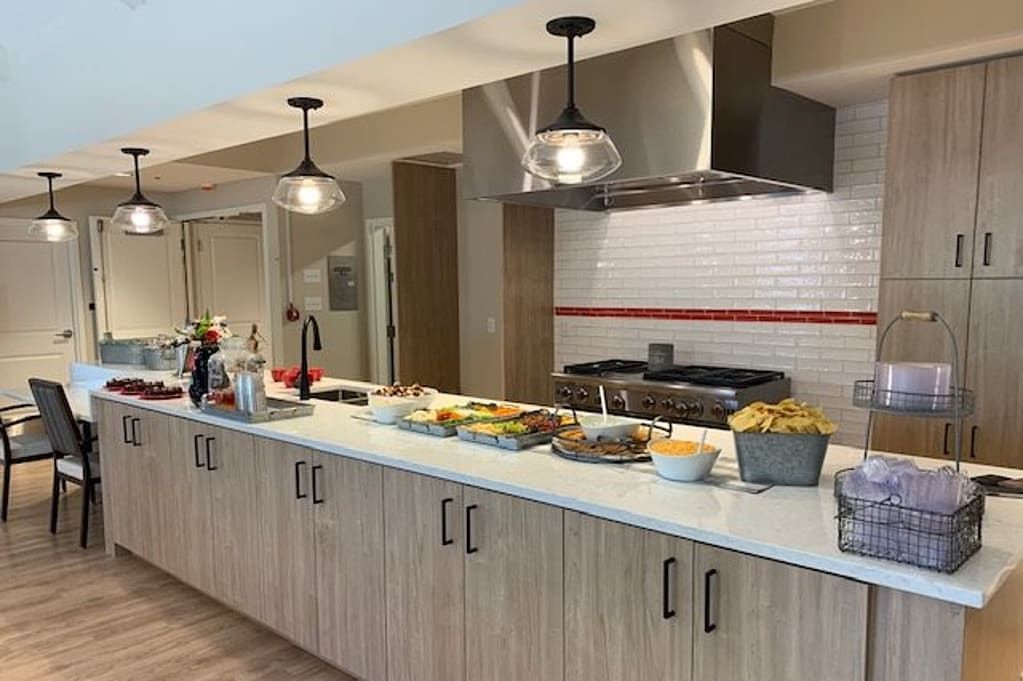
    • Dining room Dining roomDining rooms are important for seniors as they provide a space for socialization, connection, and nutritious meals. They offer opportunities for residents to bond over shared meals, foster a sense of community, and promote healthy eating habits. Dining rooms also ensure that seniors have access to well-balanced meals tailored to their dietary needs and preferences.
    • Fully furnished Fully furnishedFully furnished senior living communities are important for seniors because they provide convenience, comfort, and a hassle-free moving experience. Seniors can easily settle into their new living space without the stress of having to buy and move furniture. This allows them to focus on enjoying their new home and community.
    • Garden GardenGardens are important for seniors as they provide a peaceful and therapeutic environment for relaxation, physical activity, and socialization. Being in nature has been shown to reduce stress, improve mood, and promote overall well-being. Gardens also offer opportunities for seniors to engage in gardening activities, which can improve mobility, flexibility, and cognitive function. Additionally, gardens create a sense of community and connection with others who share a passion for plants and outdoor spaces.
    • Housekeeping services Housekeeping servicesHousekeeping services are important for seniors because they help maintain a clean and safe living environment, promote independence, and reduce the risk of accidents or illnesses. Additionally, having assistance with household chores can alleviate physical strain and allow seniors to focus on other aspects of their well-being.
    • Kitchenette KitchenetteKitchenettes are important for seniors living in senior living communities because they provide the convenience and independence of being able to prepare simple meals and snacks in the comfort of their own living space. This can help promote a sense of autonomy and well-being for seniors, allowing them to maintain some level of control over their dietary choices and daily routines.
    • Move-in coordination Move-in coordinationMove-in coordination is important for seniors because it helps ease the transition into their new living environment. It ensures that all logistics, such as packing, organizing movers, and setting up utilities are taken care of, allowing seniors to focus on settling in and adjusting to their new home. Having a smooth move-in process can alleviate stress and anxiety, making the transition smoother and more enjoyable for seniors.
    • Outdoor space Outdoor spaceOutdoor spaces are important for seniors as they provide opportunities for physical activity, social interaction, exposure to natural light and fresh air, and a sense of connection to nature. Having access to outdoor spaces can improve overall well-being and quality of life for older adults living in senior communities.
    • Telephone TelephoneTelephones are important for seniors as they provide a lifeline for communication with loved ones, emergency services, and healthcare providers. They offer a sense of security and independence, enabling seniors to stay connected and access assistance when needed.
    • Wi-Fi/high-speed internet available Wi-Fi/high-speed internet availableWi-Fi/high-speed internet is important for seniors to stay connected with loved ones, access online resources, and participate in virtual activities to combat feelings of loneliness and isolation. It also allows them to easily manage healthcare needs, access entertainment, and engage in lifelong learning opportunities.

    Transportation

    • Kent County International (6 miles away) Kent County International (6 miles away)

    Care Services

    • 24-hour call system 24-hour call system24-hour call systems are important for seniors because they provide peace of mind and immediate assistance in case of emergencies. This technology ensures that help is always available, promoting safety and security for elderly individuals living alone or in assisted living facilities.
    • 24-hour supervision 24-hour supervision24-hour supervision is important for seniors to ensure their safety, well-being, and access to immediate assistance in case of emergencies or health issues. This constant support provides peace of mind for both seniors and their loved ones, allowing them to age in place with dignity and security.
    • Activities of daily living assistance Activities of daily living assistanceActivities of daily living assistance are important for seniors because they provide essential support with tasks such as eating, bathing, dressing, and mobility. This assistance helps seniors maintain their independence, dignity, and overall quality of life as they age.
    • Assistance with bathing Assistance with bathingAssistance with bathing is crucial for seniors as it helps maintain personal hygiene, prevents infections, and ensures their overall well-being and comfort. It also provides a sense of dignity and independence for seniors who may struggle with this task on their own.
    • Assistance with dressing Assistance with dressingAssistance with dressing is important for seniors because it helps maintain their independence, promotes personal hygiene, prevents accidents and injuries, and improves overall quality of life. This service ensures that seniors can continue to dress comfortably and confidently, despite any physical limitations they may have.
    • Assistance with transfers Assistance with transfersAssistance with transfers is crucial for seniors as it helps prevent falls and injuries, maintains their independence, and ensures they can safely navigate their living environment. It also provides peace of mind for both seniors and their loved ones.
    • Coordination with health care providers Coordination with health care providersCoordination with health care providers is crucial for seniors to ensure proper medical care, medication management, and overall well-being. This collaboration helps prevent overlapping treatments, track progress more effectively, and provide comprehensive support tailored to individual needs.
    • Diabetes diet Diabetes dietA diabetes diet is crucial for seniors as it helps manage blood sugar levels, reduce risks of complications, and improve overall health and well-being. By following a balanced and nutritious diet tailored to their specific needs, seniors can better control their diabetes and enhance their quality of life.
    • Meal preparation and service Meal preparation and serviceMeal preparation and service are crucial for seniors as they may have limited mobility or energy to cook nutritious meals. Having access to healthy and convenient food options can ensure they are getting the proper nutrition needed to maintain their overall health and well-being.
    • Medication management Medication managementMedication management is crucial for seniors to ensure they are taking the right medications at the correct dosages and times. This helps prevent adverse drug interactions, reduces the risk of medication errors, and promotes overall health and well-being. Proactive management also allows for adjustments as needed based on changing health conditions or new prescriptions.
    • Mental wellness program Mental wellness programMental wellness programs are essential for seniors as they promote cognitive stimulation, emotional support, and social engagement. These programs help prevent isolation, depression, and cognitive decline, ultimately enhancing the overall quality of life for older adults.
    • Special dietary restrictions Special dietary restrictionsSpecial dietary restrictions are important for seniors because age-related changes in metabolism and health conditions can make it difficult for their bodies to process certain foods. By following a diet tailored to their specific needs, seniors can maintain their overall health and well-being, manage chronic conditions, and reduce the risk of complications such as malnutrition or food interactions with medications.
    • Transportation arrangement (medical) Transportation arrangement (medical)Transportation arrangements for medical purposes are essential for seniors as they may have difficulty driving themselves to appointments or accessing public transportation. Having reliable and safe transportation options ensures that seniors can receive timely medical care and maintain their health and well-being.
    • Transportation to doctors appointments Transportation to doctors appointmentsTransportation to doctors' appointments is crucial for seniors as it ensures they have access to necessary medical care and support for their health needs. Without reliable transportation, seniors may struggle to attend important appointments, leading to potential delays in treatment and health complications. Providing transportation services helps seniors maintain their overall well-being and quality of life.

    Dining

    • Diabetes diet Diabetes dietA diabetes diet is crucial for seniors as it helps manage blood sugar levels, reduce risks of complications, and improve overall health and well-being. By following a balanced and nutritious diet tailored to their specific needs, seniors can better control their diabetes and enhance their quality of life.
    • Special dietary restrictions Special dietary restrictionsSpecial dietary restrictions are important for seniors because age-related changes in metabolism and health conditions can make it difficult for their bodies to process certain foods. By following a diet tailored to their specific needs, seniors can maintain their overall health and well-being, manage chronic conditions, and reduce the risk of complications such as malnutrition or food interactions with medications.

    Activities

    • Community-sponsored activities Community-sponsored activitiesCommunity-sponsored activities are important for seniors as they provide opportunities for social interaction, mental stimulation, and physical activity. These activities can help improve overall well-being, combat loneliness and isolation, and promote a sense of belonging and purpose among older adults.
    • Resident-run activities Resident-run activitiesResident-run activities are important for seniors as they encourage social interaction, creativity, and a sense of autonomy. These activities empower seniors to stay engaged and active in their community while fostering meaningful connections with their peers.
    • Scheduled daily activities Scheduled daily activitiesScheduled daily activities are important for seniors because they provide structure, socialization, mental stimulation, and physical activity. Engaging in regular activities can improve overall well-being and quality of life for seniors living in a community setting.

    Description

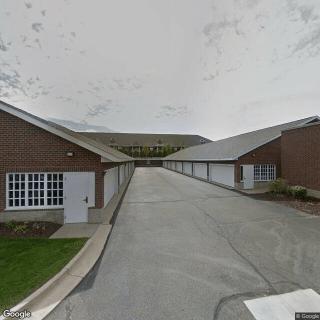
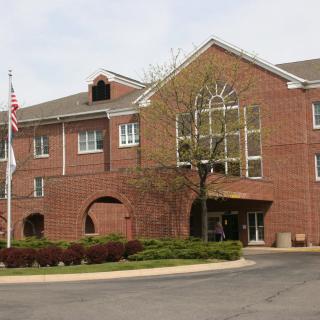
    Willow Creek - West is a premier assisted living community located in Grand Rapids, MI. Our community offers a wide range of amenities and care services to ensure the comfort and well-being of our residents.

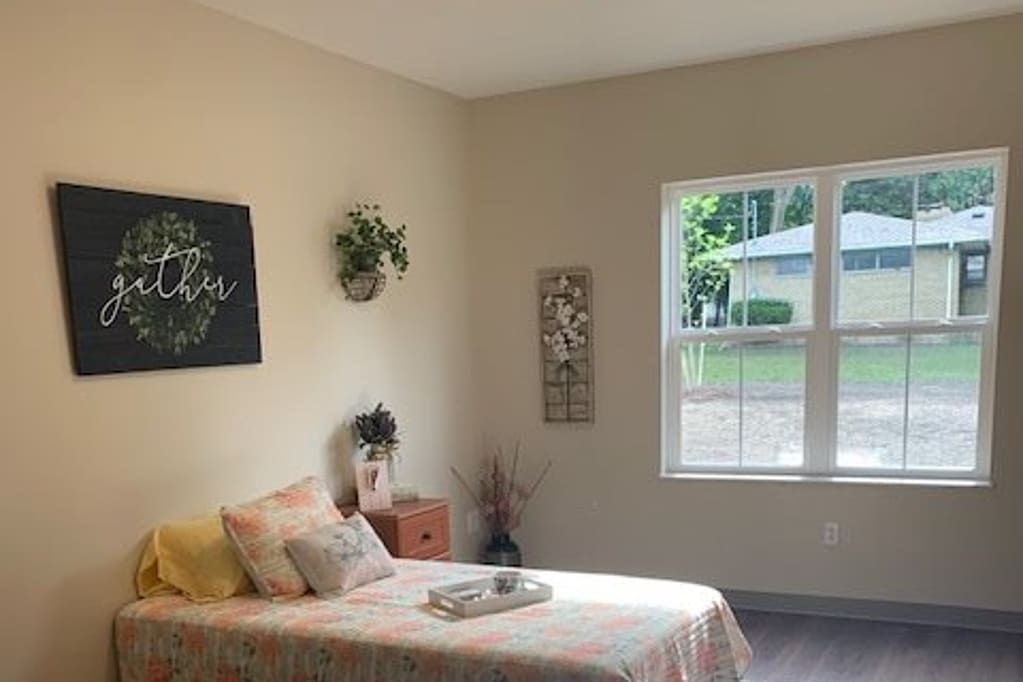
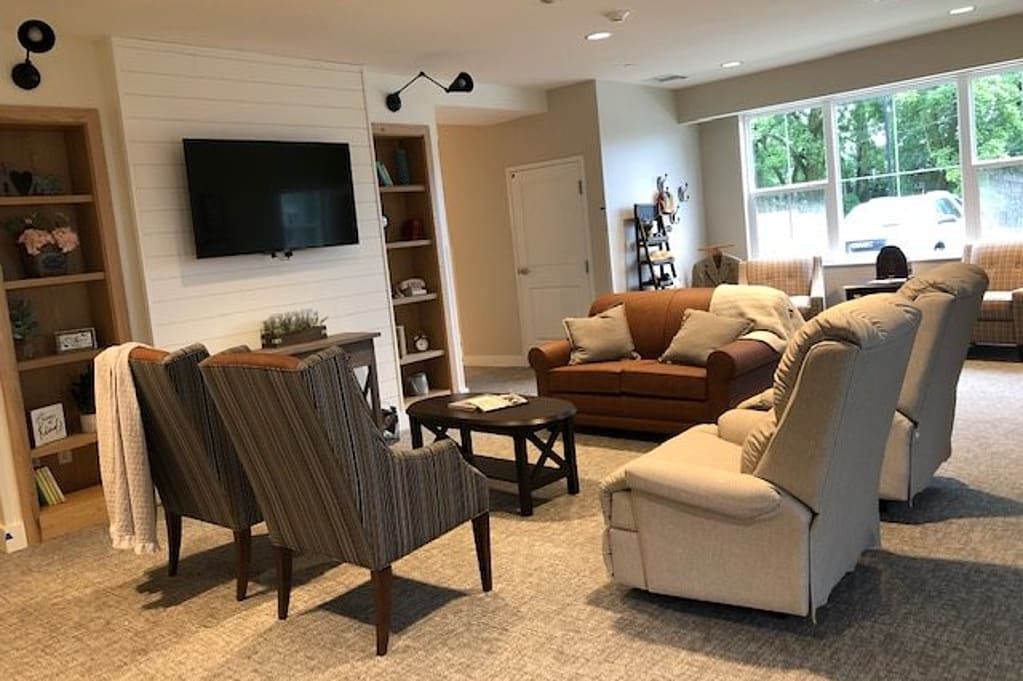
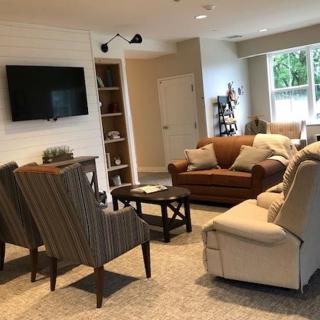
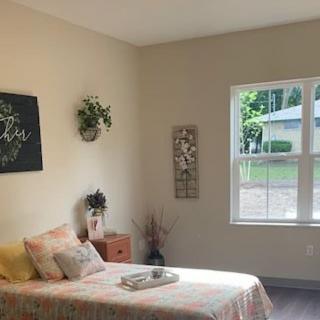
    Our spacious apartments are fully furnished and feature cable or satellite TV, a dining room, Wi-Fi/high-speed internet, and a kitchenette for added convenience. Residents can enjoy their own outdoor space in our beautiful garden or relax indoors in our comfortable common areas.

    We provide 24-hour supervision and assistance with activities of daily living to ensure that each resident receives the support they need. Our dedicated staff is trained to help with bathing, dressing, transfers, medication management, and coordination with healthcare providers. We also offer diabetes diet management and special dietary restrictions to cater to individual needs.

    At Willow Creek - West, we believe in promoting mental wellness among our residents. We offer a mental wellness program to encourage engagement, socialization, and cognitive stimulation. Our caring staff also prepares delicious meals according to special dietary restrictions and preferences.

    Residents can take part in a variety of activities organized by both staff and residents themselves. From scheduled daily activities to resident-run events, there is always something fun happening at our community. We are conveniently located near cafes, parks, pharmacies, physicians' offices, restaurants, places of worship, theaters, hospitals, and transportation options for easy accessibility.

    At Willow Creek - West in Grand Rapids, MI, we strive to provide exceptional care in a warm and welcoming environment. Join our community today for a fulfilling assisted living experience filled with comfort and compassion.

    Nearby Places of Interest

    Pharmacies

    • CVS Pharmacy (0.3 miles)
    • Walgreens (0.7 miles)
    • Walgreens (1.5 miles)
    • Walgreens (2.4 miles)
    • CVS Pharmacy (2.4 miles)
    • Emergency Response Training (2.6 miles)
    • Walgreens (2.7 miles)

    Restaurants

    • Taco Bell (0.5 miles)
    • Silver Derby (1 miles)
    • Hall Street Bakery (1.9 miles)
    • Brigg's Dairy Treat (2.2 miles)
    • McDonald's (2.2 miles)
    • Mr Burger (2.3 miles)
    • Taco Bell (2.3 miles)

    Cafes

    • Real Food Cafe (0.5 miles)
    • Starbucks (2.1 miles)
    • Starbucks (2.9 miles)
    • Rowster New American Coffee (3 miles)
    • The Intersection (3.6 miles)

    Parks

    • Chesebro Park (1 miles)
    • Lemery Park (4.3 miles)

    Places of Worship

    • Christ Church-Pca (1.8 miles)
    • Madison Square Christian Reformed Church (1.9 miles)
    • St Mark Lutheran Church (3.3 miles)
    • Temple Emanuel (3.6 miles)
    • Church of the Servant (3.6 miles)

    Physicians

    • Spectrum Health (2.2 miles)
    • Rx Optical (2.7 miles)
    • Dr. Philip Hunt (2.8 miles)
    • Keil Lasik Vision Center (3 miles)
    • Adolescent and Family Behavioral Health Services (3.2 miles)
    • Hand & Plastic Surgery Center: Luce Paul A MD (3.4 miles)
    • Metro Health Medical Group (3.4 miles)

    Theaters

    • Phoenix Theaters (2.8 miles)
    • Celebration Cinema Stu (3.6 miles)
    • Studio Park (3.6 miles)

    Hospitals

    • Spectrum Health Lab (2.9 miles)
    • Blodgett Hospital (3 miles)
    • St Marys Hospital (3.3 miles)
    • Trinity Health Birth Center - Grand Rapids Hospital (3.3 miles)
    • Richard J. Lacks Sr. Cancer Center (3.4 miles)
    • Helen Devos Children Emergency Room (4.2 miles)
    • Lemmen-Holton Cancer Pavilion (4.2 miles)

    Transportation

    • Amtrak - Grand Rapids Vernon J. Ehlers Station (3.3 miles)

    Frequently Asked Questions

    Where is Willow Creek - West?
    What photos are available for Willow Creek - West in Grand Rapids, Michigan?

    Nearby Communities

    Related Resources

    • active senior livingVibrant Senior Living: A Comprehensive Guide for Active Older Adults

      Vibrant Senior Living emphasizes active senior living communities that promote independence and engagement through diverse amenities and activities, fostering wellness and social interaction among older adults. These communities range from independent to assisted living, with a focus on personal growth, family involvement, financial planning, and leveraging technology to enhance residents' experiences.

    • when to move from assisted living to memory careWhen to Transition from Assisted Living to Memory Care: Key Indicators, Steps, and Finding the Right Community

      Transitioning from assisted living to memory care is driven by an individual's cognitive decline and specific needs, requiring careful evaluation of indicators like increased confusion and wandering. The process involves consulting medical professionals, researching suitable communities, considering financial and legal aspects, and ensuring effective communication for personalized care plans.

    • assisted living vs memory careAssisted Living and Memory Care: Understanding Their Core Differences
      Assisted living provides moderate support for seniors seeking independence, while memory care offers specialized support for individuals with dementia or cognitive impairments through structured routines and trained staff. Key differences include care approaches, environment security measures, staff training levels, activity types, and cost considerations.


    Get Pricing Ask A Question Schedule A Tour Contact Senior Advisor