Clark Retirement Community at Franklin Costs & Pricing
Clark Retirement Community at Franklin presents a competitive pricing structure when compared to the broader costs of senior living in Kent County and across Michigan. For instance, their one-bedroom apartments are priced at $1,700 per month, significantly lower than the county average of $3,483 and the state average of $3,384. Similarly, studio units at Clark are offered for $2,025, while comparable options in Kent County reach up to $3,661 and statewide averages soar to $3,824. Finally, for those seeking a two-bedroom accommodation, Clark's monthly rate of $2,790 remains well below the county's average of $3,856 and the state's average of $3,523. These cost advantages make Clark Retirement Community at Franklin an attractive choice for potential residents seeking quality care without the burden of excessive expenses.
Floor plans
Clark Retirement Community at Franklin
Kent County
Michigan
1 Bedroom
$1,700
$3,483
$3,384
Studio
$2,025
$3,661
$3,824
2 Bedrooms
$2,790
$3,856
$3,523
Memory care communities with a similar price nearby
Overall Review of Clark Retirement Community at Franklin
differentiator11 reviews mention this
Multiple care levels in one place
Residents and families describe access to multiple care levels on site as needs change.
Many reviews describe the appeal of having different care options in one community, including memory care and skilled nursing. Families also mention rehab services being available on site and point to smoother transitions as conditions progress. A resident in memory care described staying there for years, and another review notes Alzheimer’s unit care alongside independent living options. Some reviews also mention that care can feel hard to get when needs grow or when staffing responsiveness is an issue.
common10 reviews mention this
Dining quality and variety
Dining gets frequent praise for being plentiful, varied, and generally enjoyable.
Food shows up repeatedly as a positive, with residents and families citing good meals, plenty of it, and menu variety. Several reviews specifically describe strong dining experiences in the dining hall, including restaurant-style meals. A few reviews also mention that when vendor or staffing changes affect service, the experience can dip. Overall, dining is one of the most consistent bright spots in daily life.
common18 reviews mention this
Caring staff make a difference
Across reviews, families describe staff members as kind, welcoming, and attentive to residents.
A large share of reviewers focus on staff behavior—describing caregivers and nurses as caring, friendly, and responsive to individual needs. Multiple reviews also mention ongoing engagement, including staff knowing residents well and checking in regularly. Some reviewers are less positive about care logistics and leadership, but even those comments often distinguish between individuals who care and larger operational problems. Taken together, staff treatment is a major reason families say they chose (or recommend) Clark.
caveat6 reviews mention this
Communication and call-light delays
Several residents and families report slow response and communication delays for care needs.
Some reviews report that call lights can take a long time to be answered, and in a few cases families describe needing to push for care. Other feedback points to communication breakdowns, like missing details about room setup or unclear explanations during move-in. One review also raises concerns about staffing shortages and how leadership handled the problem. These issues show up as a recurring frustration even among otherwise satisfied families.
caveat6 reviews mention this
Pricing feels high to some
Cost is a frequent concern, with multiple reviews calling the community expensive.
Several reviews describe the community as expensive or higher-priced than expected, including comments about extras costing more. A few families also mention how billing and finances can be a pain point, adding to the overall cost concerns. At the same time, some reviewers say rates are competitive compared with other options and describe the community as a good value for the care provided. Overall, pricing comes through as mixed: some feel it’s worth it, while others say it isn’t.
common9 reviews mention this
Clean, well-kept facilities
Residents and visitors frequently describe the facility as clean and well maintained.
Multiple reviewers mention that the building looks clean and up to date, and they often highlight cleanliness as part of their comfort. Several also describe the property as well maintained and structurally sound, with some updates like room refreshes. Even when a review notes the facility can be older, they still tend to say it is kept in good condition. Cleanliness shows up as one of the steadier positives across experiences.
How we summarize
Counts show how many written reviews mention each theme; a review can touch several themes, and only frequently mentioned themes are displayed.
Features
Housing
1-bedroom apartments
Types of Care
Active Adult Communities (55+)
Assisted Living
Independent Living
Memory Care
Amenities
Activities off-site
Activities on-site
Air-conditioning
Beautician on-site
Cable or satellite TV
Cafe
Devotional services off-site
Dining room
Financial aid
Financing advice
Full kitchen
Garden
General store
Ground floor units
Handicap accessible
Hiking trails
Home sale assistance
Housekeeping services
Indoor common areas
Kitchenette
Laundry
Outdoor common areas
Party space
Respite or short term stays offered
Swimming pool / hot tub
TV room
VA Benefits Consultation
Wheelchair accessible showers
Wi-Fi/high-speed internet available
Transportation
Kent County International (7 miles away)
Care Services
Assistance with bathing
Assistance with dressing
Diabetic care
Incontinence care
Meal preparation and service
Medication management
Physical therapy
Psychiatric care
Dining
Anytime dining
Gluten-free
Guest meals
Low / no sodium
Meals provided
No Sugar
Professional chef
Restaurant style dining
Room service
Special dining programs
Vegan
Vegetarian
Activities
Activities off-site
Art classes
Arts and crafts
Day trips and outings
Devotional activities offsite
Educational speakers / life long learning
Fitness programs
Games
Gardening club
Karaoke
Live dance or theater performances
Live musical performances
Live well programs
Religious services
Stretching classes
Tai Chi
Water aerobics
Languages Spoken
English
Nearby Places of Interest
Pharmacies
CVS Pharmacy (0.3 miles)
The Chemist Shoppe (0.4 miles)
D&W Fresh Market (0.8 miles)
Family Fare Supermarkets (0.9 miles)
Walgreens (1.2 miles)
Walgreens (1.4 miles)
Family Fare Supermarkets (2.4 miles)
Restaurants
Wolfgang's Restaurant (0.3 miles)
Hall Street Bakery (0.8 miles)
The Green Well (1 miles)
Rose's On Reeds Lake (1 miles)
Donkey Taqueria (1.1 miles)
Wendy's (1.5 miles)
Palio - Grand Rapids (1.8 miles)
Hospitals
Blodgett Hospital (0.4 miles)
Trinity Health Birth Center - Grand Rapids Hospital (1.7 miles)
St Marys Hospital (1.7 miles)
Richard J. Lacks Sr. Cancer Center (1.7 miles)
Lemmen-Holton Cancer Pavilion (2.2 miles)
Helen Devos Children Emergency Room (2.2 miles)
Spectrum Health (2.4 miles)
Places of Worship
Temple Emanuel (0.9 miles)
Madison Square Christian Reformed Church (1.7 miles)
Christ Church-Pca (2.6 miles)
Church of the Servant (3.3 miles)
Cafes
Rowster New American Coffee (1.1 miles)
Starbucks (2.1 miles)
The Intersection (2.3 miles)
Real Food Cafe (2.3 miles)
Starbucks (3.5 miles)
Kitchen 67 (3.6 miles)
Physicians
Hand & Plastic Surgery Center: Luce Paul A MD (1.7 miles)
Dorsey Ligon MD (1.9 miles)
Metro Heart & Vascular (1.9 miles)
Orthopaedic Associates Of Mi (2.1 miles)
DBC-Dr DenBoer/Dr Fischer (2.1 miles)
Area Wide Ob/Gyn Health Services (2.2 miles)
Family & Pediatric Eye Care (2.3 miles)
Parks
Chesebro Park (1.8 miles)
Belknap Park (2.7 miles)
Frederik Meijer Gardens & Sculpture Park (3 miles)
Huff Park (3.7 miles)
Theaters
Celebration Cinema Stu (2.1 miles)
Studio Park (2.1 miles)
Phoenix Theaters (3.3 miles)
Celebration Cinema Grand Rapids North & IMAX (4 miles)
Transportation
Amtrak - Grand Rapids Vernon J. Ehlers Station (2.1 miles)
Clark Retirement Community at Franklin presents a competitive pricing structure when compared to the broader costs of senior living in Kent County and across Michigan. For instance, their one-bedroom apartments are priced at $1,700 per month, significantly lower than the county average of $3,483 and the state average of $3,384. Similarly, studio units at Clark are offered for $2,025, while comparable options in Kent County reach up to $3,661 and statewide averages soar to $3,824. Finally, for those seeking a two-bedroom accommodation, Clark's monthly rate of $2,790 remains well below the county's average of $3,856 and the state's average of $3,523. These cost advantages make Clark Retirement Community at Franklin an attractive choice for potential residents seeking quality care without the burden of excessive expenses.
The features offered at Clark Retirement Community at Franklin are integral to enhancing the quality of life for residents with dementia or Alzheimer's disease. Assistance with bathing and dressing not only helps maintain personal hygiene but also fosters a sense of dignity and familiarity, which can be comforting for individuals experiencing cognitive decline. Incontinence care ensures that residents feel clean and secure, reducing anxiety associated with such challenges. Meal preparation and service provide nutritious, balanced meals tailored to individual dietary needs, encouraging proper nutrition and social interaction during mealtimes. Medication management is crucial for maintaining residents' health as it ensures adherence to prescribed regimens while minimizing the risk of confusion regarding dosages. Lastly, physical therapy promotes mobility and physical well-being, helping residents retain independence in their daily activities and supporting overall cognitive function. Together, these services create a supportive environment that addresses both the physical and emotional needs of residents dealing with memory impairments.
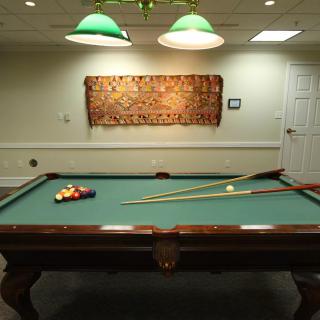
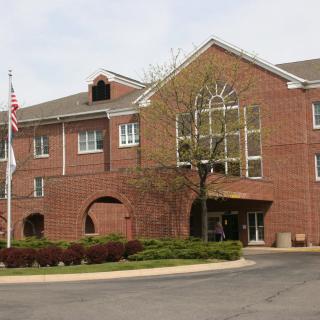
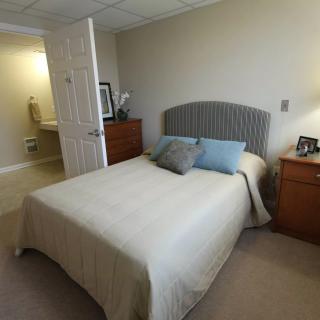
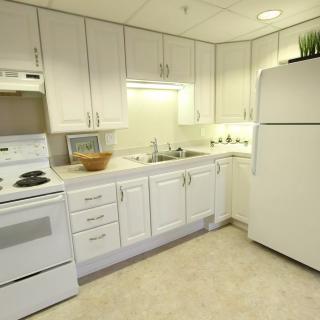
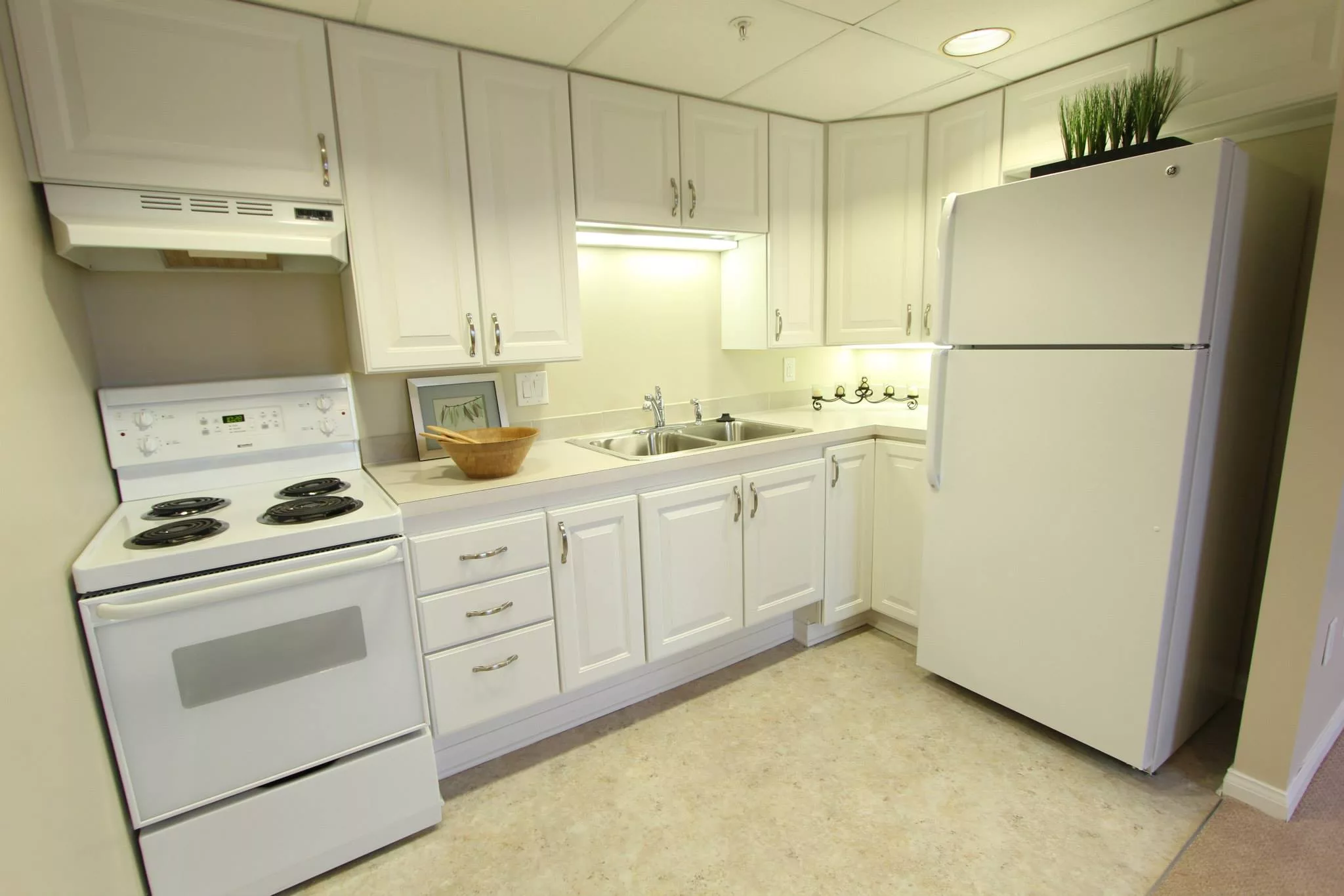
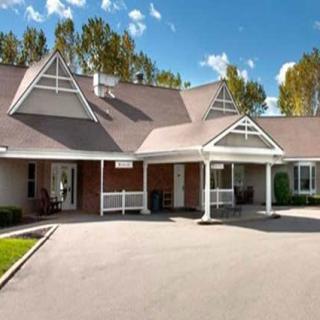
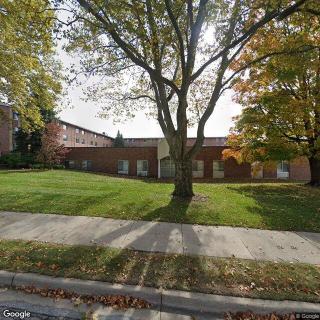
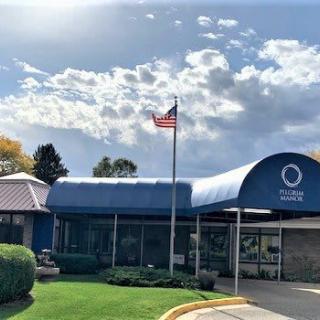
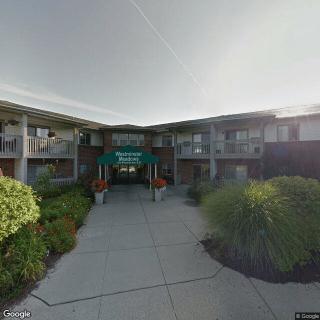
Clark Retirement Community at Franklin on seniors.fyi includes 5 photos including images showing interior, billiards, bedroom, appliances, refrigerator, building, stove, brick, and more.
Nearby Communities
Clark at Franklin
Grand Rapids, MI
4 from 40 reviews
CCRC with multiple care levels (IL, Memory Care, Skilled Nursing) and robust amenities.
Plymouth Group Home
Grand Rapids, MI
4.5 from 20 reviews
Small, personalized board-and-care home with 24-hour supervision and comprehensive care (ADL assistance, medication management, and transportation to medical appointments).
Robinson Road Adult Foster Care
Grand Rapids, MI
1 from 1 review
Intimate 6-bed setting with comprehensive care and diabetes-friendly dining.
Right at Home of Grand Rapids
Grand Rapids, MI
4.6 from 14 reviews
Excellent access to nearby amenities (healthcare, dining, parks, theaters).
Carin Hands 2
Grand Rapids, MI
Small, homelike setting with memory care and personalized support.
Fulton Manor
Grand Rapids, MI
3.9 from 15 reviews
$1,680 to $3,120 / month
Non-profit with caring staff, comprehensive care options, and diverse on-site amenities.
Beacon Hill at Eastgate
Grand Rapids, MI
4.4 from 45 reviews
$1,160 to $2,420 / month
Compassionate staff with comprehensive care options (independent, assisted, memory care) in a peaceful, amenity-rich setting.
Westminster Meadows
Grand Rapids, MI
4.8 from 14 reviews
$679 to $799 / month
Well-maintained, friendly community with engaging activities and supportive staff.
Medilodge of Grand Rapids
Grand Rapids, MI
3.4 from 101 reviews
$1,600 to $3,090 / month
Friendly staff, supportive community, and multiple care levels in a well-appointed setting.
The content outlines five key early indicators of dementia, including significant memory loss and confusion about time and place, while emphasizing the need for professional evaluation and emotional support for both individuals showing symptoms and their caregivers. It encourages family members to monitor these signs closely and use online quizzes for initial awareness.
The article highlights eight indicators that a loved one with dementia may require specialized memory care, emphasizing the emotional and logistical challenges families encounter in this decision. It discusses signs such as difficulties with daily tasks, safety concerns, and caregiver burnout, suggesting that memory care facilities can provide the necessary support and structured environments for those experiencing cognitive decline.
Dementia, primarily caused by Alzheimer's disease but also linked to other conditions, leads to cognitive decline impacting memory and daily functioning, with individuals experiencing varied awareness of their impairments. Despite memory loss, emotional connections persist, enabling responses to familiar stimuli, highlighting the need for caregivers to provide compassionate support that recognizes both limitations and retained emotional depth.
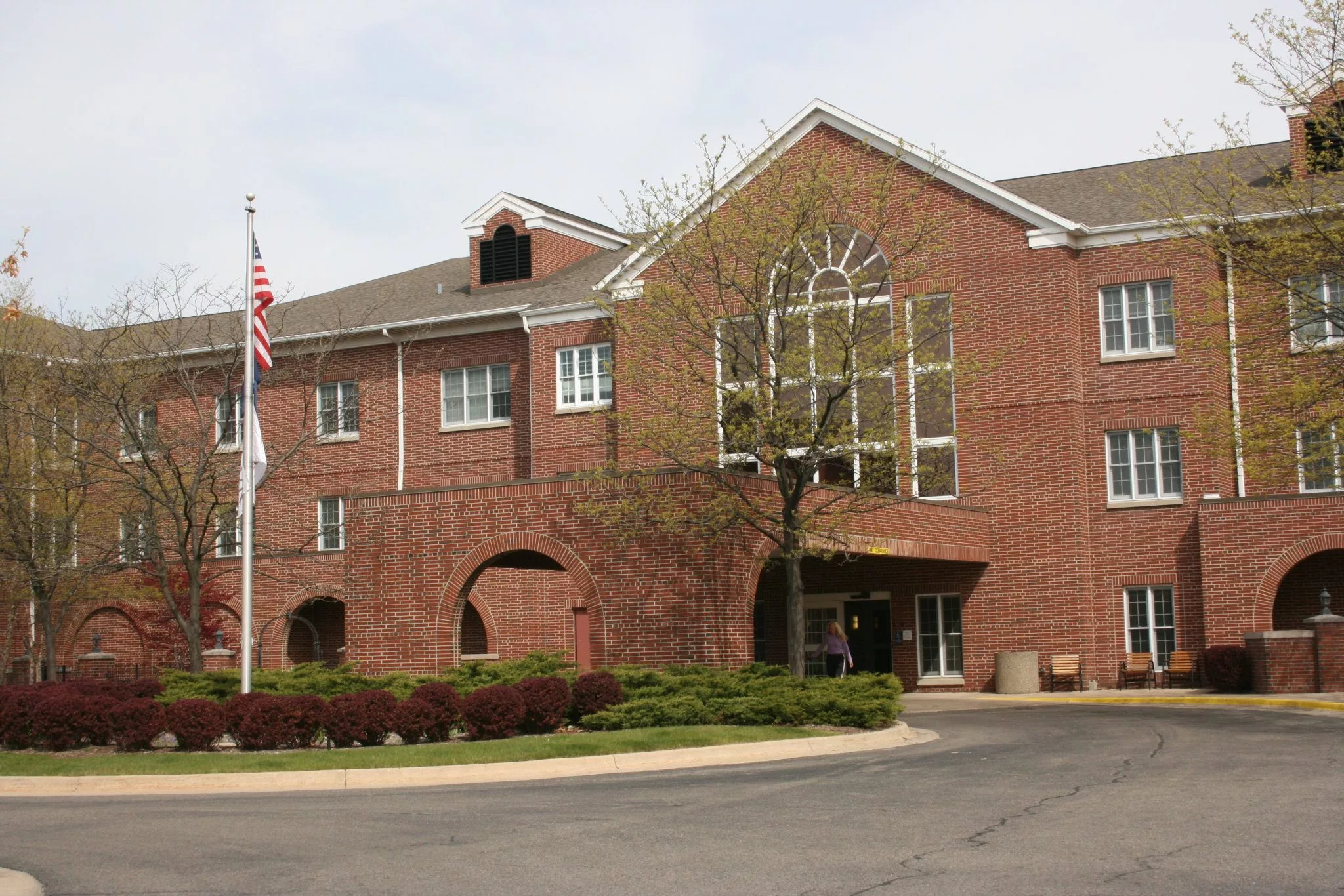
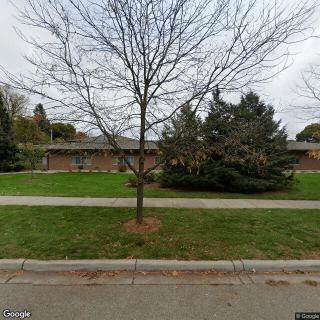
Landscaping, Windows, Building, Trees, Entrance, Flag, and Brick
Kitchen, Appliances, Refrigerator, and Stove
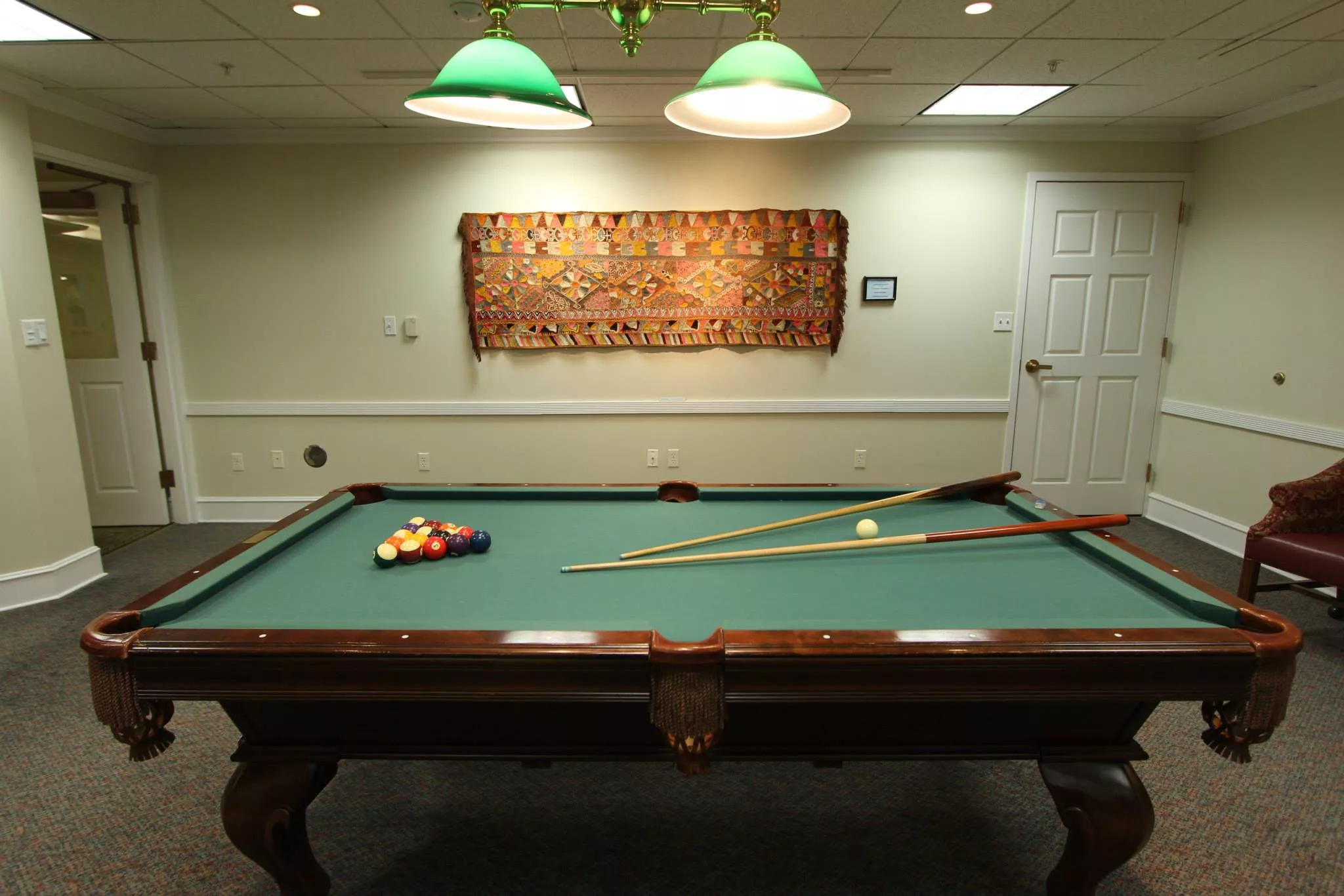
Billiards and Recreation Room
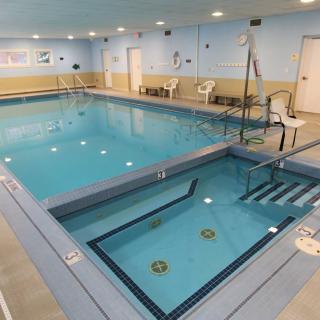
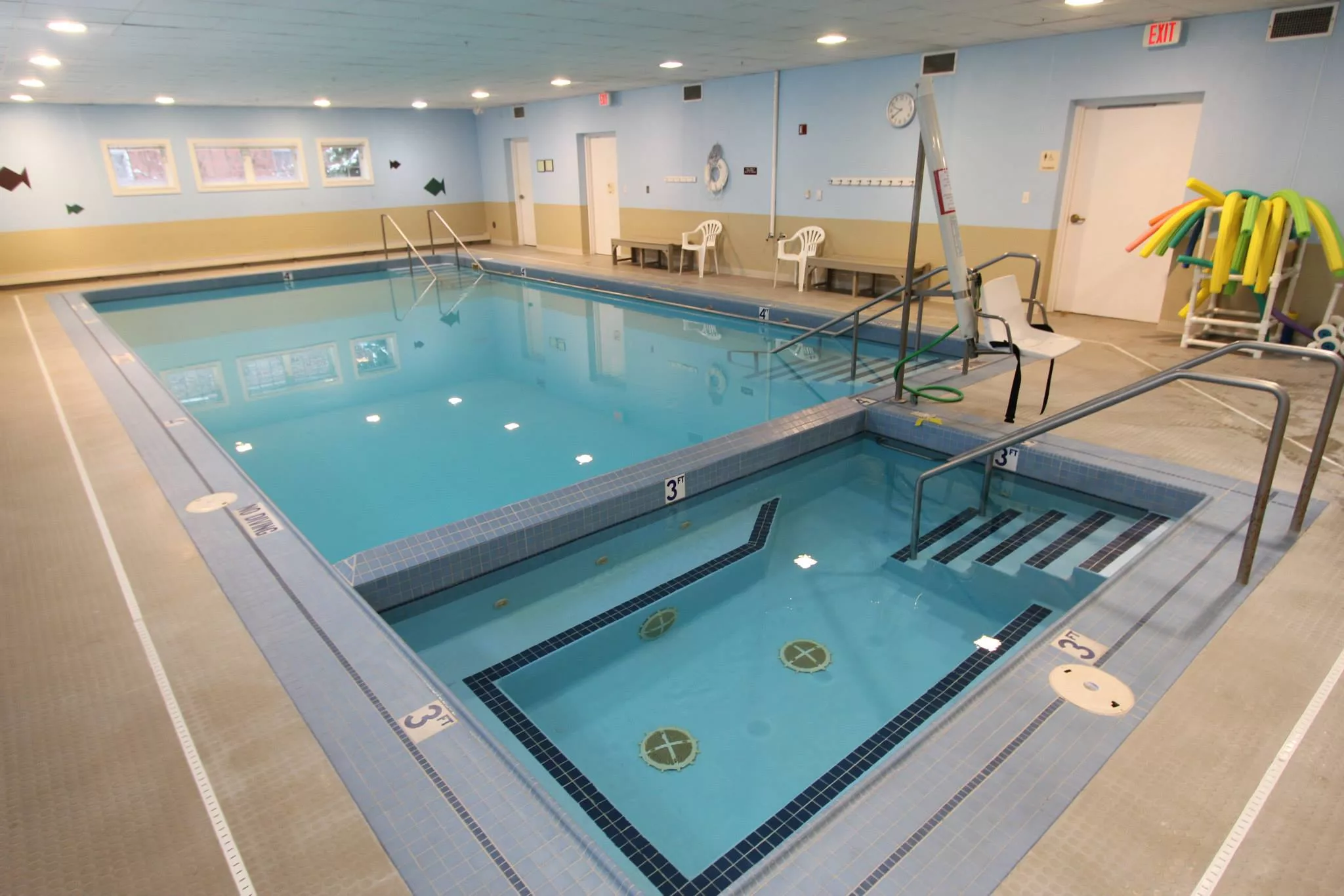
Swimming Pool, Indoor Pool, and Handrail
Get PricingAsk A QuestionSchedule A TourContact Senior Advisor
By clicking submit, you agree to our Partner's Terms of Use. You
also consent to receive calls and texts, which may be autodialed, from our Partner. Your consent is not a condition to
using our Partner's service. Please visit our Partner's Privacy Policy for information about their privacy practices.

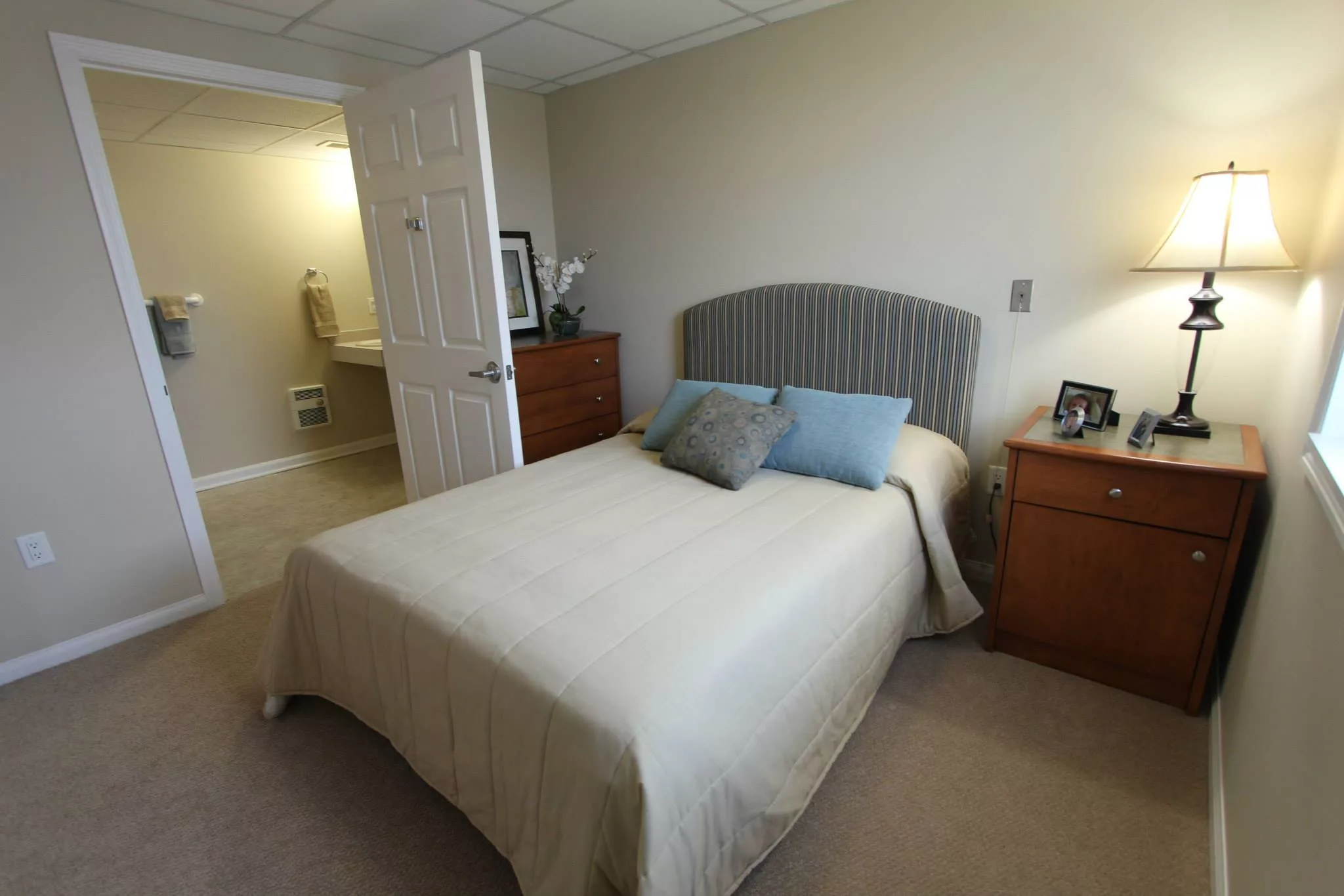

 1-bedroom apartments
 Active Adult Communities (55+)
 Assisted Living
 Independent Living
 Memory Care
 Activities off-site
 Air-conditioning
 Beautician on-site
 Cable or satellite TV
 Cafe
Cafe Devotional services off-site
 Dining room
 Financial aid
 Full kitchen
 Garden
 General store
 Ground floor units
 Handicap accessible
 Hiking trails
 Housekeeping services
 Indoor common areas
 Laundry
 Outdoor common areas
 Party space
 Respite or short term stays offered
 Swimming pool / hot tub
 Wheelchair accessible showers
 Wi-Fi/high-speed internet available
 Kent County International (7 miles away)
 Assistance with bathing
 Assistance with dressing
 Diabetic care
 Incontinence care
 Meal preparation and service
 Medication management
 Physical therapy
 Psychiatric care
 Art classes
 Day trips and outings
 Educational speakers / life long learning
 Fitness programs
 Games
Games Karaoke
 Live dance or theater performances
 Live musical performances
 Live well programs
 English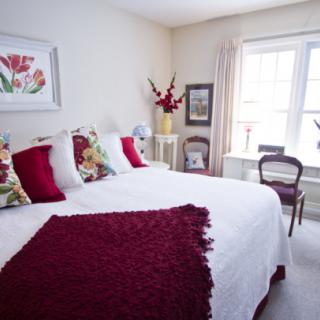
 CCRC with multiple care levels (IL, Memory Care, Skilled Nursing) and robust amenities.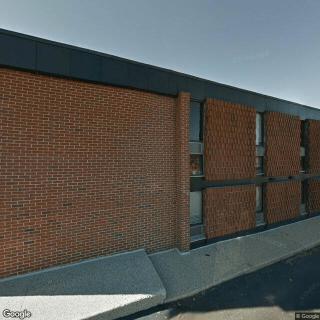
 5 Early Indicators of Dementia and What You Can Do
 8 Important Indicators That Memory Care May Be Necessary
 Delving into the Inner World of Dementia: Insights into Thoughts and Awareness