Fulton Manor

Save
Fulton Manor

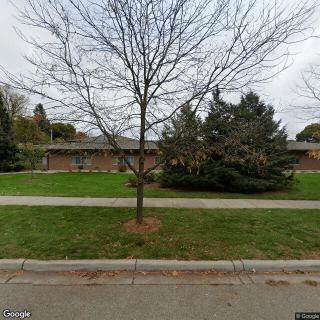
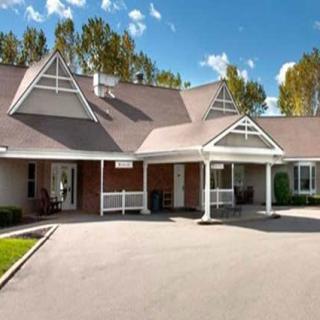
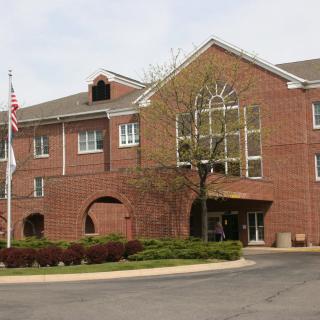
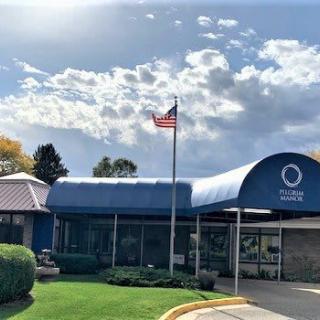
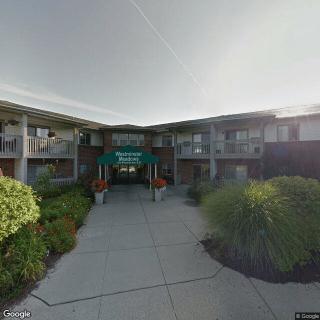
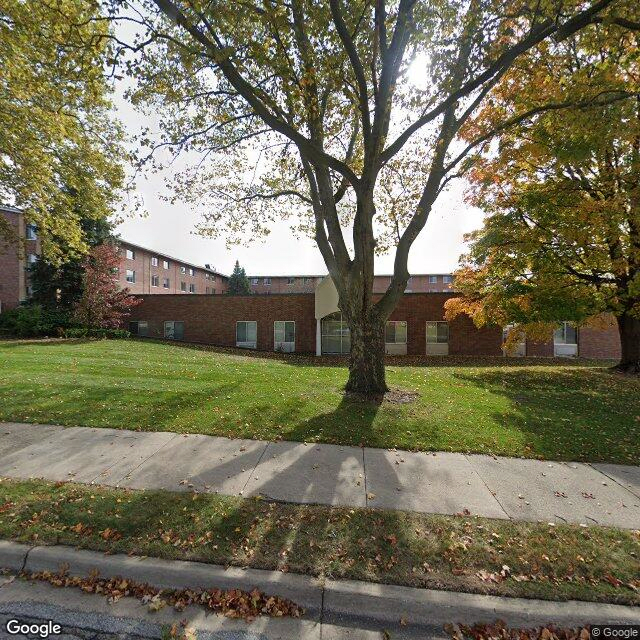
Fulton Manor in Grand Rapids, MI

1450 East Fulton, Grand Rapids, MI 49503

For more information about senior living options: (844) 490-3973

3.9 from 15 reviews
5 stars
6
4 stars
4
3 stars
3
2 stars
2
1 stars
0

Assisted Living Continuing Care Retirement Community (CCRC) Independent Living Memory Care

Fulton Manor Costs & Pricing

At Fulton Manor, the monthly costs for various room types reveal a compelling value compared to broader market prices in Kent County and across Michigan. For a one-bedroom unit, residents pay $1,680, significantly lower than the county average of $3,483 and the state average of $3,384. This trend continues with two-bedroom units priced at $3,120, which also undercut both the county's rate of $3,856 and Michigan's average of $3,523. Such pricing positions Fulton Manor as an attractive option for those seeking quality accommodations without the strain on their budget that typically accompanies similar facilities in the area.

Floor plansFulton ManorKent CountyMichigan
1 Bedroom$1,680$3,483$3,384
2 Bedrooms$3,120$3,856$3,523

Overall Review of Fulton Manor

Pros

  • pro The staff are kind, straightforward, and highly attentive to residents' physical, emotional, and spiritual needs.
  • pro Care is excellent around the clock, supported by a cohesive team of nurses, aides, and nurse case managers.
  • pro The facility is secure, accessible, and home-like, with private rooms and well-maintained common areas.
  • pro The memory-care unit features nurse case managers who oversee care and keep families well informed and involved.
  • pro Residents enjoy a rich activity program led by an on-site activities director, with both scheduled and spontaneous options.
  • pro Spiritual support is readily available through a chapel, chaplains, and regular music activities.
  • pro The dining program is appealing, offering nutritious meals and a variety of fresh snacks in a pleasant setting.
  • pro Families report happiness and confidence in the care, noting responsive staff and a warm, compassionate atmosphere.

Cons

  • pro The facility requires a $5,000?$7,500 entrance fee.
  • pro Upon admission, she had to provide proof that she could pay for two years of care.
  • pro Charges begin at $3,600 per month, which can be burdensome for ongoing care.
  • pro They do not provide transportation to outside doctors.
  • pro One reviewer noted that the meals were not very good.

Review

Fulton Manor in Grand Rapids is best suited for families that want a dependable, non-profit senior living environment where care feels personal, not clinical. It works well for residents who appreciate a cohesive care team, easy access to nursing oversight, and a community atmosphere that emphasizes emotional and spiritual well-being alongside physical support. The facility's home-like, non-institutional vibe, combined with on-site chaplaincy, music, and organized activities, makes it a strong fit for those who value continuity of care and a sense of belonging over luxury finishes.

Those who should consider alternatives are families on a tight budget or who expect more luxury or flexibility in arrangements. Fulton Manor charges an entrance fee in addition to monthly care costs, and the published range can be a financial barrier for some. The "promise of continued care" helps, but it still requires proof of ability to pay for two years at admission, which can be a daunting upfront hurdle. Additionally, transportation to outside doctors isn't provided, which can be a drawback for residents who need regular outpatient care without driving themselves or relying on family members.

The strongest positives center on a well-functioning, resident-centered care model. Families repeatedly highlight a capable, cohesive team: a nurse case manager for each resident who keeps families informed, a medically oriented staff that collaborates well, and 24/7 attention that goes beyond basic tasks to address emotional and spiritual needs. The on-site chapel and regular chaplains, plus music and meaningful activities, create a supportive, multi-dimensional environment. Rooms are modest but functional and designed with safety and accessibility in mind, and common spaces feel welcoming rather than clinical, which helps residents maintain dignity and a sense of home.

On the other hand, the main cons revolve around cost and expectations for amenities. While many reviewers praise the staff and the care, the financial barrier is real: entrance fees and ongoing monthly rates can be substantial, making Fulton Manor less attractive to families seeking a lower-cost option. Some impressions of the dining experience vary, with at least one reviewer noting meals could be stronger, though other accounts describe appealing, well-prepared offerings. The memory care area - situated on the third floor - provides strong care, but as with any memory-focused program, families should verify staffing levels, program intensity, and how the space supports different cognitive needs.

Overall, Fulton Manor succeeds where it counts: reliable, compassionate care backed by a committed, accessible team; meaningful social and spiritual programming; and environments that feel like home rather than a hospital. The balance of pros - strong staff cohesion, comprehensive on-site services, and a warm culture - offsets many of the drawbacks for families who can afford the upfront and ongoing commitments. However, for households prioritizing budget flexibility, routine transport to medical appointments, or higher-end amenities and dining, alternatives will likely be more appropriate.

In the end, Fulton Manor stands as a prudent choice for families seeking continuity of care, stability, and a supportive community that attends to the whole person. It is less ideal for those who cannot meet the financial prerequisites or who demand more luxury or transport flexibility. Prospective buyers should weigh the upfront entrance-fee structure and the ongoing $3,600-plus monthly costs against the guaranteed, personal care they'll receive, the depth of spiritual and emotional support, and the strong in-house care team. A thorough tour focused on the memory-care unit, the nurse-case-management process, and transparent cost explanations will reveal whether Fulton Manor aligns with the family's priorities and budget.

Features

Housing

  • 286 resident community capacity 286 resident community capacity

Types of Care

  • Assisted Living Assisted LivingAssisted living facilities provide crucial support and care for seniors who may need help with daily tasks such as medication management, bathing, and meal preparation. These communities offer a safe and comfortable environment where seniors can maintain their independence while receiving the assistance they need to thrive in their golden years.
  • Continuing Care Retirement Community (CCRC) Continuing Care Retirement Community (CCRC)Continuing Care Retirement Communities (CCRCs) are important for seniors because they provide a range of housing options and care services all in one location. This allows seniors to age in place and receive the level of care they need as their health changes, without having to move to a new facility. CCRCs provide a sense of security and peace of mind for seniors and their families, knowing that they will be taken care of no matter what the future holds.
  • Independent Living Independent LivingIndependent living communities are important for seniors because they offer a safe and supportive environment where older adults can live independently while still having access to amenities and services that enhance their quality of life. These communities provide social opportunities, recreational activities, and assistance with daily tasks, promoting overall well-being and allowing seniors to maintain their independence for as long as possible.
  • Memory Care Memory CareMemory care is crucial for seniors as it provides specialized support and services for individuals with dementia or Alzheimer's disease. These programs offer a safe and secure environment where residents receive personalized care, cognitive stimulation, and help with daily activities. Memory care helps seniors maintain their independence, quality of life, and dignity while also providing peace of mind for their families.

Amenities

  • Activities off-site Activities off-siteEngaging in off-site activities is crucial for seniors to maintain social connections, stay active, and stimulate their minds. It promotes overall well-being and helps combat feelings of isolation and loneliness.
  • Activities on-site Activities on-siteActivities on-site are important for seniors because they provide opportunities for socialization, mental stimulation, physical activity, and overall well-being. Engaging in activities can help seniors stay active, maintain their independence, and improve their quality of life.
  • Air-conditioning Air-conditioningAir conditioning is important for seniors as they are more vulnerable to heat-related illnesses and may have underlying health conditions that make it difficult for them to regulate their body temperature. It helps to keep them comfortable, safe, and healthy in hot weather.
  • Bath tubs Bath tubsBath tubs are important for seniors because they provide a safe and relaxing way to bathe, helping to prevent slips and falls while promoting independence and overall well-being.
  • Beautician on-site Beautician on-siteHaving a beautician on-site at a senior living community is important for seniors as it allows them to easily access grooming and personal care services, boosting their self-esteem and overall well-being. It also provides convenience and helps seniors maintain their sense of independence and personal style.
  • Beauty salon Beauty salonBeauty salons are important for seniors because they provide a space for them to feel pampered, socialize, and maintain their personal grooming and hygiene. Regular visits to a beauty salon can help boost seniors' self-esteem and overall well-being.
  • Cable or satellite TV Cable or satellite TVCable or satellite TV is important for seniors because it provides entertainment, news, and companionship, helping to combat loneliness and boredom. It also offers a wide range of programming options tailored to different interests and preferences.
  • Computer center Computer centerA computer center is essential for seniors as it provides access to technology, communication tools, and resources that can enhance their daily lives. It allows them to stay connected with loved ones, engage in online activities, and learn new skills, ultimately promoting socialization and mental stimulation.
  • Devotional services on-site Devotional services on-siteDevotional services on-site provide seniors with spiritual support and a sense of community, as well as an opportunity for reflection and guidance during their senior living experience. This can promote emotional well-being and connection to others, leading to a more fulfilling and enriching lifestyle in their later years.
  • Fitness room Fitness roomHaving a fitness room in a senior living community is essential for seniors to stay active, maintain their physical health, and improve their overall well-being. Regular exercise can help prevent falls, reduce the risk of chronic diseases, and promote mental sharpness. It also provides social opportunities for residents to connect with others and enjoy a sense of community.
  • Fully furnished Fully furnishedFully furnished senior living communities are important for seniors because they provide convenience, comfort, and a hassle-free moving experience. Seniors can easily settle into their new living space without the stress of having to buy and move furniture. This allows them to focus on enjoying their new home and community.
  • Gaming room Gaming roomGaming rooms are important for seniors as they provide a fun and engaging environment for socializing, cognitive stimulation, and physical activity. Games can improve memory, problem-solving skills, and overall mental well-being while fostering friendships and reducing feelings of isolation.
  • Garden GardenGardens are important for seniors as they provide a peaceful and therapeutic environment for relaxation, physical activity, and socialization. Being in nature has been shown to reduce stress, improve mood, and promote overall well-being. Gardens also offer opportunities for seniors to engage in gardening activities, which can improve mobility, flexibility, and cognitive function. Additionally, gardens create a sense of community and connection with others who share a passion for plants and outdoor spaces.
  • Housekeeping services Housekeeping servicesHousekeeping services are important for seniors because they help maintain a clean and safe living environment, promote independence, and reduce the risk of accidents or illnesses. Additionally, having assistance with household chores can alleviate physical strain and allow seniors to focus on other aspects of their well-being.
  • Indoor common areas Indoor common areasIndoor common areas are crucial for seniors as they provide a space for socialization, recreation, and community engagement, promoting overall well-being and reducing feelings of isolation and loneliness.
  • Kitchenette KitchenetteKitchenettes are important for seniors living in senior living communities because they provide the convenience and independence of being able to prepare simple meals and snacks in the comfort of their own living space. This can help promote a sense of autonomy and well-being for seniors, allowing them to maintain some level of control over their dietary choices and daily routines.
  • Move-in coordination Move-in coordinationMove-in coordination is important for seniors because it helps ease the transition into their new living environment. It ensures that all logistics, such as packing, organizing movers, and setting up utilities are taken care of, allowing seniors to focus on settling in and adjusting to their new home. Having a smooth move-in process can alleviate stress and anxiety, making the transition smoother and more enjoyable for seniors.
  • Outdoor common areas Outdoor common areasOutdoor common areas are important for seniors as they provide a space for socialization, physical activity, and relaxation. Being outside in nature can improve mood and overall well-being, while also encouraging movement and engagement with others. These spaces can help combat feelings of isolation and promote a sense of community among residents.
  • Outdoor space Outdoor spaceOutdoor spaces are important for seniors as they provide opportunities for physical activity, social interaction, exposure to natural light and fresh air, and a sense of connection to nature. Having access to outdoor spaces can improve overall well-being and quality of life for older adults living in senior communities.
  • Private bathrooms Private bathroomsPrivate bathrooms are important for seniors in senior living communities because they provide independence, dignity, and comfort. Having a private bathroom allows seniors to maintain their personal hygiene routines without the need for assistance, promoting a sense of autonomy and privacy. Additionally, private bathrooms help prevent the spread of infections and provide a safe and clean environment for seniors to navigate safely.
  • Respite or short term stays offered Respite or short term stays offeredRespite or short term stays provide seniors with a temporary solution when their regular caregiver is unavailable, offering them the opportunity to receive additional care and support during times of need, while also giving caregivers a chance to rest and recharge.
  • Restaurant-style dining Restaurant-style diningRestaurant-style dining is important for seniors because it allows them to enjoy delicious, nutritious meals in a social and upscale setting. This enhances their dining experience, promotes healthy eating habits, and fosters socialization with fellow residents, ultimately contributing to their overall well-being and quality of life.
  • Small library Small librarySmall libraries are important for seniors as they provide access to a variety of reading materials, including books, newspapers, and magazines. This can help stimulate their minds, keep them engaged, and provide a sense of community through book clubs and other social activities. Additionally, reading has been shown to improve cognitive function and overall mental well-being in older adults.
  • Telephone TelephoneTelephones are important for seniors as they provide a lifeline for communication with loved ones, emergency services, and healthcare providers. They offer a sense of security and independence, enabling seniors to stay connected and access assistance when needed.
  • Wellness center Wellness centerWellness centers are important for seniors because they offer a variety of programs and services that promote physical, mental, and emotional well-being. These centers provide opportunities for exercise, socialization, education, and relaxation, helping seniors maintain their overall health and quality of life.
  • Wi-Fi/high-speed internet available Wi-Fi/high-speed internet availableWi-Fi/high-speed internet is important for seniors to stay connected with loved ones, access online resources, and participate in virtual activities to combat feelings of loneliness and isolation. It also allows them to easily manage healthcare needs, access entertainment, and engage in lifelong learning opportunities.

Transportation

  • Kent County International (8 miles away) Kent County International (8 miles away)
  • Community operated transportation Community operated transportationCommunity operated transportation is crucial for seniors as it provides them with the means to access essential services, social activities, and medical appointments. It allows seniors to maintain their independence and quality of life by ensuring they can participate in activities outside of their homes. Additionally, community-operated transportation services offer a safe and reliable way for seniors to travel without having to rely on family or friends for assistance.
  • Transportation arrangement Transportation arrangementTransportation arrangements are crucial for seniors as they may face challenges with driving, mobility, or access to public transportation. Having reliable transportation services ensures that seniors can easily attend appointments, social activities, and maintain their independence and quality of life.
  • Transportation arrangement (non-medical) Transportation arrangement (non-medical)Transportation arrangements are essential for seniors as they provide access to essential services, activities, and social interactions outside the home. This service helps maintain independence, mobility, and overall well-being for seniors who may have limited transportation options.

Care Services

  • 24-hour call system 24-hour call system24-hour call systems are important for seniors because they provide peace of mind and immediate assistance in case of emergencies. This technology ensures that help is always available, promoting safety and security for elderly individuals living alone or in assisted living facilities.
  • 24-hour supervision 24-hour supervision24-hour supervision is important for seniors to ensure their safety, well-being, and access to immediate assistance in case of emergencies or health issues. This constant support provides peace of mind for both seniors and their loved ones, allowing them to age in place with dignity and security.
  • Activities of daily living assistance Activities of daily living assistanceActivities of daily living assistance are important for seniors because they provide essential support with tasks such as eating, bathing, dressing, and mobility. This assistance helps seniors maintain their independence, dignity, and overall quality of life as they age.
  • Ambulatory care Ambulatory care"Ambulatory care services provide essential medical support and treatment to seniors without requiring hospitalization, allowing them to maintain their independence and quality of life while managing chronic conditions or receiving routine medical care."
  • Assistance with bathing Assistance with bathingAssistance with bathing is crucial for seniors as it helps maintain personal hygiene, prevents infections, and ensures their overall well-being and comfort. It also provides a sense of dignity and independence for seniors who may struggle with this task on their own.
  • Assistance with dressing Assistance with dressingAssistance with dressing is important for seniors because it helps maintain their independence, promotes personal hygiene, prevents accidents and injuries, and improves overall quality of life. This service ensures that seniors can continue to dress comfortably and confidently, despite any physical limitations they may have.
  • Assistance with transfers Assistance with transfersAssistance with transfers is crucial for seniors as it helps prevent falls and injuries, maintains their independence, and ensures they can safely navigate their living environment. It also provides peace of mind for both seniors and their loved ones.
  • Diabetes diet Diabetes dietA diabetes diet is crucial for seniors as it helps manage blood sugar levels, reduce risks of complications, and improve overall health and well-being. By following a balanced and nutritious diet tailored to their specific needs, seniors can better control their diabetes and enhance their quality of life.
  • Diabetic care Diabetic careDiabetic care is crucial for seniors as they are more susceptible to developing diabetes due to aging and other health conditions. Proper management of diabetes can help prevent complications such as heart disease, vision loss, and nerve damage, improving the overall quality of life for seniors in senior living communities.
  • Incontinence care Incontinence careIncontinence care is essential for seniors to maintain their dignity, hygiene, and overall quality of life. By addressing incontinence issues promptly and effectively, seniors can enjoy a sense of independence and comfort in their daily activities.
  • Meal preparation and service Meal preparation and serviceMeal preparation and service are crucial for seniors as they may have limited mobility or energy to cook nutritious meals. Having access to healthy and convenient food options can ensure they are getting the proper nutrition needed to maintain their overall health and well-being.
  • Medication management Medication managementMedication management is crucial for seniors to ensure they are taking the right medications at the correct dosages and times. This helps prevent adverse drug interactions, reduces the risk of medication errors, and promotes overall health and well-being. Proactive management also allows for adjustments as needed based on changing health conditions or new prescriptions.
  • Special dietary restrictions Special dietary restrictionsSpecial dietary restrictions are important for seniors because age-related changes in metabolism and health conditions can make it difficult for their bodies to process certain foods. By following a diet tailored to their specific needs, seniors can maintain their overall health and well-being, manage chronic conditions, and reduce the risk of complications such as malnutrition or food interactions with medications.

Dining

  • Diabetes diet Diabetes dietA diabetes diet is crucial for seniors as it helps manage blood sugar levels, reduce risks of complications, and improve overall health and well-being. By following a balanced and nutritious diet tailored to their specific needs, seniors can better control their diabetes and enhance their quality of life.
  • Meals provided Meals provided"Meals provided" are crucial for seniors in assisted living communities as it ensures they have access to nutritious, balanced meals without the stress of meal planning and preparation. This can help promote overall health and well-being for seniors who may have limited mobility or cognitive abilities.
  • Special dietary restrictions Special dietary restrictionsSpecial dietary restrictions are important for seniors because age-related changes in metabolism and health conditions can make it difficult for their bodies to process certain foods. By following a diet tailored to their specific needs, seniors can maintain their overall health and well-being, manage chronic conditions, and reduce the risk of complications such as malnutrition or food interactions with medications.
  • Vegetarian VegetarianA vegetarian diet is important for seniors because it can help lower the risk of chronic diseases, maintain a healthy weight, and provide essential nutrients needed for aging bodies. Additionally, plant-based diets are often easier on digestive systems and can contribute to overall well-being in older adults.

Activities

  • Activities off-site Activities off-siteEngaging in off-site activities is crucial for seniors to maintain social connections, stay active, and stimulate their minds. It promotes overall well-being and helps combat feelings of isolation and loneliness.
  • Activities on-site Activities on-siteActivities on-site are important for seniors because they provide opportunities for socialization, mental stimulation, physical activity, and overall well-being. Engaging in activities can help seniors stay active, maintain their independence, and improve their quality of life.
  • Community-sponsored activities Community-sponsored activitiesCommunity-sponsored activities are important for seniors as they provide opportunities for social interaction, mental stimulation, and physical activity. These activities can help improve overall well-being, combat loneliness and isolation, and promote a sense of belonging and purpose among older adults.
  • Concierge services Concierge servicesConcierge services are essential for seniors as they provide assistance with daily tasks and errands, enhance their quality of life by offering convenience and personalized care, and promote a sense of safety and security.
  • Devotional activities on-site Devotional activities on-siteDevotional activities on-site provide seniors with a sense of community, spiritual fulfillment, and emotional support, promoting overall well-being and a positive sense of purpose in their lives.
  • Fitness programs Fitness programsFitness programs are crucial for seniors as they help improve strength, flexibility, balance, and overall well-being. Staying active can reduce the risk of chronic diseases, improve mental health, and enhance quality of life in older adults.
  • Planned day trips Planned day tripsPlanned day trips are important for seniors because they offer opportunities for socialization, mental stimulation, and physical activity. They provide a change of scenery and help seniors stay engaged and connected to their community, promoting overall well-being and quality of life.
  • Resident-run activities Resident-run activitiesResident-run activities are important for seniors as they encourage social interaction, creativity, and a sense of autonomy. These activities empower seniors to stay engaged and active in their community while fostering meaningful connections with their peers.
  • Scheduled daily activities Scheduled daily activitiesScheduled daily activities are important for seniors because they provide structure, socialization, mental stimulation, and physical activity. Engaging in regular activities can improve overall well-being and quality of life for seniors living in a community setting.

Description

Fulton Manor in Grand Rapids, MI is a vibrant assisted living community offering a range of care services and amenities to support the well-being and independence of its residents. This Continuing Care Retirement Community (CCRC) provides various levels of care, including Independent Living, Memory Care, and 24-hour supervision for those needing extra support.

At Fulton Manor, residents enjoy a wealth of amenities designed to enhance their daily lives. The community offers an array of activities on-site, ensuring there is always something engaging and enjoyable for everyone. With air-conditioning throughout the facility, residents can stay cool and comfortable year-round. Private bathrooms with bath tubs provide convenience and privacy. A beautician and beauty salon are available on-site for residents looking to pamper themselves.

Transportation is made convenient with community-operated transportation services as well as transportation arrangement assistance. Residents have access to a computer center to stay connected with family and friends or engage in online interests. Devotional services are offered on-site for those seeking spiritual fulfillment.

Physical wellness is prioritized at Fulton Manor, where residents can make use of the fitness room or participate in wellness programs. The outdoor spaces, including gardens and common areas, allow residents to enjoy fresh air and nature within the community's grounds.

Housekeeping services ensure that residents have more time to indulge in activities they love without worrying about chores. Fully furnished accommodations are provided for convenience upon move-in. In addition, move-in coordination is available to assist new residents with their transition.

Dining at Fulton Manor is a delightful experience with restaurant-style dining offering delicious meals prepared by skilled chefs. Special dietary restrictions are catered to, including vegetarian options.

Residents have plenty of opportunities for social engagement through planned daily activities on-site as well as community-sponsored activities and resident-run initiatives. Fitness programs help promote an active lifestyle while concierge services fulfill any additional needs or requests. Planned day trips offer opportunities for exploration beyond the community's doors.

Fulton Manor's prime location ensures residents have easy access to various nearby amenities. With cafes, parks, pharmacies, physicians, restaurants, places of worship, theaters, and hospitals in close proximity, residents can conveniently enjoy the best that Grand Rapids has to offer.

Overall, Fulton Manor provides a warm and welcoming environment where residents can live comfortably while receiving personalized care and enjoying an active and fulfilling lifestyle.

Nearby Places of Interest

Located in Grand Rapids, Michigan, this neighborhood offers convenient access to essential amenities for seniors. With several pharmacies within a short distance, easy access to healthcare is ensured with hospitals and physicians' offices nearby. Places of worship provide spiritual support, while a variety of restaurants offer dining options for every taste. The area also features cafes for social gatherings and theaters for entertainment. Transportation options are readily available, with an Amtrak station located just 2 miles away. Parks provide opportunities for outdoor recreation and relaxation. Overall, this neighborhood provides a well-rounded and accessible environment for seniors looking to settle down in Grand Rapids.

Pharmacies

  • Family Fare Supermarkets (0.1 miles)
  • CVS Pharmacy (0.5 miles)
  • Walgreens (0.6 miles)
  • The Chemist Shoppe (0.8 miles)
  • D&W Fresh Market (1.3 miles)
  • Family Fare Supermarkets (1.6 miles)
  • Walgreens (1.9 miles)

Places of Worship

  • Temple Emanuel (0.4 miles)
  • Madison Square Christian Reformed Church (2.1 miles)
  • Christ Church-Pca (3.4 miles)
  • Church of the Servant (3.9 miles)
  • Ada Bible Church (4.1 miles)

Restaurants

  • Wolfgang's Restaurant (0.5 miles)
  • The Green Well (0.6 miles)
  • Wendy's (0.7 miles)
  • Donkey Taqueria (1 miles)
  • Palio - Grand Rapids (1.2 miles)
  • Rose's On Reeds Lake (1.3 miles)
  • Hall Street Bakery (1.5 miles)

Hospitals

  • Blodgett Hospital (0.8 miles)
  • Richard J. Lacks Sr. Cancer Center (1.4 miles)
  • Trinity Health Birth Center - Grand Rapids Hospital (1.4 miles)
  • St Marys Hospital (1.4 miles)
  • Lemmen-Holton Cancer Pavilion (1.6 miles)
  • Helen Devos Children Emergency Room (1.7 miles)
  • Spectrum Health (2.1 miles)

Cafes

  • Rowster New American Coffee (1 miles)
  • The Intersection (2 miles)
  • Starbucks (2.8 miles)
  • Real Food Cafe (3 miles)
  • Kitchen 67 (3.1 miles)

Physicians

  • Metro Heart & Vascular (1.2 miles)
  • Dorsey Ligon MD (1.2 miles)
  • Hand & Plastic Surgery Center: Luce Paul A MD (1.4 miles)
  • Orthopaedic Associates Of Mi (1.5 miles)
  • Area Wide Ob/Gyn Health Services (1.6 miles)
  • Family & Pediatric Eye Care (1.9 miles)
  • DBC-Dr DenBoer/Dr Fischer (1.9 miles)

Theaters

  • Celebration Cinema Stu (1.8 miles)
  • Studio Park (1.8 miles)
  • Celebration Cinema Grand Rapids North & IMAX (3.4 miles)
  • Phoenix Theaters (4.1 miles)

Transportation

  • Amtrak - Grand Rapids Vernon J. Ehlers Station (2 miles)

Parks

  • Belknap Park (2 miles)
  • Chesebro Park (2.5 miles)
  • Frederik Meijer Gardens & Sculpture Park (2.8 miles)
  • Huff Park (2.9 miles)
  • Riverside Park (3.3 miles)

Frequently Asked Questions

How much does it cost to live at Fulton Manor in Grand Rapids, MI?
Where is Fulton Manor?
Does Fulton Manor provide care for residents with dementia or Alzheimer's disease?

Nearby Communities

  • Right at Home of Grand Rapids

    Right at Home of Grand Rapids

    Grand Rapids, MI


    pro Excellent access to nearby amenities (healthcare, dining, parks, theaters).

  • Robinson Road Adult Foster Care

    Robinson Road Adult Foster Care

    Grand Rapids, MI


    pro Intimate 6-bed setting with comprehensive care and diabetes-friendly dining.

  • Hearty Home 2

    Hearty Home 2

    Grand Rapids, MI


    pro Small, intimate setting with personalized care, fully furnished rooms, diet-aware dining, and transportation for medical appointments.

  • Hearty Home

    Hearty Home

    Grand Rapids, MI


    pro Small, intimate community with personalized care and comprehensive services.

  • Gilead

    Gilead

    Grand Rapids, MI


    pro Intimate, personalized care with comprehensive services and well-appointed amenities.

  • Plymouth Group Home

    Plymouth Group Home

    Grand Rapids, MI


    pro Small, personalized board-and-care home with 24-hour supervision and comprehensive care (ADL assistance, medication management, and transportation to medical appointments).

  • Clark Retirement Community at Franklin

    Clark Retirement Community at Franklin

    Grand Rapids, MI

    3.8 from 62 reviews
    $1,700 to $2,790 / month

    pro Clean, well-maintained facility with friendly staff, engaging activities, and excellent dining; solid memory care option.

  • Westminster Meadows

    Westminster Meadows

    Grand Rapids, MI

    4.8 from 13 reviews
    $679 to $799 / month

    pro Well-maintained, friendly community with engaging activities and supportive staff.

  • Medilodge of Grand Rapids

    Medilodge of Grand Rapids

    Grand Rapids, MI

    3.4 from 101 reviews
    $1,600 to $3,090 / month

    pro Friendly staff, supportive community, and multiple care levels in a well-appointed setting.

Related Resources

  • caregiver support group22 Remarkable Caregiver Support Groups Available Online and In-Person

    Caregiver support groups are crucial for providing emotional and practical assistance to those caring for loved ones, offering resources, coping strategies, and a sense of community through various organizations and platforms. These groups help alleviate isolation and burnout while addressing the unique challenges faced by caregivers of individuals with specific conditions.

  • does medicaid pay for assisted livingUnderstanding Medicaid Coverage for Assisted Living: A Comprehensive Guide

    The guide outlines the complexities of Medicaid coverage for assisted living, highlighting significant state-to-state variations, limited coverage often restricted to personal care services, and the existence of specialized waivers for certain needs like memory care. It advises families to consult local Medicaid offices for options while emphasizing the importance of understanding state-specific regulations and facility policies.

  • does medicaid pay for assisted livingHow and When Medicaid May Cover Assisted Living Costs

    Medicaid coverage for assisted living varies by state and is primarily available to low-income individuals, with eligibility dependent on strict income and asset limits. Some states offer HCBS waivers for specific services in assisted living, but families must generally cover room and board costs, and should verify facility acceptance of Medicaid while considering potential waiting lists.