
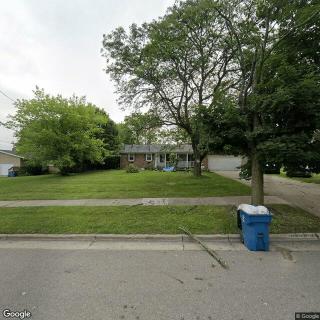
3671 Senora Avenue Se, Grand Rapids, MI 49508
For more information about senior living options: (866) 208-4318
Overall Review of New Hope Group Home
Pros
 They are wonderful.
- Great program and routine.
- The people care and they know what they are doing.
- It is a homey environment.
- It has a huge kitchen and weekly food deliveries, just like home.
- A friend who went through the program recently finished it and is doing great now.
- This place helped her turn her life around.
Cons
 They are rude there, and they treat people as if they were two years old.
- These types of centers don’t belong in a neighborhood.
- There aren’t any within a mile.
- It’s not a perfect or flawless program.
- It can get pretty crowded.
Review
New Hope Group Home in Grand Rapids is best suited for adults beginning their sobriety who want a structured, community-based living option with a home-like atmosphere and a built-in peer support network. Residents here share space and daily routines, with three roommates per room, a large kitchen, and regular laundry and meals that feel like a living-room version of recovery programming. The program leans into AA/NA introduction, routine group activities, occasional field trips, and a quiet, garden-like setting that encourages reflection. For someone seeking significant privacy, independence, or a high degree of personal control, this environment will feel constraining and unlikely to meet those needs.
On the flip side, this option invites candid caution. Several reviews describe staff as rude and diminishing, communicating in a way that many would interpret as demeaning or infantilizing. That dynamic can erode trust and undermine the very purpose of support, turning a recovery-focused environment into a source of stress. Location concerns compound the decision: while a neighborhood setting may feel welcoming to some, others see it as an inappropriate fit for a recovery residence, preferring facilities in transit-accessible or more commercially integrated areas. The combination of limited outside contact and a crowded, semi-private living arrangement can magnify frustration for residents who require steady connections with family or flexible schedules for work or schooling.
The program’s strengths center on structure that supports early sobriety. The homey environment and routine create a predictable daily rhythm that can anchor someone who needs clear boundaries and social reinforcement. The chance to participate in structured activities, the introduction to recovery resources, and the presence of a peer network are meaningful assets when motivation flags. Field trips and the option to engage in crafts or reading can provide necessary breaks from the monotony of early recovery. These positives, however, depend on how the staff cultivate respect and safety; when that trust is compromised, the same structure can feel punitive rather than empowering.
Families and prospective residents should pursue concrete assurances before committing. It is prudent to inquire about staff training, supervisor availability, and how conflicts or disrespectful behavior are handled. Clarify the rules around phone use and visits, and verify whether communication with loved ones remains possible during evenings or weekends. Assess whether the schedule allows for personal time, work, or education, because rigid pacing can stifle progress for those who are building independence. A candid tour and conversations with current residents can reveal the true atmosphere beyond promotional descriptions and are essential to determine if recovery goals align with daily realities.
Location and neighborhood dynamics are integral to ongoing recovery momentum. Some feedback frames the residential setting as a potential disruption to a surrounding community and questions the wisdom of placing a recovery facility in such a neighborhood. For individuals who rely on public transit or who must access doctors, counseling, or employment nearby, these concerns carry real weight. It is wise to map out transit routes, check proximity to essential services, and consider how neighborhood activity, noise, or perceptions might influence comfort and focus over weeks and months of treatment. If choosing this option, the neighborhood should be a facilitator, not a hindrance, to steady progress.
Bottom line: New Hope Group Home offers a purposeful, structure-forward pathway for adults early in sobriety who can tolerate shared living, a high level of routine, and variable interpersonal dynamics. It is less suitable for those who prize autonomy, privacy, respectful staff interactions, or easy access to post-treatment connections and transit-rich environments. Families should evaluate whether the program’s core benefits, peer-led recovery, routine, and community, outweigh the drawbacks of staff tone, limited outside contact, and neighborhood constraints. If pursuing this option, demand clear, written policies on behavior, visitation, and daily autonomy; insist on speaking with current residents about day-to-day life; and, above all, ensure the plan supports dignity, independence, and sustained recovery momentum.
 6 resident community capacity
 Assisted Living
 Board and Care Home
 Cable or satellite TV
 Dining room
 Fully furnished
 Garden
 Housekeeping services
 Move-in coordination
 Outdoor space
 Telephone
 Wi-Fi/high-speed internet available
 Kent County International (6 miles away)
 24-hour supervision
 Activities of daily living assistance
 Assistance with bathing
 Assistance with dressing
 Assistance with transfers
 Diabetes diet
 Meal preparation and service
 Medication management
 Special dietary restrictions
 Transportation arrangement (medical)
 Transportation to doctors appointments

 Funding and Affording Assisted Living: A Thorough Overview
 Assisted Living Expenses and Long-Term Care Insurance: A Comprehensive Exploration
 Securing Financial Support for Assisted Living: A Comprehensive Overview