
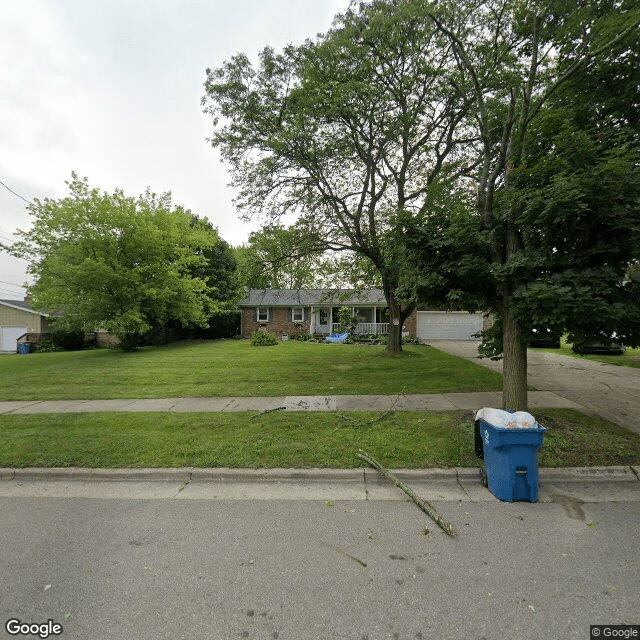
3704 Newcastle Drive. Se, Grand Rapids, MI 49508
For more information about senior living options: (866) 208-4318
Ascension Health II Costs & Pricing
Ascension Health II offers private room accommodations at a monthly cost of $5,500. This pricing reflects the facility's commitment to providing high-quality care and personalized services that cater to individual needs. In comparison, the average monthly cost for a private room in Kent County stands at approximately $5,194, while the state average for Michigan is notably lower at around $3,675. These figures highlight Ascension Health II's positioning within the regional landscape, where its costs may be perceived as premium but are indicative of the enhanced level of support and amenities provided to residents.
| Floor plans | Ascension Health II | Kent County | Michigan |
|---|---|---|---|
| Private | $5,500 | $5,194 | $3,674 |
Assisted Living communities with a similar price nearby
-
from -$900 / mo
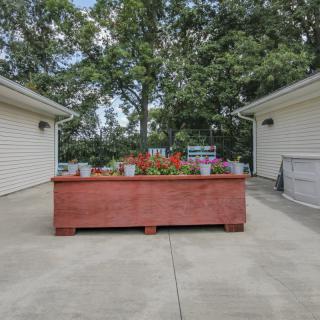
Woodlawn Meadows Assisted Living & Memory Care
$4,600 to $5,025 / month23.8 miles away -
from -$555 / mo
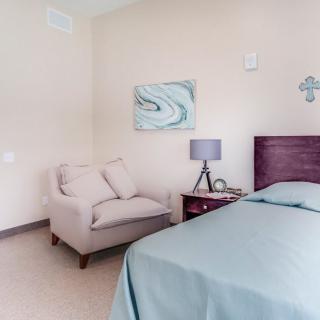
Riley's Grove Assisted Living & Memory Care
$4,945 to $5,535 / month17.4 miles away -
from -$550 / mo
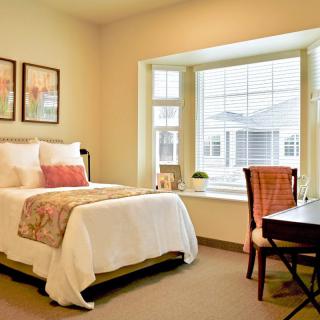
Cascade Trails Senior Living
$4,950 to $6,000 / month5.4 miles away -
from -$590 / mo
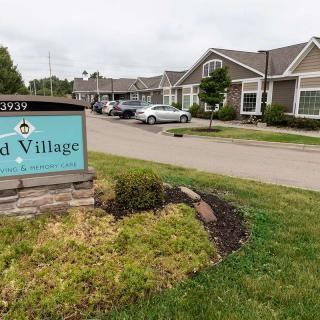
Grand Village
$4,910 to $6,470 / month6.8 miles away -
from -$765 / mo
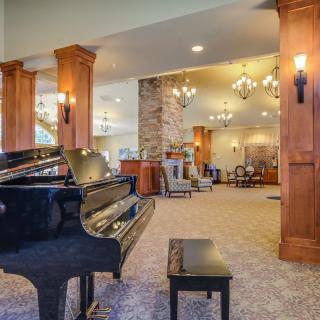
Boulder Creek Assisted Living & Memory Care
$4,735 to $5,740 / month12.5 miles away
Overall Review of Ascension Health II
Pros
 The reviewer is very pleased with Ascension Health 2 Home.
- Her sister has been content and stable while living with her fellow roommates.
- The reviewer is encouraged by the communication and response time.
- The reviewer thanks Heidi and the support staff for their continued kind and efficient care.
Review
Ascension Health II in Grand Rapids is best suited for seniors who thrive in a roommate-based, socially engaged living environment and who value reliably responsive care. The setup appears well-matched to residents who prefer daily interaction with peers, rather than a highly private, independent-life model. Families considering a low-friction transition, steady communication, and a team that demonstrates kindness and efficiency will find this community a strong fit. In short, it serves individuals who want a supportive, neighborly atmosphere with hands-on staff that can address day-to-day needs quickly.
Those who may want to consider alternatives are residents who require more privacy or a higher level of medical oversight. If private rooms, greater personal space, or specialized care for complex conditions are priorities, other options on the market may be more appropriate. Likewise, families seeking robust programming across a wide range of activities, or access to a broader spectrum of on-site services, might want to compare with communities that emphasize independent living blends or memory-care focused environments. The single perspective available suggests a favorable fit for roommates, but may not capture every resident’s privacy and medical needs.
On the upside, the most persuasive pro is the sense of contentment and stability described by a resident whose sister is “content and stable” living with fellow roommates. The social dimension of shared living cannot be overstated for older adults who fear isolation; having companions nearby creates natural companionship, light daily engagement, and mutual support. Equally important is the communication loop, highlighted by prompt responses and ongoing contact with a staff team that comes across as attentive. When needs arise, the model appears to deliver timely, caring assistance, which reduces stress for families and lowers the burden of hands-on oversight.
There are no clearly stated downsides in the available feedback, but the absence of detail beyond the core experience invites conservative interpretation. Prospective families should be mindful that this review reflects a single point of view and focuses on interpersonal dynamics and routine responsiveness more than on other critical facets such as meals, activity breadth, transportation, or medical service depth. The emphasis on a named staff member and the general tone of care may not fully illuminate variations across shifts, changes in leadership, or how care plans evolve for individuals with shifting health needs. In short, the data landscape is narrow, and due diligence remains essential.
The practical takeaway is straightforward: Ascension Health II is a compelling option for seniors who want a warm, roommate-centered environment backed by a responsive, courteous staff. The strong social context paired with reliable day-to-day care can offset the lack of explicit detail about other services, provided privacy needs are reasonable within a shared living framework. For families, the right move is to confirm room type options, verify how care plans are individualized, and evaluate how staff coverage works after hours and on weekends. A firsthand tour, conversations with multiple staff members, and opportunities to speak with current residents will crystallize whether this community’s strengths align with the resident’s goals and the family’s expectations.
 5 resident community capacity
 Assisted Living
 Board and Care Home
 Activities on-site
 Cable or satellite TV
 Devotional services off-site
 Dining room
 Fully furnished
 Garden
 Housekeeping services
 Indoor common areas
 Move-in coordination
 Outdoor space
 Telephone
 Wi-Fi/high-speed internet available
 Kent County International (5 miles away)
 24-hour supervision
 Ambulatory care
 Assistance with bathing
 Assistance with dressing
 Assistance with transfers
 Diabetes diet
 Diabetic care
 Meal preparation and service
 Medication management
 Special dietary restrictions
 Transportation arrangement (medical)
 Transportation to doctors appointments
 Assisted Living Expenses and Long-Term Care Insurance: A Comprehensive Exploration
 Securing Financial Support for Assisted Living: A Comprehensive Overview
 Social Security Benefits and Assisted Living: Navigating Options Across the U.S.