
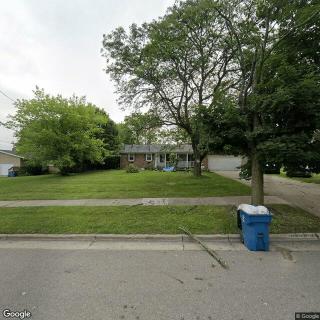
3660 Senora Avenue. Se, Grand Rapids, MI 49508
For more information about senior living options: (866) 208-4318
Overall Review of New Hope Group Home 60
Pros
 They are wonderful.
- Great program and routine.
- The people care and they know what they are doing.
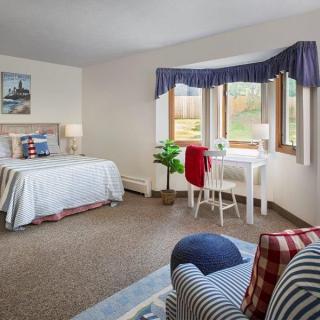
- It is a homey environment.
- It provides a peaceful forest view on the patio for free time or meals.
- There is lots of downtime for reading, writing, and crafts.
- A friend who completed the program is doing great now.
- This place really helped her turn her life around.
Cons
 They are rude there; they treat people like it's jail and talk to them as if they were two years old.
 - These centers don’t belong in a neighborhood.
- It isn’t a perfect or flawless program.
- It can get pretty crowded.
- It can be an overwhelming experience.
- There isn’t any option for miles.
Review
New Hope Group Home 60 is best suited for adults in early recovery who want a structured, home‑style setting where peer accountability and routine are the backbone of daily life. The facility leans into a dormlike, communal experience, three roommates per room, shared restrooms, a large kitchen, and weekly meals, that mirrors a family-style home more than a clinical campus. For someone who thrives on predictability, regular activities, and direct exposure to sober peers, this environment can provide a steady rhythm that supports staying sober. The program’s emphasis on AA/NA involvement and occasional field trips adds purpose and social integration, while the forest view and quiet spaces offer small pockets of calm within the routine. It is not a medical model of care; it is a recovery residence designed to reinforce habits and accountability through immersion.
Those who should consider alternatives are individuals who prioritize privacy, choice, or a higher level of professional oversight. The neighborhood dynamic, quite literally a residential area, can carry stigma and raise concerns about neighborhood impact, which matters for families seeking discretion or long‑term comfort with the community surrounding the program. Staff interactions matter here too; multiple reviews describe rude or condescending treatment, which is a red flag for anyone who values respectful communication and person‑centered support. Prospective residents who need more autonomy, less crowding, or greater ease of phone or outside contact may find this setting constraining. For seniors or adults with complex medical needs requiring hands‑on, attentive care, a traditional assisted living or medical model will likely be a better fit.
The strongest positives align with residents who want a tangible daily structure and peer‑based motivation. The homey, communal layout, three roommates per room, shared facilities, and routine housekeeping like weekly laundry, supports accountability without turning treatment into a clinical fortress. The program’s integration of AA/NA classes and regular activities, including field trips, helps build coping skills in real time and fosters social connections that are often crucial for sustaining sobriety. For people who respond well to routine, predictable expectations, and a sense of belonging to a sober community, these elements can significantly offset the inherent constraints of a group living environment. The presence of a “home away from home” feel can reduce some anxiety around sobriety by normalizing shared accountability.
Yet the cons are not trivial and they tend to undercut the overall value for many families. The most frequently cited concern is the impression of disrespectful treatment from staff, which can erode trust and dampen engagement with the program’s positive offerings. A jail‑like vibe, where residents feel talked down to or infantilized, clashes with the goal of building self‑efficacy and long‑term independence. Limited outside contact, very restricted phone access and a bubble‑like withdrawal from the outside world, can intensify feelings of isolation or frustration, especially for those who are navigating work, family obligations, or ongoing recovery responsibilities outside the program. Crowding is another practical downside; a bustling environment can dilute individualized support and make quiet moments scarce.
Balancing pros and cons points decisively toward alternatives for many potential residents. If the priority is a respectful, empowering staff culture paired with robust professional oversight, a different program or a traditional residential treatment model may deliver more consistently. For those needing greater autonomy, privacy, or smoother transit access, a community situated in a more transit‑friendly area or one offering private accommodations would reduce friction and increase daily flexibility. Families should weigh the stigma of a group‑home setting against the value of a strong sober community; in some cases, a more discreet option with enhanced privacy and clinical support proves to be a better long‑term fit.
In the end, New Hope Group Home 60 delivers a concrete, peers‑driven approach to sobriety wrapped in a clearly home‑like environment. It is a practical choice for individuals who want structure, routine, and visible peer support and who can tolerate limited outside contact and a potential strain in staff interactions. It is less suited for those who require high levels of personalized care, autonomy, or a setting with consistently respectful, empowering staff. For families evaluating options, the next step is a candid visit: observe interactions with residents, ask about staff training and oversight, request a spine of daily schedules, and verify how often residents can contact loved ones. If those factors align, the program can be a solid stepping stone; if not, it is prudent to explore alternatives that better align with personal independence, privacy, and the desired tone of care.
 6 resident community capacity
 Assisted Living
 Board and Care Home
 Cable or satellite TV
 Dining room
 Fully furnished
 Garden
 Housekeeping services
 Move-in coordination
 Outdoor space
 Telephone
 Wi-Fi/high-speed internet available
 Kent County International (6 miles away)
 24-hour supervision
 Activities of daily living assistance
 Assistance with bathing
 Assistance with dressing
 Assistance with transfers
 Diabetes diet
 Meal preparation and service
 Medication management
 Special dietary restrictions
 Transportation arrangement (medical)
 Transportation to doctors appointments

 Is Assisted Living Deductible on Your Taxes? Understanding the Complexities of Assisted Living Expenses and Deductions
 Assisted Living Support for Veterans: A Complete and Detailed Overview
 Exploring the Contrasts Between Assisted Living and Skilled Nursing