Old Dutch Home Care

Save
Old Dutch Home Care

Old Dutch Home Care

1458 Lancashire Dr SE, Grand Rapids, MI 49508

For more information about senior living options: (844) 490-3973

4.5 from 4 reviews
5 stars
3
4 stars
0
3 stars
1
2 stars
0
1 stars
0

Board and Care Home

What level of care are you interested in?

Assisted Living

Memory Care

Independent Living

Skilled Nursing Facility

Continuing Care Retirement Community (CCRC)CCRC

Other


Request a tour at Old Dutch Home Care

    Overall Review of Old Dutch Home Care

    Pros

    • pro The facilities are very nice.
    • pro The staff are very nice.

    Cons

    • pro The facility's security is inadequate and needs improvement.
    • pro Personal property was stolen from a patient's room by a family member on three occasions.
    • pro No police report was filed and there was no notification to the property owner.
    • pro The facility appears to lack policies or procedures for handling theft.
    • pro The reviewer had to file a police report independently of the facility.

    Review

    The feedback paints a picture of a place that is physically appealing and staffed by people who are friendly and capable, yet let down by a troubling gap in safety and accountability. On the surface, the facility earns praise for its well-maintained environment and the demeanor of the staff, suggesting a responsive and caring atmosphere. This positive note about the ambiance and human touch stands in stark contrast to the more troubling undercurrent that accompanies it: a significant security shortcoming that has serious implications for residents and their families.

    At the heart of the critique is a persistent security problem involving theft. The reviewer reports that personal property was taken from a patient's room not once, but three times, with the theft allegedly carried out by a family member. This detail underscores a troubling lack of barriers or safeguards that should be in place to protect a patient's belongings, especially in a setting where vulnerable individuals are receiving care. The repetition of the incidents signals that the issue is not a one-off anomaly but a recurring vulnerability that calls into question the facility's ability to deter intrusions and maintain a secure environment.

    What makes the situation more concerning is how the facility handled the incidents - or, more precisely, how it did not handle them. The reviewer notes that no police report was filed, and there was no notification to the owner of the stolen property. In other words, the facility appeared to bypass formal incident reporting and did not communicate any wrongdoing or follow-up to those affected. This absence of external reporting and notification leaves the theft unaddressed in a way that can erode trust and leave families feeling unsupported during and after the incidents.

    The critique also points to an apparent lack of formal policies or procedures for dealing with theft and security concerns. If the facility does not have clear guidelines for preventing unauthorized access, documenting incidents, communicating with residents and families, or coordinating with law enforcement, responses to theft can become ad hoc, uneven, or even inconsistent. The absence of structured processes may contribute to delays in recognition, reporting, and remediation, and it raises questions about how staff should respond when the premises are breached or when family members become involved in resident-related incidents.

    The review ends with a stark, practical consequence: the reviewer felt compelled to file a police report independently. This action implies a breakdown in the facility's responsibility to protect residents and belongings and highlights a sense of reliance on external authorities rather than internal protocols. It also suggests a psychological impact on families - an impression that the facility cannot be trusted to handle such matters, no matter how well-intentioned the staff may be in other areas. The experience leaves a lasting impression about safety, accountability, and the perceived seriousness with which the facility treats residents' property.

    Taken together, the account presents a nuanced picture. On the positive side, the facility's physical environment and staff presence are recognized as commendable, offering comfort and a degree of reassurance in day-to-day care. On the negative side, the repeated theft, the lack of formal reporting or notification, and the apparent absence of security policies create a troubling disconnect between the care framework and the safeguarding of personal property. For families and residents, trust hinges on a clear commitment to security and transparent communication - elements that, in this account, appear to be insufficiently prioritized.

    What this account suggests for improvement is straightforward but essential. Establishing and enforcing robust security measures should be a priority: controlled access to patient areas, better monitoring or surveillance where appropriate, and defined protocols for handling theft or access violations. Clear incident reporting procedures, timely notification to affected parties, and coordination with law enforcement when appropriate should become standard practice. Additionally, formal policies that outline responsibilities of staff, residents, and visitors in safeguarding personal property would help prevent recurrence and reassure families that safety and accountability are being taken seriously.

    Ultimately, the experience reveals a tension that can exist in care facilities: a space that is welcoming and well-run in many respects can still fall short in safeguarding residents against security breaches. The praise for facilities and staff is valid, but it is tempered by a clear call for stronger security safeguards, better incident handling, and more transparent communication with patients and their families. Addressing these gaps would likely restore confidence and ensure that the care environment remains not only comfortable and compassionate but also secure and trustworthy.

    Features

    Types of Care

    • Board and Care Home Board and Care HomeBoard and care homes provide a smaller, more intimate setting for seniors who require assistance with daily tasks but do not need the level of care offered by a nursing home. They offer personalized care, meals, and social activities in a homelike environment, ensuring that seniors receive individualized attention and support in their golden years.

    Transportation

    • Kent County International (6 miles away) Kent County International (6 miles away)

    Description

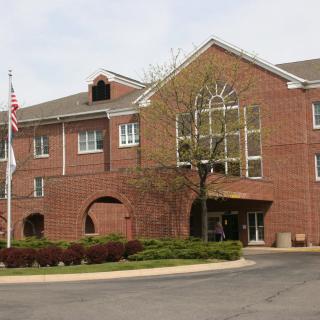
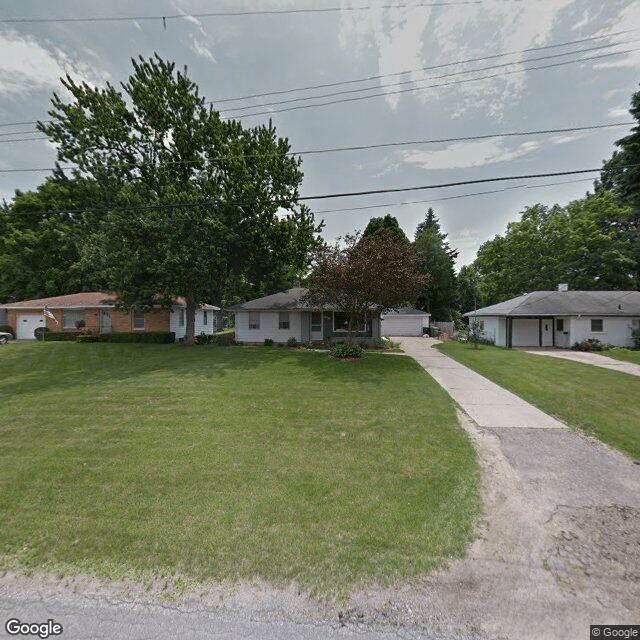
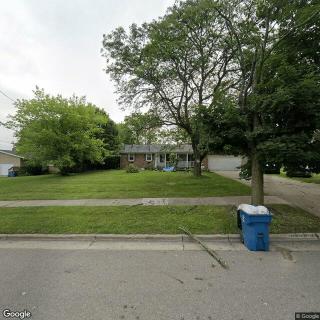
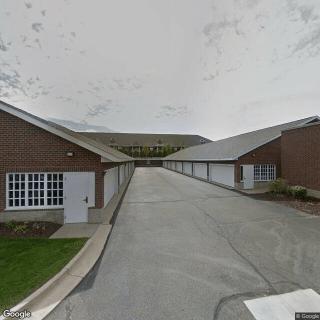
    Old Dutch Home Care in Grand Rapids, MI is a vibrant and thriving assisted living community. Situated in a convenient location, there are several amenities and facilities in close proximity to cater to the needs and preferences of its residents.

    For those who enjoy socializing or grabbing a quick bite, there are seven cafes and 35 restaurants nearby, offering a variety of cuisines and atmospheres. Whether it's a morning coffee with friends or an evening dinner out, residents have plenty of choices to satisfy their cravings.

    Nature enthusiasts can take advantage of the nearby park, providing opportunities for leisurely walks, picnics, or simply enjoying the fresh air. This serene environment allows residents to connect with nature and engage in outdoor activities.

    Access to healthcare is paramount, and Old Dutch Home Care ensures that its residents have numerous options available within close proximity. With 20 pharmacies and 23 physicians nearby, medical services are easily accessible for regular check-ups or emergencies. Additionally, five hospitals are situated within reach to provide advanced medical care if needed.

    Maintaining spiritual well-being is integral for many individuals, which is why having five places of worship nearby offers convenience for residents seeking spiritual fulfillment. These places of worship cater to different faiths and provide opportunities for communal prayer and spiritual growth.

    Entertainment lovers will find joy in the three theaters located conveniently near Old Dutch Home Care. Whether it's catching the latest movie release or attending live performances, residents can immerse themselves in cultural experiences without venturing far from home.

    Transportation is also readily available with one transportation option nearby. This ensures that residents have reliable means of getting around town or visiting loved ones whenever needed.

    Old Dutch Home Care provides a nurturing environment where residents can thrive while being surrounded by the comforts they need most. With its ideal location near various amenities and facilities, this assisted living community offers both convenience and peace of mind to its cherished residents.

    Nearby Places of Interest

    This part of Grand Rapids, Michigan, offers a convenient and accessible location for senior living. With several pharmacies located within a short distance, access to medical supplies and medications is readily available. A variety of restaurants catering to different tastes are nearby, providing plenty of options for dining out. Additionally, cafes such as Starbucks offer places to socialize and enjoy a cup of coffee. For medical care, there are reputable physicians in the area as well as hospitals for any specialized treatment needs. Places of worship are also close by for those seeking spiritual fulfillment. Parks provide opportunities for outdoor recreation and relaxation, while theaters offer entertainment options. Overall, this neighborhood provides a mix of amenities and services that cater to the needs and interests of seniors looking for a comfortable and convenient living environment.

    Pharmacies

    • Walgreens (0.7 miles)
    • CVS Pharmacy (1.1 miles)
    • Emergency Response Training (1.7 miles)
    • Walgreens (1.8 miles)
    • Walgreens (2.2 miles)
    • Walgreens (2.3 miles)
    • CVS Pharmacy (2.6 miles)

    Restaurants

    • Taco Bell (1.3 miles)
    • Mr Burger (1.5 miles)
    • Village Inn (1.7 miles)
    • McDonald's (1.7 miles)
    • Taco Bell (1.8 miles)
    • Silver Derby (1.8 miles)
    • Fire Fox (2.3 miles)

    Cafes

    • Real Food Cafe (1.4 miles)
    • Starbucks (2 miles)
    • Starbucks (2.4 miles)
    • Rowster New American Coffee (3.8 miles)
    • Starbucks (3.8 miles)
    • Starbucks (4.4 miles)
    • The Intersection (4.5 miles)

    Physicians

    • Spectrum Health (1.5 miles)
    • Rx Optical (1.8 miles)
    • Dr. Philip Hunt (2.3 miles)
    • Keil Lasik Vision Center (2.5 miles)
    • Adolescent and Family Behavioral Health Services (2.7 miles)
    • Psychiatric Associates Of West Michigan (3.3 miles)
    • Metro Health Medical Group (3.3 miles)

    Places of Worship

    • Christ Church-Pca (1.5 miles)
    • St Mark Lutheran Church (2.5 miles)
    • Madison Square Christian Reformed Church (2.7 miles)
    • Church of the Servant (3.3 miles)
    • Temple Emanuel (4.1 miles)

    Parks

    • Chesebro Park (1.7 miles)

    Hospitals

    • Spectrum Health Lab (2.1 miles)
    • Blodgett Hospital (3.5 miles)
    • St Marys Hospital (4.1 miles)
    • Trinity Health Birth Center - Grand Rapids Hospital (4.1 miles)
    • Richard J. Lacks Sr. Cancer Center (4.2 miles)

    Theaters

    • Phoenix Theaters (2.3 miles)
    • Celebration Cinema Stu (4.4 miles)
    • Studio Park (4.4 miles)

    Transportation

    • Amtrak - Grand Rapids Vernon J. Ehlers Station (4.2 miles)

    Frequently Asked Questions

    Where is Old Dutch Home Care?

    Nearby Communities

    Related Resources

    • palliative care vs hospiceUnderstanding the Nuances of Palliative Care and Hospice: A Comprehensive Exploration

      Palliative care focuses on alleviating distress at any stage of a serious illness and can accompany curative treatments, while hospice care is for those nearing the end of life with a prognosis of six months or less, emphasizing comfort over curative measures. Both prioritize holistic care for patients and families but differ in timing, goals, and scope.

    • fecal incontinenceFecal Incontinence in Older Adults: A Comprehensive Guide
      Fecal incontinence, prevalent among older adults, arises from factors like weakened pelvic muscles and nerve damage, significantly affecting well-being and social interactions. Diagnosis involves clinical evaluation and tests to inform tailored treatments, while caregivers and preventive measures can aid in managing the condition effectively.

    • gardening for seniorsNurturing Well-Being Through Gardening: A Detailed Guide for Senior Enthusiasts

      Gardening provides seniors with physical exercise, mental and emotional support, and social interaction opportunities, while accommodating their needs through raised beds and ergonomic tools. It promotes health benefits like improved dexterity and cardiovascular health, encourages sustainable practices, and allows for manageable upkeep with low-maintenance plants.


    Get Pricing Ask A Question Schedule A Tour Contact Senior Advisor