Wingate Residences at Melbourne Place Costs & Pricing
At Wingate Residences at Melbourne Place, the monthly costs reflect a range of options designed to meet diverse needs, with studio apartments starting at $4,765. This price point is notably higher than the county average of $3,741 but remains competitive when compared to the broader Massachusetts market, which sees studio costs around $5,312. For those seeking more spacious accommodations, the semi-private rooms are priced at $6,450, significantly above Berkshire County's average of $4,843 yet still below the statewide figure of $5,805. One-bedroom and two-bedroom units follow a similar trend: priced at $6,995 and $7,465 respectively. Both options exceed county averages - $3,897 for one-bedroom and $5,951 for two-bedroom - while offering a more appealing rate than state averages of $5,349 and $6,151. Overall, while Melbourne Place's rates may be elevated compared to Berkshire County prices, they present an attractive alternative in relation to wider Massachusetts figures.
Floor plans
Wingate Residences at Melbourne Place
Berkshire County
Massachusetts
Studio
$4,765
$3,741
$5,312
Semi-Private
$6,450
$4,843
$5,805
1 Bedroom
$6,995
$3,897
$5,349
2 Bedrooms
$7,465
$5,951
$6,151
Assisted Living communities with a similar price nearby
Overall Review of Wingate Residences at Melbourne Place
differentiator10 reviews mention this
Concierge support makes transitions easier
Residents’ families repeatedly describe the concierge service as making moves smoother and easier day to day.
Several reviews single out the concierge program as a practical source of support during a tough start, including help settling into the community, introducing residents to others, and encouraging participation in activities. Families also describe regular check-ins and communication that reduces anxiety, especially for relatives who are not nearby. Where residents needed extra guidance or adjustments, reviewers attribute that support to concierge staff and the way they coordinate with caregivers.
common18 reviews mention this
Staff communication and responsiveness stand out
Communication from the staff is a consistent strength, with families describing quick responses and helpful updates.
Across many reviews, families describe staff as attentive and responsive, including returning calls quickly and contacting relatives when questions or issues come up. Multiple reviewers note they receive updates about how their loved one is adjusting, well-being, or needs, which they say brings peace of mind. Even with differing opinions on care outcomes, the responsiveness to families appears frequently in the review themes.
common14 reviews mention this
Activities and outings keep residents engaged
Residents are consistently described as staying engaged through scheduled activities, outings, and live programming.
Reviewers frequently mention a lively activities calendar, including group programming and social time, plus outings and events that help residents get out and interact. Several reviews highlight live music and exercise-style programs as part of what keeps residents comfortable and occupied. For people who were hesitant at first, families describe staff efforts that help residents join in at their own pace.
caveat8 reviews mention this
Food is usually well-liked, sometimes questioned
Dining earns praise for quality and variety, but a smaller set of reviews raises concerns about freshness and overall quality.
Many reviews call out food positively, describing it as good or even wonderful, and some mention enjoying meals in the bistro or dining room setting. A few reviews, however, specifically note food that felt mediocre or needed updating, and one review also complained about dining quality in a memory care setting. Overall, dining appears to be a mixed topic depending on the resident and unit.
caveat7 reviews mention this
Memory care care quality varies
Memory care experiences can differ, with some reviews describing strong support while others report serious breakdowns.
Some reviews describe the memory care neighborhood as responsive and attentive, with staff who communicate and support residents through changes. Others report significant problems, including claims about insufficient dementia-focused nursing support, communication gaps, and negative experiences tied to medication administration or hospital transfers. Taken together, memory care quality emerges as a recurring point of contrast between families’ experiences.
caveat4 reviews mention this
Cost is repeatedly called out
Multiple reviewers raise pricing as a major drawback, even when they like the community’s services.
Several reviews say the community is expensive, and at least one compares value for respite or room size relative to cost. One review also describes concerns about how pricing related to housing conditions. While many families still recommend the community overall, cost comes up often enough to stand out as a practical limitation.
How we summarize
Counts show how many written reviews mention each theme; a review can touch several themes, and only frequently mentioned themes are displayed.
Features
Housing
118 resident community capacity
1-bedroom apartments
Studio apartments
Types of Care
Assisted Living
Independent Living
Memory Care
Skilled Nursing Facility
Pets
Cats allowed
Dogs allowed
Amenities
Activities off-site
Activities on-site
Air-conditioning
Beautician on-site
Beauty salon
Cable or satellite TV
Computer center
Devotional services off-site
Devotional services on-site
Dining room
Fitness room
Fully furnished
Gaming room
Garden
Ground floor units
Handicap accessible
Housekeeping services
Indoor common areas
Kitchenette
Move-in coordination
Outdoor common areas
Outdoor space
Private bathrooms
Respite or short term stays offered
Restaurant-style dining
Small library
Telephone
Wellness center
Wheelchair accessible showers
Wi-Fi/high-speed internet available
Transportation
Community operated transportation
Transportation arrangement
Transportation arrangement (non-medical)
Transportation to doctors appointments
Care Services
12-16 hour nursing
24-hour call system
24-hour supervision
Activities of daily living assistance
Ambulatory care
Assistance with bathing
Assistance with dressing
Assistance with transfers
Diabetes diet
Diabetic care
High acuity care
Incontinence care
Meal preparation and service
Medication management
Mental wellness program
Mild cognitive impairment
Special dietary restrictions
Specialized memory care programming
Dining
Diabetes diet
Gluten-free
Guest meals
Kosher
Low / no sodium
Meals provided
No Sugar
Professional chef
Restaurant style dining
Room service
Special dietary restrictions
Vegan
Vegetarian
Activities
Art classes
Catholic services
Community-sponsored activities
Concierge services
Cooking classes
Day trips and outings
Devotional activities offsite
Devotional activities on-site
Educational speakers / life long learning
Fitness programs
Happy hour
Jewish services
Live musical performances
Planned day trips
Protestant services
Resident-run activities
Scheduled daily activities
Wine tasting
Nearby Places of Interest
Located in the heart of Pittsfield, Massachusetts, this area offers convenient access to transportation options such as Pittsfield Municipal Airport and Amtrak PIT, making it easy for seniors to travel. With a variety of dining choices nearby including The Roasted Garlic and Jae's Restaurant, residents can enjoy a diverse culinary scene. Additionally, hospitals like Berkshire Health Systems and physicians' offices like New England Pain Diagnosis & Treatment Center are easily accessible for healthcare needs. Places of worship such as St Mark's Church provide spiritual fulfillment, while cafes like Guido's Fresh Marketplace offer opportunities for socializing. Seniors can also enjoy the outdoors at parks like The Common Park and Kennedy Park. With pharmacies like CVS Pharmacy and Walgreens close by, residents have easy access to medication and wellness products. This vibrant area provides a well-rounded living experience for seniors looking to settle in Pittsfield.
Transportation
Pittsfield Municipal Airport (PSF) (0.8 miles)
U-Haul Moving & Storage (1.8 miles)
Amtrak PIT (3 miles)
Enterprise Rent-A-Car (3.4 miles)
Restaurants
The Roasted Garlic (1.7 miles)
McDonald's (1.7 miles)
Hot Dog Ranch (2.5 miles)
Jae’s Restaurant (2.6 miles)
Mazzeo's Ristorante (2.6 miles)
Burger King (2.8 miles)
District Kitchen & Bar (2.9 miles)
Hospitals
BMC Hillcrest Campus (2.2 miles)
Berkshire Health Systems (2.2 miles)
Hillcrest Hospital (2.2 miles)
Berkshire Health Systems (2.3 miles)
BMC - Radiology (3.5 miles)
Berkshire Physicians & Surgeons Pc (3.5 miles)
Physicians
New England Pain Diagnosis & Treatment Center (2.2 miles)
Hillcrest Family Health Center (2.2 miles)
Berkshire Hematology Oncology PC (2.3 miles)
Joseph D. Hashim, O.D. (2.4 miles)
Berkshire Cosmetic & Reconstructive Surgery Center (2.4 miles)
Berkshire Allergy Care (2.5 miles)
Fabrizio Michael Fabrizio Michael Office Pittsfield (2.6 miles)
At Wingate Residences at Melbourne Place, the monthly costs reflect a range of options designed to meet diverse needs, with studio apartments starting at $4,765. This price point is notably higher than the county average of $3,741 but remains competitive when compared to the broader Massachusetts market, which sees studio costs around $5,312. For those seeking more spacious accommodations, the semi-private rooms are priced at $6,450, significantly above Berkshire County's average of $4,843 yet still below the statewide figure of $5,805. One-bedroom and two-bedroom units follow a similar trend: priced at $6,995 and $7,465 respectively. Both options exceed county averages - $3,897 for one-bedroom and $5,951 for two-bedroom - while offering a more appealing rate than state averages of $5,349 and $6,151. Overall, while Melbourne Place's rates may be elevated compared to Berkshire County prices, they present an attractive alternative in relation to wider Massachusetts figures.
The comprehensive features at Wingate Residences at Melbourne Place are designed to create a supportive environment tailored to the unique needs of residents with dementia or Alzheimer's disease. The 24-hour supervision ensures constant safety and security, while assistance with activities of daily living--such as bathing, dressing, and transfers--promotes dignity and encourages independence for individuals facing cognitive challenges. Incontinence care is addressed sensitively, alleviating potential discomfort or embarrassment. Meal preparation and service cater to nutritional needs and preferences, fostering an enjoyable dining experience that enhances overall well-being. Medication management helps prevent errors or omissions, ensuring residents receive the necessary medical support while participating in their mental wellness program promotes cognitive engagement through structured activities. Specialized memory care programming targets specific cognitive impairments, offering tailored interventions that address varying stages of dementia. Together, these services work harmoniously to enhance the quality of life for residents while providing essential support in their daily routines.
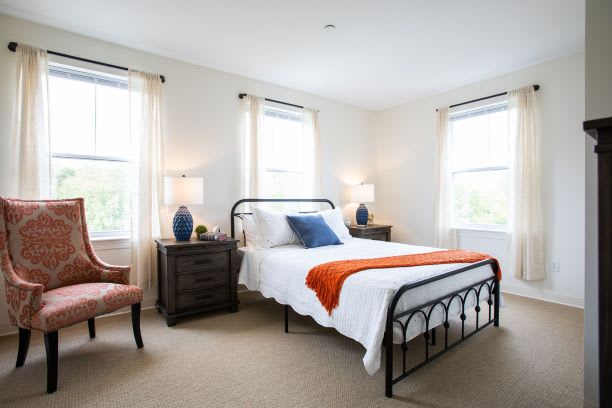
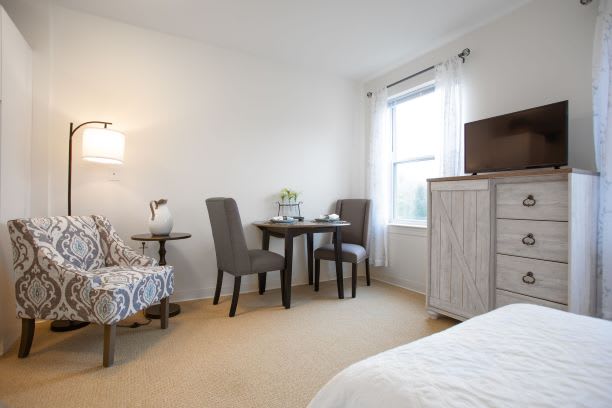
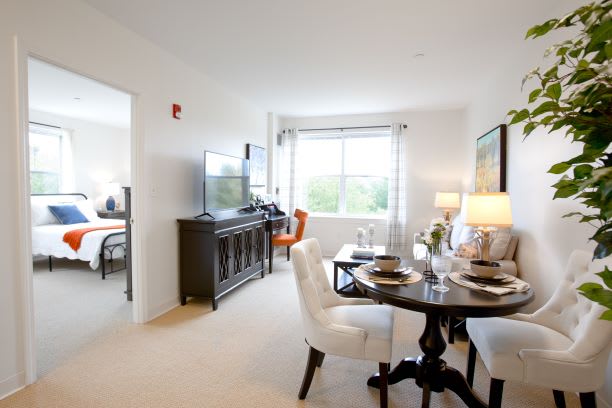
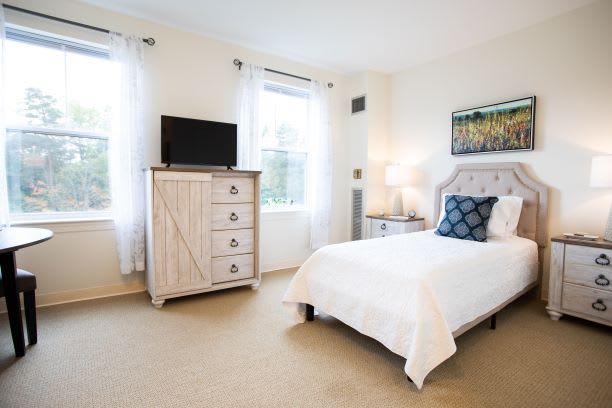
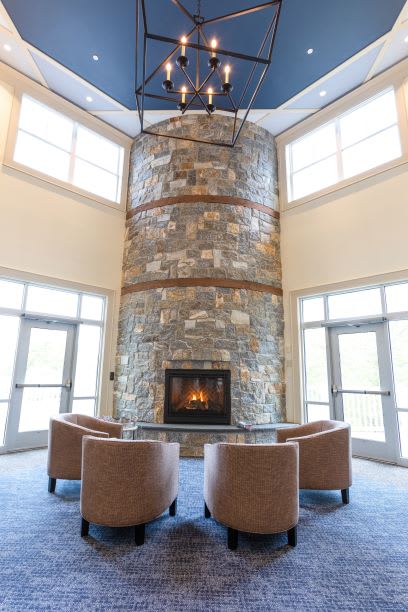
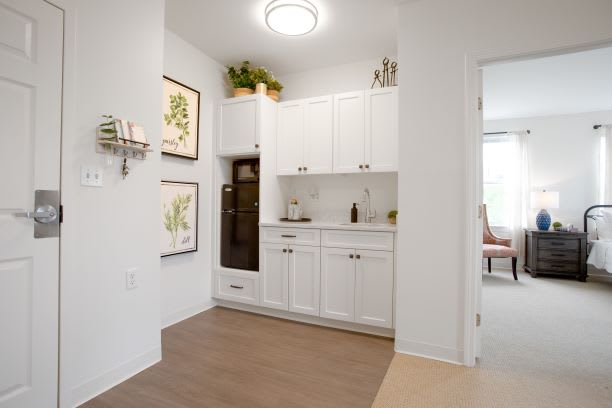
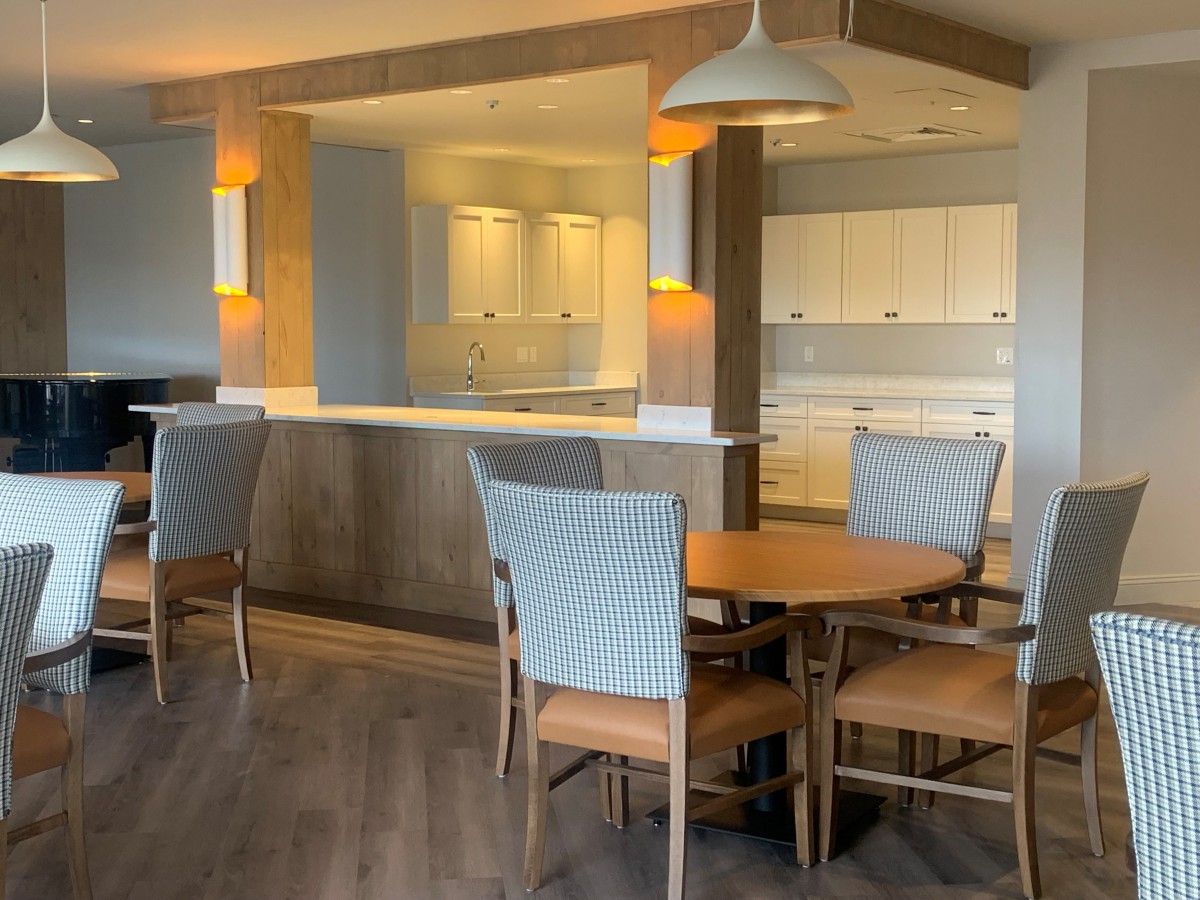
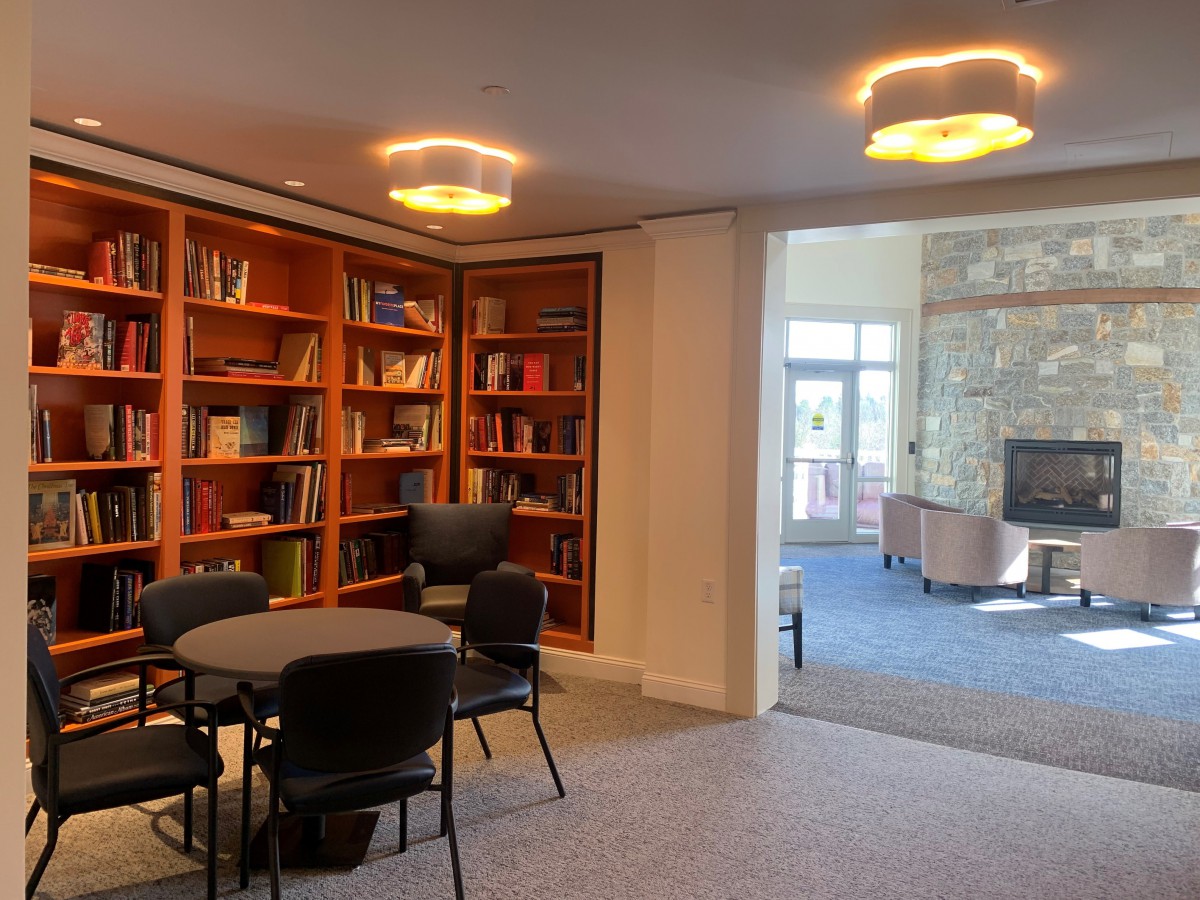
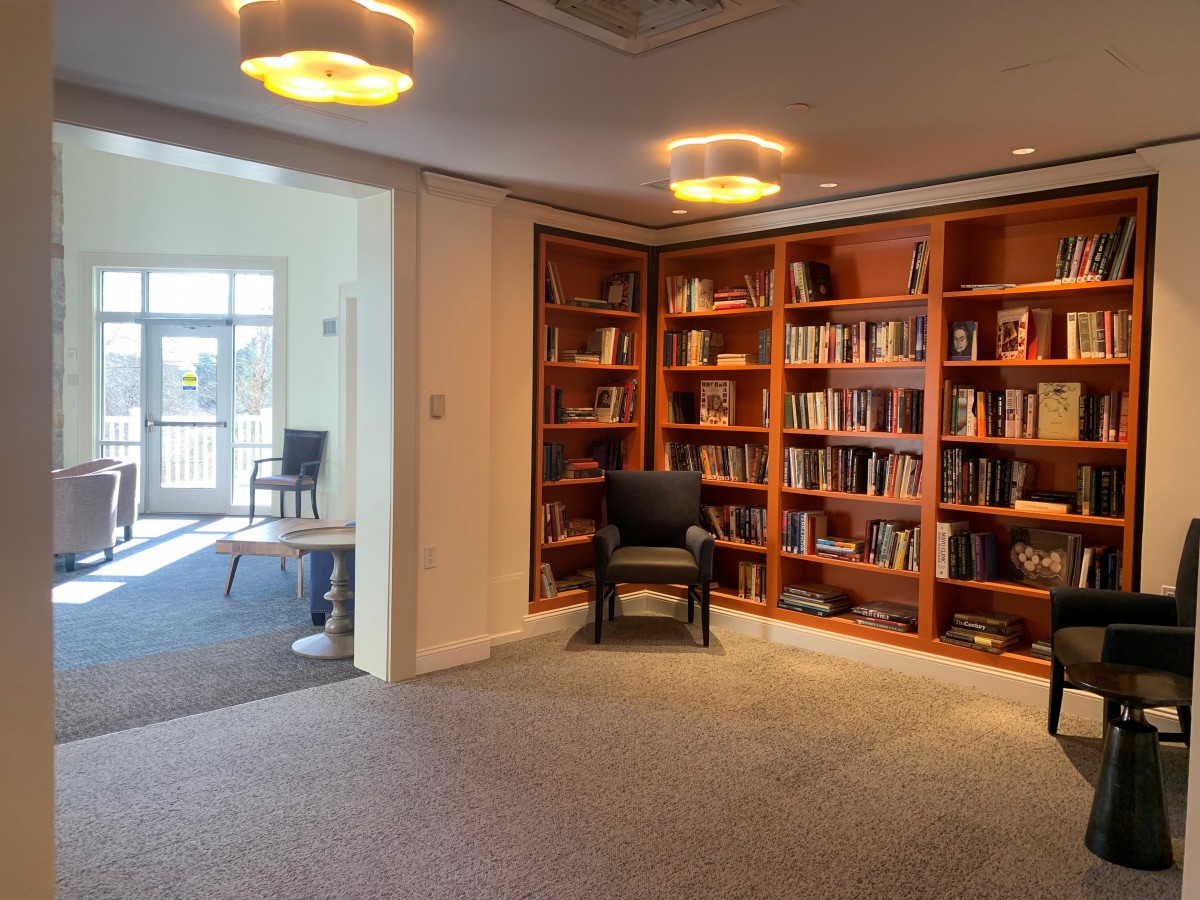
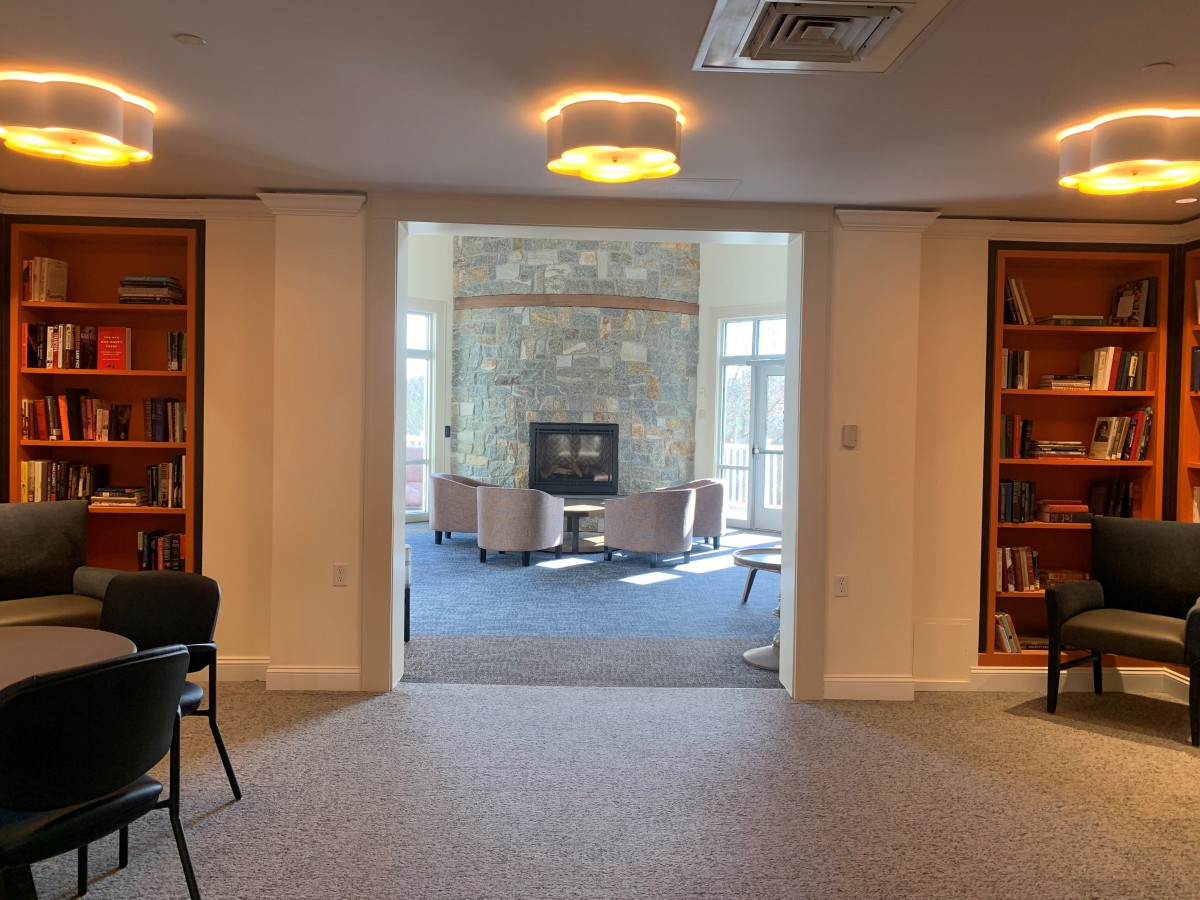
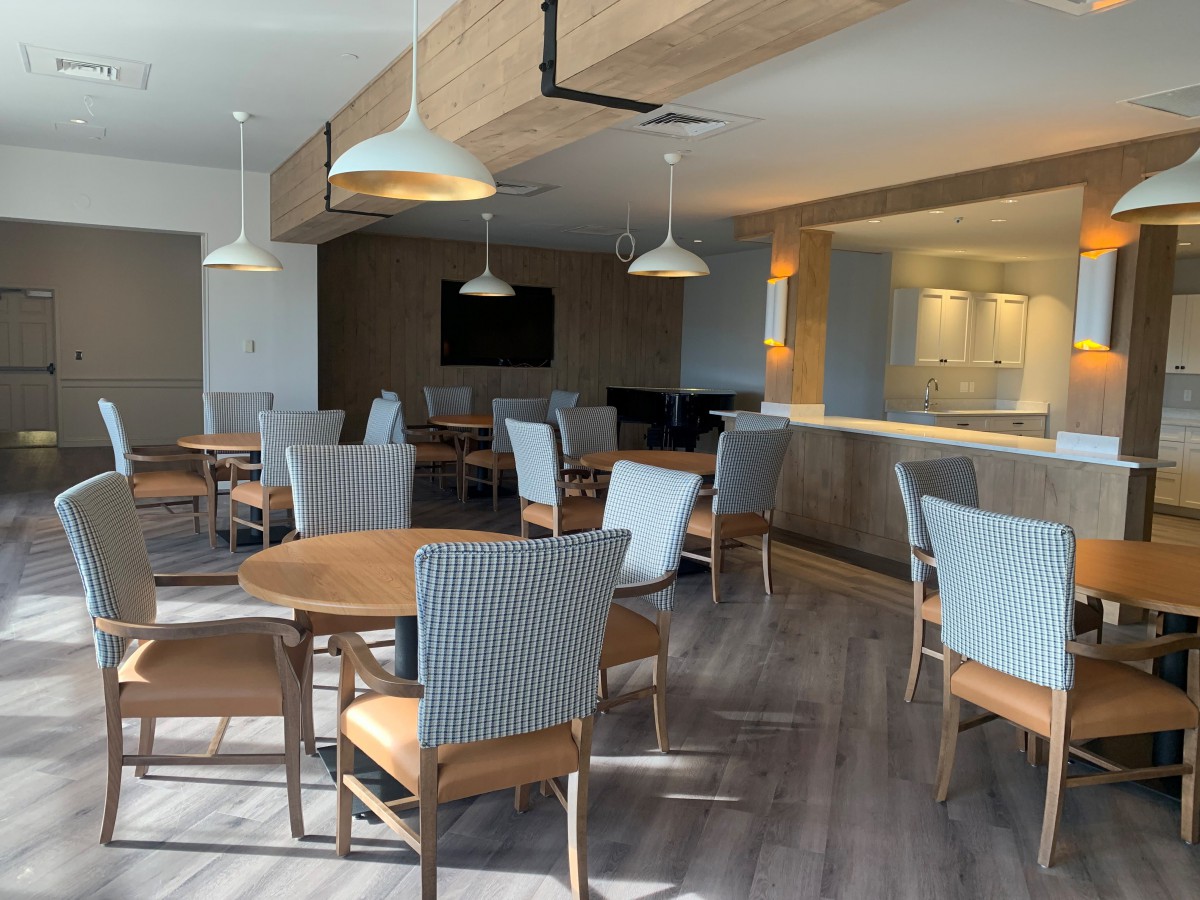
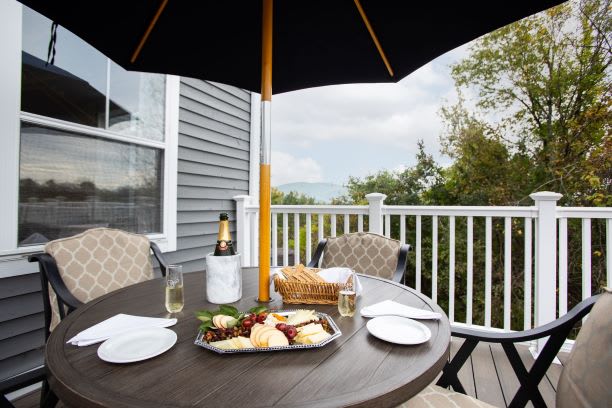
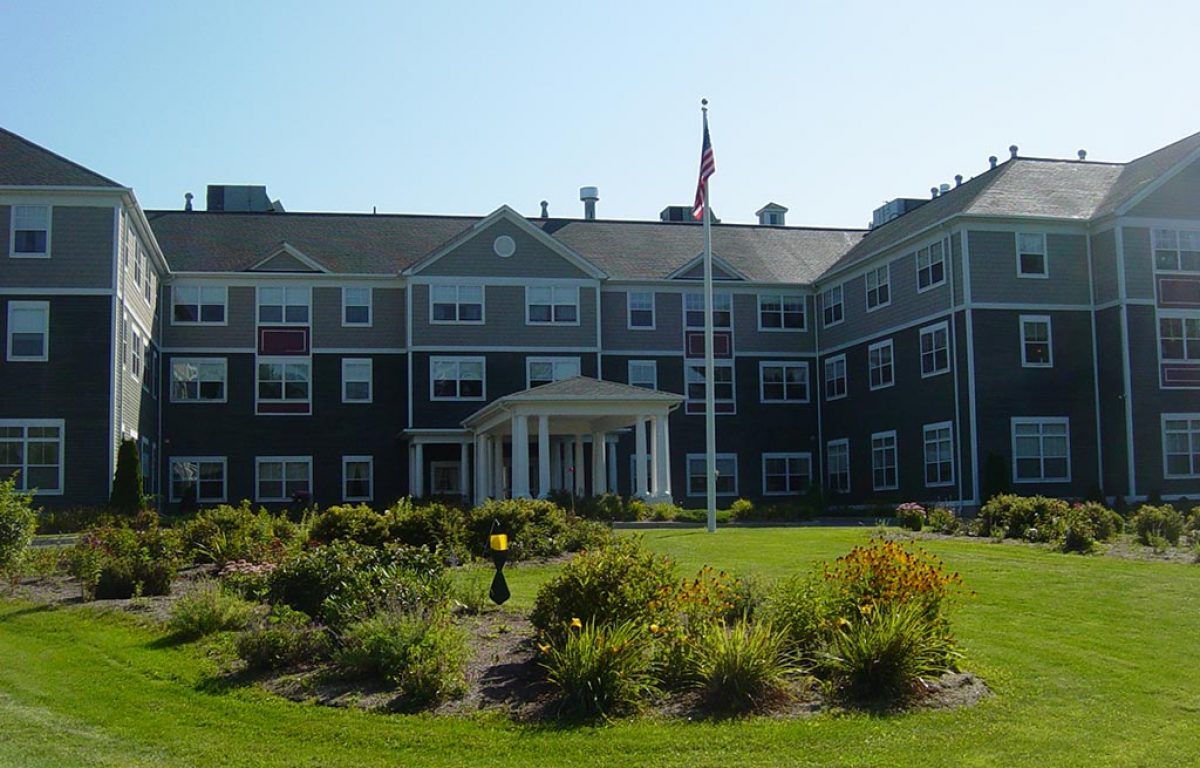
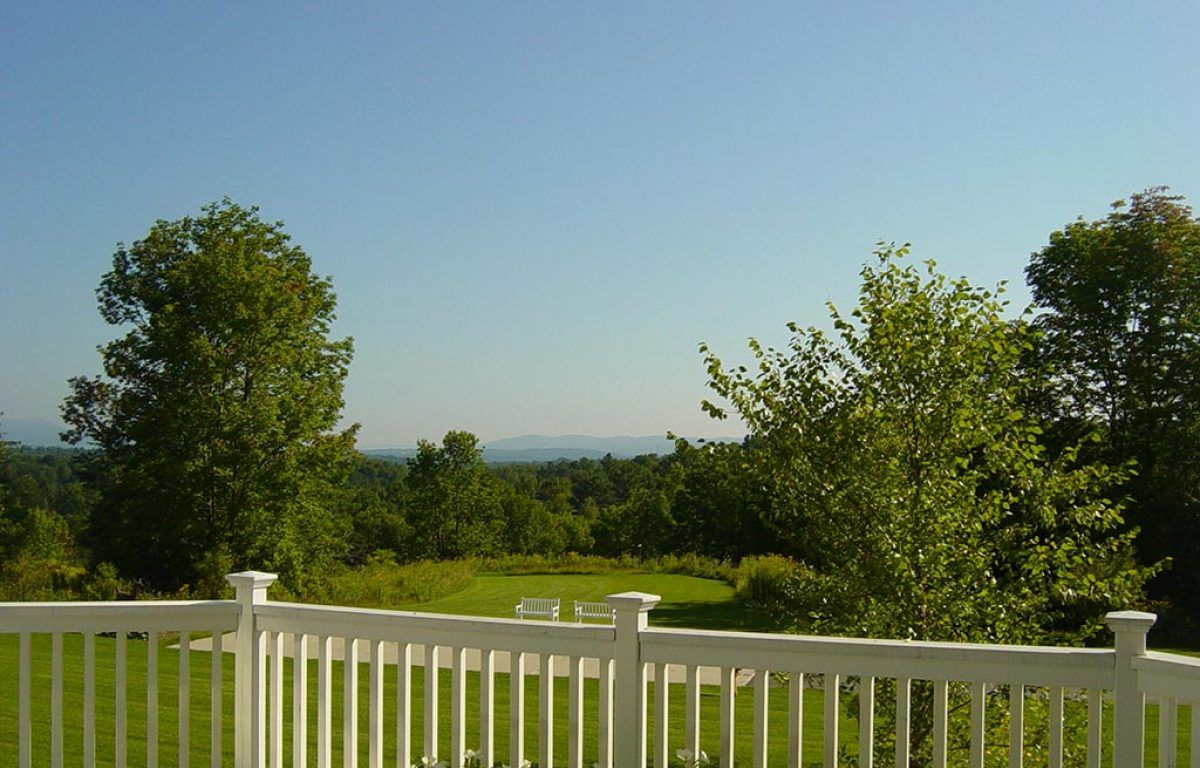
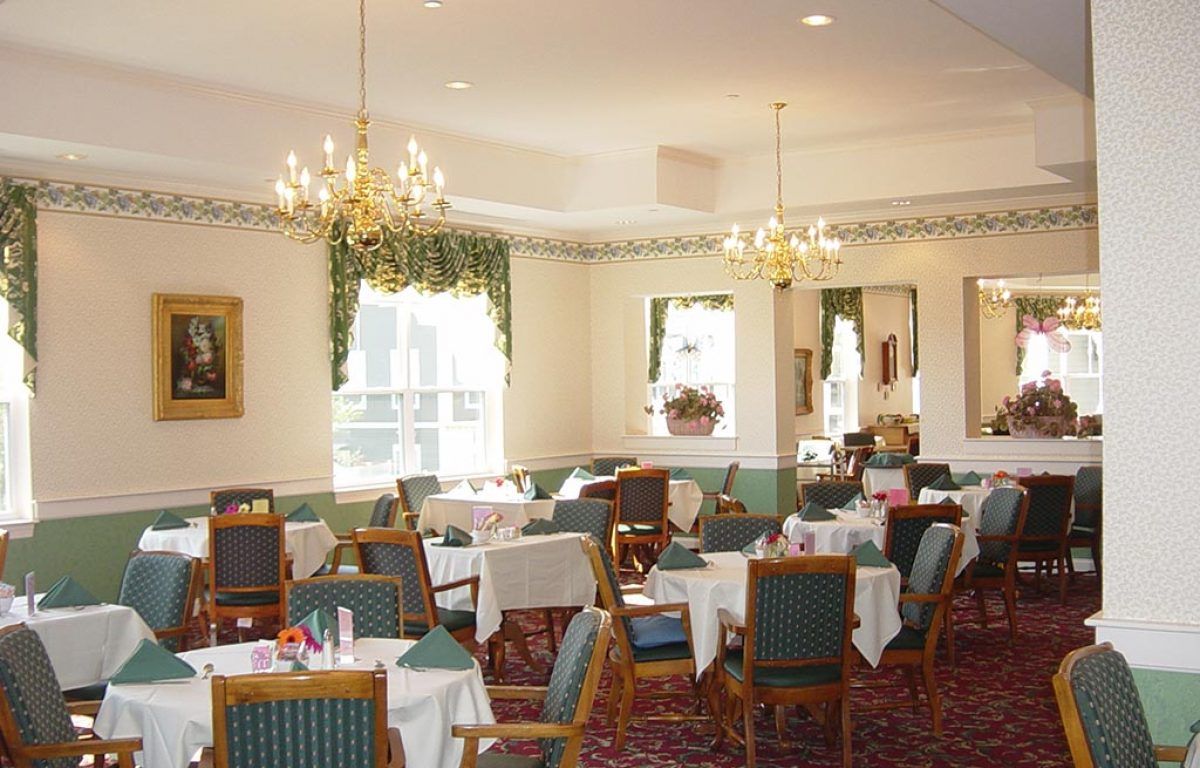
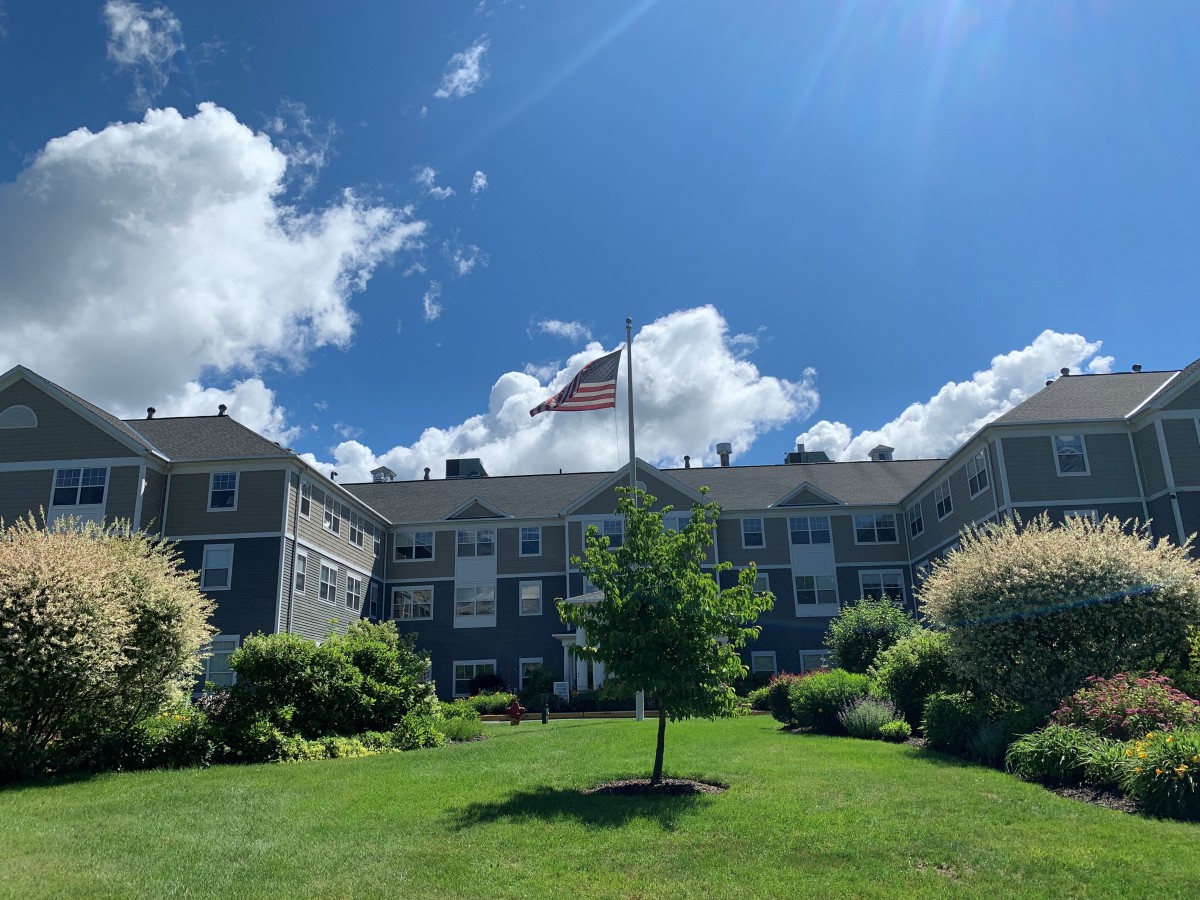
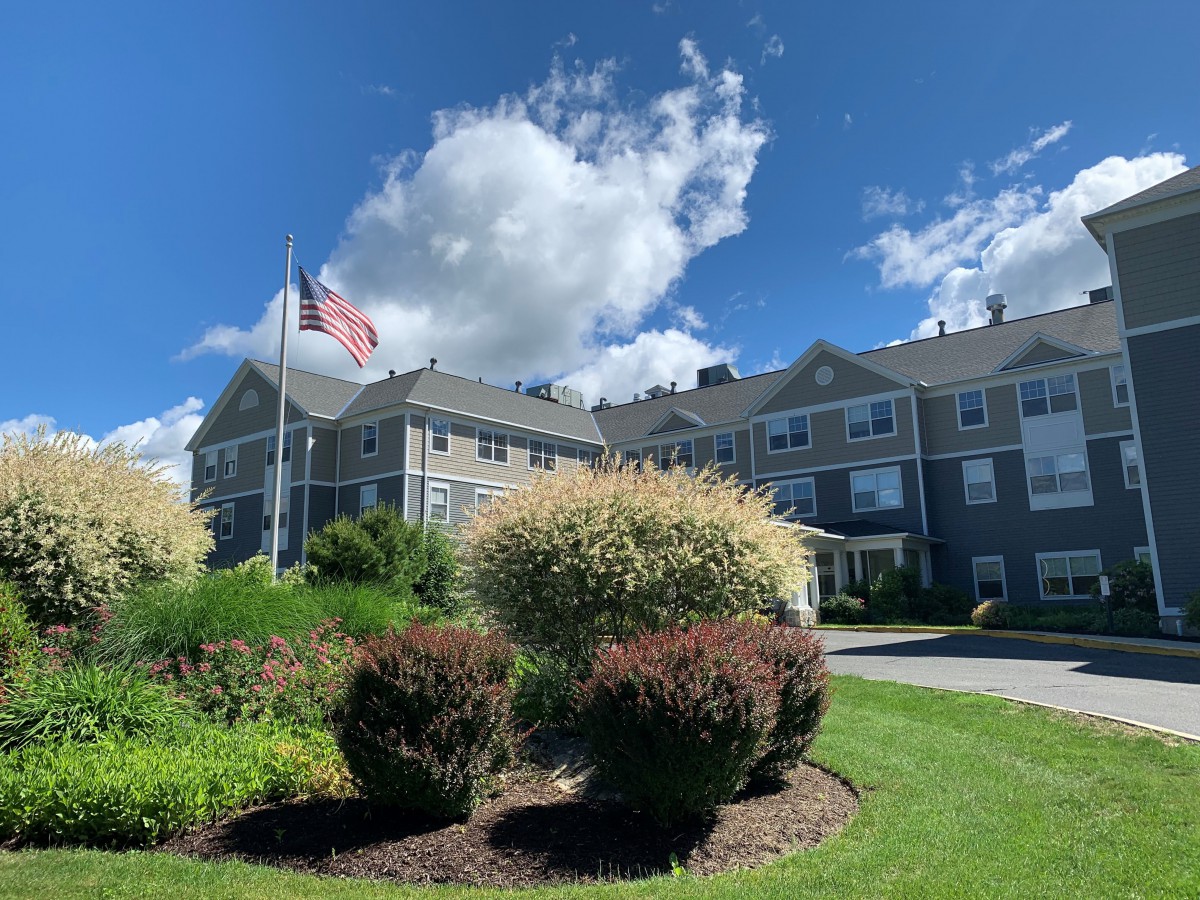
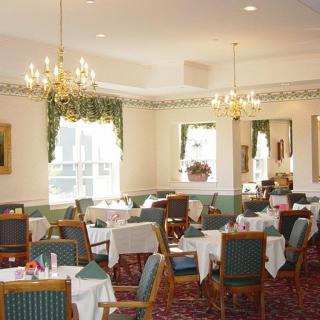
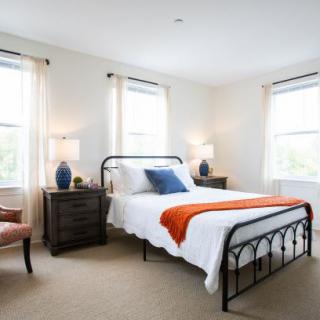
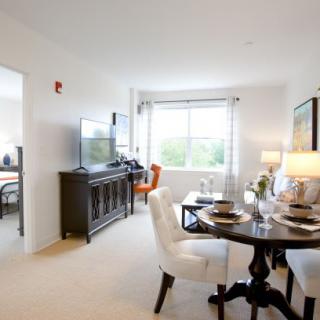
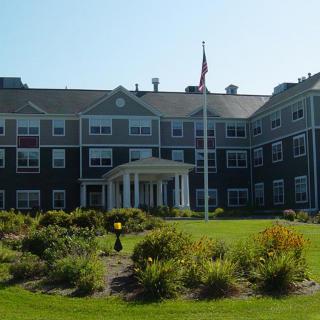
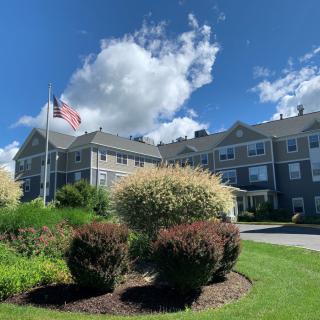
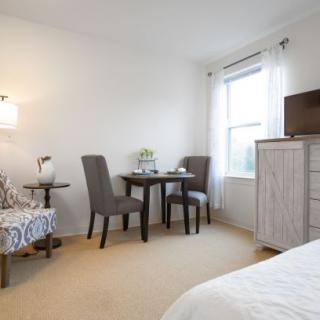
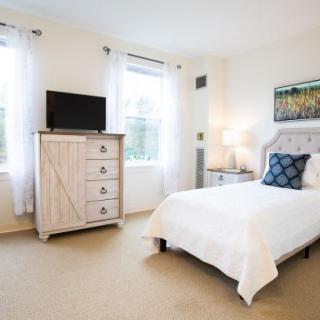
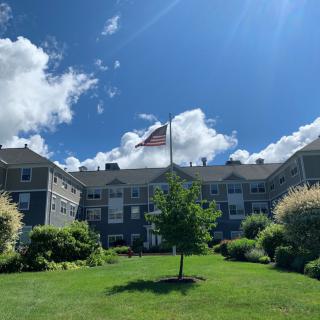
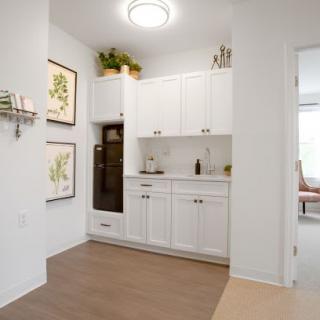
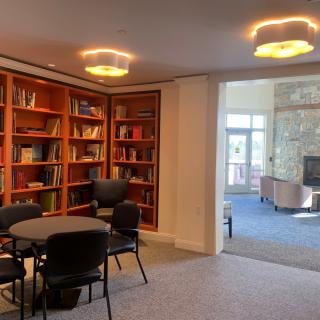
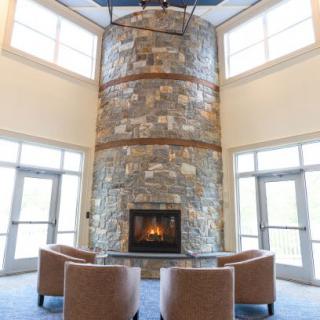
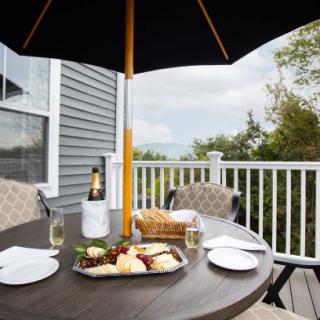
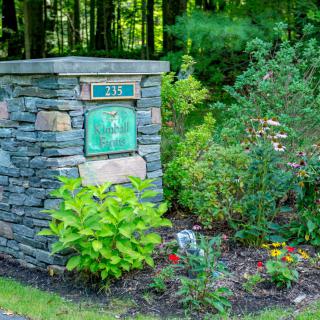
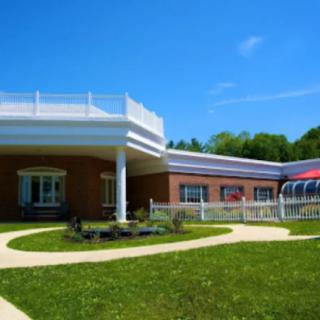
Wingate Residences at Melbourne Place on seniors.fyi includes 20 photos including images showing interior, landscaping, dining, bedroom, windows, decor, library, building, and more.
Nearby Communities
Springside Rehabilitation And Skilled Care Center
Pittsfield, MA
4.3 from 49 reviews
Comprehensive on-site care with 24/7 supervision and extensive amenities.
Springside of Pittsfield Nursing and Rehab Center
Pittsfield, MA
3.9 from 41 reviews
Friendly front-desk staff and skilled therapists; resident showed improvement.
Salisbury Estates Inc
Pittsfield, MA
Excellent access to healthcare, dining, and parks nearby.
Hillcrest Commons Nursing & Rehabilitation Center
Pittsfield, MA
2.9 from 59 reviews
New, clean facilities with caring staff
Berkshire Place
Pittsfield, MA
3.4 from 14 reviews
Skilled nursing care with diverse on-site amenities and resident-driven activities.
Molari Health Care Svc
Pittsfield, MA
4.4 from 42 reviews
Longstanding local presence with trusted service.
Mt Greylock Extended Care Facility
Pittsfield, MA
3.7 from 20 reviews
$3,450 to $4,485 / month
Friendly, helpful staff and a pleasant outdoor area with good value.
Kimball Farms
Lenox, MA
4.8 from 6 reviews
Caring staff and an active, well-appointed community with customizable living spaces and engaging activities.
The Landing at Laurel Lake
Lee, MA
4.3 from 30 reviews
$2,950 to $4,800 / month
Active community with extensive on-site activities and reliable transportation.
The guide on holistic dementia care outlines the complexity of dementia and stresses the need for individualized caregiver strategies that include medical treatment, psychological support, and environmental adaptations, while emphasizing early detection, various therapeutic options, and caregiver support to enhance quality of life and maintain dignity.
"Memory Care Pathways: A Holistic Guide to Dementia Support" outlines the complexities of dementia and its various types, emphasizing early detection, patient-centered care strategies, caregiver support, and long-term care options while addressing legal and financial considerations to enhance the quality of life for individuals with dementia and their families.
Sundown syndrome, or sundowning, is a phenomenon in dementia patients characterized by increased confusion and agitation during late afternoon and evening, influenced by factors like disrupted circadian rhythms and fatigue. Effective caregiver strategies include establishing routines and managing environmental light while addressing caregiver stress through support services.
Get PricingAsk A QuestionSchedule A TourContact Senior Advisor
By clicking submit, you agree to our Partner's Terms of Use. You
also consent to receive calls and texts, which may be autodialed, from our Partner. Your consent is not a condition to
using our Partner's service. Please visit our Partner's Privacy Policy for information about their privacy practices.






 118 resident community capacity
 1-bedroom apartments
 Assisted Living
 Independent Living
 Memory Care
 Skilled Nursing Facility
 Cats allowed
 Dogs allowed
 Activities off-site
 Air-conditioning
 Beautician on-site
 Cable or satellite TV
 Computer center
 Devotional services off-site
 Dining room
 Fitness room
 Fully furnished
 Gaming room
 Garden
 Ground floor units
 Handicap accessible
 Housekeeping services
 Indoor common areas
 Kitchenette
 Move-in coordination
 Outdoor common areas
 Private bathrooms
 Respite or short term stays offered
 Restaurant-style dining
 Small library
 Telephone
 Wellness center
 Wheelchair accessible showers
 Wi-Fi/high-speed internet available
 Community operated transportation
 12-16 hour nursing
 24-hour call system
 Ambulatory care
 Assistance with bathing
 Assistance with dressing
 Assistance with transfers
 Diabetes diet
 Diabetic care
 High acuity care
 Incontinence care
 Medication management
 Mental wellness program
 Special dietary restrictions
 Art classes
 Catholic services
 Concierge services
 Cooking classes
 Day trips and outings
 Educational speakers / life long learning
 Happy hour
 Jewish services
 Live musical performances
 Wine tasting
 Comprehensive on-site care with 24/7 supervision and extensive amenities.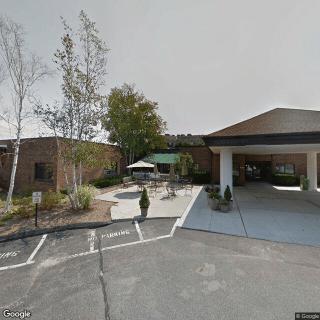

 A Holistic Dementia Care Guide: Effective Strategies for Memory Support
 Memory Care Pathways: A Holistic Guide to Dementia Support
 Comprehending Evening Confusion in Dementia: Causes, Manifestations, and Support